

 Provincial Executive Candidates
Provincial Executive Committee Election Results
President
Adriane Gear - Elected - 14,519 votes
She, her, hers

Biography
I bring vision, experience, and a demonstrated track record of leadership. If re-elected, I will continue to strengthen BCNU as an effective, results-driven union that serves members with integrity and purpose.
My Commitment:
-Advance and protect ratios through legislation
-Negotiate strong agreements that support retention and safeguard benefits
-Hold employers and the government accountable for ensuring safer workplaces
-Elevate members' voices and advocate publicly on the realities facing the healthcare system
-Strengthen member engagement and foster unity
-Support and resource stewards to effectively enforce collective agreements
-Promote inclusivity and advance Reconciliation
-Lead with transparency and accountability
Role based questions
- What inspired you to run for the position of President, and how does your background prepare you for this role?
Despite unsafe staffing, rising patient acuity, workplace violence, and being excluded from decisions that directly impact our work, nurses continue to show up every day and hold together a strained health care system. That commitment inspires me.
I care deeply about our profession and am driven to improve the conditions we work in. As the current President, I lead with integrity, experience, and a strong track record of action. I will continue working tirelessly on behalf of the membership. - What is your vision for BCNU over the next five years, and how will you ensure the union remains member-focused?
My vision is for BCNU to be an even stronger, more influential union that delivers results and remains deeply relevant to the members we serve.
I will ensure we remain member-focused by expanding opportunities for meaningful member engagement in setting our direction, while maintaining transparency, accountability, and high-quality service. Negotiating a strong collective agreement that protects our vital benefits and the successful implementation of ratios are my immediate priorities. - How would you build trust and collaboration across diverse member groups and regions, including Council?
I would continue to build trust through integrity, transparency, and consistently living our values. Owning mistakes and demonstrating learning strengthens accountability and credibility.
Collaboration depends on mutual trust, respect, and clearly defined roles and responsibilities. By ensuring inclusive engagement across diverse member groups and regions, we strengthen decision-making and ensure a broad range of perspectives is reflected. - Describe a time you had to lead in a crisis. What did you learn that will inform your presidency?
I have learned from witnessing poor employer responses what not to do in a crisis. This has reinforced my belief that effective leadership is grounded in calm communication, accountability, and keeping members at the centre of every decision.
In crises, people need clarity, consistency, and presence. Even when not all issues can be immediately resolved, trust and confidence is strengthened through transparent communication, follow-through, and leaders who show up for those they lead. - How will you strengthen BCNU’s relationships with external parties like government, regulatory bodies, and the public?
While we may be on different teams, we share a responsibility to advance the nursing profession and address systemic challenges in health care. At the same time, it is important that BCNU confidently owns its role as the voice of working nurses, responsible for negotiating and upholding collective agreements and influencing health policy and decision-making.
I will strengthen these relationships by engaging in respectful, solution-focused dialogue with relevant healthcare system partners. - What do you believe is the greatest threat to BC nurses’ collective power, and how would you address it?
Misinformation is one of the greatest threats to unity, and disunity diminishes our collective power. It creates confusion and undermines trust, leading to division, reduced confidence in leadership, and growing suspicion. When people are working from inaccurate or incomplete information, it becomes difficult to have productive conversations or make collective decisions.
That is why it is imperative that BCNU continues to provide clear, timely, and transparent communication. - How would you ensure transparency and accountability in BCNU leadership?
I would continue to build on the strong work of this Council. This includes the Council Code of Conduct, with plans to extend it to Regional Executive Teams, and the establishment of an Independent Ethics Office. We also support transparency by allowing observers at Council meetings.
Equally important is fostering a culture of accountability, where it is safe to take risks, learn from mistakes, and grow. Together, these measures strengthen trust, transparency, and leadership across BCNU. - How would you apply BCNU’s values of “Social Justice” and “Democracy” to improve the long-term sustainability of nursing?
Applying BCNU's values of social justice and democracy is key to sustaining nursing. Social justice means addressing inequities such as ensuring safe staffing, culturally safe workplaces, and equitable care for all. Democracy means giving nurses a strong voice in decisions that affect their work, from the bedside to bargaining. When nurses are treated fairly and meaningfully involved, we build trust, strengthen retention, and create a more sustainable profession. - What actions would you take to ensure that frontline nurses feel heard and represented in every decision?
Members need to see that their input leads to real change. I will focus on creating additional opportunities for engagement to gather input from frontline members. It is also important to be transparent by clearly explaining decisions and how member feedback shaped the outcome. Members must see their voices reflected in action. - How would you balance the union’s political advocacy role with its duty to all members?
Advocacy should be grounded in what members tell us they need. I would ensure our positions are informed by broad member engagement and reflect the diversity of our membership. At the same time, I would be transparent about why we take certain positions and how they connect to improving working conditions and patient care. BCNU's role is to advocate effectively while remaining accountable and making sure members can see how that advocacy supports them, regardless of their individual views. - How has your understanding of the principles of diversity and/or equity and/or inclusion evolved?
My understanding of diversity, equity, and inclusion has evolved from awareness to action. I've learned that it's not enough to just ""value"" diversity; we must actively address systemic barriers, challenge bias, and ensure culturally safer workplaces.
This means listening to lived experiences and ensuring decisions reflect the diverse voices within our union. This work is ongoing and essential to ensuring a strong and relevant BCNU - How do you guarantee culturally sensitive interactions with your members?
I start by listening with respect, humility, and curiosity. Members bring different backgrounds, cultures, identities, and experiences, and I strive to make sure those differences are valued and reflected in how I communicate, and diverse perspectives are considered when making decisions.
Technical Questions
- What is your experience with Microsoft Word, Excel, and Outlook and what is your ability and willingness to learn new computer platforms and applications (e.g. BoardEffects, Expensify, Formstack, Ceridian Dayforce, ZOOM, Box, etc.)?
I am proficient in all of the current platforms and applications, although I don't use Excel often. I am also proficient with Windows Teams, and I am up to date with the required cybersecurity training. I am able and willing to learn anything new. - Where and how have you developed your historical and technical base of understanding in all areas of the union’s work including bargaining and BCNU policies and procedures?
Progressive leadership roles, including Steward, JOHSC Rep, Full-time Steward, OH&S Regional Rep, Regional Council Member, Executive Councillor, VP, and President. I have completed training in conflict resolution, negotiations, mediation, advanced leadership, and governance. As President, I oversee strategic planning, chair Council, preside over Convention, and chair the NBA Bargaining Committee. I have a strong working knowledge of BCNU's constitution and bylaws, policies, and Robert's Rules. - How would you describe your understanding of budgets and financial statements and the general structure and function of BCNU’s financial systems as well as the broad economic picture of BCNU?
I have a strong understanding of budgets and financial statements, including how to track income, spending, and variances. I have been directly involved in overseeing the budget to ensure members' dues are used responsibly and aligned with BCNU's priorities. I understand processes and safeguards that ensure transparency and accountability. Overall, BCNU is in a strong financial position, with diversified assets.
Candidate Attestations
- I have disclosed any other current union, board, employment, or governance roles that may intersect with my duties and responsibilities as a BCNU executive officer if elected.
I am the NBA appointee to the SWITCH BC Board
I am the BCNU appointee to the CFNU NEB
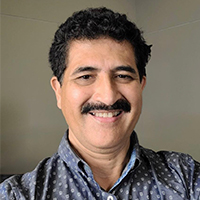
Reynaldo Antonio Ortiz - 4,769 votes
Biography
I am a frontline nurse working at VCH & in the past I was a Steward, Lobby Coordinator and a Council. I strongly believe that the fronline nurses need to be listen to & their issues solved by the BCNU leadership that is experiencing the issues that are going on on the floor. I will bring the Sunset clause once elected, I will reduce the Union dues, I will not give up gained benefits as it has been done in the last 4 negociations. What is more, I will try to gain the salary difference lost by young nurses who have a BscN, I will negociate to have banked sick hours to be paid on retirement for nurses hired after January 2013 and also to prevent nurses with at least 5 years seniority being displaced by a more senior nurse.
Role based questions
- What inspired you to run for the position of President, and how does your background prepare you for this role?
My inspiration to run for BCNU president comes because I want to stop giving away every 3 years our already gained benefits and if I want to see any change, I need to be active in the BCNU business and the best way to do it is if I become a president. My background as a lobby coordinator taught me that the best way to protect nurses is to organize my fellow nurses and to meet politicians to have them change laws and provide nurses with better contracts and benefits. - What is your vision for BCNU over the next five years, and how will you ensure the union remains member-focused?
My vision is to make BCNU stronger than what it's today. I'll do so by engaging younger nurses to be part of the council. As a result of a more active nurses movement which will be demanding better working conditions, better wages and benefits. I say this because the great majority of the BCNU Present Council graduated more than 15 years ago. Additionally, I will promote the limit of the number of terms for councils, vice president and president can be in office; in other words I will promote the so-called Sunset Clause; this action will give more opportunities to younger nurses to participate more and lead the union as council members or president. - How would you build trust and collaboration across diverse member groups and regions, including Council?
I will built trust & collaboration by using active listening when speaking to members concerns, practice empathy but most of all be true to the BCNU Constitution and members concerns or issues. Moreover, I will not accept Council members to gang against other council members who disagree with their ideas. I will base my decisions on honesty, ethics, moral, sense of justice and the BCNU Constitution so we all can work together for a stronger harmonious BCNU team. - Describe a time you had to lead in a crisis. What did you learn that will inform your presidency?
In 2013 when my fellow nurse and I went through a displacement in my workplace I was able to lead my fellow nurses, just prior to getting the displacement letters, I told them how the BCNU contract was going to help us in the near future by showing them the displacement language in the BCNU Contract and teaching them how the contract was going to help us to overcome our situation. This event has prepared me to keep my head cool and to follow and have faith in the BCNU contract agreement. Later on the BCNU leadership was able to take over. - How will you strengthen BCNU’s relationships with external parties like government, regulatory bodies, and the public?
I will strengthen the relationships by communicating & meeting with them on a regular basis, using professional communication, respect & providing factual information of what BCNU goals and issues are. As an ex Lobby Coordinator I have a great experience meeting with politicians. - What do you believe is the greatest threat to BC nurses’ collective power, and how would you address it?
The shortage of nurses is the biggest threat, followed by the stress caused on the nurses by working short & long hours, nurses losing benefits every 3 years while the government is not doing enough to fix the shortage of nurses while demanding more from nurses. - How would you ensure transparency and accountability in BCNU leadership?
I will practice honesty, ethics, open communication, follow the BCNU constitution & inform the members of what is going on or issues that affect BCNU. Hence, transparent communication from my part will provide transparency & accountability. - How would you apply BCNU’s values of “Social Justice” and “Democracy” to improve the long-term sustainability of nursing?
I will apply BCNU values by involving BCNU members, councils and meeting government offcicial, and community leaders and engaging the public. I will primarily follow the BCNU constitution to promote our values while basing my desitions on ethics, morals, honesty and justice. - What actions would you take to ensure that frontline nurses feel heard and represented in every decision?
I will do walk-about , town meetings, Zoom meetings and send information using the BCNU news web site. - How would you balance the union’s political advocacy role with its duty to all members?
Membership participation and have their voices heard and have the council come out to see the frontline nurses on the floor and according to that the council needs to provide the information to the president of what the membership thinks then according to the majority of the Regions information take an informative decision. - How has your understanding of the principles of diversity and/or equity and/or inclusion evolved?
I have always been involved in human rights and have learned that the only way to keep racism, fascism, and discrimination on check is to be active. I believe I still need to learn more how to prevent discrimination against first nations, women, minorities and individuals who are not heterosexual like me. Hence, having an open mind is to walk in their shoes and be empathetic to their issues & practice solidarity but in actions not only words. - How do you guarantee culturally sensitive interactions with your members?
I am aware of my culture, body gestures, tone of voice and how it affects my message to fellow human beings. Hence, I will be aware that active listening, empathy and solidarity must be practiced while interacting with members even if they are from my own community. Additionally, I will continue to educate myself on how to be more knowledgeable about different cultures.
Technical Questions
- What is your experience with Microsoft Word, Excel, and Outlook and what is your ability and willingness to learn new computer platforms and applications (e.g. BoardEffects, Expensify, Formstack, Ceridian Dayforce, ZOOM, Box, etc.)?
I have basic knoledge of these programs since I have used in the past. - Where and how have you developed your historical and technical base of understanding in all areas of the union’s work including bargaining and BCNU policies and procedures?
I was a Steward, Lobby Coordinator and a Council. - How would you describe your understanding of budgets and financial statements and the general structure and function of BCNU’s financial systems as well as the broad economic picture of BCNU?
I do describe it as a fair since I have dealt with regional budget in the past.
Candidate Attestations
- I have disclosed any other current union, board, employment, or governance roles that may intersect with my duties and responsibilities as a BCNU executive officer if elected.
I have none.
Vice President
Tristan Newby – Acclaimed
He, him, his

Biography
As a Nurse, I aim to improve the lives of all nurses, individually to nationally, by creating sustainable work environments and evolving your union to respond more directly to your needs. As VP, I have innovated growth across your union through increased responsiveness and collaboration. I developed my leadership through my roles as a nurse in Emergency, Mental Health, Public Health, stewardship, and in regional and provincial positions, as well as through serving on executive boards for the CFNU and the Canadian Health Coalition. I am a provincial lead on ratio development and implementation, as well as growing our unions' impact and influence. I am guided by Creativity, Authenticity, and Growth. Your vote says yes to evolving your union.
Role based questions
- How do you view the role of Vice President in supporting Council and the President?
I view the role of VP as the Nurse within an interdisciplinary team. They are a skilled, autonomous collaborator in a multidisciplinary team, capable of navigating and leading large projects, while being adaptable to dynamic change. The VP is a generalist with a specialized body of knowledge, able to mentor, work with, and step into virtually any role within the organization. I have diverse bedside, board and advocacy experience that positions me to serve as a highly skilled support person - What experience do you bring in strategic operations, conflict resolution, or risk management?
As chair of the Complaint Investigation Committee I am confident working with members to navigate conflict resolution; such as grievance, mediation, arbitration, Integrity Office, Article 12 processes. As an executive board member of BCNU, the CFNU, and the Canadian Health Coalition I have broad experience in strategic operations and risk management. I continue to lead an evolution of BCNU so that activism is clear and connected, driven by frontline member priorities - Describe how you would build bridges between Council decisions and member concerns.
I have and will continue to prioritize meeting members day and night, week days or weekends, in their worksite or in their communities. I provide members the pathway to bridge their concerns to actionable items and motions at the council table. In addition to walkabouts I provide formal presentations and post 4-5 times per week as 'nurse_tristan' (on FB and Insta) with short, informative and relevant videos to engage the nurses of BC on the value of your union - What specific member engagement strategies would you propose to Council to better involve underrepresented members?
To involve underrepresented members I'd continue to create more diverse member engagement opportunities, such as, dinner meetings, cross regional collaboration, lunch and learns, surveying the members for their needs, creatively engaging online content and creating a safe space where people feel that they belong and can engage in dialogue. I will continue to demonstrate recognition and respect for our advocate through initiatives such as the steward welcome package and to be present with them - How do you ensure timely and transparent communication from BCNU Council to members?
Timely and transparent communication is what builds trust. Throughout my time as a Communication Secretary and council member I have driven innovation to improve the communication and coordination within our union and our membership. In addition to meeting with members throughout the day/evening/night, I post 4-5 times per week on 'nurse_tristan' (on FB and Insta) with short, informative and relevant videos to engage the nurses of BC on the value of your union. - In what ways can the Vice President support regional council members more effectively?
I am reinventing the means by which your Council members are educated, onboarded and mentored. By investing in your leaders early and coordinating development based on individual and organizational needs the VP is improving the function of your regions and your union. I have also been directly involved in the de-siloing of our union, through cross regional collaborations, the introduction of an All HRE day, All Steward Symposium, Regional Bargaining Conferences, and member/staff action teams. - How would you manage competing demands between supporting the Provincial Executive Committee and responding to Council issues?
PEC or RCM, we're all council members elected to be the leaders and team that you deserve. Nurses know how to assess, plan, intervene and reassess; and the priority patient is always you. I triage based on urgency and the impact it'll have on our members. An effective executive has the front line experience to step in and do the work, as well as identify trends, allocate resources and intervene at a provincial level, leveraging our influence across other orgs, health authorities, and government. - What is your philosophy on balancing consensus-building with taking decisive action?
Your board is elected to make decisions reflective of your needs. A decision by consensus or vote is secondary to ensuring that your elected reps are prepared and trained to engage in robust debate. To ensure the professional development required to achieve this balance I am leading a reinvention of the way your leaders are trained. During convention or council sessions I seek to create a safe space for all perspectives to be shared and am guiding our leaders forward to an informed decision - How would you apply the BCNU values of “Democracy” and “Solidarity” in advancing inclusive and diverse member participation in union activities?
Member engagement is the lifeblood of our union. To truly stand in solidarity our decisions must be informed by and reflective of the needs of our diverse membership. As chair of the HRE Committee I've made moves to include the HRE regional reps into regional leadership, motioning that HRE participation is a qualifier for stewardship, and as a regional council member I created an innovative engagement strategy that saw 92% member engagement (as compared to the provincial average of approx. 35%) - What new strategic initiative or reform would you lead to modernize BCNU Council’s internal functioning?
Driving innovation within your union has been the hallmark of my leadership. I am currently reforming how your council is onboarded. The newly elected council will receive an onboarding process superior to that of any other nursing union in the country. As a result, your leadership will be prepared to take on the work and make strategic decisions prior to day one in office. This innovation will make your board more efficient and effective so that they can focus on what matters most, you. - How do you guarantee culturally sensitive interactions with your members?
As a leader, I strive to create culturally sensitive interactions, but cannot claim to guarantee them. Member engagement is always based on your needs. I have had policies redrafted, interview practices revised, and assisted in the drafting of our DEI survey to evolve our union to be more reflective of our diverse membership. I engage in personal development to improve my cultural sensitivity and advocacy. - How has your understanding of the principles of diversity and/or equity and/or inclusion evolved?
The work of inclusion is a part of my identity and a priority in all the work I engage in. As chair of the HRE Committee, I have advanced DEI into the fabric of all regional and provincial initiatives. To evolve my understanding I participate in and review research, speaking on the topic, and reading literature to deepen my understanding. I'm happy to provide recommendations for excellent reads to anyone interested.
Technical Questions
- What is your experience with Microsoft Word, Excel, and Outlook and what is your ability and willingness to learn new computer platforms and applications (e.g. BoardEffects, Expensify, Formstack, Ceridian Dayforce, ZOOM, Box, etc.)?
I am familiar with all BCNU platforms and applications. I previously chaired the BYOD program, enabling elected and appointed reps to select the devices that work best for their needs. I have also strongly advocated for a streamlining of BCNUs communication, collaboration and storage programs. I also mentor new council members on the use of programs. I am willing to learn new programs or applications. - Where and how have you developed your historical and technical base of understanding in all areas of the union’s work including bargaining and BCNU policies and procedures?
Since 2015 I have served in almost every elected position within the union, and currently, in addition to fulfilling the duties of the VP I serve on 13 BCNU committees or working groups, more than any other board member. As VP I am involved in the orientation of new council members, inclusive of policies, and I chair the Policy section of Council meetings. Since the opening of bargaining I have been educating members on bargaining throughout the province. - How would you describe your understanding of budgets and financial statements and the general structure and function of BCNU’s financial systems as well as the broad economic picture of BCNU?
Having served on community, provincial and national boards, I have a strong understanding of budgets and financial statements. 2020-2023 I served as a Regional Council Member and was responsible for approving and managing a regional budget. As a member of the BCNU Provincial Executive and a BCNU Holding Society member I have a comprehensive understanding of BCNUs financial systems and it's broad economic picture.
Candidate Attestations
- I have disclosed any other current union, board, employment, or governance roles that may intersect with my duties and responsibilities as a BCNU executive officer if elected.
Canadian Federation of Nurses Unions
- National Executive Board Member
- Constitution Committee Chair
Canadian Health Coalition
- Executive Board Member (Secretary)
Canadian Labour Congress
- Human Rights and Equity Advisory Committee
Provincial Treasurer
Scott Duvall – Acclaimed
He, him, his

Biography
Scott Duvall is seeking your vote for BCNU Provincial Treasurer, bringing over 20 years of experience in union involvement, paramedicine, critical care nursing, and member advocacy, including bargaining. He combines frontline insight with strong expertise in finance, governance, and leadership. Scott is committed to stewardship of member dues, protecting and growing BCNU's financial strength, and upholding the highest ethical standards. He will enhance financial policies, streamline budgeting, and provide clear, consistent communication. Focused on transparency, accountability, consistency and member participation, Scott is dedicated to sound governance, risk management, and financial decisions that benefit all members.
Role based questions
- What qualifies you to manage the financial operations of a large member-driven union?
With over 14 years of organizational involvement and historical knowledge, I have managed my fiduciary responsibility in roles of Interim Provincial Treasurer (2023 - $76M Budget Prep), Finance Committee (~12 years), Regional Council Member (6yrs) and Regional Treasurer (6yrs ~$500K budget), in addition to Policy Committee, Governance Committee and other Committees of Council. I have worked collaboratively with BCNU staff and leadership in managing our financial operations. - How would you improve financial transparency and reporting for all members?
I want members to see the stewardship of their finances. I will utilize the member portal for posting monthly financial statements, support Regional Treasurers to report their quarterly regional financials to all regional membership, and regular reporting of exceptions/policy or procedure changes. My goal is to make reporting more dynamic and engaging (accessible/easy to interpret), through various forms of relatable member and regional financial education. - What changes would you propose to ensure member dues are spent effectively and ethically by Council and by the regions, and why?
Proposed changes I would include: clear Financial Ethics committee recommendations for Council's decision making, regular review of and improvements to controls and audits, review all policy and processes for more effective management and reimbursements, and apply a strategic directions governance lens to all financial matters and ongoing expert consultation/education and financial risk management for Board members. - Describe your experience in budgeting, financial audits, or fiduciary oversight.
I have experience preparing Regional/Provincial Budgets, participating in audit processes and financial controls, regular expense review and reporting, Finance committee exceptions and policy application, organizational financial and fiduciary governance decision making, policy interpretation, consultation and amendments. I have gained expertise in the allocation, disbursement, utilization and accountability of regional funds annually. I have completed the Sauder Financial Management Education. - How would you ensure the union’s financial health supports long-term strategic goals like bargaining strength and member services security?
I would ensure dues are invested ethically and utilized to the benefit of all members, bring sound financial recommendations for Council consideration, work within established limits of financial expenditures/budget, proposed surplus is allocated to member services priorities such as bargaining, strike or contingency funds and that all member services BCNU provides are funded adequately. - What role, if any, should members or regions play in budget planning and financial oversight, and why?
Regions and it's members play a crucial role in how BCNU prioritizes its work - it is member dues that fund the services BCNU provides. Regions are the vehicle to engage/support and access those services. I seek to create more educational and participatory opportunities so that members may have greater literacy, knowledge and impact on their Unions' budget. - What are your priorities in aligning BCNU’s spending with its core vision, mission, values, and member needs?
My priorities align where member services and support are well funded in bargaining, job action activities, OHS, Professional Practice and lobbying efforts. Justice for all members inclusive of DEI initiatives remains a priority. Financial decisions and policy interpretation will be for the benefit of the majority. Fiduciary stewardship of the spending of members dues is of utmost importance to me. - How would you apply the BCNU values of "Integrity" and “Excellence” in the role of Treasurer?
My application of Integrity and Excellence involves a deep understanding and consistent application of policy - this is my practice, and this is my promise. Integrity comes from consistency which leads to reliability and trust. Excellence is improving processes, financial controls and attention to details useful for average members. This includes implementing principled and consistent policy and financial control processes. - What is your long-term vision for BCNU’s financial resilience, including reserve funds and investments?
My long-term vision is to ensure that BCNU maintains strong operations, purpose designated funds and contingency/reserve funds to support all members services. I see a future where members see their dues put to everyday value. We need to diversify with a values based approach and prepare for future financial stability in potential politically uncertain landscapes to protect our members long into the future. - How will you demystify union finances so that more members understand and participate in financial decisions?
I will work with finance staff and Council to prepare more interactive member education that is relatable and practical. This includes supporting Regional Treasurers in presenting both provincial and regional financials quarterly and at regional meetings in a way that is more meaningful to members. Given we all see information differently, education will be offered in self-paced and in person to expand members knowledge and input to their Union. - How do you guarantee culturally sensitive interactions with your members?
I commit to being consistent, respectful, and inclusive in my communications. I want members to feel heard without judgment, see themselves reflected in decisions, and experience communication that respects backgrounds and values. Clear standards, ongoing learning, and accountability ensure your voices shape policies, so every member feels safe, respected, valued and genuinely represented. - How has your understanding of the principles of diversity and/or equity and/or inclusion evolved?
My understanding of these principles has evolved from an abstract construct to an action-based approach. Injustice has many forms and I have attempted to address it through personal and regional education inclusive of multiple lived experience speakers. I see intersectionality more clearly and work actively to question biases, welcome differing perspectives and seek to elevate all.
Technical Questions
- What is your experience with Microsoft Word, Excel, and Outlook and what is your ability and willingness to learn new computer platforms and applications (e.g. BoardEffects, Expensify, Formstack, Ceridian Dayforce, ZOOM, Box, etc.)?
I have extensive experience with all platforms listed through my roles at BCNU and personally. I am an early adopter of new technology. As a prior software consultant, I assisted with coordinated integration of solutions - understanding the limitations of software development and the practical applications for end users. Often the solution was to ensure the data provided was in a format most useful for the end user which is a main goal for me as Provincial Treasurer. - What budgeting and accounting software and computer applications do you rely upon for financial tasks? In what roles have you utilized this software and applications?
In both my personal life and my BCNU roles of Regional Treasurer, Regional Council Member, Interim Provincial Treasurer, I have utilized Simply Accounting, Netsuite and Microsoft Excel. I participated in the BCNU transition from Simply accounting to the member expense dashboard and Netsuite. I enjoy utilizing Excel to present financial data from multiple perspectives including forecasting and determining if resources need to be allocated in certain areas. - What is your strategy for communicating to members about financial reports, outlooks and potential issues?
I will utilize the member portal for posting monthly financial statements, support Regional Treasurers to report their quarterly regional financials to all regional membership, and regular reporting of exceptions/policy or procedure changes. This is in addition to the fulsome reporting and engagement at convention of audited financial statements. My goal is to provide information in differing formats to achieve financial engagement not just financial reporting.
Executive Councillor - Occupational Health and Safety and Mental Health
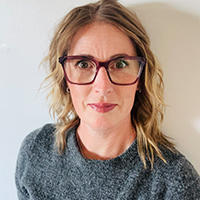
Denise Waurynchuk – Acclaimed
She, her, hers
Biography
I am a Registered Nurse with Interior Health and have served as a steward since 2013 and a Regional Council Member since 202. I have also held roles as a PRF advocate, steward liaison, and interim Executive Councillor for Occupational Health (OHS) and Safety and Mental Health (MH). I have completed BCIT coursework in OHS to strengthen my knowledge in this area.
My work has focused on supporting members through workplace safety concerns, violence prevention, and psychological health and safety at both the regional and provincial levels. As well as relationship development with internal and external partners.
If elected, I will focus on prevention, strengthening OHS/MH structures, and ensuring members feel heard, supported, and safe at work.
Role based questions
- What motivates you to run for this position, and what personal experience do you bring to the OHS and mental health file?
I’m driven by what nurses are telling us they face every day. Having covered this role twice, I’ve seen where we must do better and how to get there. I’ve advanced provincial OHS priorities, strengthened JOHSC engagement, and been on the ground listening to real risks across regions. I bring strong advocacy, clear system insight, and a relentless focus on holding employers accountable for safe, psychologically healthy workplaces. - What do you see as the top workplace safety challenges facing BC nurses today, and why?
Workplace violence remains a top safety challenge for BC nurses. The severity and frequency are increasing, with a growing normalization of violence that impacts nurses' physical and psychological safety, contributes to burnout, and affects retention. The reporting system can be complex and retraumatizing, limiting reporting and system improvements. Musculoskeletal injuries also remain a leading cause of time loss, driven by working short and heavy workloads - How would you advocate for mental health supports as a core part of occupational safety
Mental health is occupational health and safety, not a separate issue. I would advocate for improved access to psychological injury supports and reduced barriers to care. This includes supporting improvements to reporting processes and timely follow-up after incidents. I would focus on prevention by advocating for strategies that address workplace violence, workload, and unsafe conditions so nurses feel safe, supported, and able to seek help. - What tools or policies would you push for to reduce workplace violence and burnout, and why
Advancing nurse-to-patient ratios is critical. Safe ratios allow nurses to assess patients, de-escalate situations, take breaks, and provide safe care, reducing violence and burnout. I would also advocate for stronger protections under the Criminal Code for violence against healthcare workers. Supporting improvements to the reporting system will ensure injuries are captured, allowing for better follow-up, prevention, and system-level change - How would you gather data and stories from members to advocate for systemic safety changes?
By listening and meeting members where they are at, both in-person and virtually. Through site visits, regional meetings and conversations with members, occupational health and safety reps, mental health advocates and Joint Occupational Health and Safety reps, I can gather real-time insights. I also work with BCNU staff on surveys and campaigns to collect members' stories and feedback. Combining data and lived experiences helps identify trends and strengthens advocacy for system-level changes - What role should the union play in addressing employer accountability on OHS matters?
The union is its members, and members play a central role in holding employers accountable for OHS. When members report concerns and share their experiences, they create the foundations for change. The union's role is to support and amplify those voices, using data and engagement to identify trends and raise issues at local and provincial tables, ensuring employers meet their legal obligations - Describe a campaign or initiative you would lead to improve nurse mental health support province-wide.
I would build on existing work to strengthen mental health supports by continuing advocacy with WorkSafeBC to address barriers to mental health injury claims. I will continue to advocate for improvements to reporting processes and ensuring appropriate follow-up. Addressing workplace violence, bullying, harassment, and working short is essential, along with reducing stigma so nurses feel safe seeking support. - How would you apply the BCNU values of "Collectivity" and “Social Justice” in advancing OHS and mental health initiatives?
The union is its members, and collectivity means working together to create change. By listening to members and supporting them to speak up about concerns, we strengthen our collective voice to hold employers accountable. Social justice means ensuring all members have equitable access to safe workplaces and mental health supports, with decisions grounded in fairness and members' experiences. - How will you ensure rural, casual, and marginalized nurses are equally represented in health and safety reforms?
I will meet members where they are at through site visits, regional meetings, virtual options, and direct communication. I will prioritize hearing from rural, remote, casual, and marginalized nurses who may face additional barriers to being heard. While recognizing differences in roles and experiences, all members have the same rights to safe workplaces, and their voices must be included in health and safety reforms - What is your futuristic vision for psychologically safe and physically healthy nursing workplaces?
My vision is for workplaces where safe nurse-to-patient ratios are fully implemented, allowing nurses to take breaks, support one another, and be free of violence and injury. Safety concerns are taken seriously, with timely action and real change from employers. This leads to reduced moral distress and workplaces where nurses feel physically safe, psychologically supported, and able to sustain their practice. - How do you guarantee culturally sensitive interactions with your members?
I ensure culturally sensitive interactions by listening and learning from members, being open to their experiences, history, and perspectives. I avoid assumptions and focus on understanding what the member needs, rather than imposing my own views. Ongoing education and self-reflection are essential, along with creating space for members to feel heard, respected, and supported without judgment. - How has your understanding of the principles of diversity and/or equity and/or inclusion evolved?
My understanding of diversity, equity, and inclusion has continued to evolve through experience, self-reflection, and ongoing learning. I have become more aware of how my unconscious bias can influence my thoughts and actions, and the impact this can have on others. I focus on listening, learning, and embracing differences, while creating space where all members feel respected, included, and valued.
Technical Questions
- What is your experience with Microsoft Word, Excel, and Outlook and what is your ability and willingness to learn new computer platforms and applications (e.g. BoardEffects, Expensify, Formstack, Ceridian Dayforce, ZOOM, Box, etc.)?
As a Regional Council Member and interim Executive Councillor for OHS/MH, I have used Microsoft Word, Excel, Outlook, and the listed platforms since 2020. I continue to build my skills and learn new features within each platform. I am comfortable using technology and remain open and adaptable to learning new systems and applications as required. - What is your working knowledge of relevant policies and procedures, agreements and legislation related to OH&S such as Worksafe BC regulations and National Standards of Canada for Psychological Health and Safety in the Workplace?
My knowledge continues to grow through BCIT OHS coursework, as well as attending a Canadian Safety conference and practical experience supporting members. I regularly review WorkSafeBC legislation and apply it to workplace situations, while understanding the relationship between legislation and collective agreement language. I also seek support from mentors and BCNU staff while considering the National Standard for Psychological Health and Safety in discussions and planning - Describe how you would access supports and disseminate information needed to conduct OH&S work thoroughly?
I would access supports by working closely with BCNU staff, OHS officers, Council, and subject matter experts, while using legislation, polices, and collecvite agreements to guide my work. I would disseminate information through clear communication, reporting to council, and sharing updates with OHS/MH reps, JOHS reps, EDMP reps, and other BCNU advocates to ensure consistent and timely information is shared.
Executive Councillor - Pensions
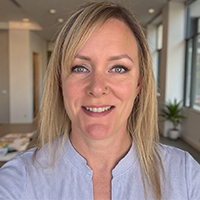
Michelle Sordal - Elected - 11,045 votes
She, her, hers
Biography
I am a proud nurse of 23 years and a long time BCNU activist. I have extensive experience in a variety of union leadership roles and am passionate about advocating for, educating and supporting our members. Some of my priorities are:
- Protect nurses hard earned pensions, by advocating for gender pay equity between nursing and male-dominated professions
- Advocate for income tax act amendments to have nurses included in the definition of Public Safety Occupation
- Continue to provide clear and concise pension education to members
- Contribute to negotiating collective agreement gains through clear, unambiguous language
- Be a strong advocate for you, ensuring voices are heard, valuing the front line
- Lead BCNU in a member-driven, grass roots direction
- Advocate for direct member input
Role based questions
- What experience do you bring related to pensions and/or retirement planning?
I am an experienced pension trustee and trusted educator who has supported thousands of nurses in understanding their pensions and preparing for retirement. I deliver education through workshops, virtual sessions, and one-on-one meetings, and have led town halls on bargaining impacts to pensions across all 16 regions. With extensive training in pensions, finance, leadership, and governance, I provide informed, practical support at every career stage. - How would you advocate for protection of the current defined benefit pension plan and retirement outcomes for all BCNU members?
Our defined benefit pension is a cornerstone of total compensation and a secure, predictable retirement benefit that must be protected. I will advocate to keep it a priority in bargaining, resist erosion and support informed member decision making. I will also advance gender pay equity,addressing the disparity between nursing and male-dominated professions, and its impact on pensions. As BCNU re-engages with the labour community, we can unite in solidarity with brothers and sisters from the public sector to defend and strengthen this benefit for all members. - In what ways do you think pension literacy could be improved among BCNU members?
Improving pension literacy means making education accessible, clear, and relevant at every career stage. I break down complex information into practical guidance across multiple learning modalities and tailor learning for groups like early-career nurses, members on LTD, and those nearing retirement. I've helped create new resources, including a retirement checklist and Pensions 101 module, and deliver workshops, town halls, and one-on-one support to build confidence and informed decision-making. - How would you respond to provincial policy changes that negatively affect nurses transition to retirement?
I would respond to harmful policy changes with strong, proactive advocacy, ensuring members voices are represented and retirement security is protected. I have outspokenly opposed risks to our pension and will continue defending our stable defined benefit plans. I also support retirement improvements in collective bargaining including reinstating sick bank payouts for newer hires and increasing payouts to 100%. My focus is to protect gains while advancing equity and stronger retirement outcomes. - What are your ideas for supporting nurses who are aging in the workforce?
Supporting aging nurses requires cultural change and practical solutions. I support the Senior Nurse Network advancing issues like ageism, menopause and flexible work. I advocate for bargaining solutions such as post-retirement seniority and paid mentorship roles. As Chair of the Retiree Benefit Program, I worked to deliver tangible improvements, including advancing a meaningful interim payment for retirees. I remain strongly committed to sustainable benefits for current and future retirees. - What partnerships would you pursue to enhance members’ retirement security and/or health in retirement, if any?
Partnerships are essential to strengthening retirement security and health outcomes. As a pension board trustee, I work collaboratively with labour partners, employers, and government. I have also partnered with organizations such as the Office of the Seniors Advocate of BC, the Council of Senior Citizens' Organizations of BC, and the Menopause Foundation of Canada to advance issues impacting seniors and retirees. Strengthening partnerships across the labour movement will be key moving forward. - How would you communicate complex pension issues in a way that is meaningful and accessible to members?
Communicating complex pension issues clearly and accessibly is a priority for me. I break down information into practical guidance members can apply to their retirement planning. I meet members where they are through workshops, virtual sessions, and 1:1 support, tailoring content as needed. My goal is to build members' confidence in their pension knowledge by making information not only understandable, but actionable, so they feel informed and empowered to make decisions about their future. - How would you apply the BCNU values of "Integrity" and “Equality” in addressing issues that affect senior members and retirees?
I am committed to upholding BCNU's values of Integrity and Equality in supporting members and retirees. This means being transparent, accountable, and inclusive-ensuring current members and retirees are heard, involved, and supported. I work to remove barriers and meet diverse needs, including helping establish the retiree e-news to keep members connected. Our retirees built this profession and deserve respect, support, and a secure, inclusive retirement. - Describe a public policy initiative you would champion that supports both current and future retirees in the nursing profession.
I would like to see BCNU advocate to recognize nurses as a Public Safety Occupation under the Income Tax Act. While some male-dominated professions receive earlier, unreduced retirement, nurses with comparable risks do not. This change would create a fair, sustainable system for future retirees. I will also continue advocating for gender pay equity, recognizing its direct impact on pension outcomes and retirement security. The female-dominant nursing profession should enjoy the same protections. - What is your vision for the future of retirement in nursing, and how can BCNU lead in shaping that vision?
Nurses are seeking more flexible retirement options. My vision for the future of nursing retirement is a system that is secure, flexible, and supports members at every stage-supports gradual retirement, mentorship roles, or full retirement. BCNU can lead by advocating for strong pensions, encouraging early enrollment, and providing tailored education and resources. By combining advocacy, guidance, and flexibility, we can ensure nurses retire with confidence, dignity, and financial security. - How do you guarantee culturally sensitive interactions with your members?
I approach every member interaction with open dialogue, curiosity, and respect. I check my own biases, avoid assumptions, and invite members to share their needs so I can meet them where they are. Committed to continuous learning and adapting, I strive to ensure all interactions are inclusive, culturally sensitive, and respectful, creating an environment where every member feels heard and valued. - How has your understanding of the principles of diversity and/or equity and/or inclusion evolved?
Over my years with BCNU, my understanding of diversity, equity, and inclusion has grown significantly. I recognize the importance of amplifying marginalized voices and the vital work of equity-seeking caucuses in education, advocacy, and leadership. I personally identify with one caucus and work to address Indigenous-specific racism, striving to be a true ally through action and not just words-calling out inequities, listening, and advocating for meaningful change.
Technical Questions
- What is your experience with Microsoft Word, Excel, and Outlook and what is your ability and willingness to learn new computer platforms and applications (e.g. BoardEffects, Expensify, Formstack, Ceridian Dayforce, ZOOM, Box, etc.)?
I am very familiar with all of the computer applications listed and am comfortable using them. I began this role during the full lockdown of the Covid-19 pandemic and learned quickly how to efficiently utilize all of the platforms required of the job. I have been able to successfully navigate a fully virtual environment and transition back to a hybrid working environment utilizing technology effectively to reach members from across the province. - How would you describe your working knowledge of finance, investments, pensions and retirement business of union members and how, specifically, did you obtain that knowledge?
I have a strong working knowledge of finance, investments, pensions, and retirement through hands-on experience as a pension trustee and formal education in pensions, benefits, retirement planning, finance, leadership, and governance. I review fund performance, investment strategies, and actuarial reports, and use this knowledge to effectively govern the pension plan, advise members, protect retirement security, and advocate for policies that strengthen their financial futures. - Describe how you would access supports and disseminate information needed for members to understand pension, retirement transition, and health and wellness in retirement for nurses?
I will access supports through BCNU staff, pension administrators, and partners, as well as external organizations focused on retirement, health, and wellness. I will share information using workshops, virtual sessions, one-on-one consultations, newsletters, and online modules, tailored to career stage and learning style, ensuring content is clear, practical, and actionable so members can plan for a meaningful retirement and maintain health, wellness and financial stability.
Candidate Attestations
- I have disclosed any other current union, board, employment, or governance roles that may intersect with my duties and responsibilities as a BCNU executive officer if elected.
Trustee, Municipal Pension Plan
Sharon Sponton - 6,939 votes
She, her, hers

Biography
As BCNU Provincial Treasurer, I bring over 20 years of leadership in healthcare, finance, and union governance. I have chaired the Retiree Benefit Fund and completed an MBA, Financial Certification, and Foundations and Advanced Trust Management Standards education. Returning to bedside nursing in 2023 renewed my connection to the workforce and strengthened my resolve to protect members' futures. My focus is on protecting defined-benefit pensions, expanding education, and building stronger connections with retired and late-career nurses. Guided by BCNU values and as a proud Métis leader, I am committed to ensuring every nurse can retire with confidence, security, and respect.
Role based questions
- What experience do you bring related to pensions and/or retirement planning?
As BCNU Treasurer and former Chair of the Retiree Benefit Fund, I oversee the financial sustainability and long-term protection of members' benefits. With an MBA, Financial Certification, and Foundations and Advanced Trust Management training, I combine deep financial knowledge with compassion. Having returned to bedside nursing in 2023, I understand today's realities firsthand and remain committed to safeguarding nurses' retirement security and dignity. - How would you advocate for protection of the current defined benefit pension plan and retirement outcomes for all BCNU members?
Our defined benefit pension represents fairness and respect for a lifetime of service. I will defend it through strong governance, effective bargaining, and proven leadership. Protecting the promise of long-term security and guaranteed retirement income is essential. I also envision new ways to connect with retired nurses through ongoing engagement, mentorship, and advocacy that honour their experience and keep them valued members of our union community. - In what ways do you think pension literacy could be improved among BCNU members?
Every nurse deserves to understand and trust their pension. I will expand education through accessible workshops, digital tools, and short videos that explain topics such as buying back maternity leave or checking pensionable time. By creating engaging, real-life learning opportunities, we can strengthen financial literacy, build confidence, and ensure every nurse feels informed and supported at every career stage. - How would you respond to provincial policy changes that negatively affect nurses transition to retirement?
When government or employer policies threaten members' retirement security, I will act swiftly and strategically using evidence-based advocacy and public campaigns to challenge harmful decisions. Nurses already shoulder overwhelming workloads and emotional fatigue, and threats to retirement compound this strain. By uniting members, engaging media, and amplifying lived nursing experience, I will defend our pension and protect nurses' futures - What are your ideas for supporting nurses who are aging in the workforce?
Nurses who have built their careers caring for others deserve respect, safety, and financial security. I will advocate for meaningful transition options such as mentorship and knowledge-sharing roles that preserve income, benefits, and pension contributions. By creating safer workloads and valuing their expertise, we care for the caregivers and ensure experienced nurses can retire with pride, stability, and the recognition their service deserves. - What partnerships would you pursue to enhance members’ retirement security and/or health in retirement, if any?
Stronger partnerships enhance retirement outcomes. I will work with pension boards, retiree organizations, and benefits providers to create flexible supports that meet evolving member needs. By improving access to financial tools, health benefits, and lifelong learning, nurses can retire with confidence. I will also strengthen opportunities for retired nurses to stay active in BCNU, mentoring, connecting, and advocating for the next generation. - How would you communicate complex pension issues in a way that is meaningful and accessible to members?
Complex pension issues should never feel out of reach. In my current role, I have taught members how to turn complex financial concepts into clear, practical information connected to everyday realities. Nurses making career and retirement decisions need accurate, relatable guidance. Through interactive learning, focused updates, and open communication, I help nurses understand their options and feel confident about their financial future. - How would you apply the BCNU values of "Integrity" and “Equality” in addressing issues that affect senior members and retirees?
Integrity means acting with transparency, accountability, and care for members in every decision. Equality ensures that all nurses, especially senior and late-career members, have fair access to information, benefits, and opportunities that protect their retirement security. I lead by listening, valuing experience and diversity, and making honest, inclusive decisions that honour every nurse's lifetime of service and contribution. - Describe a public policy initiative you would champion that supports both current and future retirees in the nursing profession.
I will champion a policy that strengthens retirement security and post-career engagement for nurses by supporting defined-benefit stability through the Municipal Pension Plan. Working with BCNU's Senior Nurses' Network, I will advocate to expand access to the Retiree Benefit Program and promote mentorship opportunities that allow senior nurses to share expertise. This approach protects pensions, sustains knowledge, and values nurses long after active practice. - What is your vision for the future of retirement in nursing, and how can BCNU lead in shaping that vision?
My vision is a retirement where nurses remain connected and valued within our professional community. BCNU can lead by creating a retiree network similar to the Edmonton Fire Department's, featuring structured mentorship, social, and volunteer programs that strengthen belonging. Through regular communication, education, and advocacy, we can ensure nurses stay engaged and supported long after they leave active practice. - How do you guarantee culturally sensitive interactions with your members?
As a proud Métis leader, I approach every interaction with humility, empathy, and cultural safety. Guided by BCNU's Human Rights and Equity principles, I practise anti-racism, trauma-informed communication, and truth and reconciliation. I ensure culturally safe interactions by listening first, seeking understanding, using inclusive language, and creating spaces where all members feel respected, valued, and supported across our diverse profession. - How has your understanding of the principles of diversity and/or equity and/or inclusion evolved?
My understanding of diversity, equity, and inclusion has deepened through leadership and lived experience. I apply the Truth and Reconciliation Commission's Calls to Action 18, 23, 24, and 57, and the UN Declaration on the Rights of Indigenous Peoples, as guiding principles in my work. I challenge barriers, amplify marginalized voices, and help BCNU embed reconciliation, fairness, and cultural safety into decisions, governance, and education.
Technical Questions
- What is your experience with Microsoft Word, Excel, and Outlook and what is your ability and willingness to learn new computer platforms and applications (e.g. BoardEffects, Expensify, Formstack, Ceridian Dayforce, ZOOM, Box, etc.)?
As BCNU Provincial Treasurer, I bring over 20 years of leadership in healthcare, finance, and union governance. I have chaired the Retiree Benefit Fund and completed an MBA, Financial Certification, and Foundations and Advanced Trust Management Standards education. Returning to bedside nursing in 2023 renewed my connection to the workforce and strengthened my resolve to protect members' futures. My focus is on protecting defined-benefit pensions, expanding education, and building stronger connections with retired and late-career nurses. Guided by BCNU values and as a proud Métis leader, I am committed to ensuring every nurse can retire with confidence, security, and respect.
I am highly proficient and experienced in Word, Excel, Outlook, BoardEffects, Dayforce, and Zoom, using these platforms daily to support financial analysis, governance materials, and secure communication. As Provincial Treasurer, I apply technology to enhance transparency, efficiency, and member connection. Strong systems ensure accountability and timely, accurate information on financial performance, benefits, and pensions. - How would you describe your working knowledge of finance, investments, pensions and retirement business of union members and how, specifically, did you obtain that knowledge?
My financial expertise combines advanced education and governance experience. With an MBA, Financial Certification, and Foundations and Advanced Trust Management training, I oversee budgets, investments, and benefits with diligence and integrity. Through my governance work on the Retiree Benefit Program and by teaching members each year about BCNU's audited financial statements, I promote transparency and protect pensions and long-term security. - Describe how you would access supports and disseminate information needed for members to understand pension, retirement transition, and health and wellness in retirement for nurses?
With advanced education in business, finance, and pension governance, I bring the expertise needed to provide members with clear, trusted information about their financial future. I will strengthen BCNU education, digital communication, and outreach so every nurse feels informed and supported. My commitment extends beyond active members to our retired nurses, ensuring their lifetime of care remains valued, protected, and connected to our union family.
The nominations committee has confirmed all provincial candidates running for a position in the 2026 BCNU elections. The campaign period is open. BCNU is not responsible for content, spelling, grammatical or style errors made by candidates in their submissions*. Candidates are required to follow all election-related rules and policies.
*Candidates only: if you notice that the copy in your online profile does not match what you submitted, please email elections@bcnu.org.
All provincial candidates have affirmed yes to attestations (1-10) below:
- I am a member in good standing of BCNU, with no outstanding disciplinary proceedings, and meet all BCNU Constitutional and Bylaw eligibility criteria for the position I am seeking.
- I commit to upholding BCNU’s Constitution and Bylaws and the Policies and Procedures, and will engage in ethical, respectful, and inclusive conduct during the election and throughout any term in office.
- I have reviewed and understand the fiduciary duties and responsibilities as described in Policy 2.0.1 and in the job description, including the duties of care, loyalty, compliance, confidentiality, and accountability to BCNU’s vision, mission, values, and members.
- I affirm that I will protect and safeguard any member information, BCNU internal documents, or confidential records that may be made available to me during the course of this election or while in office.
- I will disclose any real, perceived, or potential conflicts of interest prior to or during my candidacy and, if elected, will comply with all conflict-of-interest policies and governance requirements.
- I have reviewed and understand the election code of conduct as stipulated in Policy 2.0.7, including the guiding principles for BCNU elections, candidate and BCNU member roles and responsibilities, and the rules pertaining to campaign materials.
- I will not engage in any campaigning, communications, or actions that may be reasonably understood to involve misinformation, personal attacks, or harassment, and I understand that such behaviour may result in immediate removal from the election process.
- I am legally eligible to serve as a director of a not-for-profit society under the Societies Act of British Columbia, and I affirm the following:
- Am at least 18 years of age
- Have not been found incapable of managing my own affairs.
- Have not been convicted of an indictable offense (unless granted a pardon).
- Am not an undischarged bankrupt.
- I hold current registration in good standing with the British Columbia College of Nurses and Midwives (BCCNM) and confirm there are no current findings of professional misconduct, suspension, or conditions on my nursing license.
- I understand that all attestation statements are subject to verification by the BCNU Nominations Committee, and false declarations may result in immediate disqualification from candidacy or immediate removal from elected office.