

 Coastal Mountain Candidates
Coastal Mountain Regional Executive Election Results
Regional Council Member
Genevieve Dallimore – Acclaimed
She, her, hers

Biography
My name is Genevieve Dallimore- I have been a PHN for 20 years, and a Steward for 14 years. I hold Certified Practice in CM/STI, and I have a Master's Degree in Nursing. I have experience as a FT Steward, PR Advocate, and as the WWD Caucus Rep. I sit on my local JOHSC for Community Health. I am a staunch advocate for nurses' rights, safe provision of care, and nurses' health and safety. I am an outspoken advocate for improving working condition, nursing workloads, and the importance of psychological health and safety. My mission is to ensure that member interests are served in accordance to BCNU's vision and values. I will be accountable to members in the region. I am seeking your vote for the role of Regional Counsel Member.
Role based questions
- What do you see as the primary role of a regional council member in a member-driven union?
The primary role of a RCM is one of leadership and representation- acting as a voice for the membership by bringing concerns, priorities, and feedback to the larger counsel. RCMs oversee regional operations, support the regional executive team, and aim to engage membership on Union activities, including collective bargaining, campaigns, and strike efforts. - What is the single most important value a regional council member must have, and why?
Accountability. Accountability to the membership: in a member-driven Union, the RCM must listen to the membership, act in their best interests, and ultimately, answer to the membership. Additionally, integrity is important because, with it comes honesty and ethical practice, both of which are integral in a leadership role. - How can technology be used to strengthen member engagement, democratic participation, and accountability in the union - and what safeguards are necessary to ensure equity, privacy, and trust?
Technology can strengthen engagement by expanding membership participation through the use of online platforms (Zoom), reaching membership that may not be able to participate otherwise (geographical barriers); increase democratic participation by making voting more accessible (online voting); and digital tools have the capacity to increase transparency and trust. Paramount in the utilization of technology is the focus on member privacy - protecting information and data, thus secure networks key. - Describe your approach to listening to members who may feel unheard, marginalized, or frustrated with BCNU?
Create a safe space so that the members can openly express their perspective; active listening without defensiveness is important. Use motivational interviewing techniques, such as open-ended questions, to seek a better understanding of their viewpoint. Validate or acknowledge what they are saying. Be transparent about boundaries/follow-through, and do not over-promise. Follow-up with the member if needed to 'close-the-loop.' - How do, or would, you approach conflict (i.e., between members within regional teams and/or Council, or between BCNU and the employer) while maintaining professionalism and fairness?
Make it is about the issue, and not the person- that the conflict is a shared concern. The issue is not personal. Utilize union policies and bylaws to frame the conversation, especially if there is a governance issue involved. Ascertain each perspective, mitigate bias, and use reflective practices to confirm viewpoints. Use climate goals if required, to bring the conversation back to the identified concerns. Look for a resolution, or compromise if you can. Summarize the conversation. Document. - How do you balance representing the will of members with responses to uphold bylaws, policy, collective agreements, and human rights obligations?
The will of the membership is essential; however, it is not limitless- members are still bound by collective agreements, policies, and bylaws, in the functioning of union activities and in their conduct. Human rights are an added component to the work of the union and provide an ethical/legal framework to member representation. Through the democratic process - Convention - the will of the membership is heard and democratic rights are exercised. - What past experience best prepares you for this role as regional council member, and what lessons from that experience will guide your work?
The experience that best prepares me for this role is my work as a Contact Tracing Lead during COVID-19, where I led and coordinated a team of 25+ professionals and ensured accurate, timely reporting to public health leadership. I made decisions in a fast-paced environment, communicated them transparently, and delegated effectively. This strengthened my leadership, accountability, and commitment to fair, informed decision-making. - How do you communicate complex or controversial decisions to members in a way that builds trust, even when members disagree?
Explain what the decision is in plain language and avoid trying to 'sell' it. Clearly outline how member input shaped the outcome, what constraints influenced the decision, and which options were considered- including why some were not chosen. Acknowledge that members may disagree, as this demonstrates that dissent is being heard rather than dismissed. Finally, create a safe space for open dialogue and response. - How do you ensure your decisions are informed by evidence, member input, and long-term considerations, rather than urgency or pressure?
Not every issue requires an immediate decision- separate urgency from importance by slowing down. Try to prevent a reactive decision as there is a potential for subsequent regret. Anchor the decision with evidence, input (i.e. votes, surveys), and evaluation of long-term impacts (i.e. is this precedent setting?) using policy, bylaws (if needed), and the collective agreement. Consider the DEI lens, and whether this is a component of the decision. - Describe a concrete example where you used technology to improve communication, decision-making, or organizing. What worked, what didn’t, and what would you do differently as a union leader?
I used a digital tracking systems and real-time tools to coordinate communication, support decision-making, and ensure accurate reporting. Centralizing information improved clarity, reduced duplication, and helped teams track priorities. Challenges included information overload and inconsistent engagement, which led to gaps in communication. I learned technology must be structured and accessible; as a leader, I would limit platforms, set clear expectations, and use tools to support transparency. - How do you guarantee culturally sensitive interactions with your members?
Culturally sensitive interactions require continuous learning, as one-off training limits growth. This includes understanding historical harms, their impact on systems, and recognizing personal bias. I prioritize listening without assumptions and recognize that lived experience shapes perspective. Maintaining an inclusive, respectful environment is essential, as is addressing discriminatory behaviour promptly and consistently to reinforce accountability and trust. - How has your understanding of the principles of diversity and/or equity and/or inclusion evolved?
My understanding of DEI has evolved through healthcare, union work, and lived experience as a worker with a disability. I now see DEI as structural, not just interpersonal-focused on how systems, policies, and decision-making create barriers and inequities. It's about whose voices are heard and represented. I've learned equity often requires different approaches to achieve fair outcomes and demands ongoing reflection, accountability, and action.
Technical Questions
- What is your experience with Microsoft Word, Excel, and Outlook and what is your ability and willingness to learn new computer platforms and applications (e.g. BoardEffects, Expensify, Formstack, Ceridian Dayforce, ZOOM, Box, etc.)?
Extensive experience with Word, Excel, and Outlook. I use Box in my current OHS Exec. role. Absolutely willing to learn new platforms. - Where and how have you developed your historical and technical base of understanding in all areas of the union’s work including bargaining and BCNU policies and procedures?
I have been a steward since 2012. In addition to my current OHS role, I have also been in the PR role, and as the WWD cacus rep. I am well versed in collective bargaining, and wrote multiple proposals for the current bargaining round. - How would you describe your understanding of budgets and financial statements and the general structure and function of BCNU’s financial systems as well as the broad economic picture of BCNU?
I would say I am proficient, but am always willing to learn more.
Communications Secretary
Shawntel Hildebrandt - 335 votes
She, her, hers
Biography
I am running in this election hoping to be re-elected for the position of 'Coastal Mountain Communications Secretary'. As the Coastal Mountain Communications Secretary (current & since 2018) I have had the opportunity & pleasure to help support, advocate for, & serve the Coastal Mountain region & it's members. I have been an active steward within the region since 2013, when I became a worksite steward coordinator. During the last round of bargaining I also served as an elected member on the Provincial Job Action Committee.
I have a great deal of skills, knowledge, & experience which are necessary to be effective & efficient in both this position & as a member of the regional executive team. I am a team player, reliable, organized, committe
Role based questions
- How would you ensure regional communications are timely, accurate, and accessible to members with diverse needs and communication preferences?
-I would consult with others before sending members any information to ensure all information is accurate & relevant
-To help ensure communication is timely I would set myself task/to-do reminders in calendar
-Inform other members of regional executive team of timelines/how far in advance to send me any information that is to be shared/communicated with members to ensure that it can be communicated to members in timely manner
-ensure that ways information is sent & platforms used is accessible - What tools or platforms have you used for newsletters, social media, or websites, and how would you use them to strengthen member engagement?
-The tools & platforms that I have used for this are: cvent, campaigner, Microsoft word, PowerPoint, slido, surveymonkey
-Use platforms/tools to strengthen members engagement by informing & communicating things such as any events (community, worksite, union meetings & events, outreach tours & events, etc.) & use wording, formatting, visuals, that helps to encourage members to engage
-When sending any communication that has subject lines I would ensure that they are short & direct - How would you communicate difficult or controversial decisions while maintaining transparency and member trust?
-I would try to maintain & create an open culture of communication with members
-Ensure any communication to members is neutral in nature by using neutral & open wording & behaviours
-Ensure any communication is done in a professional manner
-When or where necessary I would provide members with any relevant rationales & facts consult with other staff &/or team members first before communicating any information with members to help ensure all information is accurate & relevant - If misinformation begins circulating among members, how would you respond quickly and responsibly?
-report this as appropriate & if needed to any proper parties
-consult with others before responding to ensure that proper & accurate information is shared/sent to members
-Ensure that I obtain accurate facts & information first before sending members any communications
-If & when necessary I would request a zoom check-in meeting with the regional executive team to discuss amongst team any information & facts to ensure that we all have the same information & directions to help prevent any misco - How would you work with other regionally elected leaders, Council, and BCNU staff to ensure consistent messaging across the region?
-I would consult with them when necessary to ensure that information sent is relevant & is only sent by necessary parties using platforms & tools that are BCNU approved & recommended
-I would refer to BCNU's 'style guide' to ensure consistency with things such as wording, formatting, visuals, & styles of how information is sent & to ensure that any communication is consistent & meets BCNU's branding across all platforms & programs used for communications - How do union values such as integrity and solidarity inform how information is shared?
helps to ensure that all relevant members are getting the same & necessary information
-To maintain integrity I would try to ensure communication is kept honest, respectful, & transparent & maintain accountability for all information/communications sent
-I would try to ensure that any communication sent helps to promote unity (& not any kind/form of division) of members & has shared goals
-Try to help make all members feel heard & relevant - Why do you want to serve in the role of Communications Secretary, and how will you ensure communications reflect member priorities and BCNU's Strategic Directions, rather than personal opinions?
"-I have enjoyed doing this role since 2018 & would like to continue -To continue serving members
-Maintain neutral & professional -Listen to & review members feedback & reflect on it regarding any common workplace & current/up to date issues,
-Ensuring that I stay up to date with any current, relevant, or ongoing nursing related issues which will help to ensure & set priorities for communicating with members
-I will try to maintain neutral, open, professional levels of communications with - How has your understanding of the principles of diversity and/or equity and/or inclusion evolved?
-I am & continue to be more informed & aware of relevant & related issues
-I have become more aware of DEI resources available
-Due to more education & information received I have a greater awareness of what DEI is, related issues & how to address anything related. I have also become more comfortable in addressing & speaking out on any related issues when I learn of them either to/with members or involving a larger group (such as worksite units, or worksites as a whole) - How do you ensure your decisions are informed by evidence, member input, and long-term effects rather than urgency or pressure?
-Not allowing pressure from others who may believe or assume something is of urgency based on their personal feelings or beliefs -Stay up to date & educated on relevant issues
-Encourage members to reach out to necessary parties when & as necessary & to provide any feedback, especially after attending any meetings or events
-Ensure that members are aware that any event/meeting feedback received will maintain anonymous & all feedback will be reviewed & discussed amongst regional executive team
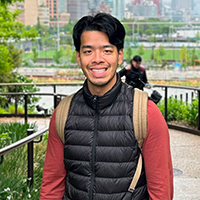
Henry Wen - Elected - 481 votes
He, him, his
Biography
I am committed to empowering members through a strong understanding of the collective agreement and advocating for fair and safe workplaces. In my current role as Professional Responsibility Advocate & through providing vacation coverage for the FTS, I've had the privilege of supporting members.
I'm excited to apply for the role of Communications Secretary, as it aligns with my strengths in organization, information sharing, and event coordination. You may have seen the new Coastal Mountain newsletters at your sites-that's a project I initiated to keep members connected and informed. I look forward to continuing to enhance clear, accessible, and engaging communication across our region. I've also been told I'm a tech wizard!
Vote for me!!
Role based questions
- How would you ensure regional communications are timely, accurate, and accessible to members with diverse needs and communication preferences?
I would maintain an organized schedule of upcoming events and key timelines, allowing me to send invitations and reminders in alignment with BCNU policies and procedures. I would regularly review and update both the Coastal Mountain Executive and BCNU events calendars to keep the executive team and members informed with the most current information. Recognizing our members' diverse communication preferences, I would use email updates, newsletters, and in-person site visits. - What tools or platforms have you used for newsletters, social media, or websites, and how would you use them to strengthen member engagement?
I have developed and distributed quarterly newsletters that highlight key updates, upcoming events, and important contact information. These newsletters serve as an accessible resource for members, helping to foster connection and discussion within BCNU. I use digital tools and templates to ensure the newsletters are visually engaging, easy to navigate, and inclusive in their content and language. I also gather member feedback to continuously improve the newsletter - How would you communicate difficult or controversial decisions while maintaining transparency and member trust?
Before communicating any decision, I liaise closely with the executive team and consult the appropriate resources to ensure the decision aligns with BCNU's vision, mission, and member interests. When communicating with members, I emphasize the reasoning behind the decision, acknowledge differing perspectives, and provide space for constructive dialogue. This approach helps maintain transparency, reinforce trust, and ensure members feel heard, even when outcomes are challenging. - If misinformation begins circulating among members, how would you respond quickly and responsibly?
If it were spreading through social media, I would work closely with BCNU Communications staff to determine the most appropriate and coordinated response. If the misinformation were circulating through word of mouth, I would connect with stewards and the executive team to conduct site walkabouts and share accurate, up-to-date information directly with members. This approach helps ensure clarity, trust, and consistency in communication across all platforms. - How would you work with other regionally elected leaders, Council, and BCNU staff to ensure consistent messaging across the region?
To effectively collaborate with the various teams within BCNU, I would review the current organizational campaigns and assess which initiatives require the highest priority at a given time. For instance, at present, bargaining and job action are key regional priorities that require focused communication and coordination. I would also align all messaging with the regional 2026 Strategic Plan to ensure consistency with the goals and direction. - How do union values such as integrity and solidarity inform how information is shared?
Integrity and solidarity are essential values for every elected leader and staff member within BCNU. Upholding these values ensures that our actions reflect the trust and responsibility placed in us as representatives of the union. Integrity builds credibility and fosters confidence-once lost, it is extremely difficult to regain. Likewise, solidarity among members is the foundation of our collective strength; without it, our ability to advocate effectively is diminished. - Why do you want to serve in the role of Communications Secretary, and how will you ensure communications reflect member priorities and BCNU's Strategic Directions, rather than personal opinions?
I want to serve as Communications Secretary because my strengths in organization, time management, and communication align with the role. Members rely on accurate, trustworthy information, so I ensure all messaging reflects BCNU's Strategic Directions and collective values-not personal opinions. I verify information carefully to prevent misinformation and aim to promote transparency, trust, and alignment with BCNU's vision. - How has your understanding of the principles of diversity and/or equity and/or inclusion evolved?
Before joining BCNU activities, my understanding of diversity, equity, and inclusion (DEI) was limited. Through regional discussions, collaboration with DEI Stewards, and conversations with members, I've come to appreciate DEI's importance in fostering belonging and fairness. I now view it as not just representation, but active work to address systemic inequalities-an understanding that continues to guide my leadership approach within BCNU. - How do you ensure your decisions are informed by evidence, member input, and long-term effects rather than urgency or pressure?
I make decisions based on evidence, member input, and long-term impact by aligning them with BCNU's Strategic Directions and core values. I gather relevant information, consult with the executive team and staff members when needed, and consider both current and future implications to ensure thoughtful, transparent decisions that serve the collective interests of our membership.
Lobby Coordinator
Angela Crawford – Acclaimed
She, her, hers

Biography
I'm Angela Crawford (she/her), I live and learn on the unceded lands of the Coast Salish peoples. I'm an IEN from Scotland; my nursing career has spanned 4 decades. Currently I am the Coastal Mountain RCM. I have always been a strong advocating 'voice' for nurses, safe patient care and a publicly funded health care system. As a Lobby Coordinator I will elevate the voice of nurses, including retired & student nurses, by engaging with all levels of government and community groups to discuss member issues and advance nurses' interests. I commit to fighting for nurses' rights! I have a curious mind, a critical thinker and work collaboratively with others to build positive, productive relationships, whilst advocating and supporting BCNU nurses!
Role based questions
- What is the role of a Lobby Coordinator, and how does it support members’ interests?
Regional Lobby Coordinators engage with all levels of government, municipalities and community groups to discuss regional member issues and concerns to advance member interests (including retired and student nurses). They are BCNU stewards for the region and support and fights for member rights. They commit to working with BCNU Council, the Provincial and Region Lobby Coordinators, their Regional Council Member, fellow Regional Executive Committee, and the regional membership. - How would you identify and prioritize political or legislative issues that matter most to members?
By being current and aware of political and/or legislative issues that matter to members and incorporate BCNU's Strategic Directions and Coastal Mountain Regional Plans when addressing concerns. I commit to working with BCNU Council, the Coastal Mountain Regional Council Member and the Regional Executive Committee to ensure I am aware of, and address issues, at all levels of government, municipalities and community groups, to ensure issues that matter most to the Coastal Mountain members heard. - How would you communicate BCNU positions effectively to elected officials or decision-makers?
By working with the Provincial Lobby Coordinator, and fellow Regional Lobby Coordinators, and being aware of BCNU's Strategic Directions, campaigns, and Regional Plans, to accurately and effectively communicate the BCNU position. I commit to being prepared to meet with elected officials and decision-makers. Being cognizant when that I am speaking on behalf of the BCNU and members, I do not convey my personal opinions. - How would you ensure your advocacy reflects BNCU's Strategic Directions rather than personal political views?
Liaise with the Provincial Lobby Coordinator and Regional Lobby Coordinators, and incorporate the BCNU's Strategic Directions, campaigns, and Regional Plans, to ensure I accurately and effectively communicate the BCNU position. When meeting with elected officials and decision-makers on behalf of the BCNU and members, I follow BCNU Constitution & Bylaws and policies, to ensure I do not convey my personal opinions. Reflect on my personal opinions if they do not align with the BCNU's position. - How would you work with members, regional elected leaders, coalitions, and community partners to advance BCNU goals?
By engaging with members at their worksites and at community, regional and provincial BCNU events to hear the voices and concerns of our members. I would create space to work with and engage with elected leaders, coalitions, and community partners in conjunction with liaising with the BCNU Provincial Lobby Coordinator group, incorporating the BCNU's Strategic Directions and Regional plans, I would elevate the members voice, by sharing their stories, whilst maintaining their confidentiality. - How would you navigate political pressure while maintaining information and union integrity?
By being aware of nursing issues and BCNU initiatives by actively engaging with the Provincial Lobby Coordinator and Regional Lobby Coordinators. Participate in BCNU Lobby Coordinator education to ensure I am prepared for meetings with local and provincial elective official and community leaders, speaking with a shared vision and voice of the BCNU which reflects BCNU's Strategic Directions. - Why do you want to serve in the role of Lobby Coordinator, and how will BCNU values guide your political advocacy?
I've have had a long and varied nursing career spanning over 4 decades. I am and will always be a strong advocate for nurses, patient care and the publicly funded health care system, which aligns with the BCNU mission, vision and values. I believe I have a strong awareness of many of the challenges our members experience in the workplaces and lives. I believe I can be a loud, strong, respectful and effective voice to elevate our member concerns at all levels of government and community groups. - How has your understanding of the principles of diversity and/or equity and/or inclusion evolved?
My understanding of the principles of diversity, equity and inclusion have evolved through ongoing education, participating HRE conferences, speaking with and listening to others to understand how they are constituted and situated within their lives, communities and workplaces. I believe it is through engaging with members, hearing their stories and perspectives I will strive to create a culture where members feel safe, valued and a feeling of belonging within the Coastal Mountain region. - How do you ensure your decisions are informed by evidence, member input, and long-term effects rather than urgency or pressure?
I commit to collaborating with Council, BCNU Staff, the Provincial Lobby Coordinator Group, and the Regional Executive Committee to ensure member engagement and meetings with local and provincial elective official and community leaders will accurately convey BCNU communications, campaigns and Strategic Directions. Which are informed by member input and evidence, with the aim of long-term proactive outcomes for the nursing profession, members, patients and publicly funded health care.
Mental Health Representative
Leanne Sproule – Acclaimed
She, her, hers

Biography
As a Registered Psychiatric Nurse, Clinical Coordinator, BCNU JOHS Representative, and current Coastal Mountain Regional Mental Health Representative, I bring both professional expertise and lived experience to this role. My own workplace mental health injury has strengthened my commitment to advocating for meaningful, system-level change. I am a strong, consistent voice for psychologically safe workplaces, promoting members' rights, advancing education, and ensuring access to supports. I actively challenge stigma, elevate member concerns, and work collaboratively to drive accountability. My focus is on ensuring members feel supported, heard, and equipped to advocate for their own well-being.
Role based questions
- What do you see as the key responsibilities of a Mental Health Representative within the union?
The Mental Health Representative serves as a trusted partner to OHS Stewards and the regional executive, ensuring workplace decisions reflect members' psychological well-being. Through education and advocacy, they support the National Standard and help reduce stigma. They also provide confidential, empathetic support to members, fostering a culture of psychological safety where individuals feel heard, valued, and supported. - How would you balance support for members’ mental health and BCNU's Strategic Directions?
As a Mental Health Representative, I would advance BCNU's strategic direction through education, advocacy, and collaboration. I would promote awareness of psychological safety standards, support efforts to reduce workplace violence, and encourage reporting of concerns. I would advocate for employer accountability while empowering members to access supports and education. Reducing stigma and fostering open dialogue would help create safer, healthier workplaces. - How would you promote mental health awareness and reduce stigma among members?
I would promote mental health awareness by normalizing it in everyday practice through listening, kindness, and culturally safe workplaces. I would encourage open dialogue, support reporting of safety concerns, and ensure members feel heard and supported. By promoting resources, a trauma-informed approach, and leading by example, I would help reduce stigma and foster a culture where mental health is prioritized. - How would you respond when members are in distress or facing systemic mental health challenges at work?
Members in distress need timely, compassionate support. I would respond quickly, offering a safe, confidential space and listening without judgment. I would work with them to identify needs and provide practical help connecting to supports and resources. Using a trauma-informed, strengths-based approach, I would meet them where they are, reduce barriers, and ensure they feel supported and not alone. - How would you work with stewards, health and safety reps, regionally elected leaders, and BCNU staff mental health issues?
I would work collaboratively with Stewards, OHS representatives, regional leaders, and BCNU staff, valuing diverse perspectives and lived experiences. I would maintain open communication, identify trends, and share concerns to support coordinated responses. Committed to ongoing learning and self-awareness, I would seek guidance when needed. My approach is grounded in respect, collaboration, and continuous improvement to support members' mental health. - How do diversity, equity, and inclusion inform your approach to mental health advocacy?
I promote diversity, equity, and inclusion by ensuring members feel heard, respected, and valued. I actively listen to diverse perspectives and create inclusive, culturally safe spaces where all voices contribute. Using a trauma-informed approach, I provide flexible, accessible support and promote BCNU resources. As both a supporter and educator, I work to reduce bias and foster safe, inclusive workplaces for all members. - Why do you want to serve in the role of Mental Health Rep, and how will you ensure members’ lived experiences shape your work?
I want to serve as a Mental Health Representative to support members facing mental health challenges. Guided by empathy and active listening, I recognize how lived experience shapes workplace well-being. I would create safe, respectful spaces for members to share openly and use their experiences to inform advocacy. My goal is to ensure members feel heard, supported, and empowered while advancing safer, psychologically healthy workplaces. - How has your understanding of the principles of diversity and/or equity and/or inclusion evolved?
My understanding of diversity, equity, and inclusion has grown through education and experience, particularly learning about the impacts of colonization and Indigenous lived experiences. This has strengthened my commitment to Truth and Reconciliation and informed a culturally safe, respectful approach. I value diverse perspectives, strive to reduce barriers, and remain committed to ongoing learning to support inclusive, psychologically safe workplaces. - How do you ensure your decisions are informed by evidence, member input, and long-term effects rather than urgency or pressure?
I ensure decisions are guided by member input, evidence, and long-term impact through listening, collaboration, and reflection. I value lived experience, apply best practices, and consult with Stewards, OHS, and BCNU staff. While responding promptly, I consider sustainability and alignment with BCNU priorities. Through self-awareness and seeking guidance when needed, I aim for decisions that are thoughtful, consistent, and supportive.
Occupational Health and Safety Representative
Janan Au - Elected - 431 votes
She, her, hers

Biography
Currently working in post-anesthetic care and a Joint Occupational Health and Safety Rep at Lions Gate Hospital, I am also continuing my education pursuing a certificate in Occupational Health and Safety at BCIT. Prior to nursing school, I completed a degree in health studies where I gained a strong passion for public health after learning how impactful policies and regulations can be to improve a populations' health. Having recently returned to work after a workplace injury, I have a unique understanding of how stressful it can be and how important occupational health and safety is. I hope to bring my passion and tenacity to get things done to support my colleagues towards a healthier self, and a safer workplace.
Role based questions
- What experience do you have with workplace health and safety, and how would you advocate effectively for safer workplaces?
I have a baccalaureate in health studies, continuing my education at BCIT for an occupational health and safety certificate, and am currently a joint occupational health and safety rep at Lions Gate Hospital. I have personal experience with a work injury that provides me with a unique understanding of barriers to safer workplaces. I believe that a culture shift surrounding workplace hazards needs to happen including increased awareness, understanding, and reporting. - How do you stay informed about occupational health and safety legislation and best practices?
I am continually seeking to improve my knowledge through education such as at BCIT as well as courses that BCNU offers. I refer to JOHSC meeting minutes and local regulator websites for information, such as WorkSafeBC, or affiliated safety groups. - How would you identify and prioritize health and safety risks affecting members in diverse workplaces?
I would do walk-abouts and inspections in various areas of work, consulting with local staff that have front-line experience and knowledge of hazards within their workplace. I would use a risk analysis to determine what hazards pose the greatest risk in terms of their probability and level of impact. I would also look at patterns and trends that could point towards hazards and risks that take priority. - How would you handle disagreements with employers on safety issues?
I would try to understand the employers perspective and frame the situation as an issue for both parties, that our concerns are interests are in their best interests as well. I would be citing legislation and regulations if applicable. I would aim to see it from their perspective so that we can get on the same page and tackle the problem together. I would also seek help from the OHS team at BCNU to see if they have any recommendations or experience that may help. - How would you explain safety rights or hazards to members and stewards in a clear and practical way?
I like to use relatable examples to help others understand, aiming to tailor it to their place of work or situation. I also understand that people have different ways of learning and understanding so I would try to tailor my teaching in that way too. For example, some people prefer to read, others learn better through hearing or watching someone else, others learn by doing. - How would you work with stewards, regionally elected leaders, Council, and BCNU staff to advance BCNU's Strategic Directions?
I am more technically savvy so I can help with the implementation of a new website, app, or other tools to help engage our members in a way that is accessible to them. I think I have a unique ability in 'knowledge translation', which just means taking information and 'translating' it into an accessible 'language' that your audience can understand which could help to strengthen our union as well. With my unique skills, I would be a great addition to the team to advance BCNU's Strategic Directions - Why do you want to serve in the role of Occupational Health and Safety Rep, and how will you ensure members’ safety concerns drive your work?
I have a great passion for public health and appreciate how one policy can make a positive impact on an entire population. I would strive to stay connected to members by understanding the best ways to engage with them, listening to their concerns. I have done a lot of work to understand my own biases, striving to understand and look at situations how others may experience them, which helps me to stay connected and ensures members' safety concerns drive my work. - How has your understanding of the principles of diversity and/or equity and/or inclusion evolved?
My intersectionality as a female, third generation immigrant from a low-middle income class home has given me lived experience that provides me with a foundation of diversity, equity, and inclusion. My education has expanded this understanding, helping me to become aware of others' lived experiences that differ from my own which has evolved over the years as I connect and engage with more people from diverse backgrounds. - How do you ensure your decisions are informed by evidence, member input, and long-term effects rather than urgency or pressure?
I try to look at the information with objectivity by doing a check-in with myself. This helps me to understand my biases and be aware of where I'm at in the present, which can otherwise impact my decision-making abilities. When you are aware of these things, you're better able to see a situations for what they are and make decisions objectively. It is also helpful to talk through these decisions with your team (if permitted) to receive any feedback.
Jeanneth Jacome - 358 votes

Biography
With over 18 years as an advocate and active steward, I bring extensive experience in Occupational Health and Safety (OHS), mental health advocacy, and member representation. As a former Full-Time Steward, JOHS Co-chair in Fraser Health, and member of the BCNU OHS Steering Committee, I've lobbied and led campaigns that improved safety protocols and workplace well-being. My objective is to strengthen collaboration with employers, ensure safer, psychologically healthy worksites, foster safety compliance and risk mitigation, and continue mentoring new stewards to carry this vital work forward. I plan to continue supporting members and being a trusted resource for OHS issues at the worksite.
Role based questions
- What experience do you have with workplace health and safety, and how would you advocate effectively for safer workplaces?
I have JOHS and steward training, including serving as Co-Chair JOHS committee and training while I was a Full Time Steward (2020-2025). My work focused heavily on OHS, accident investigations, member advocacy, and workplace safety education. I've negotiated safer practices, including parking protocols for DTES nurses, and I continue to support members, raise safety concerns, and promote a safe, informed workplace. - How do you stay informed about occupational health and safety legislation and best practices?
I stay current by reading BCNU eNews, visiting worksites to speak with members, and reviewing legislation, including WSBC, BCCNM, and Ministry of Health standards. I check policies and procedures for safety compliance, take courses to update my skills, and monitor legislative changes so I can inform members and support employer compliance. I also use BCNU resources such as the library and OHS support when needed. - How would you identify and prioritize health and safety risks affecting members in diverse workplaces?
I would identify risks by site, role, and type of work, since one size does not fit all. I would involve workers from all backgrounds, review any Violence Risk Assessments, and assess hazards by severity, likelihood, and impact on vulnerable groups. I would use inspections, worker feedback, and near-miss reports to rank risks, address the highest priorities first, and regularly review safety measures/plans as conditions change. - How would you handle disagreements with employers on safety issues?
I would listen to what they have to say. I would try to understand where they are coming from and why they disagree. I would look for any legislation/case law, or other areas/worksites where similar safety issues occur and try to see what solutions they came up with. I would use this to support my concerns and try to come up with solutions that adhere to policy. I would advocate for the members, and if necessary escalate the issue to leadership and/or BCNU OHS support in discussions w/ employer - How would you explain safety rights or hazards to members and stewards in a clear and practical way?
I would first meet with & listen to members and assess their understanding, then explain their safety rights and hazards in plain language based on their needs. I would use site visits, BCNU OHS materials, and practical examples to show what hazards to watch for and why. I would also encourage reporting near-misses and incidents, and support learning through Q&A sessions and lunch-and-learns where we can have open communication and answer any questions. - How would you work with stewards, regionally elected leaders, Council, and BCNU staff to advance BCNU's Strategic Directions?
I would work with them through regular communication, site updates, and active participation in meetings and conferences. I would support strategic planning by reviewing action plans, using data to present clear reports, and collaborating with other members of the regional executive and mental health reps on OHS priorities. I would also build a strong network of site reps to improve member engagement across the region. - Why do you want to serve in the role of Occupational Health and Safety Rep, and how will you ensure members’ safety concerns drive your work?
I am a fierce advocate for occupational safety including mental health. I want to serve as OHS Rep because I'm committed to safer, psychologically healthy workplaces and have seen how serious OHS and mental health issues can be. I will center members' concerns by listening carefully, building trust, communicating clearly, and working with the employer to turn concerns into action. I will also use site stewards and OHS reps to keep feedback flowing and ensure issues are followed up. - How has your understanding of the principles of diversity and/or equity and/or inclusion evolved?
I have reviewed the collective agreement, calls to action, and DEI-related articles, and completed trauma-informed care education. I apply this knowledge in my work to communicate more effectively with clients and members through a DEI lens. I also completed a Certificate in Non-Profit Management with substantial DEI content and continue to take DEI seminars and workshops through BCNU, my employer, and independent learning. - How do you ensure your decisions are informed by evidence, member input, and long-term effects rather than urgency or pressure?
I use EtD framework for OHS to ground decisions in evidence like incident data & inspections. I incorporate member input via frontline check-ins, reporting, & consultations, while assessing long-term effects on sustainability, injury rates, morale, & resilience. I validate via risk assessments, compare options by severity, likelihood, cost, & durability, asking: What's the evidence? Who's affected? For urgency, I apply interim controls, document rationale & review outcomes to prevent rushed fix
Professional Responsibility Advocate
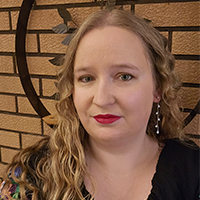
Kelsey Bednard – Acclaimed
She, her, hers
Biography
I have been working as a nurse for 10 years and have been involved with BCNU for the last 2-3 years. I am a worksite steward along with being a equity seeking caucus rep. In the last 2 years I have taken on a more active role within the union as I was seeing many issues in the workplace that were going unresolved. I want to work to ensure that the employer is held to a higher standard and that our members are not pressured to work outside of their professional standards.
Role based questions
- What does professional standards mean in a union context, and why is it important for members and the public?
Professional standards are sets of expectations of nurses while performing their jobs. In context of the union this helps protect workers by outlining clear expectations of members and prevents the employer from disciplining members based on unclear guidelines. Standards help uphold the reputation of members which in turn builds trust with the public. They also ensure everyone is held to the same standards. Standards help ensure the safety of the public as well as union members. - How would you balance accountability, fairness, and compassion when professional concerns arise?
All three are important when it comes to professional concerns. Accountability means protecting the public and ensuring integrity. Fairness means making sure members rights are maintained and they are treated with dignity. Compassion means having empathy and being able to see the issue from all perspectives. All three of these are vital when dealing with any concerns. - Describe how you would approach sensitive or contentious professional standards issues.
It's important to stay calm and focused when dealing with sensitive of contentious issues. Protecting confidentiality is always vital, and active listening in order to understand the issue fully. Make sure that all the facts are brought forward so that a clearer picture of the issue can be seen. Look for possible historical information around the issue or ongoing struggles in other areas and how they were resolved. - How would you explain complex or emotionally charged standards issues to members?
An important thing to keep in mind is not to overwhelm the member with information or downplay how they are feeling. Start by breaking down the information into more clear concise pieces that are easy to understand. Be clear what the possible implications and outcomes might be and why the process is important. Give hem time to ask questions and give clear answers. - How would you work with regionally elected leaders and BCNU staff in managing sensitive professional issues at diverse worksites?
BCNU is a team that should work together when it comes to professional practice issues. If nurses are facing the issue at one site, it is likely an issue at another. It's important to look at the profession as a whole and not just individual sites when looking for trends and issues. There is a diverse network of stewards, LROs and elected positions with interlinking issues. What helps one worksite may have a positive impact in many areas. - How would you ensure members understand professional standards in comparison to collective agreement language?
Collective agreement language is guidelines for how the employer should be treating staff, where the professional standards give guidelines for how nurses should be treating patients. Just as the collective agreement protects nurses, the professional standards protect the public. - Why do you want to serve in the role of Professional Practice Advocate, and how will BCNU values guide your decisions?
I feel it is important for every nurse to be upholding their professional standards and the employer sometimes pushes nurses to do things that would not align with those standards. BCNU values the protection of the public along with the members, and upholding professional standards aligns with that value. The three BCNU values that most align with this are accountability, advocacy and professionalism. - How has your understanding of the principles of diversity and/or equity and/or inclusion evolved?
There is always room for more learning and DEI is an area that is often overlooked. Through many meetings at BCNU I have learned about the importance of DEI and making sure all voices are heard. There are ongoing issues relating to DEI that still need a voice and need to be recognized. - How do you ensure your decisions are informed by evidence, member input, and long-term effects rather than urgency or pressure?
Active listening and fact finding are essential to ensure that urgency and pressure do not change the decision making process. If you are organized in the was you collect and pool information there will be less urgency and pressure in the long run.
Candidate Attestations
- I have disclosed any other current union, board, employment, or governance roles that may intersect with my duties and responsibilities as a BCNU executive officer if elected.
BCNU steward, BCNU 2SLGBTQ+ caucus rep
Steward Liaison
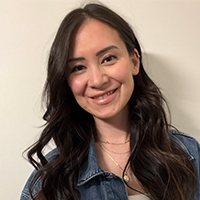
Marilia Cordeiro – Acclaimed
She, her, hers
Biography
My name is Marilia, and I am running for a second term as Steward Liaison. While I have grown in this role, I feel we are just beginning to build momentum with our Steward team. Over the past term, we have recruited many dedicated Stewards at Coastal Mountain, and I am eager to continue strengthening this team.I became a Steward because there was a clear need for advocacy in a toxic work environment. I quickly saw the value of strong worksite representation as Stewards are the eyes and ears of the unit. Seeing positive change at my worksite inspired me to run for the this position-to continue advocating for change not only at my own worksite, but also to support and empower others in creating change at their own worksite!
Role based questions
- What do you see as the primary responsibilities of a Steward Liaison, and why are stewards critical to a strong union?
I believe the primary responsibility of a Steward Liaison is to as the name suggests, liaise between Stewards, FTS, SAL, BCNU staff, Regional exec and others. SL's play a key role in communication, advocacy, mentorship and ensuring work sites are well-supported appropriately. By supporting and strengthening the Steward team, this includes onboarding mentorship, ensuring new and experienced Stewards are well-supported to handle workplace issues. - How would you support stewards with varying levels of experience and confidence?
By providing 1:1 mentorship &/or Steward 101 (local steward essentials for the region). During Steward Planning, ensuring education is provided to cater to various levels of experience by inquiring, being curious as to the level of knowledge that Stewards have/education. Years of experience does not necessarily mean the Steward is experienced so ensuring an assessment is done, is importance. For instance utilizing the Steward checklist to evaluate gaps in knowledge & supporting accordingly. - How would you ensure information flows effectively between stewards, members, and regional elected leadership?
In this past term, we created a phone group, in addition to sending emails regularly to inform Stewards of events, education courses, and other pertinent BCNU news. The phone group allows for quick communication among the Steward team, in addition to the Regional Executive - Describe how you would assist stewards when workplace issues escalate or become complex.
Depends on the situation and complexity for instance, if a Steward came forward with a workplace issue, we would also have the FTS/SAL part of the conversation so that they are informed of what is happening. Depending on what is happening for instance if it is related to OH&S or PR - we would also connect with the appropriately individual accordingly so as to utilize the resources that are available. - How would you collaborate with regional elected leaders, Council, and BCNU staff to strengthen steward effectiveness in furtherance of the BCNU's Strategic Directions?
I would collaborate with regional elected leaders, Council & BCNU staff by for instance attending an education/professional practice, and ensuring that messaging is sent to the Steward team. I would also ensure to identify gaps and coordinate appropriate guest speakers to attend such events such as Steward Planning. This would in turn foster collaboration, consistency, member engagement, utlimately resulting in advocacy through a strong unified voice that aligns with BCNU Strategic Directions. - How do solidarity and equity guide your approach to supporting stewards and members?
Solidarity refers to ensuring Stewarding feel connected & supported. I would prioritize building strong relationships with Stewards, creating a safe space for collaboration, sharing knowledge, so as a colective they can advocate for members. While equity - recognizing that each members' experience can differ based on education & exposure to Steward work & etc. In equity lens - I would support Stewards ensuring representation is fair, culturally safe, and in relation to each individual's needs. - Why do you want to serve in the role of Regional Steward Liaison, and how will you remain accountable to stewards and the broader membership?
I have seen what Steward presence at a worksite can do and my goal was always to have one Steward at each worksite or at least share my experience with others, and hopefully utilize this as a way to create change in our Region. I will remain accountable to Stewards by completing regular check-ins, being accessible, listening and gathering feedback post Steward planning, follow-through post onboarding session, being available in a timely fashion & being open to feedback. - How has your understanding of the principles of diversity and/or equity and/or inclusion evolved?
My understanding of diversity, equity, & inclusion has evolved significantly through my participation in union education/events. In particular, learning about Truth and Reconciliation&cultural safety has deepened my awareness of the historical & systemic barriers that impact members' experiences in the workplace. Working alongside the DEI Full-Time Steward has also been instrumental in shaping my perspective by allowing further education & shared knowledge. - How do you ensure your decisions are informed by evidence, member input, and long-term effects rather than urgency or pressure?
I ensure my decisions are grounded in evidence, member input, long-term impact by aligning my approach with the BCNU's Strategic Direction which emphasizes member engagement, informed advocacy, and sustainable change.
I start by relying on evidence-based information including the collective agreement, past grievances outcomes, and relevant policies and or Constitutional By Laws. I take the time to fully understand the question at hand, and I consult appropriate resources.
Treasurer
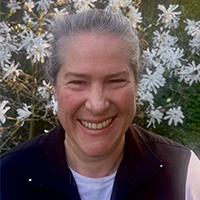
Janan Duru – Acclaimed
She, her, hers
Biography
"I am the current Regional Treasurer, committed to responsible financial stewardship and serving members with integrity and transparency. I have experience in budgeting, financial oversight, reporting, and ensuring members' dues are managed in line with union policies.
My objective is to continue providing accurate, accessible financial information to support informed decision-making and long-term sustainability. I prioritize member input, equity, and inclusion, and I align all financial decisions with BCNU's Strategic Directions. By fostering collaboration, transparency, and trust, I aim to strengthen governance and serve the needs and voices of all members."
Role based questions
- What experience do you have with budgeting, financial oversight, or reporting, and how will you ensure members’ dues are managed responsibly and transparently?
As the current Regional Treasurer, I bring direct, hands-on experience in budgeting and financial oversight. In this role, I have been responsible for preparing and monitoring the regional budget and ensuring that financial activities align with the BCNU policies. I intermittently review financial statements and present clear and accurate reports to leadership so as to support inform and keep accountability in decisions. - What financial tools or systems have you used, and how would you use technology to improve accuracy, reporting, or accessibility of regional financial information?
The most important value for me is Integrity. With integrity, a council member needs to builds trust so to ensure decisions are fair and free from personal bias. It also means being held accountable for following through on commitments helping to uphold the policies and values of BCNU. - How would you explain a difficult or controversial financial decision to members in a clear, accessible, and respectful way?
I prioritize clarity, transparency, and respect. I always provide context by explaining things like budget and other things that fit with BCNU policies, so members can understand the reasoning behind the decision. when possible, I share the options that were assesed and why that choice was made. - Describe a time you had to question a financial decision or raise concerns about governance or spending. What guided your approach?
While approving expenses I raised my concerns in a clear and concise manner, focusing on transparency and accountability for our shared responsibility to members. I asked questions to better understand the reasoning behind the decision and provided input based on the financial policy and stewardship principles. This opened a collaborative discussion, together we were able to adjust the approach to align better with the guidelines. - When there are disagreements about spending priorities, how would you manage conflict while upholding union values and maintaining trust?
I would keep the conversation grounded in fairness and accountability, referring back to BCNU policies, approved budgets, with the overall goals of supporting members. Keeping the discussion evidence-based shifts the focus from positions to priorities. - How do you see the Treasurer working with other regionally elected leaders, Council and BCNU staff to support effective regional governance?
I see this position as tightly nit with other regionally elected leaders, Council, and BCNU staff to ensure that financial decisions are well-informed, clear, and aligned with organizational priorities. This involves regular communication and information sharing, specifically providing clear and well timed financial reports, supporting planning and decision-making. - Why do you want to serve in the role of Regional Treasurer, and how will you ensure your decisions consistently reflect the needs, equity considerations, and voices of members all while supporting BCNU's Strategic Directions?
I wish to serve in the role of Regional Treasurer because I am committed to the support of our members through responsible financial stewardship and transparent governance. Having served in this role prior, I understand the impact of having thoughtful financial decisions on advancing member priorities, improving advocacy, and supporting equitable access to resources across our region. - How has your understanding of the principles of diversity and/or equity and/or inclusion evolved?
Through my experience in nursing and my union involvement, I have come to better appreciate the systemic barriers that affect each member differently and the importance of addressing those inequities intentionally. I have learned that equity is not about treating everyone the same, but about ensuring that everyone has access to the support and opportunities that they need. - How do you ensure your decisions are informed by evidence, member input, and long-term effects rather than urgency or pressure?
I prioritize reviewing relevant financial data, reports, and policies to ensure decisin making is grounded in evidence and aligned with the BCNU guidelines rather than urgency or pressure. as well as the equally important need of incorporating member input. I value feedback from members and regional leaders, and so I make an effort to understand all perspectives before moving forward.
BCNU Election Candidate Attestations
All regional candidates have affirmed yes to attestations (1-9) below:
- I am a member in good standing of BCNU, with no outstanding disciplinary proceedings, and meet all BCNU Constitutional and Bylaw eligibility criteria for the position I am seeking.
- I commit to upholding BCNU’s Constitution and Bylaws and the Policies and Procedures, and will engage in ethical, respectful, and inclusive conduct during the election and throughout any term in office.
- I have reviewed and understand the fiduciary duties and responsibilities as described in Policy 2.0.1 and in the job description, including the duties of care, loyalty, compliance, confidentiality, and accountability to BCNU’s vision, mission, values, and members.
- I affirm that I will protect and safeguard any member information, BCNU internal documents, or confidential records that may be made available to me during the course of this election or while in office.
- I will disclose any real, perceived, or potential conflicts of interest prior to or during my candidacy and, if elected, will comply with all conflict-of-interest policies and governance requirements.
- I have reviewed and understand the election code of conduct as stipulated in Policy 2.0.7, including the guiding principles for BCNU elections, candidate and BCNU member roles and responsibilities, and the rules pertaining to campaign materials.
- I will not engage in any campaigning, communications, or actions that may be reasonably understood to involve misinformation, personal attacks, or harassment, and I understand that such behaviour may result in immediate removal from the election process.
- I hold current registration in good standing with the British Columbia College of Nurses and Midwives (BCCNM) and confirm there are no current findings of professional misconduct, suspension, or conditions on my nursing license.
- I understand that all attestation statements are subject to verification by the BCNU Nominations Committee, and false declarations may result in immediate disqualification from candidacy or immediate removal from elected office.