

 Central Vancouver
Central Vancouver Regional Executive Election Results
Regional Council Member
Gerald Dyer – Acclaimed
He, him, his
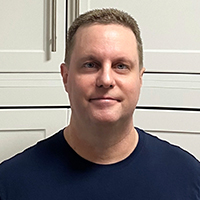
Biography
Since 2007, I have been actively involved in union work at the VGH Steward Office, serving as a worksite steward, in various Regional Executive roles, and as a Full-Time Steward. In late 2022, I assumed the role of Regional Council Member. These experiences have strengthened my skills in advocacy, representation, and collaboration with members, leadership, and the employer. I have witnessed the increasing challenges nurses face, including understaffing, rising patient complexity, and workload pressures. This continues to drive my commitment to improving working conditions and supporting nurses in providing quality care. I remain dedicated to advocating for members, fostering collaboration, and strengthening our profession.
Role based questions
- What do you see as the primary role of a regional council member in a member-driven union?
The primary role of a Regional Council Member in a member-driven union is to represent and amplify the voices of members while helping guide the organization's direction. This means actively listening, bringing forward members' concerns, & ensuring clear, transparent communication back to the region. It also involves contributing to decisions with both a regional and provincial perspective, always focused on strengthening member engagement and advancing the collective interests of nurses - What is the single most important value a regional council member must have, and why?
Regional Council Member must have integrity, honesty, and accountability. Members need to trust that their representative will act transparently, speak truthfully, and take responsibility for their decisions in the best interests of the membership as a whole. These values ensure that members' voices are represented authentically, accountability is upheld, and trust is built something essential in a member driven union - How can technology be used to strengthen member engagement, democratic participation, and accountability in the union - and what safeguards are necessary to ensure equity, privacy, and trust?
Technology can strengthen engagement and participation through virtual meetings, surveys, secure voting, and timely communication, making it easier for members to stay informed and involved. To ensure equity, multiple access options are needed. Privacy and trust require secure systems, clear data policies, and transparency in how information is used. - Describe your approach to listening to members who may feel unheard, marginalized, or frustrated with BCNU?
My approach is to listen with respect, openness, and without judgment. To create space for members to share their experiences, acknowledge their concerns, and follow up with clear communication. I focus on understanding the issues, not just responding in the moment, and work to bring those voices forward so they are reflected in decisions and actions. - How do, or would, you approach conflict (i.e., between members within regional teams and/or Council, or between BCNU and the employer) while maintaining professionalism and fairness?
I try to approach conflict with a calm, respectful, and solutions-focused mindset. I ensure all perspectives are heard, seek to understand the underlying issues, and focus on common ground. I rely on clear communication, established processes, and fairness to guide resolution. When needed, I involve appropriate supports or leadership, always maintaining professionalism, confidentiality, and a commitment to respectful working relationships and always willing to learn to be better and improve. - How do you balance representing the will of members with responses to uphold bylaws, policy, collective agreements, and human rights obligations?
I do my best to balance this by grounding decisions in our bylaws, policies, collective agreement language, and human rights, while ensuring members voices are heard and respected. I listen to understand members perspectives, communicate clearly about any limits or obligations, and work to find solutions that align with both member priorities and our responsibilities. Transparency and consistency are key to maintaining trust. - What past experience best prepares you for this role as regional council member, and what lessons from that experience will guide your work?
I have proudly served as the CVR Regional Council Member for the past four years, alongside nearly 18 years as a worksite steward, regional executive member, and full-time steward with BCNU in the Central Vancouver region. This experience has strengthened my advocacy skills and deepened my understanding of member issues. My work is grounded in listening, clear communication, fairness, and strong, effective representation. - How do you communicate complex or controversial decisions to members in a way that builds trust, even when members disagree?
I try to communicate complex or controversial decisions with honesty, clarity, and transparency. I explain the rationale, the process behind the decision, and any constraints involved, while acknowledging the impact on members. I make space for questions and feedback, listen respectfully to concerns, and ensure follow-up. Even when members disagree, being open, consistent, and accountable helps build trust. - How do you ensure your decisions are informed by evidence, member input, and long-term considerations, rather than urgency or pressure?
I try to take an informed approach to decision making by reviewing relevant evidence, seeking meaningful member input, and carefully considering both immediate and long-term impacts. I draw on all available BCNU resources, including PCA support, and rely on established policies and processes. This ensures decisions are well-informed, balanced, and not driven solely by urgency or external pressure. - Describe a concrete example where you used technology to improve communication, decision-making, or organizing. What worked, what didn’t, and what would you do differently as a union leader?
I've used virtual meetings and online surveys to improve communication and gather member input, increasing accessibility and participation. What worked was timely feedback and broader engagement, what didn't was reaching members with limited tech access. Going forward, I would continue using these tools while ensuring multiple ways to participate so no members are excluded. - How do you guarantee culturally sensitive interactions with your members?
I foster culturally sensitive interactions by listening with respect, approaching every conversation with openness, and recognizing the diverse experiences of members. I commit to ongoing learning, seek input when needed, and adapt my approach to be inclusive. When appropriate, I also involve members with lived experience, knowledge, or cultural understanding to better support others. By creating safe, respectful spaces and addressing bias, I work to ensure all members feel heard and valued. - How has your understanding of the principles of diversity and/or equity and/or inclusion evolved?
My understanding of diversity, equity, and inclusion has grown through both education and experience. As a Regional Council Member, I've taken courses that deepened my awareness and learned from members with diverse backgrounds and lived experiences. This has strengthened my commitment to listening, recognizing systemic barriers, and fostering inclusive, equitable spaces. This too is an ongoing learning process that continues to shape how I engage, advocate, and lead.
Technical Questions
- What is your experience with Microsoft Word, Excel, and Outlook and what is your ability and willingness to learn new computer platforms and applications (e.g. BoardEffects, Expensify, Formstack, Ceridian Dayforce, ZOOM, Box, etc.)?
I have been actively using Microsoft Word, Excel, Outlook, and platforms such as BoardEffects, Expensify, Formstack, Ceridian Dayforce, Zoom, and Box for the past four years in my role as a Regional Council Member. I am confident and comfortable with these tools, and I continue to build my skills as systems evolve. I am also highly adaptable and committed to learning new platforms and applications as needed. - Where and how have you developed your historical and technical base of understanding in all areas of the union’s work including bargaining and BCNU policies and procedures?
I have built my historical and technical understanding through years of active involvement as a worksite steward, regional executive member, full-time steward, and Regional Council Member with BCNU. Combined with ongoing training and hands on experience, this has given me a strong knowledge of bargaining, collective agreement language, and union policies and procedures. - How would you describe your understanding of budgets and financial statements and the general structure and function of BCNU’s financial systems as well as the broad economic picture of BCNU?
I have a solid understanding of budgets, financial statements, and the structure and function of British Columbia Nurses Union financial systems, developed over the past four years as one of the current CVR Regional Council Members. I approach this work with a strong sense of fiscal responsibility and take the stewardship of members dues very seriously. I am committed to ensuring decisions are financially sound, transparent, and aligned with the union's long-term sustainability.
Candidate Attestations
- I have disclosed any other current union, board, employment, or governance roles that may intersect with my duties and responsibilities as a BCNU executive officer if elected.
I do not hold any other union, board, employment, or governance positions with any organization. My current role as RCM is fully demanding and consistently requires time and effort beyond my compensated hours, as I remain committed to supporting nurses, often on my own time.
Kristina Hernandez – Acclaimed
She, her, hers
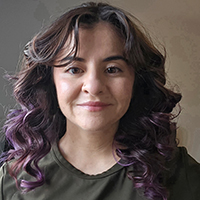
Biography
I'm Kristina Hernandez, Regional Council Member (RCM) for Central Vancouver, bringing over a decade of nursing experience in acute care, education, and leadership across multiple provinces. Over the past year as RCM, I've strengthened regional engagement, supported stewards, and worked to ensure members' voices guide our work. I have been honoured to do this work, and I'm running for re‑election to continue building a connected, informed region, to advocate for safe working conditions, and to represent Central Vancouver nurses with transparency, accountability, and unwavering commitment. I am eager to continue serving Central Vancouver nurses at the highest levels of our union, always working toward your best interests.
Role based questions
- What do you see as the primary role of a regional council member in a member-driven union?
The primary role of the RCM in a member-driven union is to bridge member interests with the strategic directions of the organization at the level of regions. The RCM ensures that regional decision-making is fiduciary responsible, based in good governance, and strong leadership. - What is the single most important value a regional council member must have, and why?
The single most important value an RCN should have is integrity. Integrity fosters strong leadership, accountability, and high-moral decision making. Integrity promotes emotional intelligence and discernment while navigating the complex duties and relationship of the RCM role. Integrity builds trustworthy teams who work collaboratively to advance the interests of the union, not the self. - How can technology be used to strengthen member engagement, democratic participation, and accountability in the union - and what safeguards are necessary to ensure equity, privacy, and trust?
Technology can strengthen member engagement by connecting each other at record speed to promote ideas and build relationship. Technology can also be utilized to enhance members decision-making capacity in union matters which would promote democratic participation. Necessary safe-guards for promote equity, privacy, and trust include BCNU investing in technology training for leaders and digital platforms that align with our organizational values. - Describe your approach to listening to members who may feel unheard, marginalized, or frustrated with BCNU?
My approach to listening to members who feel disillusioned by BCNU includes centering the conversation and my listening around their experience, feedback and ideas. Identifying what matters to the individual and connecting that to the union experience. Further, exploring where they may fit in the organization to make the change they want to see. - How do, or would, you approach conflict (i.e., between members within regional teams and/or Council, or between BCNU and the employer) while maintaining professionalism and fairness?
I approach conflict on my team in a multi-step approach. From the start, we established our team identity, expectations, and norms. This has allowed for conflict to be explored from a lens of curiosity: what circumstances are creating the deviation from our standards? Conflict is explored from multiple perspectives with a goal to identify challenges and explore solutions. I try my best to listen and create space for self reflection so that solutions are self-generated by the involved parties. - How do you balance representing the will of members with responses to uphold bylaws, policy, collective agreements, and human rights obligations?
I balance representation and my professional obligations by committing to continuous learning, good governance, and building relationships. Through listening to members and understanding their perspectives, I use their voice to shape policy in alignment with our strategic directions. - What past experience best prepares you for this role as regional council member, and what lessons from that experience will guide your work?
My experiences as a nurse leader in the clinical setting and as the RCM for CVR have best prepared me to continue developing as an RCM. In these leadership roles, the art of listening and being open to different perspectives have been the valuable lessons that guide my approach as RCM. - How do you communicate complex or controversial decisions to members in a way that builds trust, even when members disagree?
Transparency and information sharing has been central to the way I communicate decisions and complexities with members that builds trust. While this is nuanced so as to protect the organization, honest and fulsome communication are foundational to trust in any relationship, including professional. - How do you ensure your decisions are informed by evidence, member input, and long-term considerations, rather than urgency or pressure?
To ensure my decisions are informed, I collecting a variety of information and perspectives. I approach all decisions from calm curiosity and take time for contemplation. Through asking questions, creating opportunities for conversation, and deep reflection, my decision making is intentional and avoids urgency under prssure. - Describe a concrete example where you used technology to improve communication, decision-making, or organizing. What worked, what didn’t, and what would you do differently as a union leader?
I've organized various online BCNU-sanctioned cloud-based digital spaces for my regional teams. This has improved our shared communication, collaboration, and accountability. Our sense of togetherness has dramatically improved, however, not all team members are digitally literate which was an original oversight. In the future, I would be more considerate of accessibility needs of my team. - How do you guarantee culturally sensitive interactions with your members?
I commit to culturally sensitive interactions by grounding myself in humility, active learning, and responsive communication. - How has your understanding of the principles of diversity and/or equity and/or inclusion evolved?
My understanding of diversity, equity, and inclusion has evolved from ideals to recognizing them as daily practices that require reflection, and continuous learning. I now see DEI as essential to creating environments where every member feels safe, valued, and able to fully participate.
Technical Questions
- What is your experience with Microsoft Word, Excel, and Outlook and what is your ability and willingness to learn new computer platforms and applications (e.g. BoardEffects, Expensify, Formstack, Ceridian Dayforce, ZOOM, Box, etc.)?
I have extensive experience with the above platforms and am highly comfortable learning new digital skills. - Where and how have you developed your historical and technical base of understanding in all areas of the union’s work including bargaining and BCNU policies and procedures?
I've developed my historical and technical understanding of the union's work through steward experience, formal BCNU education, and active participation in regional and provincial meetings and committees. Involvement in grievances, contract interpretation, and member advocacy has deepened my knowledge of policies and procedures. I've also built my understanding by reviewing BCNU's bylaws, collective agreements, and governance documents. - How would you describe your understanding of budgets and financial statements and the general structure and function of BCNU’s financial systems as well as the broad economic picture of BCNU?
I have a general understanding of budgets, financial statements, and BCNU's financial systems through steward work, regional budgeting processes, and reviewing financial reports as part of union responsibilities.
Candidate Attestations
- I have disclosed any other current union, board, employment, or governance roles that may intersect with my duties and responsibilities as a BCNU executive officer if elected.
Member of the Vancouver Tenants Union.
Communications Secretary
Rebecca McTavish – Acclaimed
She, her, hers

Biography
My name is Rebecca McTavish and I am running for the position of Communications Secretary for the Central Vancouver Region.
I have 13 years of acute care nursing experience and have spent the last 11 years of that on BMT T15/16) at VGH.
I have been an active member with BCNU since the start of my BC nursing career including being a ward rep, steward and the past two terms as your Communications Secretary!
Over the past 13 years I have attended numerous conventions, bargaining conferences, steward planning days, regional meetings, education days and executive planning meetings, as well as communication secretary training.
I strongly believe that knowledge is power and hope to be able to continue to as your communications secretary!
Role based questions
- How would you ensure regional communications are timely, accurate, and accessible to members with diverse needs and communication preferences?
As someone who has held the communications position for two prior terms, I am well aware of the workload and responsibilities of the role. I designate time to complete the duties of the role every week (if not daily) and pride myself in my organizational abilities.
I own a part time nursing line, specifically to ensure I give the communications role the time it needs.
I am familiar with the platforms BCNU uses to communicate and am open to learning new systems! - What tools or platforms have you used for newsletters, social media, or websites, and how would you use them to strengthen member engagement?
I have used everything from BCNU provided templates, online templates, QR code producing. I am familiar with Instagram, Facebook, the BCNU app etc.
I have worked extensively with both campaigner and cvent.
I have worked extensively with my region to streamline and compile communications to combat "email fatigue" and we are exploring other means to communicate with our members.
I have spent a lot of time recruiting first time attendees to Central Vancouver events! - How would you communicate difficult or controversial decisions while maintaining transparency and member trust?
I have always felt that honesty and transparency can go a long way.
Education is really knowledge and I strongly feel that taking the time to explain or educate reasoning or why decisions are made is very empowering!
I am in a leadership position in nursing and find my tools and skills transfer across my roles.
I welcome feedback and open dialogue. - If misinformation begins circulating among members, how would you respond quickly and responsibly?
I would direct to the credible source. Depending on the scenario - I would discuss with my regional executive team what communication we want to provide - perhaps a clarifying email or providing a link to a credible source. A "did you know" fact sheet perhaps. - How would you work with other regionally elected leaders, Council, and BCNU staff to ensure consistent messaging across the region?
I have worked with members of our current regional council incredibly closely over the years and plan to continue to have a team approach going forward in the future.
I communicate my needs and expectations as a coms sec to my team so they are aware of the information I need to plan, organize and promote events/walkabouts/etc.
I communicate openly, express concerns as needed, provide constructive feedback to the team.
I have worked closely with both Council and staff over the years! - How do union values such as integrity and solidarity inform how information is shared?
Our members are The Union and they need to be informed to ensure the future of our Union!
I really do believe that knowledge is power and the more educated and informed our members are, the better choices and decisions can be made.
Information needs to be accessible and relevant! - Why do you want to serve in the role of Communications Secretary, and how will you ensure communications reflect member priorities and BCNU's Strategic Directions, rather than personal opinions?
I believe the best tool for our members to have is to be informed. To be aware of what is occurring in our Union and how their individual decisions can affect the membership as a whole.
I have enjoyed having the privilege of being in the coms role and being a source of information for the membership, my fellow stewards, execs etc! - How has your understanding of the principles of diversity and/or equity and/or inclusion evolved?
I have been much more informed over my last two terms as coms and have had some great education opportunities!
Different members have different needs! Information has to be provided in a magnitude of ways and through different sources to meet a diverse populations needs.
I have worked closely with our caucus networks over the years and hope I have the opportunity to do more in the future!
I have also become more aware of our members needs while attending events (accessibility, allergies, etc - How do you ensure your decisions are informed by evidence, member input, and long-term effects rather than urgency or pressure?
With my years of experience in the role, I have learnt what works for the CV membership through trial and error but also through communicating with members face to face, by personalizing surveys (and reading/sharing results). Trying different venues, different ways to hold meetings, implementing small group meetings etc.
My organizational skills help me stay on top of events and communications. I remain open to my team to reach out for any urgent needs and prioritize accordingly.
Lobby Coordinator
Victoria Adams – Acclaimed
She, her, hers
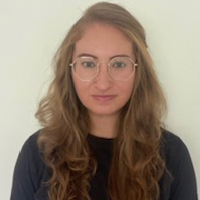
Biography
Hello, my name is Victoria Adams and I am an RN who has been working at VGH for ten years. For the last year I have also been your Regional Lobby Coordinator, and during this time I have met with and built effective relationships with our region's elected officials. Through these meetings, I have advocated for nursing priorities on your behalf including the full implementation of minimum nurse-to-patient ratios and decreasing violence in healthcare. I am passionate about improving the nursing profession for all, and want to be in this role so that I can advocate for better working conditions for nurses through health policy. With your support, I would like to continue to build on the work that I am currently doing. Thank you!
Role based questions
- What is the role of a Lobby Coordinator, and how does it support members’ interests?
The role involves engagement with elected officials to advocate for and advance the priorities of nurses in the region and BCNU as an organization. It supports members' interests by ensuring that nursing issues and solutions are brought to the attention of elected officials, thus enabling them to be incorporated into policy solutions that will better the nursing profession. The role also involves being an active participant in the Regional Executive Team and regional planning/decision-making. - How would you identify and prioritize political or legislative issues that matter most to members?
I would identify issues through member engagement and prioritize them based on how they rank for nurses' safety and areas where we could achieve realistic success and actionable outcomes with elected political officials and related policy levers. I can achieve member engagement by talking with members at regional meetings and dinners, utilizing survey data, connecting with the HRE caucus reps, and talking to the regional steward team and regional council members. - How would you communicate BCNU positions effectively to elected officials or decision-makers?
I would build strong relationships with elected officials to support ongoing communication. I would give evidence-based facts/data on nursing issues as well as stories from the frontline to educate and place emphasis on the issue. I would focus on finding shared values and goals in relation to suggested policy levers that aim to improve nurses' working conditions and the health of the elected official's constituents. I would ensure my communication is aligned with BCNU's strategic directions. - How would you ensure your advocacy reflects BNCU's Strategic Directions rather than personal political views?
I would ensure that I know BCNU's strategic directions well and that my communication reflects this. I would provide evidence-based facts and member data in my advocacy rather than personal thoughts/opinions. In order for BCNU to maintain consistent messaging across all regions for stronger professional advocacy, it is important that our messaging is aligned with the values of the organization and not our own personal biases or opinions. - How would you work with members, regional elected leaders, coalitions, and community partners to advance BCNU goals?
I will work with members to increase engagement, foster feelings of collectivity, and improve education. I will partner with HRE groups to support DEI initiatives. I will provide regional elected political leaders with evidence-based facts related to nursing issues and gain their commitment through pledge signing. I can work with community groups to increase public awareness of nursing related health care policy levers that will benefit them as well, thus increasing politicians' accountability. - How would you navigate political pressure while maintaining information and union integrity?
In the face of political pressure, I would maintain information and union integrity by providing objective and evidence-based data in relation to the subject being discussed. I would also know BCNU's values and strategic directions so that I can provide consistent messaging throughout conversations. If faced with differing political views that do not align with BCNU's strategic directions and priorities, I would try and find common ground that we can agree on and have respectful discussions. - Why do you want to serve in the role of Lobby Coordinator, and how will BCNU values guide your political advocacy?
I want to be in this role so that I can advocate for better working conditions for nurses' in the context of the political landscape. BCNU values will guide me as I will communicate with elected officials with integrity, stand up for social justice issues, engage with members with the principles of democracy, ensure excellence and professionalism during my work, and advocate for safe and quality care. I deeply care about improving the nursing profession through health policy improvement. - How has your understanding of the principles of diversity and/or equity and/or inclusion evolved?
Over the years, my understanding and awareness of DEI principles has evolved in that incorporating DEI principles are not just a checkbox on a list, but an integral and intentional part of my actions and work. Examples of this are that I liaise with our HRE caucuses and incorporate their voices into lobbying work and events within the union. I aim to create a sense of belonging within the union for everyone, and integrate cultural safety into all of my actions. - How do you ensure your decisions are informed by evidence, member input, and long-term effects rather than urgency or pressure?
When interacting with elected officials, the public, or our membership, I ensure that I use member driven data, first-hand accounts/frontline experience, and evidence-based data supported by BCNU in my conversations. This ensures that my messaging is aligned with BCNU's strategic directions and not influenced by urgency/pressure. Building long-term and professional relationships is a crucial part of the lobby coordinator role and will help lead to more effective health policy solutions.
Mental Health Representative
Vacant
Occupational Health and Safety Representative
Jennifer Chow – Acclaimed
She, her, hers
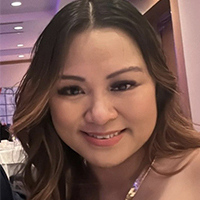
Biography
Jennifer Chow is an Occupational Health and Safety Representative working in the Central Vancouver Region. She brings frontline health‑care experience and a strong commitment to worker advocacy, safety, and equity. Through her OH&S work, Jennifer has supported members by identifying workplace hazards, participating in inspections and investigations, reviewing incident trends, and advocating for meaningful corrective actions that prioritize worker safety.
Jennifer is known for her collaborative and practical approach, working closely with stewards, JOHSC, and leadership to address safety concerns in a respectful but persistent manner. She values clear communication, evidence‑based decision‑making.
Role based questions
- What experience do you have with workplace health and safety, and how would you advocate effectively for safer workplaces?
Practical, front-line experience in workplace health and safety through my role as an OH&S Representative and a member of my local JOHSC. I support workers, supervisors, and management in identifying hazards, preventing injuries, and promoting a strong safety culture. My experiences include participating in workplace inspections, reviewing incident and near-miss reports, supporting investigations and contributing to safety meetings and corrective action planning. - How do you stay informed about occupational health and safety legislation and best practices?
I am familiar with applicable legislation and regulatory requirements and use these as foundation for advocating for safe work practices that are realistic and effective. I regularly review updates from regulatory authorities, industry organizations and my employer's safety communications, I follow changes to relevant legislations and guidelines to ensure my knowledge remains current and aligned with regulatory requirements. I also review safety alerts, incident bulletins and guidance documents - How would you identify and prioritize health and safety risks affecting members in diverse workplaces?
Using a systematic worker-centered approach that combine direct input, data analysis, and risk assessment principles I start by actively listening to members and encouraging them to report hazard, near misses and safety concerns, as they are often the first to recognize risks in their day-to-day work. This input is critical especially in diverse workplaces where tasks, environments and exposure can vary significantly. I then gather and review relevant information such as incident reports. - How would you handle disagreements with employers on safety issues?
I handle disagreements with employers on safety issues by remaining professional, solution-focused, and grounded in evidence and legislation. My first strep is to clearly understand the employer's perspective while ensuring that workers concerns are fully and accurately represented. I focus on open, respectful communication to keep discussions productive rather than adversarial - How would you explain safety rights or hazards to members and stewards in a clear and practical way?
I would explain safety rights or hazards to members and stewards in a way that is plain-language, practical, and directly connected to their daily work. I avoid technical jargon whenever possible and focus on what the issue means for them on the job - what the risk is, how it could cause harm, and what actions can be taken to prevent it. I break them down into simple, concrete terms, such as the right to know about hazards, right to participate, right to refuse unsafe work. - How would you work with stewards, regionally elected leaders, Council, and BCNU staff to advance BCNU's Strategic Directions?
I would work collaboratively with stewards, regionally elected leaders, council and BCNU staff by respecting the unique roles and strengths each group brings, and by keeping BCNU Strategic Directions at the center of all work.
I see my role as one that supports, connects, and strengthens these relationships to advance shared goals such as member engagement, workplace health and safety, equity, and effective advocacy.
With stewards, I focus on listening closely to issues from workplace - Why do you want to serve in the role of Occupational Health and Safety Rep, and how will you ensure members’ safety concerns drive your work?
I am deeply committed to protecting nurses and health care workers and ensuring that their workplaces are safe, respectful and supportive. In health care the risks are significant and constantly evolving, and I believe strong knowledgeable advocacy is essential to prevent injuries, illness and burnout. This role allows me to combine my clinical background, health and safety experience, and passion for worker advocacy in a way that has a meaningful and lasting impact on members well being - How has your understanding of the principles of diversity and/or equity and/or inclusion evolved?
Moving from a basic awareness to a deeper, more intentional practice grounded in listening, reflection, and action. Early in my career I understood diversity largely in terms of visible differences and equity as equal treatment. Through lived experience, professional practice, and union involvement, I have come to understand that inclusion and equity require recognizing systemic barriers and responding differently based on people's distinct needs, identities, and circumstances. - How do you ensure your decisions are informed by evidence, member input, and long-term effects rather than urgency or pressure?
My decisions are informed by evidence, member input, and long-term impact by following a deliberate and structured decision-making approach, particularly in situations where urgency or external pressure may exist. I recognize the health and safety decisions made in haste can have unintended consequences, so I prioritize thoughtful, well-supported action over reactive responses. I ground decisions in evidence, reviewing legislations, policies, incident data, risk assessments and best practice.
Professional Responsibility Advocate
Anamika Trehan - 618 votes
She, her, hers

Biography
My name is Anamika, and I am running to serve as your region's Professional Responsibility Advocate (PRA). My primary goal in this role is to support nurses in maintaining their professional standards. When concerns arise that may jeopardize a nurse's ability to uphold those standards, I am committed to helping members navigate and engage in the PR process with confidence and support. I have previously served as the PRA for this region which has provided me with valuable experience and understanding of the role. I am committed to ensuring that members feel heard and supported. As a union activist, my priority is to advocate for improved working conditions and support nurses in delivering safe, high-quality care. Thank you for your trust.
Role based questions
- What does professional standards mean in a union context, and why is it important for members and the public?
In a unionized context, professional standards refer to the agreed upon expectations for members conduct, skills, ethics, and accountability within their profession. Both unions and the employers play a role in upholding the profession standards of nursing practice by providing adequate training, offering support, and maintaining clear policies. For members, these standards provide safety and consistency. For the public they instill trust in the healthcare system. - How would you balance accountability, fairness, and compassion when professional concerns arise?
In order to balance accountability, fairness, and compassion when professional concerns arise it is important to use a structured and objective approach. All available information should be reviewed using a non-biased approach, and decisions should be guided by professional nursing standards and workplace policies. Fairness would involve giving individuals a chance to bring forward their perspectives, and ensure any actions taken are guided by the proper polices and procedures. - Describe how you would approach sensitive or contentious professional standards issues.
In order to approach sensitive or contentious professional standard issues it is important to remain objective, use discretion, and adhere to established processes. It would be prudent to set aside any personal bias and make sure to carefully review the facts of the case. All decisions should be guided by professional nursing standards, union and work policies, and the collective agreement. - How would you explain complex or emotionally charged standards issues to members?
Explaining complex or emotionally charged standard issues to members would require clear, empathetic, and respectful communication. I would break down information into simple, easy to understand language that meets the member where they are at. Furthermore, I would use real life, practical examples to make the information more relatable and easier to understand. - How would you work with regionally elected leaders and BCNU staff in managing sensitive professional issues at diverse worksites?
Working with regionally elected leaders and BCNU staff in managing issues at diverse worksites would require collaboration, clear communication, and understanding of diverse worksite environments. I wonder ensure to keep open communication with union leaders and staff, and share all relevant issues in a timely manner. Each worksite should be addressed with their own unique dynamics in mind. All throughout the process, professional standards or nursing should be a top priority. - How would you ensure members understand professional standards in comparison to collective agreement language?
I would explain to members that professional standards of nursing relate to clinical practice, ethics and accountability whereas the collective agreement protects members rights, and outlines their general working conditions. These two are very different items, but they are guided by one another and often are used hand in hand. I would create opportunities for ongoing discussion and support for members to help them recognize the differences in professional standards and the collective agreement. - Why do you want to serve in the role of Professional Practice Advocate, and how will BCNU values guide your decisions?
I want to serve in the role of professional practice advocate in my region so that I can support members in upholding their professional nursing standards in collaboration with the employers to in turn create a better health care system for the public. BCNU values will always guide my decisions, and I will work with my BCNU colleagues to address member issues. - How has your understanding of the principles of diversity and/or equity and/or inclusion evolved?
My understanding of diversity, equity, and inclusion has evolved over my years of nursing practice. I understand that all individuals have their own lived experiences that guide their overall practice. Equity is not about being equal, it is about meeting someone where they are, because not everyone has the same life experience and opportunities. - How do you ensure your decisions are informed by evidence, member input, and long-term effects rather than urgency or pressure?
Urgency or pressure are never the right answer when it comes to sensitive member concerns. I would ensure that I take time in understanding all aspects of a case before jumping to hasty decisions and conclusions.
Xavier Yee - Elected - 875 votes
Biography
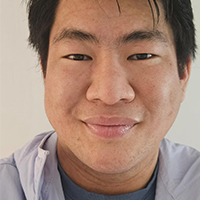
"My name is Xavier Yee. I have been a nurse for Six years. I've worked in Palliative, Medicine, and found my home as an OR nurse at the VGH OR. I have been a Steward since 2022, the Ratios Rep since it started last year, and the interim PRA since last Sept.
Some of you might recognise me as the Steward that stops by your units on night shifts asking if anyone has any Union questions at VGH.
My plan is to have regular check-ins with units, starting with areas that have yet to see the PR advocate. I want all of us to practice at or above the standards set out for us, to help nurses overcome barriers to this, and protect our patients. I want to engage with more of you, and work with all of you to make our region better. Thanks for reading."
Role based questions
- What does professional standards mean in a union context, and why is it important for members and the public?
To me, the professional standards are the standards that are set out by our college and any other governing bodies that we may belong to that we as professionals must adhere to. They are important because they set out the standard of care and foundations to guide us on how to achieve such care. As a professional, those we care for need to understand where we base our foundations of care on. - How would you balance accountability, fairness, and compassion when professional concerns arise?
These are three very powerful words. In our profession I view: Accountability as an obligation, Fairness as an expectation that needs to be just and impartial, and Compassion as emotional recognition.
Unfortunately, accountability is often immovable in this triangle. The acts and actions of what we must do and the responsibility we take for them, they are set. I often have to try and raise up the level of fairness and compassion to meet where the accountability is at to balance it." - Describe how you would approach sensitive or contentious professional standards issues.
I have always try my best to understand the issue by getting all sides, knowing what lead to the issue, and trying to work with everyone to resolve it. Sometimes, there is a clear right and wrong, but often there isn't. I draw on my experiences, understanding my biases, and ask those I am assisting to reflect on the other side. These matters need discussion, but in a respectful, discreate, and open way, with a resolution that prevents future occurrences when possible. - How would you explain complex or emotionally charged standards issues to members?
I would need to meet the member where they are at and first understand is they are in a position to receive what I want to tell them. It all depends on the member. Sometimes they need the hard truth, sometimes they need to be trickled some info at a time, sometimes they just need to vent before they will listen. In the end, when they are in a position to listen and respectfully discuss, I find it best to give them as much as they can to have an informed discussion. - How would you work with regionally elected leaders and BCNU staff in managing sensitive professional issues at diverse worksites?
" Now that we have the DEI Stewards, I can reach out to them and their expertise. I also have the Caucuses and Networks to touch base with. I have already looped in the other execs in my region as needed in my time as the PRA when we have issues that would benefit from collaboration.
I already work collaboratively with my regions exec and RCMs. I reach out when needed and keep them updated on issues, just in case they see somewhere they could help that I missed." - How would you ensure members understand professional standards in comparison to collective agreement language?
When I am approached with PR issues, I often remind members that very generally, the collective agreement protects us (and in turn protects patients) where the standards protect the public / those that we care for (and in turn protects us). I remind them that they work together, but we need to understand out standards as the PRFs relate to them. Most people better understand the difference after this talk, but I go over it more if they are still confused. - Why do you want to serve in the role of Professional Practice Advocate, and how will BCNU values guide your decisions?
I've been in the Interim role for a few months and I see that I am making a difference. I want to continue to support nurses in this role as it feels like it's making things better for the region.
I see the seven values like the standards we follow for nursing. They help inform how I approach things in all stages of the PR process. - How has your understanding of the principles of diversity and/or equity and/or inclusion evolved?
Everyone is different, everyone has their own lived experiences, which means every solution is different. Not every fix fits in the same type of unit, and not every fix within a unit fits every nurse that works there. I've seen how a common issue on a unit affects the nurses differently and how there needs to be equitable treatment (training, implementation, involvement in PR process, giving feedback, etc.) for everyone. - How do you ensure your decisions are informed by evidence, member input, and long-term effects rather than urgency or pressure?
By touching base with the PR Officers, speaking with the nurses and making sure they are the one's leading the charge for change on their units, by giving everyone the opportunity to speak (not just listening to the more involved members), reminding nurses to think about what it would look like next year, two years, five years with the changes they want, but also speaking with the employer and understanding their concerns.
Steward Liaison
Madelynne Orsini – Acclaimed
She, her, hers

Biography
I'm Madelynne, an RN working in CSICU at VGH. I have been a steward for 4 years and in the Steward Liaison role since Dec 2024. I am passionate about unionism and strengthening nurses' collective power through an engaged, well-supported steward team. In this role, I have developed a strong appreciation of the Steward Liaison's function as a link between regional executive, worksite stewards, and the membership. This includes mentoring current stewards, recruitment of new stewards, and fostering development of the team. I recognize that our strength as a union comes from the membership and our ability to work collectively and in solidarity. I would be honoured to continue serving as Steward Liaison and to further support the membership.
Role based questions
- What do you see as the primary responsibilities of a Steward Liaison, and why are stewards critical to a strong union?
The primary responsibility of a Steward Liaison is to serve as a link between the regional executive and the steward team, while recruiting and training union members to join the steward team. The role has been very fulfilling, I find communicating with the team and providing education and support to newer stewards incredibly rewarding. Stewards are critical to a strong union for disseminating information and engaging with the membership to inform union priorities. - How would you support stewards with varying levels of experience and confidence?
When taking on the Steward Liaison role a year ago, collaborated to develop an education tool to make the expectations and role of a worksite steward clear to Central Vancouver Region new and prospective stewards, too often a role is not clearly defined and otherwise amazing stewards are not able to reach their potential as they have a lack of role clarity. By starting off with one on ones with our steward team I was able to assess strengths and opportunities for new learning. - How would you ensure information flows effectively between stewards, members, and regional elected leadership?
It is essential that there is clear and consistent messaging between members, stewards, and members of the regional executive for this to happen, regular collaboration between stewards and the executive is essential as well as opportunities for outreach and member engagement through walkabouts, mini regionals, and accessibility via phone and email to membership. I would continue to seek out feedback from the membership as to how we are doing with our communication and how we can improve. - Describe how you would assist stewards when workplace issues escalate or become complex.
How I would assist depends on how the workplace issues are complex and the individual steward's comfort level, in practice I have taken over complex grievances when a steward has expressed a wish to be relieved due to feeling overwhelmed and not wanting to continue. In most situations, I have supported the steward through difficult grievances with support and guidance, ideally as long as the steward feels safe, they are able to continue supporting the members through complex workplace issues. - How would you collaborate with regional elected leaders, Council, and BCNU staff to strengthen steward effectiveness in furtherance of the BCNU's Strategic Directions?
I believe collaboration with the regional executive, Council, and BCNU staff is essential to strengthen effectiveness, through meetings with BCNU education I have worked on creating opportunities for education, and promoting teamwork between these groups. Collaborating with the membership is additionally essential as BCNU is 55,000 members strong and furthering our union's mandate and getting to a new excellent collective agreement will only be successful is we are all working collectively. - How do solidarity and equity guide your approach to supporting stewards and members?
As a steward, I am often the first point of contact for members and potentially their first introduction to the union. It is essential that as we provide equitable support whether it be by interpreting the collective agreement and bringing forward a grievance or supporting a member through an RWP we are strong advocates for member's rights while also considering others and ensuring consistency and equity in our care and support to both members and the steward team as a whole. - Why do you want to serve in the role of Regional Steward Liaison, and how will you remain accountable to stewards and the broader membership?
I would like to serve as Central Vancouver's Regional Steward Liaison because I am passionate about unionism and strengthening our collective power through organizing and supporting our steward team and membership. I will be accountable to the membership and readily accept any feedback or areas for growth with humility as I am committed to learning and growing in this role. - How has your understanding of the principles of diversity and/or equity and/or inclusion evolved?
I am committed to continuing to develop my learning and understanding of diversity, equity, and inclusion, I believe that it is essential that we are not only learning, we are apply these principles in an active and intentional way, recognizing differences in experience, access, and having a trauma informed lens is essential to ensure fairer outcomes and recognizing our colonial history and society's biases. I strive to apply lens in how I communicate with and support stewards and members - How do you ensure your decisions are informed by evidence, member input, and long-term effects rather than urgency or pressure?
I strive to use evidence based rationale for implementing education and elicit feedback regularly from the steward team in advance of steward planning so that I can better tailor the education to the needs of the group. I typically find myself to be quite reflective and not make decisions in a rush, but I am open to learning more strategies for gathering input from the general membership in order to be better informed
Treasurer
Beverly Panghulan – Acclaimed
She, her, hers
Biography
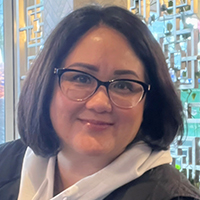
I have six years of experience as a Steward and one term as Regional Treasurer. I have supported members at the worksite level and managed regional finances with a focus on accuracy, transparency, and accountability. I am committed to serving members and supporting the work of our region.
As Regional Treasurer, I will ensure clear financial reporting and responsible use of members' dues. I am committed to transparency, fairness, and working with the Regional Executive to support decisions that reflect member needs and union priorities.
Role based questions
- What experience do you have with budgeting, financial oversight, or reporting, and how will you ensure members’ dues are managed responsibly and transparently?
I bring hands-on experience in budgeting, financial oversight, and reporting through my current term as Regional Treasurer, along with six years as a Steward. I have managed financial records, reviewed and approved expenses, and prepared regular reports to support informed decision-making by the Regional Executive. I have also contributed to developing and monitoring the regional budget to ensure responsible spending aligned with our priorities. - What financial tools or systems have you used, and how would you use technology to improve accuracy, reporting, or accessibility of regional financial information?
I have experience using systems like NetSuite, Member expense dashboard (Boomi), and Microsoft Excel for tracking and reporting.
To improve accuracy, I use consistent processes and careful review of financial information. I use tools like Excel to organize data and support clear reporting.
To improve accessibility, I present financial information in a simple, clear way so it is easy for the Regional Executive and members to understand. - How would you explain a difficult or controversial financial decision to members in a clear, accessible, and respectful way?
I would approach a difficult or controversial financial decision with transparency, clarity, and respect. First, I would clearly explain the decision in plain, accessible language, including the context, the factors considered, and how it aligns with our policies and union priorities.
I would acknowledge any concerns or impacts on members and ensure there is space for questions and feedback. It's important that members feel heard and understood, even if they may not agree with the outcome. - Describe a time you had to question a financial decision or raise concerns about governance or spending. What guided your approach?
When concerns arose, I approached the situation by first reviewing the relevant policies, budget allocations, and supporting documentation to ensure I had a clear understanding of the issue.
I raised my concerns respectfully and professionally with the appropriate individuals, focusing on the facts and the need for accountability rather than personal perspectives. My goal was to ensure consistency, fairness, and responsible use of members' dues. - When there are disagreements about spending priorities, how would you manage conflict while upholding union values and maintaining trust?
I would approach disagreements with respect, transparency, and a focus on our shared goals. I would ensure all perspectives are heard and guide discussions using our union's values, policies, and priorities.
Where possible, I would seek common ground, and if a decision must be made, I would ensure the process is fair and clearly communicate the rationale to maintain trust and accountability. - How do you see the Treasurer working with other regionally elected leaders, Council and BCNU staff to support effective regional governance?
The Treasurer supports effective governance by working collaboratively with regional leaders, Council, and BCNU staff to provide clear, accurate financial information for decision-making.
By maintaining open communication and strong relationships, the role ensures financial alignment with union priorities and policies. Ultimately, the Treasurer is a reliable team member who supports accountability, informed decisions, and the overall effectiveness of the region. - Why do you want to serve in the role of Regional Treasurer, and how will you ensure your decisions consistently reflect the needs, equity considerations, and voices of members all while supporting BCNU's Strategic Directions?
I value the trust placed in this role and the importance of managing members' dues responsibly and transparently. With my experience as Treasurer and Steward, I've seen how strong financial stewardship supports member advocacy and engagement.
I will ensure my decisions reflect members' needs by listening to diverse voices, considering equity, aligning all decisions with BCNU's Strategic Directions, policies, and values. My focus will be on fairness and accountability. - How has your understanding of the principles of diversity and/or equity and/or inclusion evolved?
My understanding of diversity, equity, and inclusion has grown through my experience as a Steward and Regional Treasurer. I've learned that equity is not about treating everyone the same, but ensuring members have the support they need to participate fully.
I am committed to listening to diverse perspectives, recognizing barriers, and making decisions that are inclusive, fair, and responsive to the needs of all members. - How do you ensure your decisions are informed by evidence, member input, and long-term effects rather than urgency or pressure?
I ensure my decisions are informed and balanced by taking the time to review relevant data, policies, and financial information before acting. I seek input from members and colleagues to understand different perspectives and consider the potential long-term impacts of each decision.
While some situations require timely responses, I remain grounded in evidence, fairness, and our union's priorities, rather than reacting to pressure. This approach helps ensure decisions are thoughtful, consistent,
BCNU Election Candidate Attestations
All regional candidates have affirmed yes to attestations (1-9) below:
- I am a member in good standing of BCNU, with no outstanding disciplinary proceedings, and meet all BCNU Constitutional and Bylaw eligibility criteria for the position I am seeking.
- I commit to upholding BCNU’s Constitution and Bylaws and the Policies and Procedures, and will engage in ethical, respectful, and inclusive conduct during the election and throughout any term in office.
- I have reviewed and understand the fiduciary duties and responsibilities as described in Policy 2.0.1 and in the job description, including the duties of care, loyalty, compliance, confidentiality, and accountability to BCNU’s vision, mission, values, and members.
- I affirm that I will protect and safeguard any member information, BCNU internal documents, or confidential records that may be made available to me during the course of this election or while in office.
- I will disclose any real, perceived, or potential conflicts of interest prior to or during my candidacy and, if elected, will comply with all conflict-of-interest policies and governance requirements.
- I have reviewed and understand the election code of conduct as stipulated in Policy 2.0.7, including the guiding principles for BCNU elections, candidate and BCNU member roles and responsibilities, and the rules pertaining to campaign materials.
- I will not engage in any campaigning, communications, or actions that may be reasonably understood to involve misinformation, personal attacks, or harassment, and I understand that such behaviour may result in immediate removal from the election process.
- I hold current registration in good standing with the British Columbia College of Nurses and Midwives (BCCNM) and confirm there are no current findings of professional misconduct, suspension, or conditions on my nursing license.
- I understand that all attestation statements are subject to verification by the BCNU Nominations Committee, and false declarations may result in immediate disqualification from candidacy or immediate removal from elected office.