

 East Kootenay Candidates
East Kootenay Regional Executive Election Results
Regional Council Member
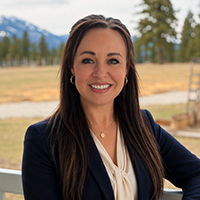
Tracy Gadsby - 216 votes
She, her, hers
Biography
Tracy Gadsby- Different approach. Proven results
I bring over a decade of nursing experience and a clear understanding of frontline realities. I currently serve as an elected member on the Nurses Bargaining Association Committee, helping shape decisions that impact nurses across the province.
To me leadership is like reading a map- if you only follow the well traveled path, you'll miss new routes.
When I ran for bargaining, I brought a different approach.
When we started bargaining, we took a different approach.
These approaches led to increased member awareness and participation, along with stronger union connections and deeper solidarity.
Now I'm ready to bring a different approach to council and build on that momentum.
Role based questions
- What do you see as the primary role of a regional council member in a member-driven union?
A RCM's primary role is to turn our members voices into action and to be accountable for the outcomes. It's actively listening, bringing forward real issues from the front lines and ensuring decisions reflect the realities of practice, not just policy. It also involves strengthening the member support systems and building confidence at the local level. A strong council member doesn't just represent their region they build power within it. - What is the single most important value a regional council member must have, and why?
INTEGRITY. Because without it, nothing else matters. It ensures that decisions are made for the right reasons, not for optics, politics or convenience. In a member driven union, integrity means truly representing members not just hearing them but acting in alignment with what they have shared. Members don't expect perfection, but they do expect honesty, consistency and a leadership they can trust. Integrity is what builds trust and trust is what builds a strong union. - How can technology be used to strengthen member engagement, democratic participation, and accountability in the union - and what safeguards are necessary to ensure equity, privacy, and trust?
Technology can strengthen engagement by making it easier for members to be heard, informed and involved. It can make participation more accessible through meetings, surveys and voting. It improves transparency by sharing decisions, progress and outcomes. It also provides members and stewards with quick access to resources and guidance. Safeguards must include strong privacy protection, clear use policies, equal access and preferred communication methods. - Describe your approach to listening to members who may feel unheard, marginalized, or frustrated with BCNU?
My approach starts with intentional listening, not just listening to respond, but to understand. Too often, members feel like they're being talked at instead of heard. I take the time to hear the full story, ask questions and understand the context behind the frustration. Access matters and that means meeting members where they are at and creating space for all voices to be heard. Listening is how we build trust and make sure every member feels heard, supported and represented. - How do, or would, you approach conflict (i.e., between members within regional teams and/or Council, or between BCNU and the employer) while maintaining professionalism and fairness?
I approach conflict with clarity, respect and a focus on resolution. I seek to understand all the perspectives without assumptions and create a space where people feel heard. I focus on the issue, not the individual and keep discussions grounded in facts, agreements and shared goals. Professionalism means addressing conflict directly and fairly. My goal is not just to settle the conflict but to resolve it in a way that strengthens relationships, builds trust and prevents reoccurrence. - How do you balance representing the will of members with responses to uphold bylaws, policy, collective agreements, and human rights obligations?
Balancing the will of members with our legal and ethical responsibilities starts with honesty and transparency. I take pride in representing members while respecting our policies, bylaws, collective agreements and human rights obligations. I advocate within those frameworks and being honest about what is achievable, while always pushing for the best possible outcome for members. Its important also explore opportunities for improvement within our existing framework. - What past experience best prepares you for this role as regional council member, and what lessons from that experience will guide your work?
Being elected to the bargaining committee has shown me that doing things the way they've always been done doesn't lead to better results. It often takes a different approach and the willingness to challenge the norm. Before nursing, I owned and operated a successful business, worked as a fitness instructor and supported high school students. These roles taught me that leadership isn't one size fits all, it requires adaptability, clear communication and meeting people where they are at. - How do you communicate complex or controversial decisions to members in a way that builds trust, even when members disagree?
When decisions are complex or controversial, members want to understand the process not just the outcome. It is important to be transparent and to approach the process of explaining how the decision was made with clarity and empathy. We need to create space for questions, feedback and disagreement without becoming defensive or dismissive. Members don't need to agree with every decision to trust their leadership. Even in disagreement, transparency and respect go a long way in maintaining trust. - How do you ensure your decisions are informed by evidence, member input, and long-term considerations, rather than urgency or pressure?
In bargaining I am part of the decision-making process where strong opinions, competing priorities and pressure to move forward quickly happen daily. In those moments, I focused on grounding decisions in what we were hearing from the members, what the data and reality shows, and what would have the most meaningful long-term impacts. Pressure and urgency will always exist, but they shouldn't drive the outcome. - Describe a concrete example where you used technology to improve communication, decision-making, or organizing. What worked, what didn’t, and what would you do differently as a union leader?
One of the most effective tools I've used recently is member surveys. By combining face to face engagement with digital surveys we increase participation and gain clear insight into member priorities. This allowed decisions at the bargaining able to be grounded in real feedback not assumptions. What worked was the balance - conversations built trust and encouraged participation, while surveys made it easy and accessible for members to contribute their perspectives on their own time. - How do you guarantee culturally sensitive interactions with your members?
Culturally sensitive interactions start with listening, respect and avoiding assumptions. Every member brings different experiences and perspectives it is important they feel seen and heard. This has been a priority in my work at the Indigenous Specific Anti Racism table, where I've learned the importance of understanding broader context and ensuring diverse perspectives are reflected in how we engage as a union. - How has your understanding of the principles of diversity and/or equity and/or inclusion evolved?
My understanding of diversity, equity and inclusion has evolved over time through both my professional experience and personal learning. Nobody's perspective is one dimensional and that understanding people requires curiosity, humility and a willingness to listen. Diversity, equity and inclusion are not static concepts; they require ongoing reflection learning and accountability. We don't need to have all the answers, but we need to be willing to listen, adjust and do better.
Technical Questions
- What is your experience with Microsoft Word, Excel, and Outlook and what is your ability and willingness to learn new computer platforms and applications (e.g. BoardEffects, Expensify, Formstack, Ceridian Dayforce, ZOOM, Box, etc.)?
I'm comfortable using Microsoft Word, Excel and Outlook and utilize them regularly in my work. I am confident in my ability to learn new computer platforms and applications. I approach new technology with a strong willingness to adapt, learn quickly and use it effectively. - Where and how have you developed your historical and technical base of understanding in all areas of the union’s work including bargaining and BCNU policies and procedures?
My understanding of the union's work has developed over time through both formal education and active involvement. In my work on the bargaining committee, I've gained insight into BCNU's policies procedures and the collective agreement. My experience as a Steward and JOHSC member has strengthened my understanding of how these translate into practice. While they built a strong foundation I remain committed to ongoing learning, approaching this work with humility and willingness to grow. - How would you describe your understanding of budgets and financial statements and the general structure and function of BCNU’s financial systems as well as the broad economic picture of BCNU?
I have a solid understanding of budgets and financial statements from managing finances as a business owner. Through my union involvement, I've reviewed financial statements and understand how BCNU acquires and allocates resources. I am comfortable interpreting key financial information and contributing to informed decisions. I recognize the broader economic context and the need for decisions to be realistic sustainable and fiscally responsible.
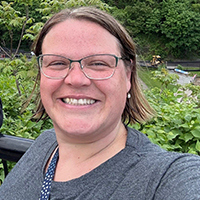
Denise Nelson - Elected - 302 votes
She, her, hers
Biography
I have been a nurse for 20 years and a member of the British Columbia Nurses' Union for 18 years, and come from a labour family. I had the pleasure of serving two terms as a PR Advocate on the Executive team in the East Kootenays and 14 months as Interim Regional Council Member, gaining experience in advocacy, member engagement, and union governance. My objective as RCM is to represent our rural members' voices, ensure evidence-based, transparent decisions, and promote equity, inclusion, and culturally sensitive practices while strengthening communication and trust.
Role based questions
- What do you see as the primary role of a regional council member in a member-driven union?
The role of the RCM is to act as a bridge between frontline members and union leadership ensuring that our union reflects the voices, needs and priorities of the members, ensuring it is member led. - What is the single most important value a regional council member must have, and why?
Accountability to members, as we are elected to represent the region, we must answer to our members. This means following through on committments, and explaining how and why positions are taken or decisions are made. It is also important to model both professionalism and integritity with accountability; owning mistakes and correcting them, being accessible and responsive and finally acting in the best interest of the membership - How can technology be used to strengthen member engagement, democratic participation, and accountability in the union - and what safeguards are necessary to ensure equity, privacy, and trust?
Technology should enhance connection and participation, but it must be balanced with strong safeguards around privacy, security, and professionalism to maintain member trust. We need to utilize social media and marketing trends to engange with members as well as maintaining our members security. - Describe your approach to listening to members who may feel unheard, marginalized, or frustrated with BCNU?
I think its important to meet members at their worksite or through regional dinners in their home town with opportunities for stewards and regional executive members to mingle with the memberhip. I think its important to actively listen and be accountable with follow through with members. - How do, or would, you approach conflict (i.e., between members within regional teams and/or Council, or between BCNU and the employer) while maintaining professionalism and fairness?
My approach to conflict resolution is to address issues directly with the individual through respectful, open communication. If unresolved, I follow union processes and escalate appropriately. I rely on clear facts and evidence to support fairness and transparency. When needed, I involve a neutral mediator. My goal is to resolve issues while upholding the values of the British Columbia Nurses' Union and maintaining positive working relationships - How do you balance representing the will of members with responses to uphold bylaws, policy, collective agreements, and human rights obligations?
Balancing member will with bylaws and policies means listening and advocating for members while respecting the processes that ensure fairness and consistency within the British Columbia Nurses' Union. When there's a gap, I communicate transparently and bring member feedback forward to support informed decisions and potential policy change. - What past experience best prepares you for this role as regional council member, and what lessons from that experience will guide your work?
My experience as a two-term Regional Executive Member, along with 14 months as Interim Regional Council Member, has strengthened my understanding of member needs, union processes, and effective advocacy. These roles have prepared me to confidently step into the RCM position and represent members of the EK Region. - How do you communicate complex or controversial decisions to members in a way that builds trust, even when members disagree?
I communicate complex or controversial decisions with honesty, clarity, and respect. I explain the rationale, share the facts, and acknowledge differing perspectives. I ensure members feel heard by inviting questions and feedback. Even when there is disagreement, transparency and consistency help build trust and reinforce accountability within the British Columbia Nurses' Union - How do you ensure your decisions are informed by evidence, member input, and long-term considerations, rather than urgency or pressure?
I ensure decisions are evidence-based by reviewing facts, consulting members, and considering long-term impacts. I prioritize input through surveys, meetings, and direct feedback, and resist making choices under pressure or urgency alone. This approach ensures actions are fair, transparent, and aligned with the values and priorities of the British Columbia Nurses' Union. - Describe a concrete example where you used technology to improve communication, decision-making, or organizing. What worked, what didn’t, and what would you do differently as a union leader?
We started sending out a regional steward newsletter each month, it was well recieved. However did need to equally distribute work. We also amended it to send to the general membership in the area. We outlined regional and provincial events, members in action at the worksite, steward engagement and regional exec engagements. Would ensure realistic expectations and equal work distribution consistently - How do you guarantee culturally sensitive interactions with your members?
I ensure culturally sensitive interactions by actively listening, respecting diverse perspectives, and learning about different cultural backgrounds. I communicate inclusively, avoid assumptions, and adapt approaches to meet members' needs. I also seek guidance and training when needed to foster understanding and ensure all members feel valued and respected within the British Columbia Nurses' Union. - How has your understanding of the principles of diversity and/or equity and/or inclusion evolved?
My understanding of diversity, equity, and inclusion has grown through both employer and British Columbia Nurses' Union training, as well as attending various events. These experiences taught me to value diverse perspectives, recognize systemic barriers, and apply inclusive practices in decision-making and member interactions, ensuring all members feel respected and supported.
Technical Questions
- What is your experience with Microsoft Word, Excel, and Outlook and what is your ability and willingness to learn new computer platforms and applications (e.g. BoardEffects, Expensify, Formstack, Ceridian Dayforce, ZOOM, Box, etc.)?
I had the experience of being an interim RCM and very experienced with all these applications. I was an interim RCM for 14 months. - Where and how have you developed your historical and technical base of understanding in all areas of the union’s work including bargaining and BCNU policies and procedures?
I had the amazing opportunity to be a daughter of a longtime BCNU steward, so i have a significant base history having walked the picket lines in 1989 in Kimberley. I have been a member for 18 years and steward for 5 years. I have had two terms of being on the regional executive team in the EK as well as working as an interim RCM, having had influence on development and ammendements to BCNU policies and procedures. - How would you describe your understanding of budgets and financial statements and the general structure and function of BCNU’s financial systems as well as the broad economic picture of BCNU?
I have a background of having my Diploma in Finance and was pursuring a Finance degree before pivoting to nursing. I am comfortable with most financial statements, ialso have experience as a director on the board of a non profit society for 6 years. I think we need to work on longer financial planning, which could be difficult, but with effective finance staff this is possible.
Communications Secretary
Melissa Fediuk – Acclaimed
She, her, hers

Biography
Melissa has been a proud BCNU member since 2016. She began her nursing career in Calgary before relocating to Fernie to raise her family closer to the mountains.
Over the past two years, she has served as site steward for Elk Valley Hospital. As communications secretary, Melissa is committed to providing honest, timely, and accessible information. She aims to strengthen connections between regional leadership and members across the Kootenays by ensuring members feel informed, respected, and engaged.
Role based questions
- How would you ensure regional communications are timely, accurate, and accessible to members with diverse needs and communication preferences?
I would ensure communications are timely and accurate by verifying information and coordinating messaging closely with regional leadership before sharing. I would use clear, plain language and multiple platforms (email, social media, in person events) to reach members. I would prioritize consistent updates, accessibility and opportunities for feedback to ensure members are informed and included. - What tools or platforms have you used for newsletters, social media, or websites, and how would you use them to strengthen member engagement?
I've used a variety of tools to communicate effectively with members at my worksite across different platforms including email newsletters in gmail, social media platforms like Facebook and Instagram, and Canva for posters and flyers. By using a mix of email, social media platforms and printed materials I am able to communicate clear and concise information to members across a variety of shift patterns, sites and communication preferences. - How would you communicate difficult or controversial decisions while maintaining transparency and member trust?
It's been my experience that when difficult conversations need to be had that it is best to communicate that information or decision with honesty, clarity and respect. I would explain the rationale for the decision, acknowledge members concerns or hesitancies and be transparent about potential personal and widespread impacts. Providing timely updates with clear language and an opportunity for questions and feedback can help ensure members feel their concerns are heard, valued and respected. - If misinformation begins circulating among members, how would you respond quickly and responsibly?
I would respond by quickly verifying the facts and addressing the misinformation directly. Clear and accurate messaging consistent with BCNU leadership spread across multiple channels would be used to reach the greatest number of members. Transparent communication increases member trust. - How would you work with other regionally elected leaders, Council, and BCNU staff to ensure consistent messaging across the region?
I would work collaboratively with BCNU leadership through regular communication and share planning. I would confirm information before release and use agreed a upon messaging across all platforms. A strong coordinated message helps ensure members receive clear, accurate and consistent information. - How do union values such as integrity and solidarity inform how information is shared?
Integrity speaks to how information is communicated: honestly, respectfully, transparently.
Solidarity refers to the consistency and unity of messaging - we are together in this; we are working towards a shared vision or goal. When information is communicated with integrity and solidarity it increases members confidence that the information being shared is truthful, relevant and respectful. - Why do you want to serve in the role of Communications Secretary, and how will you ensure communications reflect member priorities and BCNU's Strategic Directions, rather than personal opinions?
I want to serve in the role of communications secretary to strengthen the Union's communication and connection to its' membership. I will ensure communications reflect member priorities and BCNU Strategic Directions by actively listening and seeking feedback from members, stewards and regional leadership. All messaging will align with BCNU, is accurate and consistent and represents members interests - not personal opinions. - How has your understanding of the principles of diversity and/or equity and/or inclusion evolved?
My understanding of equity, diversity and inclusion has evolved tremendously over the past few years. Equality does not equal equity - not everyone can be treated the same. Diversity means amplifying different voices and perspectives, challenging bias. Inclusion means removing barriers and making information more accessible. It would be important that union communication recognizes the unique experience of all members. - How do you ensure your decisions are informed by evidence, member input, and long-term effects rather than urgency or pressure?
In instances where situations are evolving rapidly it's important to rely on evidence, policy and strategic direction to guide decisions and messaging, even under pressure. When timelines are tight, it is important to communicate what is known, what is still being determined and assure members that there will be follow-up as more information becomes available.
Lobby Coordinator
Diane Burnett – Acclaimed
She, her, hers

Biography
I have been a nurse since 2004. My union involvement began five years ago as a steward and JOHSC member. I joined the Regional Executive about four years ago as Mental Health Advocate and transitioned into the Regional Lobby Coordinator role in the fall of 2025. I became involved because I saw system pressures impacting nurses' ability to feel effective and take pride in their work. I want nurses to feel supported, valued, and able to enjoy their profession again. My goal is to increase nurse engagement, advocacy, and empowerment. I am persistent and enjoy a challenge, even when change is slow. I find it meaningful to contribute to advocacy that improves working conditions, strengthens the health system, and supports better patient care.
Role based questions
- What is the role of a Lobby Coordinator, and how does it support members’ interests?
As Lobby Coordinator, I support member led political engagement to advance BCNU priorities by building a network of member lobbyists and maintaining communication with MLAs, MPs, and community leaders. I support members' interests by turning frontline nursing experiences into clear, evidence informed advocacy on staffing, working conditions, and patient care, with a focus on rural realities. This ensures members' interests are heard in decisions affecting their work, and patients. - How would you identify and prioritize political or legislative issues that matter most to members?
I would use a structured approach combining member input, local context, and BCNU priorities. This includes engaging East Kootenay members through mini-regionals, dinners, walk-abouts, surveys, social media, and steward networks. I would monitor policy changes and stay connected with regional and provincial leaders. Priorities would be based on impact, urgency, safety, BCNU strategic directions, and campaigns, ensuring rural member needs are reflected rather than reacting to isolated issues. - How would you communicate BCNU positions effectively to elected officials or decision-makers?
I would keep messaging clear, simple, and evidence based, tailored to the audience. This includes using short issue briefs that connect rural member experiences to broader policy issues while following BCNU privacy guidelines. I would use real examples and local data, frame issues in terms of patient safety, staffing, and cost, and stay consistent with BCNU positions and campaigns. I would build ongoing relationships with elected officials and community groups and follow up to ensure continuity. - How would you ensure your advocacy reflects BNCU's Strategic Directions rather than personal political views?
I would ground my advocacy in BCNU's Strategic Directions, policies, and approved messaging. To stay aligned, I would regularly review BCNU priorities and regional goals, and check in with the Regional Chair and Provincial Lobby Coordinator when needed. I would keep personal political views separate from my role, ask for clarification when unsure, and rely on member input, evidence, and BCNU direction to guide decisions. This helps ensure consistency and protects the integrity of the role - How would you work with members, regional elected leaders, coalitions, and community partners to advance BCNU goals?
This as relationship based work built on trust, communication, and consistency. It includes strengthening the network of member lobbyists, including students and retirees. I would build and maintain relationships with community organizations aligned with health equity, safe staffing, and social determinants of health, keeping an updated list for consistency. Member voices would stay central, supported through outreach, community presentations, and helping members engage with leaders. - How would you navigate political pressure while maintaining information and union integrity?
I would stick closely to BCNU policy, values, and strategic direction and avoid making decisions or commitments in the moment without checking alignment first. This includes not taking spur of the moment positions, checking in with the Regional Chair or Provincial Lobby Coordinator when things are unclear or pressured, keeping communication fact based and consistent with approved messaging, being transparent with members and leadership, and prioritizing long term member interests. - Why do you want to serve in the role of Lobby Coordinator, and how will BCNU values guide your political advocacy?
I want to serve as Lobby Coordinator because I believe collective action leads to better outcomes for nurses and patients. Advocacy would be grounded in integrity through evidence based communication. I would support democratic engagement by ensuring member voices guides priorities. I would strive for excellence in how information is shared and acted on, and promote equality and social justice by including rural and diverse perspectives. I would build solidarity through strong relationships. - How has your understanding of the principles of diversity and/or equity and/or inclusion evolved?
My understanding of equity and inclusion has shifted from a general principle to something that must actively shape advocacy. I've come to recognize that inequities in health care are often built into systems and don't resolve without intentional effort. It also means being aware of how Indigenous identity, 2SLGBTQIA+ identity, disability, race and ethnicity, income, and workplace conditions affect both patients and nurses, and ensuring those perspectives are reflected in advocacy work. - How do you ensure your decisions are informed by evidence, member input, and long-term effects rather than urgency or pressure?
I try to take my time to ensure decisions are grounded in what's actually happening, not just the urgency of the moment. That means gathering input from members in both formal and informal ways, reviewing data, policy context, and regional trends, and considering long term impacts on members, patients, and the system. I also check in with regional leadership when needed and pause when appropriate rather than reacting too quickly. This helps keep decisions balanced and aligned with our goals.
Mental Health Representative
Jannelle Pound – Acclaimed
She, her, hers
Biography
I am a nursing professional with a strong interest in mental health advocacy and supporting colleagues through the challenges of frontline care. My own lived experience with mental health has shaped my empathy, communication style and commitment to create a safer more supportive workplace. My experience as a BCNU JOHSC rep has helped to prepare me for this next step in advocacy.
Within the BCNU my objective is to strengthen mental health awareness, reduce stigma, and ensure members feel heard and supported. I would collaborate with stewards, other OH&S reps, and leadership to improve workplace conditions.
Role based questions
- What do you see as the key responsibilities of a Mental Health Representative within the union?
A key responsibility is advocacy for the members experiencing mental health challenges. Ensuring that nurses have access to appropriate supports, disability benefits, return to work programs and appropriate accommodations.
It would also important for me to promote Psychological health and safety in the workplace, by raising awareness about issues like burnout, compassion fatigue, moral distress and workplace trauma. - How would you balance support for members’ mental health and BCNU's Strategic Directions?
BCNU's strategic goals include safe staffing, workplace safety and member advocacy. These are directly linked to members physical and mental health outcomes. I would argue that members' mental health and BCNU's strategic directions are linked. Rather than treating mental health as a separate issue, I would frame member well being as a core indicator of whether BCNU's strategic goals are being achieved. - How would you promote mental health awareness and reduce stigma among members?
In order to promote mental health awareness and reduce stigma in the workplace, we first need to make it feel safe, normal and relevant in everyday nursing work.|
- How would you respond when members are in distress or facing systemic mental health challenges at work?
My approach would be to respond to members in distress or ongoing mental health challenges in a calm, supportive and practical way. I would listen without judgement in order to create a safe space for them to talk. I would acknowledge and validate their experiences and feelings. I would focus on immediate supports available and provide guidance to understand their options. (sick leave, accommodations, or accessing mental health supports) - How would you work with stewards, health and safety reps, regionally elected leaders, and BCNU staff mental health issues?
I would focus on clear, respectful, collaborative communication and role clarity. My role would be to bring a mental health lens to conversations without duplicating or overstepping the work of others on the regional team.
I would make sure to share relevant information appropriately. Respecting confidentiality while ensuring the member receives the necessary supports is paramount. Approaching mental health challenges on an individual and systemic level, requires a team effort. - How do diversity, equity, and inclusion inform your approach to mental health advocacy?
DEI shapes how I approach mental health advocacy within BCNU by reminding me that not all members experience mental health, or the workplace in the same way. I would approach every situation with respect and curiosity of the individual experience. Factors like culture, background, gender and lived experience can affect how someone understands mental health. I would attempt to create safe spaces where people can feel heard. I would like to build trust by showing cultural awareness and humility. - Why do you want to serve in the role of Mental Health Rep, and how will you ensure members’ lived experiences shape your work?
Because mental health is not separate from our work, it is deeply impacted by it. Everyday nurses face high workloads, emotional strain, physical and psychological violence and challenging environments. I've seen and experienced first hand how that can affect well being. I want to help members feel supported and heard in those experiences. My lived experience with mental health challenges is a part of why this role matters to me. I understand how difficult it can be to ask for help . - How has your understanding of the principles of diversity and/or equity and/or inclusion evolved?
My understanding of diversity, equity, and inclusion has grown over the years from seeing people with curiosity while recognizing that they have very different experiences and barriers. As a white, straight, cisgender person, I've learned the importance of listening, reflecting on my own privilege, and being intentional about creating safe spaces for others and advocating for more equitable supports. - How do you ensure your decisions are informed by evidence, member input, and long-term effects rather than urgency or pressure?
I try to stay grounded by gathering facts, listening to others input and considering long term impacts before acting. I take the time to respond rather than react, and consult with others. It would be my goal to remain thoughtful and consistent, and to support both immediate and long-term needs to create lasting change.
Occupational Health and Safety Representative
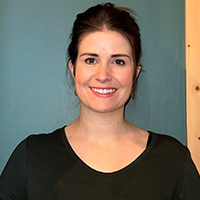
Carly Vanderhart – Acclaimed
She, her, hers
Biography
I am a 17 year RN, wife and mother of two teenagers, living in Golden for 10 years. I am a long-term and dedicated union advocate, pushing for safe work environments for all Nurses.
I will continue the great work already accomplished striving to empower members and JOHSC reps to effect positive change in their work environments.
I am committed to holding the employer accountable for Nurses safety within our work environments through enforcing collective agreement compliance and upholding WorkSafe BC Regulation.
Role based questions
- What experience do you have with workplace health and safety, and how would you advocate effectively for safer workplaces?
I have served EK Nurses in the Regional Health and Safety rep role over the past 6 years, prior to which I held the Regional Mental Health Advocate role for 9 months. I have been a worksite employee JOHSC rep in the Golden Hospital for 8 years.
I will continue my advocacy work by bolstering education and resources available to JOHSC reps and creating effective change on a regional level through Health Authority committee's such as the Regional Violence Prevention Committee. - How do you stay informed about occupational health and safety legislation and best practices?
Through regular connection with our BCNU OHS Staff, monthly OHS Rep Check-ins, and twice annual OHS rep provincial education. In addition, I have a continual dedication to ongoing learning through resources such as SWITCH BC, WorkSafe BC and the BC Federation of Labour. - How would you identify and prioritize health and safety risks affecting members in diverse workplaces?
Prioritizing in-person connection with Nurses whenever able such as during Regional Meetings, Mini-Regional Dinner Meetings and outreach events such as Nurses Week.
Regular connection with BCNU JOHSC worker representatives and stewards at individual worksites is key to remaining up-to-date on regional concerns.
Further, I will continue to utilize and improve upon existing tools such as review of worksite JOHSC minutes and participating in JOHSC meetings as a guest. - How would you handle disagreements with employers on safety issues?
Taking a measured approach allows space to identify common ground and opportunities for progress rather than escalating tensions through reactive responses, disagreements regularly involve multiple perspectives and broader contextual factors.
I am experienced in utilizing available tools such as JOHSC minutes, incident investigations, worksite walkthroughs, violence risk assessments, WorkSafe consultation and 21 Day Letters to ultimately get the job done. - How would you explain safety rights or hazards to members and stewards in a clear and practical way?
By making them relatable using my 17 years as an RN working primarily in rural environments including Emerge, Maternity, Acute, LTC, Community, and Public Health.
I have an intimate understanding of how safety rights and hazards affect Nurses in their workplaces on both a day to day basis and long-term. I use my varied experience to frame identifying risks and hazards in relatable ways.
There is no ""one size fits all"" when it comes to helping Nurses understand how action can effect change. - How would you work with stewards, regionally elected leaders, Council, and BCNU staff to advance BCNU's Strategic Directions?
The key to advancing BCNU's strategic direction to uphold Nurses right to a physically and psychologically safe workplace is through empowerment of our worksite JOHSC reps and influencing systemic level change both provincially and through our Health Authorities.
I will continue to build the trusting and productive relationships I have established over the past six years. These collaborative relationships are the reason we have been so successful in continual progress. - Why do you want to serve in the role of Occupational Health and Safety Rep, and how will you ensure members’ safety concerns drive your work?
I will to continue my dedicated advocacy work, constantly striving towards improvements to Nurses safe working conditions. I am committed to continuing the momentum I currently have empowering JOHSC reps at local worksites through accessible formal education putting the knowledge and skills right where it needs to be, at our nursing stations and in our hallways. - How has your understanding of the principles of diversity and/or equity and/or inclusion evolved?
I have had the opportunity to listen to nurses share their experiences and perspectives in meaningful and often vulnerable ways. These interactions have deepened my appreciation for the complexity of each individual and the personal factors that influence their experiences in the workplace.
Understanding of DEI is a continual process, it requires humility and a commitment to growth over time. - How do you ensure your decisions are informed by evidence, member input, and long-term effects rather than urgency or pressure?
My experience in OHS roles has reinforced the importance of patience and strategy. I have seen how rushed decisions can lead to unintended consequences, while well-considered approaches are more likely to produce lasting, positive outcomes.
I take time to assess potential risks, consider long-term impacts, and evaluate options carefully.
By maintaining an evidence-informed approach, I aim to support decisions that are not only responsive to current needs but also sustainable over time.
Professional Responsibility Advocate
Leslie English – Acclaimed
She, her, hers

Biography
I am a dedicated nursing professional with strong experience supporting members through complex practice issues, grounded in clear communication, fairness, and evidence‑informed decision‑making. I am seeking the role of Professional Practice Advocate to help members navigate professional standards with confidence, bridge regulatory expectations with real workplace conditions, and advocate for the resources they need to provide safe care. Guided by BCNU's values. I aim to offer principled, consistent support that strengthens member well‑being, professional practice, and public trust. I will work to ensure that decisions are evidence‑based, member‑centered, and focused on long‑term impacts.
Role based questions
- What does professional standards mean in a union context, and why is it important for members and the public?
Professional standards define what safe, competent, ethical practice looks like, and the union defends members' ability to meet those standards. They are rooted in regulatory bodies' standards (like the BCCNM) but are also supported and upheld by the union because they directly affect members' working conditions, safety, and the quality of care they can provide. - How would you balance accountability, fairness, and compassion when professional concerns arise?
You balance accountability, fairness, and compassion by addressing concerns directly and transparently, while also recognizing the human realities behind mistakes and ensuring that any response supports learning, safety, and dignity. For members, it ensures they are treated with dignity and supported to succeed. For the public, it ensures concerns are addressed in a way that protects safety and maintains trust. For the profession, it builds a culture where people feel safe to speak up, learn. - Describe how you would approach sensitive or contentious professional standards issues.
When approaching sensitive or contentious professional standards issues, I focus on creating a process that is calm, transparent, and grounded in respect. I start by gathering facts and listening carefully to everyone involved so the concern is understood in its full context, not through assumptions or emotion. I use professional standards as an objective anchor, which helps keep the discussion focused on practice expectations rather than blame. - How would you explain complex or emotionally charged standards issues to members?
I explain complex or emotionally charged standards issues by using clear, simple language and acknowledging the emotions involved. I connect the issue to shared professional values so members understand the purpose behind the standard. I provide context to ensure fairness, recognizing when systemic factors contribute. I offer practical next steps so members feel supported, and I maintain - How would you work with regionally elected leaders and BCNU staff in managing sensitive professional issues at diverse worksites?
I would work with regional leaders and BCNU staff by keeping communication open, respecting local context, and ensuring our approach stays consistent with professional standards and union values. I'd collaborate with them to understand the unique dynamics of each worksite, maintain confidentiality, and address issues through fair, supportive, and solutions‑focused problem‑solving. - How would you ensure members understand professional standards in comparison to collective agreement language?
I would explain the difference between professional standards and collective agreement language. I would break down how standards guide safe, ethical practice, while the collective agreement protects members' rights and working conditions. Using real examples helps show how they work together rather than conflict. I'd communicate in plain language, create space for questions, and emphasize both frameworks ultimately support safe patient care and protect members. - Why do you want to serve in the role of Professional Practice Advocate, and how will BCNU values guide your decisions?
I want to be a Professional Practice Advocate because I'm committed to helping members navigate complex practice issues with clarity, support, and confidence. In this role, I would use BCNU's values to guide every decision: solidarity to stand with members, integrity to act transparently and ethically, accountability to uphold professional standards, equity to ensure fair support across diverse worksites, and advocacy to challenge unsafe conditions. - How has your understanding of the principles of diversity and/or equity and/or inclusion evolved?
My understanding of diversity, equity, and inclusion has evolved from seeing them as broad concepts to recognizing them as practical, everyday responsibilities. I've learned that diversity is about valuing different identities and experiences, equity means addressing unequal starting points and removing barriers, and inclusion is the intentional work of creating environments where everyone feels respected and able to contribute. - How do you ensure your decisions are informed by evidence, member input, and long-term effects rather than urgency or pressure?
I keep my decisions grounded by slowing down, gathering solid information, and listening to members before acting. I rely on evidence and real‑world input to understand the full picture, then consider how each choice will affect members and practice over time. By taking a step back and focusing on long‑term impact rather than immediate pressure, I'm able to make decisions that are fair, thoughtful, and sustainable.
Candidate Attestations
- I have disclosed any other current union, board, employment, or governance roles that may intersect with my duties and responsibilities as a BCNU executive officer if elected.
Yes
Steward Liaison
Vacant
Treasurer
Gina Neumann – Acclaimed
She, her, hers
Biography
My name is Gina, and I am running for re-election as your EK Regional Treasurer. I am the out-of-town regional treasurer on the Provincial Finance Committee, and I am committed to fiscal responsibility at the regional and provincial levels. I have completed my master's in nursing and UBC Sauder's Fundamentals of Accounting for Non-Financial Managers. I am naturally tech-savvy and am comfortable with the accounting software that we use to track regional budgets and spending. I am highly organized and motivated, and I promptly address issues. I am not afraid to ask difficult questions and believe that our members deserve an experienced regional treasurer to ensure financial accountability.
Thank you very much for your consideration.
Role based questions
- What experience do you have with budgeting, financial oversight, or reporting, and how will you ensure members’ dues are managed responsibly and transparently?
I have a strong background in BCNU budgeting, financial oversight, and reporting. I have been the EK Regional Treasurer for 2 terms and currently sit on the Provincial Finance Committee as the out-of-town treasurer. I am also an elected member of the PJAC team, which includes job action financial oversight and responsibilities. I advocate for fiscal responsibility regarding members' dues at the regional and provincial level, and I understand the language and processes that BCNU finance uses. - What financial tools or systems have you used, and how would you use technology to improve accuracy, reporting, or accessibility of regional financial information?
I am proficient in both using and teaching others how to use BCNU's Member Expense Approver Dashboard (Boomi), NetSuite, and Formstack. I have taught new regional treasurers how to use these financial systems and have shared my tips and tricks over the years. The technology allows me to easily answer members' questions about the regional budget and provides up-to-date information about our regional spending. - How would you explain a difficult or controversial financial decision to members in a clear, accessible, and respectful way?
I would invite the member who had the question to meet with me. I would explain the information that is allowed to be shared with the membership and invite additional questions. Members have a right to know how their dues money is being used by BCNU. If I were unable to answer their question or if the member would like to escalate their concerns, I would provide them with the Provincial Treasurer's contact information. - Describe a time you had to question a financial decision or raise concerns about governance or spending. What guided your approach?
I sit on the Provincial Finance Committee and have been a part of this process many times. Without disclosing specific information, I believe approaching the member from a place of curiosity rather than blame is the most effective communication process. Many times there is additional information that can help explain the decision. Ultimately, BCNU's Policies should be followed and taking some time to educate the member can help prevent issues from occurring in the future. - When there are disagreements about spending priorities, how would you manage conflict while upholding union values and maintaining trust?
As with any group of people, there will be disagreements. If there are competing priorities, I've found that returning to BCNU's strategic directions can help guide decisions. While creating our regional discretionary budget, I've found that the added component of matching the strategic direction to the budget line has been helpful to ensure that we are maintaining BCNU values. - How do you see the Treasurer working with other regionally elected leaders, Council and BCNU staff to support effective regional governance?
The regional treasurer is a part of the exec committee and works with the team to ensure financial accountability within the region. I'm also on the Provincial Finance Committee, which ensures fiscal responsibility across the province. The decision-making process is collaborative, and effective regional governance includes understanding the regional team's budget and spending. I provide a treasurer's report at every executive meeting and at the Regional Meetings for the membership. - Why do you want to serve in the role of Regional Treasurer, and how will you ensure your decisions consistently reflect the needs, equity considerations, and voices of members all while supporting BCNU's Strategic Directions?
I believe in the power of BCNU. I also believe in fiscal responsibility and ensuring accountability when spending members' dues. I have helped the networks and caucus reps submit their budgets in the past, and we welcome additional input from members, both informally and through event feedback surveys. The decisions made by the regional treasurer are not made in isolation, and being part of the regional executive team means taking responsibility for supporting the members in our area. - How has your understanding of the principles of diversity and/or equity and/or inclusion evolved?
Understanding that I view situations through my own lens and while I strive to be fair and equitable, there is a layer of implicit bias that is present. DEI is essential to ensuring that all members of BCNU are being heard and represented and it is an ongoing process. I've attended the HRE Conference in the past, as well as the HRE Bargaining Conference, which has helped me understand other perspectives. - How do you ensure your decisions are informed by evidence, member input, and long-term effects rather than urgency or pressure?
As the regional treasurer, I work with the team to finalize next year's budget at the annual executive planning meeting in the fall. This includes reviewing member feedback, welcoming new initiatives, and planning events and meetings for the entire year. If there is another regional executive decision, we have a group norm that email is the preferred method of communication, so that people have time to read the information and be well-informed before we vote on an issue.
Candidate Attestations
- I have disclosed any other current union, board, employment, or governance roles that may intersect with my duties and responsibilities as a BCNU executive officer if elected.
I'm a member of the Provincial Finance Committee as the out-of-town treasurer, and I'm also a member of the Provincial Job Action Committee.
BCNU Election Candidate Attestations
All regional candidates have affirmed yes to attestations (1-9) below:
- I am a member in good standing of BCNU, with no outstanding disciplinary proceedings, and meet all BCNU Constitutional and Bylaw eligibility criteria for the position I am seeking.
- I commit to upholding BCNU’s Constitution and Bylaws and the Policies and Procedures, and will engage in ethical, respectful, and inclusive conduct during the election and throughout any term in office.
- I have reviewed and understand the fiduciary duties and responsibilities as described in Policy 2.0.1 and in the job description, including the duties of care, loyalty, compliance, confidentiality, and accountability to BCNU’s vision, mission, values, and members.
- I affirm that I will protect and safeguard any member information, BCNU internal documents, or confidential records that may be made available to me during the course of this election or while in office.
- I will disclose any real, perceived, or potential conflicts of interest prior to or during my candidacy and, if elected, will comply with all conflict-of-interest policies and governance requirements.
- I have reviewed and understand the election code of conduct as stipulated in Policy 2.0.7, including the guiding principles for BCNU elections, candidate and BCNU member roles and responsibilities, and the rules pertaining to campaign materials.
- I will not engage in any campaigning, communications, or actions that may be reasonably understood to involve misinformation, personal attacks, or harassment, and I understand that such behaviour may result in immediate removal from the election process.
- I hold current registration in good standing with the British Columbia College of Nurses and Midwives (BCCNM) and confirm there are no current findings of professional misconduct, suspension, or conditions on my nursing license.
- I understand that all attestation statements are subject to verification by the BCNU Nominations Committee, and false declarations may result in immediate disqualification from candidacy or immediate removal from elected office.