

 Fraser Valley Candidates
Fraser Valley Regional Executive Election Results
Regional Council Member
Katherine Hamilton – Acclaimed
She, her, hers
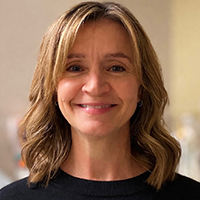
Biography
I've been proud to call nursing my career for 39 years working in neonatal, perinatal, surgical and public health Today, I'm a Patient Care Coordinator in the NICU, where I support patients, families and staff every day. I've spent 33 years as a steward because standing up for my colleagues has always mattered to me. I also served as a BCNU Regional Council Member from 2017-2017, advocating for nurses at a broader level. I believe strongly in public health care and have shown up at rallies and campaigns to protect it. I'm committed to equity, diversity and inclusion, and ensuring every nurse feels heard, respected and supported. With leadership experience and education, I am committed to being a strong, approachable voices for nurses.
Role based questions
- What do you see as the primary role of a regional council member in a member-driven union?
An RCM's main objective is to represent and advance member's interests by building connections, listening to various diverse needs and working in partnership with the President and Council. Communication is paramount to engaging the members, informing them of BCNU's strategic directions, their application and advancement in the region. With ongoing engagement, the RCM must then amplify the voices of the members to the Provincial level, both within the union and employers. - What is the single most important value a regional council member must have, and why?
If I must single out one characteristic that I value in a leader, it is accountability. This is an obligation and willingness to take responsibility for your actions, decisions, and commitments which then build trust and reliability within your teams and communities. An RCM is accountable to provide leadership to their teams and communicate with their region; they are accountable to the members for any union expenditures and managing the regional budget. - How can technology be used to strengthen member engagement, democratic participation, and accountability in the union - and what safeguards are necessary to ensure equity, privacy, and trust?
Technology can connect people and collect data which in turn can help create pathways for better representation. Member mapping can help visualize and understand the lifecycle of a member from initial awareness of BCNU to long term engagement. Using surveys, polls and interviews we can gain insight and identify the gaps to increase interest and retention. We need safe private platforms to engage with our members. - Describe your approach to listening to members who may feel unheard, marginalized, or frustrated with BCNU?
My approach is direct, in person and prompt. I like to talk to members in person if possible or a zoom call if needed. I feel it is extremely important for members to feel prioritized. It is equally important to create an environment that feels safe to the member where they can fully disclose their issue. With active listening and culturally sensitive lens you can create trust and fully acknowledge their feelings. - How do, or would, you approach conflict (i.e., between members within regional teams and/or Council, or between BCNU and the employer) while maintaining professionalism and fairness?
I believe in a restorative justice approach to conflict resolution. Bring parties together to discuss and resolve issues with laying blame or dispensing discipline. It is important to create a safe place where all parties can be heard and valued, encouraging the parties to take responsibility for their own actions and focusing on repairing the relationship. - How do you balance representing the will of members with responses to uphold bylaws, policy, collective agreements, and human rights obligations?
Having a deep understanding of BCNU's polices, bylaws, collective agreements and human rights obligations would guide every conversation and subsequent action plan. I would teach advocacy while upholding the unions governing documents. Education is the way to bridge the gaps and bring actions into alignment. - What past experience best prepares you for this role as regional council member, and what lessons from that experience will guide your work?
I have been a union advocate for thirty-three years as a full-time steward, various Regional executive roles and regional council member from 2014-2017. I have been a nurse for 39 years, holding various positions. With this experience I have learned that relationships are paramount in leading teams and building coalitions. I also believe that the linear line from novice to expert needs to be reimagined as a circle of lifelong learning. - How do you communicate complex or controversial decisions to members in a way that builds trust, even when members disagree?
In order to communicate complex or controversial decisions it is important to acknowledge differing perspectives, giving space to freely discuss, and providing all the facts in a transparent framework. After a fulsome discussion and establishing mutual respect, you may identify commonality or a shared goal to move forward. Being a leader, it is important to empower members and invite and support diversity. It is okay to agree to disagree respectfully. - How do you ensure your decisions are informed by evidence, member input, and long-term considerations, rather than urgency or pressure?
Being present in the region during site visits, actively seeking feedback from the membership, gathering pertinent information and data, will drive decisions and shape the vision for my action plans. Utilizing BCNU's professional practice professionals will support research and interpretation of data in order to make informed decisions. Brainstorming with the focused groups will direct the plan. - Describe a concrete example where you used technology to improve communication, decision-making, or organizing. What worked, what didn’t, and what would you do differently as a union leader?
During a rotation change on a unit I used surveys to determine preferences. The data collection was quick, easy and inclusive. The survey itself was limited, so what I would do differently is use a secure platform and have a more robust questionnaire and discuss what would be reported out ensuring anonymity. - How do you guarantee culturally sensitive interactions with your members?
Remaining humble with ongoing learning is the only way to commit to cultural humility and respectful engagements with all members. BCNU represents a diverse membership, and it is important to make a conscious effort to listen actively and remain open to all perspectives and avoid assumptions. - How has your understanding of the principles of diversity and/or equity and/or inclusion evolved?
Understanding the concepts and principles of diversity, equity and inclusion has evolved from awareness to actionable behaviour. It is important to stay curious and actively solicit knowledge from the equity seeking groups. However, it is what you do with that information that directly impacts our members and creates a closed loop of knowledge transfer.
Technical Questions
- What is your experience with Microsoft Word, Excel, and Outlook and what is your ability and willingness to learn new computer platforms and applications (e.g. BoardEffects, Expensify, Formstack, Ceridian Dayforce, ZOOM, Box, etc.)?
I have used Microsoft Word, Excel and Outlook every day as a nurse and a union advocate. I am currently using the other platforms as the interim regional council member. - Where and how have you developed your historical and technical base of understanding in all areas of the union’s work including bargaining and BCNU policies and procedures?
I have 33 years of experience as a steward. I have been involved in bargaining at the regional level in an independent facility and with the Nurses Bargaining Association during my time as regional council member. I have taken multiple courses at the BCNU throughout the years and in services provided by education department. - How would you describe your understanding of budgets and financial statements and the general structure and function of BCNU’s financial systems as well as the broad economic picture of BCNU?
I served as regional council member 2014-2017, during which time I oversaw the regional budget. I also served as interim regional treasurer in 2024.
Communications Secretary
Danielle Westwick – Acclaimed
She, her, hers
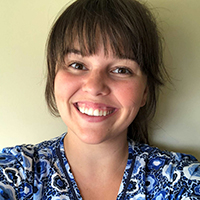
Biography
As a nurse with nine years of diverse clinical experience (acute, LTC, Community) I believe that transparency and communication are at the heart of a strong and effective union.
I have been actively involved in union advocacy since 2016, beginning as a student delegate at convention. In 2017, I became a steward in 2017 and from 2022 to 2025, I served as an Occupational Health and Safety Representative for the Fraser Valley region where I advocated for safe and sustainable working conditions across our region.
Knowledge is power and that is why I believe that there it is so important that members receive timely, clear accurate information. I am committed to building trust, transparency and engagement with our membership if elected.
Role based questions
- How would you ensure regional communications are timely, accurate, and accessible to members with diverse needs and communication preferences?
While carrying out my role as Regional Communication Secretary for the Fraser Valley Region- I have ensured that I set aside time each day to update and send out any pertinent information via email as well as assist with creating documents that can be posted at the worksite for those members whose preference is not for virtual communication updates.
Each week I connect with my Regional Council Member to connect on pertinent updates from a council perspective to be sent to the region. - What tools or platforms have you used for newsletters, social media, or websites, and how would you use them to strengthen member engagement?
"In my role, I have utilized and am competent in the following platforms: outlook, teams, zoom, Drop box, campaigner, cvent, sharepoint and BOX. I have also explored other platforms such as canva, adobe and QR code creating software to try and bring the most relevant information right to the membership in a visually appealing and user friendly manner.
Knowledge is power and I believe our members have the right to know what is happening in their union." - How would you communicate difficult or controversial decisions while maintaining transparency and member trust?
I believe that transparency is fundamental in building the trust of my fellow members. We are all the union- and I believe we all have a role in helping push our collective voice to the highest levels to make change.
For members I would reiterate that decisions are made by the collective in a democratic manner and help educate them on how to make their voices heard.
I would also remain open and honesty with the information I provide and refer to official meeting minutes/documents. - If misinformation begins circulating among members, how would you respond quickly and responsibly?
I would help educate the members involved on where to find the most up to date information as well as how to read the approved meeting minutes/agendas to ensure they are forming their conclusions based on objective facts rather than hearsay.
I believe utilizing our forums such as the campaigner software can be a great way to reach the entire region (of course having the messaging approved through the appropriate channels- RCM/Head office (if applicable). - How would you work with other regionally elected leaders, Council, and BCNU staff to ensure consistent messaging across the region?
I would collaborate, confer and create documents related to messaging in a united front. Working closely with my Regional Council Member as well as my Regional Executive Team would ensure that the messaging is up to date based on head office direction and consistent across the region to the membership.
United we are stronger and our collective voices will be more powerful together. This can be done via email, zoom meetings, in person meetings whatever is needed to put forward the messaging. - How do union values such as integrity and solidarity inform how information is shared?
Integrity and Solidarity mean being honest, accurate, transparent, and building unity/mutual support amongst our membership.
To build trust we need to ensure information is shared openly and inclusively to keep everyone united.
You cannot build trust with deceit. In my role I plan to model that in everything I do to ensure members feel they are getting the most up to date/truthful information from their regional leadership. - Why do you want to serve in the role of Communications Secretary, and how will you ensure communications reflect member priorities and BCNU's Strategic Directions, rather than personal opinions?
I believe knowledge/information is power. Timely access to pertinent information as well as education to pour membership is crucial in helping strengthen our collective voice. One voice alone won't cause much of a ripple- but if we do it together we can truly make waves of change.
Strategic Direction 1.3 speaks to Improving Communication to Activists and Regional Teams- in my belief this is crucial for us as a union to move forward and grow and if elected I will strive to this goal. - How has your understanding of the principles of diversity and/or equity and/or inclusion evolved?
In my time working as an advocate for BCNU- I have listened, learned and grown in my role as an ally.
I see the principles as valuing differences, perspectives and experiences. It is giving everyone the support they need to succeed and creating environments where everyone feels respected, heard and able to participate.
We have made steps in the right direction- but ongoing efforts and action need to be done to help us grow and ensure all are made to feel welcome and valued. - How do you ensure your decisions are informed by evidence, member input, and long-term effects rather than urgency or pressure?
In my time working as a bedside nurse in multiple areas (medical/surgical, emergency, ambulatory care, long term care, community)
I have learned that preparation is key in predicting how we are going to respond to high stress situations. Our initial stress fuelled reaction may not be the most efficient in dealing with the issue. I believe data collection, listening to the voices of the union are vital in our strength.
We are all the union and everyone should be heard no matter what.
Lobby Coordinator
Sarbjit Gill – Acclaimed
She, her, hers

Biography
A Registered Nurse since 2002, I began my career at Royal Columbian Hospital before joining the Emergency Department at Abbotsford Regional Hospital in 2012. I currently serve as Patient Care Coordinator in the ER, where I support staff through mentorship, advocacy, and steady leadership. I prioritize strong connections, clear communication, and evidence-based decisions. Regular collaboration with regional colleagues ensures my work aligns with BC Nurses' Union values and upholds a high professional standard. My past leadership and steward rolls have helped me step into the appointed Lobby Coordinator position seamlessly. I am the current Lobby Coordinator for the Fraser Valley and would love to continue my work.
Role based questions
- What is the role of a Lobby Coordinator, and how does it support members’ interests?
As the current Lobby Coordinator for the Fraser Valley, I contribute to Executive planning and decision-making by drawing on my PCC leadership experience in ER. I bring forward key issues and concerns from both the ER and hospital perspectives to support informed discussions. I also engage with community members through planned connection sessions to gather their perspectives and concerns, allowing me to advocate for their specific needs and identify areas for improvement. - How would you identify and prioritize political or legislative issues that matter most to members?
Quarterly regional walkabouts and connection sessions are conducted to gather information and better understand members' individual needs. As a region, we then collaboratively discuss political issues and prioritize key themes that emerge. The executive team subsequently sets event dates to advocate for safe care and to address improvements in the social determinants of health, as identified by members. - How would you communicate BCNU positions effectively to elected officials or decision-makers?
I have actively engaged with elected officials at various events they have hosted and followed up with emails requesting meetings to discuss the current state of healthcare in community emergency departments. Following education and briefings from the BCNU education team, I have been able to effectively raise concerns regarding unsafe nurse-to-patient ratios and the resulting safety impacts on both nurses and patients. These discussions have been well received and have helped increase awareness. - How would you ensure your advocacy reflects BNCU's Strategic Directions rather than personal political views?
Building strong connections is central to my approach. Through meaningful engagement, clear communication, and constructive discussions with members, I am able to better understand their needs and perspectives. I also check in regularly with the regional team to ensure my decisions are sound and aligned with BCNU values. I recognize that I represent the union in this role and must consistently uphold a high standard of professionalism. I stay calm and focused on evidence rather than pressure. - How would you work with members, regional elected leaders, coalitions, and community partners to advance BCNU goals?
I am a positive and approachable individual with the ability to draw on a range of skills to communicate effectively in a way that best supports each event or circumstance. I prioritize active listening and ensure I clearly understand others' goals by asking thoughtful and clarifying questions, enabling meaningful and productive engagement. I reach out to the regional team and take initiative to actively seek out community partners to discuss concerns. Keeping everyone informed is key. - How would you navigate political pressure while maintaining information and union integrity?
I have completed numerous leadership and communication courses through Fraser Health and BCNU in my role as an ER coordinator. My 24 years of nursing experience have provided me with the skills to navigate differing opinions and values in a professional manner. I am aware of my communication strengths and can adapt my approach to meet the demands of complex or sensitive topics. I understand that BCNU is a non-partisan organization and remain committed to maintaining neutrality in my role. - Why do you want to serve in the role of Lobby Coordinator, and how will BCNU values guide your political advocacy?
I was asked to serve in this role last year and have gained valuable insight into BCNU's representation and influence with political leaders. I will continue to strengthen connections with members of various political and community groups. I have already scheduled summer engagements with local Rotary Clubs and Kinsmen organizations to present on topics such as nurse-to-patient ratios and preventing workplace violence. I appreciate the positive feedback from both regional and provincial executive - How has your understanding of the principles of diversity and/or equity and/or inclusion evolved?
I have been actively involved in liaising with and supporting Human Rights caucus groups and network representatives in the Fraser Valley by hosting and organizing community events. I have also sought out valuable educational sessions through BCNU DEI regional members and CFNU online learning to better understand experiences of inequity. These opportunities have reinforced the importance of self-reflection, recognizing personal biases, and working collaboratively toward greater understanding. - How do you ensure your decisions are informed by evidence, member input, and long-term effects rather than urgency or pressure?
Building strong connections is central to my approach. Through meaningful engagement, clear communication, and constructive discussions with members, I am able to better understand their needs and perspectives. I also check in regularly with the regional team to ensure my decisions are sound and aligned with BCNU values. I recognize that I represent the union in this role and must consistently uphold a high standard of professionalism. I stay calm and focused on evidence rather than pressure.
Mental Health Representative
Nicole Trudeau – Acclaimed
She, her, hers
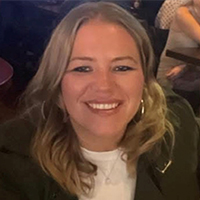
Biography
My name is Nicole Trudeau, and I am a dedicated LPN at ARH, with diverse experience spanning surgical units, long-term care, and the women's prison in Maple Ridge. For the past two years, I have been an active member of the Indigenous Leadership Circle, contributing to Truth and Reconciliation efforts and advocating for cultural integration in healthcare. As a steward, I have built strong relationships with the current executives, which I feel could be a collaborative addition to their board. I am passionate about addressing the growing stressors in nursing, I would like to focus on advocating for mental health support, work-life balance, and improved staffing within the nursing profession.
Role based questions
- What do you see as the key responsibilities of a Mental Health Representative within the union?
I view a core responsibility of this role is to serve as a dependable and effective liaison between members and the union. This would ensure that concerns are communicated clearly and accurately while contributing to the development of practical and impactful solutions. - How would you balance support for members’ mental health and BCNU's Strategic Directions?
Supporting members mental health and aligning with BCNU strategy means recognizing psychological safety as essential to workplace safety. I would be a strong liaison, bringing forward frontline realities while supporting strategic goals like safe staffing levels and advocating for healthy work environments. By normalizing mental health conversation, we strengthen member resilience, engagement and to continue being successful as a collective. - How would you promote mental health awareness and reduce stigma among members?
With the increasing demands of the nursing profession, I witness daily, the significant mental toll it takes on my colleagues. I am committed to being an active participant in raising awareness and education others about the challenges associated with mental health in our workplace. I am also eager to engage collaboratively within the region to explore and promote the new ideas that support a healthier work-life balance. - How would you respond when members are in distress or facing systemic mental health challenges at work?
I would respond with empathy, cultural humility, and action. As a nurse, I understand the mental toll our work takes, so I would ensure members feel heard, supported, and safe in the moment. I would connect them with appropriate supports including EFAP & peer support. Through my Indigenous leadership work, I would advocate for culturally safe approaches, recognizing the unique impacts of systemic inequities. I would also bring these concerns forward to drive change that supports all members. - How would you work with stewards, health and safety reps, regionally elected leaders, and BCNU staff mental health issues?
I maintain strong working relationships with regional executives (from multiple regions) and BCNU staff (through my ILC work as a rep), supporting a coordinated, consistent approach so members feel supported at every level. I would collaborate with health and safety reps to frame mental health as a workplace safety issue, ensuring psychological hazards are identified and documented through the JOHSC process. - How do diversity, equity, and inclusion inform your approach to mental health advocacy?
A DEI approach to mental health is essential for our nursing community. I understand how identity, systemic inequities, and microaggressions impact wellbeing. As a nurse and Indigenous Leadership rep, I will promote culturally safe, equitable support, ensuring all members feel heard, valued, and supported in our workplaces. - Why do you want to serve in the role of Mental Health Rep, and how will you ensure members’ lived experiences shape your work?
I want to serve as the Mental Health Rep to advocate for the mental health and wellbeing of our nurses. By listening to the lived experiences of colleagues and gathering feedback, I will ensure that our union's initiatives address the growing number of stressors we face in healthcare. Through member lived experiences, I will work to secure better resources, support, and work conditions while collaborating with mental health professionals to provide better solutions that support our members. - How has your understanding of the principles of diversity and/or equity and/or inclusion evolved?
My understanding of DEI has expanded over time. Initially, I focused on representation, but I now recognize that equity involves addressing systemic barriers and ensuring fair access to resources. Inclusion goes beyond just having diverse voices, it's about fostering a culture where everyone feels heard and valued. Through my nursing career, I've seen the impact of DEI on both patient care and workplace culture. - How do you ensure your decisions are informed by evidence, member input, and long-term effects rather than urgency or pressure?
I believe in ensuring that all perspectives are heard and all facts are reviewed before making decisions. I'm not afraid to collaborate and remain open to different opinions and ideas. Listening to members is essential to understand their needs, and I strive to find solutions that benefit them. It is important to recognize that not all members are the same, and different outcomes are valid for different people. Different situations will require different approaches.
Occupational Health and Safety Representative
Melissa Martz – Acclaimed
She, her, hers

Biography
I have been an LPN at CGH since 2004, working in medicine. OH&S has always been something I have been passionate about. Once my children were all in school and I had more time, I joined the JOHS committee to have a stronger voice for nurses. In Mar 2024, I became a BCNU steward and now serve as the Fraser Valley OH&S rep. These rolls have helped me step into leadership, where I can support nurses and bring forward concerns. I am very passionate about keeping the workplaces safe and reducing violence. I want to be someone that nurses feel safe coming to for help and I want to make real changes that improve safety in the Fraser Valley region. I am focused on following through and being available so all nurses feel supported when needed most.
Role based questions
- What experience do you have with workplace health and safety, and how would you advocate effectively for safer workplaces?
I have been an LPN at Chilliwack General Hospital since September of 2004. I have always been an advocate on my unit and voice for occupational health and safety. My hands on experience expanded to joining to Chilliwack JOHS committee in 2023. I then became a BCNU steward in March of 2024 and then joined the Fraser Valley Exec team as the OH and S rep in May of 2025. These rolls have strengthened my ability to support nurses in unsafe situations and escalate concerns effectively. - How do you stay informed about occupational health and safety legislation and best practices?
I stay informed by reviewing WorkSafe BC updates and guidelines and any changes being made. I also regularly review employer policies/emails and all of BCNU communications. I investigate and research current issues occurring in the region and help support staff where needed. I engage in BCNU education and the monthly OH and S virtual meetings. I apply what I learn to help educate members in the region about best practices. - How would you identify and prioritize health and safety risks affecting members in diverse workplaces?
I would identify risks through member emails, reviewing JOHS minutes, and by talking to the members in the workplace. I can look for trends across different types of sites and consult other JOHS members and stewards to see what current concerns are. I would prioritize the risks by severity, looking at potential harm to the members, how often it is occurring and how high-risk the situation is. I make sure all concerns are followed through on, by reporting, educating or escalating if needed. - How would you handle disagreements with employers on safety issues?
I would address disagreements by finding facts, going back to the reports, incidents and Worksafe BC guidelines. I would find evidence from WorkSafe BC and legislation that supports my claim. I would escalate through the proper channels when needed and ask for support if I require it. My goal would be to always have open communication and work towards a solution together, but i'm not afraid to push if it benefits our members and keeps them safe. - How would you explain safety rights or hazards to members and stewards in a clear and practical way?
I would explain safety rights or hazards by using real situations from their workplace that makes sense to them. Providing them with handouts that identify common hazards in the workplace and share examples of common hazards they may see. I would have an open conversation where they feel welcome to ask questions and ask for clarity if confusion persists. I can show them hazard reporting forms and how to report hazards and near misses. - How would you work with stewards, regionally elected leaders, Council, and BCNU staff to advance BCNU's Strategic Directions?
Depending on the situation I would keep everyone involved in the loop so we stay on the same page. If an incident occurs at a specific site i would bring those stewards in to inform and educate them. I would keep my RCM up to date with what is going on in the region as well as the BCNU staff when required. I am not afraid to reach out when i need input or another opinion. At the end of the day, the goal is a Healthy workplace and worker safety and that takes a team. - Why do you want to serve in the role of Occupational Health and Safety Rep, and how will you ensure members’ safety concerns drive your work?
OH and S is my passion and I'm committed to advocating for safer workplaces. I want to be a strong voice in the region and someone members can speak openly to. I will engage directly with members to see what their concerns are, communication and education is key. I will review emails and JOHS minutes. I will advocate for the members and bring their concerns forward and ensure issues are addressed promptly and that members and feeling supported. Members concerns will always be my top priority. - How has your understanding of the principles of diversity and/or equity and/or inclusion evolved?
I support a safe and healthy workplace for all members. My understanding on the principles of DEI have grown by listening to members and hearing about their experiences and life stories in the workplace. I want everyone to feel supported and to see me as approachable. I am always learning and seeking opportunities to learn more about how to support all BCNU members. - How do you ensure your decisions are informed by evidence, member input, and long-term effects rather than urgency or pressure?
I take my time to gather information about a situation, looking at all the resources before replying to emails or creating reports I don't rush my decisions. I also consult with other on the team and look for suggestions or perspectives. If the situation is urgent, i still stay focused on evidence and think it through before reacting. Looking at the full picture and thinking ahead help me make better decisions. I feel i stay calm in high stress situations and don't get stressed easily.
Professional Responsibility Advocate
Danielle Semple – Acclaimed
She, her, hers
Biography
Hi my name is Danielle Semple and I have been an RN for 19 years and a steward for 14 years. I have worked in community as a public health nurse since 2007 and am currently working at the Chilliwack Health Unit on the School Wellness Team. I am familiar with the PR process through working as a steward and have help nurses through the process in the past. I look forward to helping more nurses through this process to help improve working conditions.
Role based questions
- What does professional standards mean in a union context, and why is it important for members and the public?
Professional standards are important for members because they provide a clear framework for safe practice and a basis for advocacy. When nurses, for example, are unable to meet standards due to factors like unsafe staffing levels or inappropriate skill mix, the union can use those standards to raise concerns, support members through processes like Professional Responsibility, and push for improvements. - How would you balance accountability, fairness, and compassion when professional concerns arise?
I would start by gathering all relevant information and listening carefully to the member's perspective, ensuring they feel heard and respected. Fairness requires an objective, evidence-based approach by looking at the facts, relevant policies, and standards, while also considering contributing factors such as workload, staffing levels, and available supports. - Describe how you would approach sensitive or contentious professional standards issues.
Addressing sensitive or potentially contentious professional standards issues calls for a clear, thoughtful, and evidence-informed approach that builds trust, supports compliance, and helps resolve conflict. It relies on open communication, careful listening, and grounding discussions in established guidelines. - How would you explain complex or emotionally charged standards issues to members?
Communicating complex or sensitive standards issues to members calls for a thoughtful mix of empathy, openness, and intentional messaging. Rather than just outlining technical requirements, the aim is to help members understand the reasoning behind the changes. - How would you work with regionally elected leaders and BCNU staff in managing sensitive professional issues at diverse worksites?
Working alongside regionally elected leaders within BCNU calls for a cooperative, team-based approach to navigating sensitive professional issues. By drawing on shared expertise, the focus remains on protecting members & strengthening workplace conditions. Including maintaining consistent communication with Regional Council members about trends at worksites, LROs to handle grievances, & using the PR process to address practice concerns at the local level. - How would you ensure members understand professional standards in comparison to collective agreement language?
Professional standards define how work is performed safely and legally, while the Collective Agreement defines the rights and benefits associated with performing that work. - Why do you want to serve in the role of Professional Practice Advocate, and how will BCNU values guide your decisions?
I am motivated to serve as a Professional Practice Advocate to support and empower nurses as they navigate complex, high-acuity workloads, while promoting safe patient care through the Professional Responsibility Process. I am committed to addressing broader challenges to strengthen nurses' well-being and uphold professional standards. - How has your understanding of the principles of diversity and/or equity and/or inclusion evolved?
I have come to appreciate that diversity is not only about representation, but about valuing different perspectives and lived experiences. Equity requires actively identifying and addressing systemic barriers that affect access, workload, and opportunities, rather than assuming a one-size-fits-all approach. Inclusion, in turn, means creating environments where individuals feel respected, heard, and supported to fully participate. - How do you ensure your decisions are informed by evidence, member input, and long-term effects rather than urgency or pressure?
I would try to prioritize gathering relevant information, including policies, professional standards, and any available data or documentation. This helps ground decisions in evidence rather than assumptions. I would also actively seek out member input by listening to their experiences and perspectives, recognizing that they often have the best insight into how issues are unfolding at their worksites.
Steward Liaison
Joanne Hamberg – Acclaimed
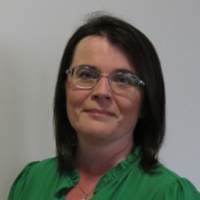
Biography
I am running for steward liaison because I have 31 years steward experience and want to share my knowledge. I am dedicated, dependable, and a good listener. My objectives are to grow the steward team, support growth within the existing steward team by ensuring stewards have the knowledge and resources required to do the job.
Role based questions
- What do you see as the primary responsibilities of a Steward Liaison, and why are stewards critical to a strong union?
The primary responsibilities of a Steward Liaison (SL) are to work with the executive team and FTS/SAL team to recruit and support stewards. As part of the executive team the SL has a responsibility to carry out executive regional plans. Another responsibility is to maintain files on each steward to track their development. The SL also keeps a master list of all stewards in the region and the worksite they represent. Stewards are critical to the union because they uphold/enforce the contract. - How would you support stewards with varying levels of experience and confidence?
To support stewards with varying levels of experience I would pair newer stewards with experienced ones. I would meet with each steward to understand what experiences they already have and identify gaps for learning, so we know where to focus our efforts. I would be encouraging and ensure each steward is aware of their resources, so if they do not know an answer they know where to look and/or who to turn to. - How would you ensure information flows effectively between stewards, members, and regional elected leadership?
To ensure information flows between stewards, members, and executive I would report out at regional meetings and share information at worksite events. There are also two steward planning dates per year where information sharing can occur. Lastly, there are apps like discord, whatsap that all stewards can join where we can share information amongst the team. - Describe how you would assist stewards when workplace issues escalate or become complex.
To assist stewards when workplace issues escalate, I would come along side the steward and assist in problem solving the issue. That could mean involving the regional chair, regional executive team, and/or resources from head office like the OHS officer or executive councillor. - How would you collaborate with regional elected leaders, Council, and BCNU staff to strengthen steward effectiveness in furtherance of the BCNU's Strategic Directions?
The steward liaison role is part of regional executive so participate in regional planning and events around the region. Collaborating with council would be either through my regional chair(RCM) or the RCM that oversees steward liaisons. Collaborating with BCNU staff would be on an as needed basis. - How do solidarity and equity guide your approach to supporting stewards and members?
Solidarity and equity guide my approach by the overarching principle of respect. Maintaining respectful relationships ensures support and empowerment for all. - Why do you want to serve in the role of Regional Steward Liaison, and how will you remain accountable to stewards and the broader membership?
I am running for steward liaison because I have 31 years steward experience and want to share my knowledge. I am dedicated, dependable, and a good listener. I want all nurses to know and exercise their rights; this is how we ensure a fair and equitable workplace. I will be accountable to the membership to manage my time well and keep them informed with regular report outs at meetings. Also, between meetings and if necessary information can be sent to members through the communications secretary. - How has your understanding of the principles of diversity and/or equity and/or inclusion evolved?
My understanding of diversity, equity, inclusion have evolved greatly. I used to think we all have the same rights under the contract (equality), so did not fully understand these principles. Over time I have a greater understanding of each one. Diversity is celebrating differences, inclusivity is to have a sense of belonging and acceptance, equity is understanding/recognizing barriers to ensure equal opportunity. - How do you ensure your decisions are informed by evidence, member input, and long-term effects rather than urgency or pressure?
I ensure my decisions are fully informed by listening to members, researching possible outcomes, talking to the regional chair or other resources at head office. Depending on the issue, I would also research other resources like the labour relations board.
Treasurer
Alisha Norris – Acclaimed
She, her, hers

Biography
I am seeking the role of Treasurer to contribute to the responsible and transparent management of funds in the Fraser Valley. In addition to 10 years as an RN, I bring strong financial skills from a 12-year career in finance, including risk assessment, budgeting, and record keeping. I have the necessary skills to effectively manage our regional budget. I firmly believe union leaders have a duty to utilize members dues ethically.
I value accountability, clear communication, and trust in leadership. I am committed to being a fiscally responsible, approachable, and hardworking leader who consistently puts members first. I welcome the opportunity to educate members on financial reporting and look forward to serving the membership in this role.
Role based questions
- What experience do you have with budgeting, financial oversight, or reporting, and how will you ensure members’ dues are managed responsibly and transparently?
Prior to nursing, I have 12 years in finance, managing $350M in Commercial Lending portfolios and small business bookkeeping. I am confident in my ability to maintain a balanced budget and accurate records. I will safeguard funds through transparent reporting, adherence to BCNU policies, and fiscal accountability. I aim to build trust and confidence by ensuring union spending aligns with member priorities and where appropriate will question use of funds to ensure they are utilized ethically. - What financial tools or systems have you used, and how would you use technology to improve accuracy, reporting, or accessibility of regional financial information?
Through a long career in banking, I developed strong skills in Microsoft Excel, banking systems and QuickBooks. I am also proficient with SharePoint and Box for data sharing and reporting. I can maintain accurate records while producing clear, accessible financial reports. I am confident I can quickly adapt to BCNU systems and serve effectively as Regional Treasurer. - How would you explain a difficult or controversial financial decision to members in a clear, accessible, and respectful way?
I would present financial decisions factually and honestly, providing context on key considerations and constraints. I would create a respectful space for members to ask questions and raise concerns, listen openly to differing perspectives, and prioritize transparency and two-way communication to build understanding and maintain trust. I recognize that members have a right to understand where their funds are spent, and welcome the opportunity for respectful dialogue. - Describe a time you had to question a financial decision or raise concerns about governance or spending. What guided your approach?
I have raised concerns over governance using a lens of curiosity. I approached the conversation calmly, asked open-ended questions and framed concerns through collaboration rather than blame. I reviewed policies, decision-making frameworks, and other relevant information to ensure that I was informed in the discussion. I stood firm on open constructive dialogue, and appreciate that not all decisions are unanimous. I am able to confidently articulate my point of view under pressure. - When there are disagreements about spending priorities, how would you manage conflict while upholding union values and maintaining trust?
I approach conflict with curiosity and respect, prioritizing active listening and discussion over reactive responses. I support decisions which are in the union's best interest, and shift focus of discussions toward shared goals. I value fairness, transparency, and ethical decision-making, and will remain steadfast, supporting outcomes that best reflect member interests. I recognize the democratic process in a regional executive and thoughtful debate safeguards the appropriate use of funds. - How do you see the Treasurer working with other regionally elected leaders, Council and BCNU staff to support effective regional governance?
The Treasurer is a key regional leader, providing accurate, transparent financial info to the RCM, Executive, and BCNU staff. They support the team, guide stewards, assist with events, and engage in governance. By staying informed, contributing to planning, and active collaboration, the Treasurer ensures decisions reflect members best interests and strengthens accountability. The Treasurer assists the regional team while also serving as a resource and support for the general membership. - Why do you want to serve in the role of Regional Treasurer, and how will you ensure your decisions consistently reflect the needs, equity considerations, and voices of members all while supporting BCNU's Strategic Directions?
I want to serve as Regional Treasurer because I strongly believe in fiscal responsibility, and the ethical use of funds. I hold a strong foundation in finance and have always had an affinity for numbers and bookkeeping. I am committed to transparency, ethical spending, and inclusivity, ensuring decisions reflect members' needs. I will provide clear, accessible reporting to the RCM, Executive, BCNU staff, and the general membership. - How has your understanding of the principles of diversity and/or equity and/or inclusion evolved?
My understanding of DEI has evolved to see it as ongoing practice, not a simple yes or no goal. Diversity alone isn't enough without equity and inclusion. People have different starting points and may need support to succeed. Applying DEI means addressing barriers fairly and creating environments where everyone feels respected, heard, valued, and able to participate. It requires an active commitment to fairness, respect, and belonging. - How do you ensure your decisions are informed by evidence, member input, and long-term effects rather than urgency or pressure?
I stay calm under pressure and ensure decisions are evidenced based by reviewing all relevant information, staying up to date on policies and remaining informed. I will consider long term impacts alongside immediate needs and weigh options carefully. I welcome the opportunity to hear members voices and ensure they have a seat at the table in guiding regional strategies, needs and decisions. I aim to uphold the best interests of the membership at all times regardless of the pressures present.
BCNU Election Candidate Attestations
All regional candidates have affirmed yes to attestations (1-9) below:
Candidate Attestations
- I am a member in good standing of BCNU, with no outstanding disciplinary proceedings, and meet all BCNU Constitutional and Bylaw eligibility criteria for the position I am seeking.
- I commit to upholding BCNU’s Constitution and Bylaws and the Policies and Procedures, and will engage in ethical, respectful, and inclusive conduct during the election and throughout any term in office.
- I have reviewed and understand the fiduciary duties and responsibilities as described in Policy 2.0.1 and in the job description, including the duties of care, loyalty, compliance, confidentiality, and accountability to BCNU’s vision, mission, values, and members.
- I affirm that I will protect and safeguard any member information, BCNU internal documents, or confidential records that may be made available to me during the course of this election or while in office.
- I will disclose any real, perceived, or potential conflicts of interest prior to or during my candidacy and, if elected, will comply with all conflict-of-interest policies and governance requirements.
- I have reviewed and understand the election code of conduct as stipulated in Policy 2.0.7, including the guiding principles for BCNU elections, candidate and BCNU member roles and responsibilities, and the rules pertaining to campaign materials.
- I will not engage in any campaigning, communications, or actions that may be reasonably understood to involve misinformation, personal attacks, or harassment, and I understand that such behaviour may result in immediate removal from the election process.
- I hold current registration in good standing with the British Columbia College of Nurses and Midwives (BCCNM) and confirm there are no current findings of professional misconduct, suspension, or conditions on my nursing license.
- I understand that all attestation statements are subject to verification by the BCNU Nominations Committee, and false declarations may result in immediate disqualification from candidacy or immediate removal from elected office.