

 North West Candidates
North West Regional Executive Election Results
Regional Council Member
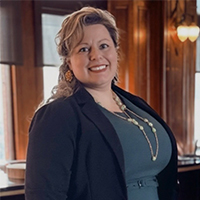
Teresa Forster – Acclaimed
She, her, hers
Biography
Advocating for nurses and strengthening an equitable, resilient healthcare system is my driving passion. I am proud to submit my name for RCM of the North West Region, and I respectfully ask for your support.
Since 2016, I have served as RCM with integrity, fairness, and deep commitment to members. I have championed students, rural and remote nurses, and social justice initiatives that strengthen both our profession and our public health system. I work to build respectful relationships, foster open dialogue, and support thoughtful, inclusive decision-making that reflects the diverse voices of our membership.
If re-elected, I will continue to work hard, amplify member voices, strengthen advocacy and lead with accountability and purpose.
Role based questions
- What do you see as the primary role of a regional council member in a member-driven union?
To me, the primary role of an RCM is to represent and amplify members' voices, advocating for their needs while guiding decisions and providing context for decisions. It also means empowering members in their own advocacy. In my role, I support rural and remote nurses, contribute to mNPR, promote social justice, and mentor students. I draw on my leadership experience and perspective as a worker with a disability to ensure members feel heard and valued, and I advocate for nurses every day. - What is the single most important value a regional council member must have, and why?
Integrity is the most important value for a BCNU leader because it guides all decisions and actions. To me, it is not a buzzword but a constant thread throughout my work and decisions. It builds trust and ensures actions are framed with honesty, transparency, and accountability. Integrity leads to safe, respectful environments where members feel valued and confident decision-making processes will be fair consistent and ethical. - How can technology be used to strengthen member engagement, democratic participation, and accountability in the union - and what safeguards are necessary to ensure equity, privacy, and trust?
In a region as geographically diverse as the North West, this is a key consideration. Using technology and strong digital communication improves engagement and ensures understanding through virtual, in-person and hybrid meetings, online education opportunities, and timely updates. Our addresses should not determine our ability to participate. Ensuring equitable access, protecting privacy, and using reputable platforms builds trust, supports rural nurses, and reduces barriers to engagement. - Describe your approach to listening to members who may feel unheard, marginalized, or frustrated with BCNU?
I listen actively and respectfully, creating space for all members to be heard. I educate members on using motions, resolutions, and advocacy tools, guiding them in raising issues and bringing ideas forward. I advocate for member priorities, even when my views differ, and I validate concerns, ask clarifying questions, and follow up with action while helping members understand options to drive change. I am always willing to engage in respectful dialogue and welcome opportunities to hear your view - How do, or would, you approach conflict (i.e., between members within regional teams and/or Council, or between BCNU and the employer) while maintaining professionalism and fairness?
I aim to approach conflict calmly, neutrally, and factually, seeking common ground and neutral parties when necessary. I follow policies, encourage dialogue, and avoid bias. My goal is always a resolution that preserves relationships, upholds trust and accountability, and maintains professionalism. This role is frequently one in conflict with others - that is sometimes the nature of union advocacy. I find the key is not taking things personsonally and reminding myself, Im here for nurses. - How do you balance representing the will of members with responses to uphold bylaws, policy, collective agreements, and human rights obligations?
Balancing member will with obligations requires transparency and fairness. I listen to members and advocate for their perspectives while ensuring decisions align with bylaws, policies, and legal responsibilities. Decisions follow robust discussions, hearing both sides and considering perspectives. Transparency ensures members understand reasoning. Advocacy for student nurses, rural members, and social justice guides my approach, maintaining fairness and integrity. - What past experience best prepares you for this role as regional council member, and what lessons from that experience will guide your work?
I have been an RCM since 2016, continually growing as a leader while supporting and strengthening advocacy by and for members. My experience in multiple BCNU roles, along with serving as an elected city councillor and in other leadership positions, has sharpened my skills in communication, problem-solving, and conflict resolution. These experiences enable me to lead thoughtfully, with integrity, and remain firmly grounded in member-centered decision-making. - How do you communicate complex or controversial decisions to members in a way that builds trust, even when members disagree?
I communicate complex or unpopular decisions clearly, honestly, and respectfully. I explain the context, reasoning, and constraints, taking time to ensure understanding, even when the message is difficult. I create space for questions and feedback, try to listen without defensiveness, and acknowledge the impact on members. At times I ask for a pause to ensure accuracy of information, and remain open to revisiting issues as needed. This openness helps build trust, even when there is disagreement. - How do you ensure your decisions are informed by evidence, member input, and long-term considerations, rather than urgency or pressure?
I offer regular virtual and in-person engagement for all NW members, ensuring their voices are heard and understood. I remain open to continued discussions-even after hours when needed-to support understanding of differing perspectives. Decisions reflect evidence, member input, and priorities like student advocacy, climate action, and social justice. Policies are reviewed thoughtfully to avoid rushing, with outcomes grounded in sustainability, fairness, and the membership's perspective. - Describe a concrete example where you used technology to improve communication, decision-making, or organizing. What worked, what didn’t, and what would you do differently as a union leader?
I regularly use technology to strengthen communication and engagement through weekly drop-in Zoom sessions, province-wide student webinars and advocacy activities. This allows all nurses in the NW to participate if they choose. We have experienced challenges with hybrid meeting limitations vs. all in person or all virtual and these concerns are currently being addressed by sourcing better technology and support through the main BCNU office. - How do you guarantee culturally sensitive interactions with your members?
I cannot guarantee cultural sensitivity in every interaction, but I am committed to striving to do better each time. I listen openly, respect diverse perspectives, and remain mindful of cultural differences. I avoid assumptions and seek to understand each member's experience. Ongoing learning, self-reflection, and accountability are key to improving and creating an environment where all members feel respected and valued. - How has your understanding of the principles of diversity and/or equity and/or inclusion evolved?
DEI is active, intentional practice. I strive to be thoughtful, seek feedback, own mistakes, and walk beside others. I address systemic barriers and foster inclusion, reflecting my advocacy for student nurses, rural members, climate action, social justice, and support for members with disabilities, ensuring all feel respected, valued, and included in union work. Where I am less informed, I aim to educate myself before placing the burden on someone to educate me. I make mistakes and learn.
Technical Questions
- What is your experience with Microsoft Word, Excel, and Outlook and what is your ability and willingness to learn new computer platforms and applications (e.g. BoardEffects, Expensify, Formstack, Ceridian Dayforce, ZOOM, Box, etc.)?
I am very familiar with and comfortable using all the programs and platforms listed. I learn new systems quickly and adapt to evolving technology, enabling efficient support for members, streamlined processes, and coordinating engagement across a geographically diverse region. When I have a lack of understanding, I seek out additional opportunities to learn and grow. - Where and how have you developed your historical and technical base of understanding in all areas of the union’s work including bargaining and BCNU policies and procedures?
I have built deep union knowledge through hands-on experience, training, and active participation in campaigns and union work. I engage in bargaining, policy, student advocacy, and CFNU climate action. I am unafraid to ask questions, and I continuously learn through meetings and mentorship to support members effectively and make informed, strategic decisions that strengthen our union and empower nurses. I am frequently noted to be a fierce lobbyist for nurses by colleagues and government. - How would you describe your understanding of budgets and financial statements and the general structure and function of BCNU’s financial systems as well as the broad economic picture of BCNU?
I am well versed in fiduciary responsibility as I am currently responsible for understanding budgets, tracking expenses, and ensuring accountability in my RCM role. I make informed, sustainable decisions considering the broader economic context. My additional experience as a city councillor allows additional lenses and opportunities to grow my knowledge base. My advocacy for students and nurses is always within a lens to ensure financial decisions are equitable support members and the union.
Candidate Attestations
- I have disclosed any other current union, board, employment, or governance roles that may intersect with my duties and responsibilities as a BCNU executive officer if elected.
City Councillor - City of Prince Rupert
BC SPCA Regional Council: Chair - Cariboo and North
Lester Center for Performing Arts - Board Appointee
BC NDP - Woman's and Gender Diverse Peoples Representative - North
BC NDP - North Coast-Haida Gwaii - Director at Large (Hold Persons living with disabilities and Women and Gender Diverse People portfolios)
Governor General of Canada's Leadership Conference (GGCLC) Alumni
Communications Secretary
Lindsay Page – Acclaimed
She, her, hers
Biography
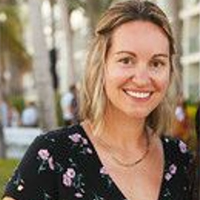
My name is Lindsay Page, I live and work in Smithers in Public Health and Maternity. I have been in the role of Communications Secretary for 2 full terms (with some Maternity leaves in between). I thoroughly enjoy the work in this role and believe I do it well and efficiently to serve the NW region. Minutes and notes are kept organized and updated to member portal for accessibility. Events and venues are planned and booked with fiscal responsibility in mind and membership feedback from past events. Information is posted and shared in a timely manner to the NW region to keep members informed and updated on future NW events and news. I would love to serve the NW region in one more term as the NW Communications Secretary.
Role based questions
- How would you ensure regional communications are timely, accurate, and accessible to members with diverse needs and communication preferences?
I have been in the role of Communications Secretary for 2 terms for the Northwest region. Through learned experience I believe I fulfill this role well and efficiently. I am responsive to all members questions within a timely manner and through multiple platforms of communication to reach as many members as possible within the region. - What tools or platforms have you used for newsletters, social media, or websites, and how would you use them to strengthen member engagement?
Resources utilized in this role include the Campaigner platform to send out emails targeting specific groups: site specific, locations, stewards, or the entire NW region. The BCNU website is utilized to advertise upcoming regional events. The CVENT platform is used to send out emails/invitations to events NW wide, Posters are used to advertise at worksites, word of mouth with the engagement of stewards and the Regional Executive Team is also used. - How would you communicate difficult or controversial decisions while maintaining transparency and member trust?
I would communicate honestly and always using factual and accurate information. If members are unhappy with certain rules/policies/decisions, I would address their concerns and make sure they are heard by the right people in the organization - weather that be the NW chair, the entire NW Regional Executive, or a member of the PEC. I would make sure organizational policies are shared with members and followed fairly. - If misinformation begins circulating among members, how would you respond quickly and responsibly?
If misinformation is circulating within the NW region, I would discuss this with the Regional Executive Team. We would likely make a group decision to send out a NW wide email to address widespread concerns or misinformation. Consultation with the BCNU office (Council or Communications Department) would likely be done as well to ensure messaging is consistent with the organization. - How would you work with other regionally elected leaders, Council, and BCNU staff to ensure consistent messaging across the region?
I would share information as directed from the office and ensure messaging stays consistent from what was given to me. There are departments that specialize in the information that needs to be shared, and it is usually consistent amongst the regions - ie. Educational opportunities from the Education Department or specific information from the Communications Department. Other messaging shared within the region would be a collective decision from within our NW Regional Executive Team. - How do union values such as integrity and solidarity inform how information is shared?
Information shared is factual and consistent with the organizations messaging. When a group decision about information sharing is made within the Regional Executive team the messaging and decision is supported by the whole team moving forward. - Why do you want to serve in the role of Communications Secretary, and how will you ensure communications reflect member priorities and BCNU's Strategic Directions, rather than personal opinions?
I thoroughly enjoy the role of Communications Secretary and the work involved in keeping the team and NW Region organized and informed. I don't share information that is personal, it is limited to BCNU related news and events pertinent to the membership. - How has your understanding of the principles of diversity and/or equity and/or inclusion evolved?
The principals of Diversity, Equity, and Inclusion are made a priority within the NW region and the Organization when communication and planning event. The NW region covers a remote, large, and diverse population. To meet the needs of the NW I am always mindful to utilize multiple modes of communications to ensure messaging is reach to as many members as possible. Ensuring events are accessible to all members and that members feel welcomed and included at all events is also an ongoing priority. - How do you ensure your decisions are informed by evidence, member input, and long-term effects rather than urgency or pressure?
Information shared within the Region is factual and often a group decision within the Regional Executive team. The team seeks info and feedback regularly, in person and through anonymous polls. We try to improve each consecutive meeting by reviewing member input and applying it to future events and planning.
Candidate Attestations
- I have disclosed any other current union, board, employment, or governance roles that may intersect with my duties and responsibilities as a BCNU executive officer if elected.
Yes
Lobby Coordinator
Marlee Emery – Acclaimed
She, her, hers

Biography
My name is Marlee Emery and I am a 13 year RN from Terrace, BC. I have served as Northwest's Regional Lobby Coordinator for well over 6 years now and still thoroughly enjoy liaisoning with our local MLAs, MPs, regional executive team and all of the wonderful members we act on behalf of.
I have held many a rally in multiple locations in Northern BC, as well as in Vancouver with our team. I enjoy the positive, productive relationships I have created among the political world that have been achieved through presentations to various local city councils, and multiple meetings during election and in-between election seasons.
I hope to continue this leadership, teamwork, and advocacy on behalf of the Northwest Nurses for another term.
Role based questions
- What is the role of a Lobby Coordinator, and how does it support members’ interests?
The role of a Lobby Coordinator is to understand BCNU's mission and vision and to use these to guide positive, productive relationships with MPs, MLAs and the regional executive team. By doing the above, it helps to achieve leadership, teamwork, and advocacy politically, while staying neutral. This ensures member interests are being served according to the union as well helps form excellent communication with our members to bring any new concerns, ideas, or information forward. - How would you identify and prioritize political or legislative issues that matter most to members?
Most political or legislative issues that matter most to members are collaborative as a union. Having a strong understanding of BCNU's priorities and their prior rallying and public messaging help to identify member's issues. Member's safety (hiring security), safe staffing (ratios), psychological safety, and being recognized federally as a crime (if a nurse is attacked or injured) are some of the priorities over the past few years. - How would you communicate BCNU positions effectively to elected officials or decision-makers?
I have excellent liaisons with my local MLAs and regional executive team. I also have great relations with all of the regional lobby coordinators. I email, phone, or text on Whatapp if I have questions and we usually use our Whatsapp group chat to communicate regional and provincial events that are happening. Often my regional chair will attend meetings with elected officials with me and has referred me and vice versa to other political figures. I've utilized the media team extensively. - How would you ensure your advocacy reflects BNCU's Strategic Directions rather than personal political views?
My advocacy always reflects a non-partisan approach with BCNU's Strategic Directions. I always meet with and arrange prior to meet with every single candidate, giving identical opportunities and the same messaging in all of my meetings. Equal opportunity and outreach keep the playing field aligned and I am very respectful to all political candidates and figures, regardless their background (right or left). I keep straight to BCNU's messaging and this takes any personal opinions out. - How would you work with members, regional elected leaders, coalitions, and community partners to advance BCNU goals?
To advance BCNU's goals, I would continue my same approach as I have the last few years. I am bringing the big bus up this year to reach as many members and public about BCNU's current messaging (ratios, safety, safe staffing, etc). I would continue my rally's both locally and with the BCNU during convention. I will continue to liaison with all our local MLA's, MP, and local city councils to produce positive, productive relationships and knowledge sharing. - How would you navigate political pressure while maintaining information and union integrity?
I have taken several communication courses through the union, including various conflict management courses. I feel extremely comfortable in my conversational skills and redirecting questions that do not land within the boundaries I am acting within on behalf of BCNU and it's members. I take this position very seriously and am not afraid to gently remind politicians if they are getting sidetracked, asking personal questions, or purposely avoiding topics that we are asking of them. - Why do you want to serve in the role of Lobby Coordinator, and how will BCNU values guide your political advocacy?
I truly love the role of Lobby Coordinator because I believe that politics has the power to be the drive for change and within the values of democracy and excellence, I believe that communicating and educating with studied and verified truths, in a democratic environment with integrity can bring forth that change. I have seen how bringing truth's, sometimes shocking (i.e. violence), into conversations with politicians has changed the way they view healthcare and will change the future. - How has your understanding of the principles of diversity and/or equity and/or inclusion evolved?
I find the more exposure I have to new perspectives, new books, new cultures, the more I start to piece together the world we live in. I wholeheartedly remember being a child and seeing children as their names and recognizing them, not labelling them by their external looks. This includes the valued set of skills each person possesses. I have made an effort to welcome all new nurses, embracing their strengths, and helping to make sure everyone has understandable access to our union materials. - How do you ensure your decisions are informed by evidence, member input, and long-term effects rather than urgency or pressure?
I am a planner. I pre-read all my convention materials and spend hours looking into all the materials they outline as their sources. I do not come unprepared to meetings with politicians nor do I make decisions on the fly. All of my letters and meetings come with member input, media support, and when one is unsure, the best answer is always, "That's an excellent question, I'm going to find you an answer and get back to you". No one should haste an answer that isn't 100% certain.
Mental Health Representative
Taryn Opel – Acclaimed
She, her, hers

Biography
My name is Taryn Opel and I have been an RN for 15 years, all of which I've worked with Northern Health. I live on the unceded Gidimt'en territory, home of the Wit'suwet'en First Nation, colonially known as Smithers BC. I have worked various positions including Public Health, Communicable Disease, Primary Care, and most recently as a Community Health Team Lead. I have also been a member of the NW Regional Executive as the Mental Health Rep since 2018. I have been a BCNU steward since 2016. I have also been a member of my local JOHSC committee since 2012. I only have about 150 words here so I will simply say, I am passionate about my MH role, feel passionate about NW members, and would be honoured to continue serving the NW in this role.
Role based questions
- What do you see as the key responsibilities of a Mental Health Representative within the union?
Acting as an advocate for members experiencing work‑related mental health challenges, including stress, burnout, compassion fatigue, moral distress, and trauma.
First and foremost, I see myself as a leader in my region, and provincially to ensure that all members have an opportunity to have their voices heard, and thoughts moved forward. When it comes to psychological health and safety I feel passionately that I need to advocate for members needs, share member perspective, and disseminate information back. I also have a role to educate members, as well as others who share our workspaces to ensure that psychological health and safety is prioritized. - How would you balance support for members’ mental health and BCNU's Strategic Directions?
I think this requires organization and prioritization. Member's need to come first, and they need to know that there thoughts and perspective are valued. As a MH representative it is my role to ensure that members are aware of BCNU's strategic directions, and have opportunity to discuss and provide insight and thoughts about them. Part of how that can be achieved is to actively engage with members and ensure they have connection with me so I can share their voices broadly. - How would you promote mental health awareness and reduce stigma among members?
My first thought is to just be present. Take every opportunity to get to know members and connect. This has consistently been my favorite part of the MH representative role. I want to know the strengths, the challenges, and everything in between when it comes to the mental health of our members. The more we talk, and broaden the conversation about mental health the sooner we can reduce stigma and make our workplaces psychologically safe. - How would you respond when members are in distress or facing systemic mental health challenges at work?
It would be a different approach depending on each member. I think the most important thing is to be present and engaged in exploring what is happening for the member. Once I can understand what is going on for the member it would be a collaborative approach to understand what the member envisions as next steps. Sometimes that requires some steward work, and other times that might be finding resources for the member, it can also require work to improve systems/workplaces. - How would you work with stewards, health and safety reps, regionally elected leaders, and BCNU staff mental health issues?
Connection and communication. This can be collaborative education sessions, joint efforts to meet with members in workplaces, advocating for change within our region and provincially, utilizing strengths of BCNU staff to support our region. I think the most important thing is to ensure that we are working together and utilizing each other's strengths to impact change. - How do diversity, equity, and inclusion inform your approach to mental health advocacy?
Diversity, equity and inclusion (DEI have to be part of any advocacy work. For me, it is essential to ensure that I have a good foundation and knowledge base around DEI because mental health is shaped by member's lived experiences, and recognition that not all members have access to systems and resources equally. I need to recognize that solutions aren't "one size fits all" and that each members needs are unique. It's also important to challenge systems or policies that have harmed members. - Why do you want to serve in the role of Mental Health Rep, and how will you ensure members’ lived experiences shape your work?
Having held this role for the past several years I have grown and developed a lot. I have seen the importance of being present and attentive to members, and the deep impact that simple but mindful actions can have. It's not always about big change but rather small, thoughtful moments when I can understand a member's experience, hear them and validate their experience, and explore ways to advocate for meaningful changes. - How has your understanding of the principles of diversity and/or equity and/or inclusion evolved?
I have taken the opportunity to take educational opportunities to better understand DEI. Several years ago I would have told you the foundations of DEI are based on fairness and people being represented equally but with further awareness and understanding I now realize that even if systems are built on fairness it doesn't always equate to everyone getting the same treatment. I now am more observant about power, barriers, and those excluded from essential conversations. - How do you ensure your decisions are informed by evidence, member input, and long-term effects rather than urgency or pressure?
I think this comes down to dividing my role into two: 1) initial support and connection with members in crisis, and 2) developing understanding, evidence, education and knowledge related to psychological health and safety. There is always urgency and pressure when people are in crisis and that requires attention in the moment, but beyond that I want to take those moments and move them forward with the goal of impacting systems, and workplaces in positive ways.
Candidate Attestations
- I have disclosed any other current union, board, employment, or governance roles that may intersect with my duties and responsibilities as a BCNU executive officer if elected.
I am currently employed in a temporary community team lead position (level 5) with Northern Health
Occupational Health and Safety Representative
Vacant
Professional Responsibility Advocate
Laura Marko – Acclaimed
She, her, hers
Biography
I am Beth Marko, an RN in the ER in Smithers, BC, and I have served as a PR Advocate for the past three years. While the current collective agreement has presented challenges in this role, I am encouraged by new processes that empower nurses to advocate for themselves and their patients. I hope to see my role play a key part in advancing safe staffing and supporting nurses when ratios are not upheld. Although the specifics of the next contract language are unknown, I am optimistic about positive change and remain committed to supporting every member in our region. I know this process is failing us and I will continue to advocate for a change in process similar to our old process that gave nurses peace of mind and a voice.
Role based questions
- What does professional standards mean in a union context, and why is it important for members and the public?
Professional standards in a union context are the ethical, legal, and practice expectations that guide safe, competent nursing, alongside protections in the collective agreement. I strongly advocate for nurses' rights and ensure standards are applied fairly-not used punitively. This balance protects nurses, supports confident practice, and ensures the public receives safe, ethical, and consistent care. - How would you balance accountability, fairness, and compassion when professional concerns arise?
I balance accountability, fairness, and compassion by approaching each concern with an open mind and a strong ethical foundation. I listen first, gather facts, and ensure decisions are consistent and unbiased. I hold standards firmly while recognizing the realities nurses face, advocating for fair processes and support. My goal is to address concerns constructively, protecting both nurses and safe patient care. - Describe how you would approach sensitive or contentious professional standards issues.
I approach sensitive or contentious professional standards issues with professionalism, neutrality, and respect. I listen first to understand all perspectives, gather facts, and maintain strict confidentiality. I apply standards consistently while considering context, and communicate clearly and calmly. I focus on fair, solutions-based outcomes that support nurses, uphold standards, and maintain trust across teams. - How would you explain complex or emotionally charged standards issues to members?
I would explain complex or emotionally charged standards issues by breaking them into clear, simple language, using real-life examples relevant to their practice. I listen actively to concerns, acknowledge emotions, and provide context so members understand both the reasoning and implications. I encourage questions, offer resources, and focus on practical guidance that supports safe, confident, and informed nursing practice. - How would you work with regionally elected leaders and BCNU staff in managing sensitive professional issues at diverse worksites?
I would collaborate closely with regional leaders and BCNU staff through clear, respectful communication and a shared commitment to confidentiality. By listening first and understanding each worksite's context, I'd approach sensitive issues with fairness and professionalism. I would foster trust, align on consistent approaches, and ensure decisions reflect both professional standards and member support across diverse environments. - How would you ensure members understand professional standards in comparison to collective agreement language?
I would ensure members understand the difference by providing clear, practical education that distinguishes professional standards from collective agreement language. I'd use real scenarios, open dialogue, and accessible resources to show how each applies in practice. By being approachable and responsive, I would support nurses in navigating both with confidence, ensuring safe practice while upholding their rights. - Why do you want to serve in the role of Professional Practice Advocate, and how will BCNU values guide your decisions?
I Want to serve as a Professional Practice Advocate to support nurses as both professionals and people. When nurses feel heard and respected, patient care improves. BCNU's "nurses first" value will guide me to prioritize nurse well-being, safety, and fairness. I will lead with integrity, inclusivity, and accountability. ensuring all voices are heard and advocating for equitable, ethical practice in every decision. - How has your understanding of the principles of diversity and/or equity and/or inclusion evolved?
My understanding of diversity, equity, and inclusion has evolved from treating everyone fairly to actively recognizing and addressing systemic barriers. I now focus on creating environments where all nurses feel valued, supported, and empowered, ensuring diverse voices are heard and respected while fostering safe, equitable patient care. - How do you ensure your decisions are informed by evidence, member input, and long-term effects rather than urgency or pressure?
I ensure decisions are informed by gathering relevant evidence, consulting members for their perspectives, and considering long-term impacts on practice and patient care. I pause to assess facts, seek guidance when needed, and weigh consequences rather than reacting to immediate pressure. This approach balances safety, fairness, and sustainability while keeping members' needs and professional standards at the forefront.
Candidate Attestations
- I have disclosed any other current union, board, employment, or governance roles that may intersect with my duties and responsibilities as a BCNU executive officer if elected.
Yes
Steward Liaison
Peter Gill – Acclaimed
He, him, his
Biography
My name is Peter Gill, and I currently serve as the North West Regional Steward Liaison for the NW Regional Executive.I work with Specialized Services as a North West HSCL Nurse, where I support some of the region's most complex clients and collaborate closely with interdisciplinary teams across the continuum of care. Alongside my clinical role, I am deeply committed to strengthening member advocacy, steward development, and equity within our union.
I am the Provincial Chair of the MOC Caucus and the NW MOC Representative, where I work to amplify the voices of racialized nurses, advance culturally safe practices, and advocate for equitable pathways for Internationally Educated Nurses with a DEI Focus.
Role based questions
- What do you see as the primary responsibilities of a Steward Liaison, and why are stewards critical to a strong union?
A Steward Liaison plays a vital leadership role within BCNU by coordinating steward resources across worksites, mentoring new and experienced stewards, and ensuring members receive consistent, informed support. As outlined by BCNU, the Steward Liaison actively participates in regional planning, recruits and develops stewards, organizes steward activities, and promotes a consistent approach to labour relations and contract enforcement across the region. - How would you support stewards with varying levels of experience and confidence?
I believe that supporting stewards with varying levels of experience begins with creating an environment where every steward feels valued, capable, and connected to the broader goals of BCNU. For new or developing stewards, I would provide hands on guidance by reviewing key sections of the collective agreement together, offering opportunities to shadow experienced colleagues, and checking in regularly to build confidence and ensure they never feel alone in their role. - How would you ensure information flows effectively between stewards, members, and regional elected leadership?
I would ensure effective information flow by building clear, consistent, and accessible communication pathways between stewards, members, and regional elected leadership. This includes maintaining regular contact with stewards to share BCNU updates, discuss workplace issues, and ensure consistent interpretation of the collective agreement across units. - Describe how you would assist stewards when workplace issues escalate or become complex.
When workplace issues escalate or become complex, I would support stewards by providing calm, structured guidance and ensuring they never feel isolated in managing challenging situations. My first priority would be to help them assess the issue clearly-reviewing relevant sections of the collective agreement, gathering facts, and identifying whether the concern involves workload, safety, interpersonal conflict, or potential contract violations. - How would you collaborate with regional elected leaders, Council, and BCNU staff to strengthen steward effectiveness in furtherance of the BCNU's Strategic Directions?
I would collaborate closely with regional elected leaders, Council, and BCNU staff by building strong, consistent communication and aligning steward support with BCNU's Strategic Directions. This means actively sharing workplace trends and steward feedback with leadership so decisions are grounded in frontline realities, while also bringing back clear guidance, resources, and priorities to stewards. - How do solidarity and equity guide your approach to supporting stewards and members?
Solidarity and equity are central to how I support both stewards and members, because they reflect BCNU's commitment to collective strength, fairness, and inclusive representation. Solidarity guides me to foster a steward network where collaboration, shared learning, and mutual support are the norm-ensuring no steward or member faces challenges alone - Why do you want to serve in the role of Regional Steward Liaison, and how will you remain accountable to stewards and the broader membership?
I want to serve as Regional Steward Liaison because I believe strong, supported stewards are the foundation of a strong union, and I am committed to helping build the capacity, confidence, and cohesion of our steward network. This role offers the opportunity to strengthen frontline advocacy, ensure consistent application of the collective agreement, and help advance BCNU's Strategic Directions. - How has your understanding of the principles of diversity and/or equity and/or inclusion evolved?
My understanding of diversity, equity, and inclusion has evolved through both personal experience and my work within BCNU's diverse membership. Over time, I have come to recognize that DEI is not simply about representation-it is about actively removing barriers, amplifying marginalized voices, and ensuring every member feels safe, respected, and valued. I have learned to listen more intentionally, to question assumptions, and to acknowledge how systemic inequities shape people's experiences. - How do you ensure your decisions are informed by evidence, member input, and long-term effects rather than urgency or pressure?
I ensure my decisions are grounded in evidence, member input, and long term impact by taking a deliberate, structured approach-especially when situations feel urgent or pressured. I start by gathering accurate information: reviewing the collective agreement, consulting BCNU resources, and seeking guidance from experienced stewards or staff when needed.
Candidate Attestations
- I have disclosed any other current union, board, employment, or governance roles that may intersect with my duties and responsibilities as a BCNU executive officer if elected.
MOC Provincial Chair
NW MOC Rep
JOHSC Co Chair
Treasurer
Cynthia Dumont – Acclaimed
She, her, hers
Biography
I am a senior nurse employed by Northern Health in Terrace B.C. I have enjoyed working in the Northwest for many years. I am a passionate union activist beginning as a youth in the National Farmers Union in Saskatchewan. I held positions in CUPE, HEU, and now BCNU. I am a grandmother of twins and have been a single parent. I understand the struggles in the workplace and how hard our members work for their paycheck. It is very important to me that their dues are spent wisely. I have survived hard times in my life and will do my utmost to uphold the values of BCNU as a treasurer.
Role based questions
- What experience do you have with budgeting, financial oversight, or reporting, and how will you ensure members’ dues are managed responsibly and transparently?
Unfortunately our region was without a treasurer and I decided to volunteer. Over the past year I have learnt about the importance of fiscal responsibility in this role. I do not take the matter of member's dues lightly and do my utmost to complete the work of the treasurer to the best of my ability. - What financial tools or systems have you used, and how would you use technology to improve accuracy, reporting, or accessibility of regional financial information?
I have used Netsuite and BCNU Member Expense Dashboard as the technological systems to complete treasurer duties. Another application is BOX where information, guidance and forms are stored. - How would you explain a difficult or controversial financial decision to members in a clear, accessible, and respectful way?
I listen to the member's concerns and find out exactly what the heart of the matter is. From there, I use policy to help the member understand the reasoning for the decision. If there is still a misunderstanding, I discuss with my regional chair, and at times, have a discussion with the provincial finance team or provincial treasurer for guidance. - Describe a time you had to question a financial decision or raise concerns about governance or spending. What guided your approach?
The cost of regional meeting, locations and buffet service has increased significantly. I had concerns about the increased cost of a venue and wanted to look elsewhere. It was important to me that the members dues were spent prudently. - When there are disagreements about spending priorities, how would you manage conflict while upholding union values and maintaining trust?
It is best managed by listening to the pros and cons from each party. While following the mission statement a decision can be made with a vote. - How do you see the Treasurer working with other regionally elected leaders, Council and BCNU staff to support effective regional governance?
It is imperative for the treasurer's input in order for the executive to do any planning. The executive needs the budget amounts and how to allocate the allowances. The treasurer and communications secretary work closely together for payment to venues and purchase orders. - Why do you want to serve in the role of Regional Treasurer, and how will you ensure your decisions consistently reflect the needs, equity considerations, and voices of members all while supporting BCNU's Strategic Directions?
I have enjoyed working with the regional executive and discovering how the region functions and decisions are made. Since it has only been a short time in the treasurer role, I would like to improve my skills and increase my knowledge. - How has your understanding of the principles of diversity and/or equity and/or inclusion evolved?
It has grown significantly over my long career as a nurse. I am involved with a few caucuses and aware of their issues and concerns. I am a Regional Rep for the SNN and we created our TOR which includes awareness of diversity and equity. My immediate family members are indigenous and I have witnessed bias, racism, and prejudice personally. I often self reflect about my own biases, learn from them and grow to be an improved version of myself with a widened inclusion lens. - How do you ensure your decisions are informed by evidence, member input, and long-term effects rather than urgency or pressure?
I am not an impulsive person by nature. At this point in my career, I have learned how to step back, evaluate, and collaborate with others prior to any decisions.
BCNU Election Candidate Attestations
All regional candidates have affirmed yes to attestations (1-9) below:
- I am a member in good standing of BCNU, with no outstanding disciplinary proceedings, and meet all BCNU Constitutional and Bylaw eligibility criteria for the position I am seeking.
- I commit to upholding BCNU’s Constitution and Bylaws and the Policies and Procedures, and will engage in ethical, respectful, and inclusive conduct during the election and throughout any term in office.
- I have reviewed and understand the fiduciary duties and responsibilities as described in Policy 2.0.1 and in the job description, including the duties of care, loyalty, compliance, confidentiality, and accountability to BCNU’s vision, mission, values, and members.
- I affirm that I will protect and safeguard any member information, BCNU internal documents, or confidential records that may be made available to me during the course of this election or while in office.
- I will disclose any real, perceived, or potential conflicts of interest prior to or during my candidacy and, if elected, will comply with all conflict-of-interest policies and governance requirements.
- I have reviewed and understand the election code of conduct as stipulated in Policy 2.0.7, including the guiding principles for BCNU elections, candidate and BCNU member roles and responsibilities, and the rules pertaining to campaign materials.
- I will not engage in any campaigning, communications, or actions that may be reasonably understood to involve misinformation, personal attacks, or harassment, and I understand that such behaviour may result in immediate removal from the election process.
- I hold current registration in good standing with the British Columbia College of Nurses and Midwives (BCCNM) and confirm there are no current findings of professional misconduct, suspension, or conditions on my nursing license.
- I understand that all attestation statements are subject to verification by the BCNU Nominations Committee, and false declarations may result in immediate disqualification from candidacy or immediate removal from elected office.