

 Okanagan Similkameen Candidates
Okanagan Similkameen Regional Executive Election Results
Regional Council Member
Candice DeSousa - 730 votes
She, her, hers
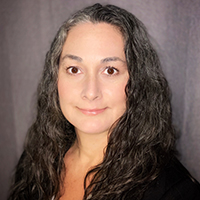
Biography
I'm Candi DeSousa, and I'm asking for your vote to continue serving as your Regional Council Member (Chair) for the Okanagan Similkameen Region. A BCNU member since 2004, I've held roles as Steward, Steward Liaison, Treasurer, Member Educator, and Labour Relations Officer - each one deepening my commitment to this union and the nurses it serves. I am actively engaged and deeply committed to making a meaningful impact for all members. My nursing background is rooted in Emergency Departments across rural and tertiary settings. For six years as your RCM I've built a strong, united region - and if re-elected, I will continue that work: deepening engagement, protecting members' rights, and ensuring every nurse feels supported.
Role based questions
- What do you see as the primary role of a regional council member in a member-driven union?
To be the voice and servant of members - listening deeply, advocating fiercely, and ensuring every nurse feels seen and represented. My job is to amplify what members tell me, hold the line on our collective agreement, and translate union decisions back to members in plain, honest language. - What is the single most important value a regional council member must have, and why?
Integrity means being the same person in every room - at the bargaining table, in Council, and on the floor with members. When I reflect on what guides me personally, it maps closely onto what BCNU stands for. That's not a coincidence. The mission and values resonate because they speak to something I already carry. When I am accountable it's your voice, the members' voice, that shape decisions. - How can technology be used to strengthen member engagement, democratic participation, and accountability in the union - and what safeguards are necessary to ensure equity, privacy, and trust?
Technology is a powerful tool - but it doesn't replace face-to-face connection, and I don't think it should. The real work of a union happens in relationship, and that requires presence. Where technology adds value is in combination with that - extending reach, sharing information, keeping members connected between meetings. Sitting on the Tech Committee for BCNU I've been able to shape some of the decisions the organization has made over the past year. - Describe your approach to listening to members who may feel unheard, marginalized, or frustrated with BCNU?
I show up where members work and listen fully - no interrupting, no rushing to fix. Sometimes the hardest part of this role is sitting with a member's frustration when the employer's actions limit what we can immediately change. In those moments, being heard matters. I'm honest about constraints, clear about what we can pursue, and I follow through - so members know their voice always counts, even when outcomes are slow. - How do, or would, you approach conflict (i.e., between members within regional teams and/or Council, or between BCNU and the employer) while maintaining professionalism and fairness?
I separate issues from individuals and focus on interests, not positions. My LRO training and three years as full-time steward at KGH gave me tools for resolving complex disputes. Within teams or Council, I model transparency, commit to collective decisions once made, and never let interpersonal tension compromise member service. - How do you balance representing the will of members with responses to uphold bylaws, policy, collective agreements, and human rights obligations?
Through transparency and education. I don't just say 'we can't do that' - I explain why constraints exist and whether they can be challenged. Human rights obligations are non-negotiable. If member sentiment conflicts with another member's rights, I stand clearly on the side of those rights while engaging respectfully. - What past experience best prepares you for this role as regional council member, and what lessons from that experience will guide your work?
My three years as full-time steward at KGH and one year as BCNU LRO built my foundation - but my six years as Regional Council Member have prepared me most directly. I've managed governance responsibilities including Strategic Nurse Staffing Committee, Joint Ratio Implementation Committee, and union-employer management meetings, while driving member engagement and regional outreach. That experience taught me to balance organizational accountability with the real, day-to-day needs of members on t - How do you communicate complex or controversial decisions to members in a way that builds trust, even when members disagree?
Before I communicate any decision, I do my own work to understand it fully - because members deserve more than a summary. They deserve someone who can walk through the reasoning with them, answer their questions, and be honest about the parts that are hard. I don't shy away from controversy. I explain what was decided, why, and what it means going forward. When members disagree, I take that seriously. Being trusted doesn't mean being agreed with. - How do you ensure your decisions are informed by evidence, member input, and long-term considerations, rather than urgency or pressure?
Before acting, I ask: What do I know for certain? Whose voice is missing? What are the long-term consequences? I consult widely, resist artificial urgency, and when a decision must be made quickly, I document the context and commit to transparent review afterward. Decisions made under pressure deserve more scrutiny, not less. - Describe a concrete example where you used technology to improve communication, decision-making, or organizing. What worked, what didn’t, and what would you do differently as a union leader?
I've hosted monthly Zoom sessions covering job shares, shift swaps, job action, and rotation changes - consistently reaching 75-100 members per session who couldn't otherwise access that information. What works: members get real answers in real time across a wide geography. I will continue and expand this practice, because that kind of direct, accessible communication is exactly what a dispersed membership needs. - How do you guarantee culturally sensitive interactions with your members?
I deeply care about respecting each member's culture and am genuinely curious about their ways of being. I make a concerted effort to hold space for what someone brings to every interaction. I'm also aware that labour law, collective bargaining, and contract management are inherently colonial systems - process-driven and often rigid. I am the Council Liaison to the Indigenous Leadership Circle, the Co-Chair of the Truth & Reconciliation Committee, and a Council DEI working group members. I do my - How has your understanding of the principles of diversity and/or equity and/or inclusion evolved?
From seeing diversity as representation to understanding it requires structural change. Equity means targeted responses for those carrying historical barriers - especially Indigenous nurses navigating colonization's ongoing effects. Inclusion means questioning whether structures themselves reflect all members' needs. My DEI commitment is no longer abstract - it's grounded in lived experience and shapes every decision I make.
Technical Questions
- What is your experience with Microsoft Word, Excel, and Outlook and what is your ability and willingness to learn new computer platforms and applications (e.g. BoardEffects, Expensify, Formstack, Ceridian Dayforce, ZOOM, Box, etc.)?
The platforms listed aren't new to me - I've used all of them actively over the past six years as part of my regional work. I understand how they function within the context of this role. That said, I'm fully capable of learning whatever comes next. I approach new technology the same way I approach everything in this role - with openness and a commitment to doing it well. - Where and how have you developed your historical and technical base of understanding in all areas of the union’s work including bargaining and BCNU policies and procedures?
My foundation was built over twenty years of progressively deeper involvement - member since 2004, steward since 2005, and through regional executive positions including Treasurer, Steward Liaison, Member Educator for roughly ten years, and six years as RCM. I was a member of the bargaining committee for the 2022-2025 collective agreement. I currently chair the Policy Review Committee which works to update and develop BCNU policies as needed. I know this union from the ground up. - How would you describe your understanding of budgets and financial statements and the general structure and function of BCNU’s financial systems as well as the broad economic picture of BCNU?
For the past six years I've managed the regional budget in conjunction with our Regional Treasurer, so I have a thorough understanding of BCNU's financial structure at the regional level. Through the Provincial Treasurer's regular reports to Council, I'm also well informed on the union's overall financial picture. I come to this role with eyes open on both the detail and the broader economic context.
Jennifer O'Brien - Elected - 811 votes
She, her, hers

Biography
With 25 years of experience as a Registered Nurse-from Acute Care to ICU and now Public Health and as a current Regional Executive member, I am putting my name forward to serve as your Regional Council Member. I'm committed to upholding the democratic, transparent, and member‑driven governance that defines BCNU. My priorities include advancing ratios into Community and LTC sites and ensuring activated units receive consistent support and updates. I am also committed to keeping violence prevention and psychological safety at the forefront of our regional work. If elected, I will bring my experience, dedication to member advocacy, and belief in collective action to strengthen our region and support nurses in every workplace. Thank you
Role based questions
- What do you see as the primary role of a regional council member in a member-driven union?
The RCM role is to take the voices and priorities of the region into provincial decision‑making, and to bring provincial decisions back to members in a way that's clear, transparent, and accountable. It means staying connected to frontline realities, listening to what members are experiencing, and making sure their concerns shape the conversations at Council. The RCM role is about member advocacy, respectful dialogue, and building the conditions for a strong, democratic, member‑driven union. - What is the single most important value a regional council member must have, and why?
The most important value for a Regional Council Member is accountability. Members need to know that their concerns are heard, that decisions are made transparently, and that their elected leaders stand behind those decisions with honesty and integrity. Accountability keeps the focus on member welfare, respectful dialogue, and fair process- even when issues are complex or opinions differ. It's what builds trust and keeps a member‑driven union truly member‑driven. - How can technology be used to strengthen member engagement, democratic participation, and accountability in the union - and what safeguards are necessary to ensure equity, privacy, and trust?
Use a simple app or member portal for two‑way communication and/or secure voting. Ensure ample communication of the tool being utilized to increase usage. For security, limit the personal data you collect, control who can access it. Encrypt data, require multi‑factor authentication and establish independent oversight so members can trust the system. Be Inclusive- use multiple ways to participate: in person, by phone, on paper, and online. Provide training and support so everyone can take part. - Describe your approach to listening to members who may feel unheard, marginalized, or frustrated with BCNU?
My first priority is to create a space where they feel safe to speak openly. I engage by listening without judgment, staying curious, and reflecting back what I hear. I look for the values and needs beneath members' concerns, follow up so they aren't left wondering, and offer multiple ways to connect. My goal is for every member to feel seen, respected, and genuinely heard. Members deserve to know what happened with the concerns they shared, even if the outcome isn't exactly what they hoped for - How do, or would, you approach conflict (i.e., between members within regional teams and/or Council, or between BCNU and the employer) while maintaining professionalism and fairness?
I address conflict early with clarity and respect. I listen for facts, not assumptions, create psychological safety, and focus on shared goals. I stay grounded and professional, ensure all voices are heard, and follow fair processes. I aim for solutions that build trust and strengthen our collective work. Follow‑through is essential. After a conflict is addressed, I close the loop with those involved so they understand what decisions were made and why. Transparency builds trust. - How do you balance representing the will of members with responses to uphold bylaws, policy, collective agreements, and human rights obligations?
I approach member concerns with respect while ensuring decisions align with our bylaws, policies, collective agreement, and human rights obligations. I listen first to understand the issues, then I'm transparent about the boundaries we have to work within. When a request bumps up against those obligations, I explain the "why," look for options that still address the underlying need, and stay accountable for the decision. Honour member priorities while being fair and consistent. - What past experience best prepares you for this role as regional council member, and what lessons from that experience will guide your work?
I have been on the Regional Executive since 2020. What guides me now is the same approach that's worked throughout my nursing career: listen first, get to the root cause, be transparent about what's possible, and stay accountable for the decisions made. I focus on member welfare, use respectful dialogue even in tough moments, and advocate for solutions we build with members. Strong governance grows from solid relationships, clear communication, and a commitment to equity and psychological safety - How do you communicate complex or controversial decisions to members in a way that builds trust, even when members disagree?
I'm direct about what the decision is, why it was made, and the constraints involved. I make space for reactions, listen for the impact, and use respectful dialogue to keep conversations constructive. I also make space for people's reactions. Complex or controversial decisions land differently depending on someone's role, workload, or history. My goal is showing that the process was fair, accountable, and centred on member welfare. Consistency and transparency build trust over time. - How do you ensure your decisions are informed by evidence, member input, and long-term considerations, rather than urgency or pressure?
I check in with the members affected to understand the real issue, not just the immediate frustration. When pressure builds, I come back to member welfare, equity, accountability, and the need to uphold our bylaws and collective agreement. Respectful dialogue helps keep things grounded even when emotions run high. Listening first, naming the pressures openly, and explaining the reasoning behind decisions builds trust, even when the answer takes time. - Describe a concrete example where you used technology to improve communication, decision-making, or organizing. What worked, what didn’t, and what would you do differently as a union leader?
BCNU APP during outreach to help members quickly access the collective agreement. It worked well because I could show them on my phone in real time how to navigate the app and find what they needed. It made the contract feel instantly accessible. Some needed more support or preferred information in other formats. As a union leader, I'd build on this by pairing technology with multiple access points, using tech to support- not replace - relationship‑based union engagement. - How do you guarantee culturally sensitive interactions with your members?
In my Public Health experience culturally safe practice isn't optional-it's core to building trust. That means being transparent, slowing down when needed, and making space for different ways of expressing concern or disagreement. When I get it wrong, I take accountability and correct course. I check my own biases, ask respectful questions when I need clarity, listen deeply, respecting lived experience, and creating conditions where every member feels safe to speak and be heard. - How has your understanding of the principles of diversity and/or equity and/or inclusion evolved?
My understanding of diversity, equity, and inclusion has shifted from seeing them as values we "support" to recognizing them as daily practices that shape how we listen, make decisions, and share power. Nursing has deepened that by showing how inequities and systemic barriers show up long before someone reaches care. For me, DEI has become less about statements and more about consistent actions: listening first, respecting lived experience, and making decisions that don't leave people behind.
Technical Questions
- What is your experience with Microsoft Word, Excel, and Outlook and what is your ability and willingness to learn new computer platforms and applications (e.g. BoardEffects, Expensify, Formstack, Ceridian Dayforce, ZOOM, Box, etc.)?
I'm very comfortable with Microsoft Word, Excel, and Outlook, Zoom, Box - I use them regularly for documentation, tracking information, scheduling, and communication. In my union and nursing roles, I've had to learn new platforms quickly, and I've adapted well. Virtual meeting platforms, and various health‑authority systems have shown me that I can pick up new applications with minimal ramp‑up when needed. For me, technology is a tool to support transparency, communication, and accountability. - Where and how have you developed your historical and technical base of understanding in all areas of the union’s work including bargaining and BCNU policies and procedures?
Being a union activist for over two decades and serving on Regional Executive since 2020 has deepened my understanding of BCNU's policies, procedures, and governance. I've reviewed policy decisions and taken part in discussions that link regional issues to provincial priorities. Much of my learning comes from supporting members directly -applying the collective agreement, ongoing education, and continuous engagement -and I keep building on that as our context and member needs evolve. - How would you describe your understanding of budgets and financial statements and the general structure and function of BCNU’s financial systems as well as the broad economic picture of BCNU?
I'm comfortable reading budgets & financial statements, asking the right questions, and understanding how financial decisions affect members and regional work. Being on Regional Executive has given me experience reviewing budget allocations, understanding how funds are distributed, and seeing how financial decisions connect to policy, governance, and member priorities. I'm familiar with BCNU's financial structure at a high level- how funds flow through regions, committees, and provincial work.
Communications Secretary
Melina Kerrivan – Acclaimed
She, her, hers
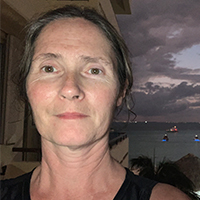
Biography
My name is Melina Kerrivan (Mel) and I am putting my name forward for the position of OS Region Communication Secretary. I have worked in the role of Communication Secretary for the OS Region for 5 years. In that time I have seen a significant increase in member engagement and involvement in the OS Region. I am an ED nurse and union member of 22 years.
I commit to:
- continuous improvement in regional communication methods to engage and provide engagement opportunities to more and more members;
- providing more and diverse ways of engaging members in education, participation, and awareness
- working with our regional and provincial teams (executive, stewards, unit reps, JOHSC, caucus, activists) to promote open and honest communication.
Role based questions
- How would you ensure regional communications are timely, accurate, and accessible to members with diverse needs and communication preferences?
The majority of members are accessed by electronic means. The expectation by essentially all members - at this point in time - is that information will be communicated in electronic form. To ensure equity in communication - other communication methods including mail, posters, bulletin boards at worksites, as well as outreach and focused events, as well as utilizing stewards, unit and caucus reps, and other activists in the worksites, helps ensure that members with diverse needs have access. - What tools or platforms have you used for newsletters, social media, or websites, and how would you use them to strengthen member engagement?
I am proficient with the majority of the platforms and tools used by BCNU. The proper use of these tools - not too much or too little - provides the majority of members the opportunity to participate and be involved in their union. The use of Facebook and other such social media - can open BCNU up to potential liability due to the risk of conversations or trains of discussion that may result in communication not in keeping with BCNU. The use of social platforms can work but requires safeguards. - How would you communicate difficult or controversial decisions while maintaining transparency and member trust?
Difficult or controversial decisions are best communicated in an open, honest dialogue. Thank the member for the opportunity to have the conversation. Appreciate their point of view by truly listening and understanding where their point of view is coming from. When the member is ready to hear what you have to say - then be transparent about the decision that as been made. Many decisions made are the result of multiple factors, as well as policy, and legislation, and the greater good. - If misinformation begins circulating among members, how would you respond quickly and responsibly?
"This depends on the information, how big a group of members, and the reliability of the source. Some misinformation does not require a response. If required, the email (likely) would be facts - no emotion and the rationale behind it. In the event the misinformation was in a small group of people, it is best again to keep it simple - by saying - that is not what's happening. Often, further information is not required when you are known as being ""someone who is involved in the union""." - How would you work with other regionally elected leaders, Council, and BCNU staff to ensure consistent messaging across the region?
I am a member of a team. I work with my team - professionally. There is a hierarchy for information - I am aware of it, I follow it. If my RCM comes to me and indicates communication is required, I will do so but will also be sure that what I am doing is warranted.
I communicate in newsletters about what is happening around the region - this is in my pervue and that of the regional team.
If asked to communicate to the region otherwise, I will ensure I follow the appropriate hierarchy. - How do union values such as integrity and solidarity inform how information is shared?
The information or opinions shared in my communications - align with the Provincial Union. Personal beliefs have no place in my work as a communication secretary.
If there is information that cannot be shared or if I am uncertain if I am to share something - I do not share it. I also only share information that maintains the integrity of my position and the position of my fellow union members.
E-news is communicated out by the Provincial Union and therefore unless shared by them, I do not. - Why do you want to serve in the role of Communications Secretary, and how will you ensure communications reflect member priorities and BCNU's Strategic Directions, rather than personal opinions?
Serving in the role of Communication Secretary allows me to engage members across our region. This work is truly satisfying as I have seen a significant number of members becoming engaged through my work.
The communications I send out are never personal opinion - it is always based on the work of the union and the strategic directions - and never based on my personal beliefs (although they may often align). I ensure this by having my work proofed by my executive team (1 or many) before sending - How has your understanding of the principles of diversity and/or equity and/or inclusion evolved?
My understanding of the principles of DEI have evolved multiple times over. I know that DEI is not in a box. It is not something that we bring into a room. It is the room, it is everyone in the room. We are all a part of DEI. DEI is not separate from anyone, we all have a piece of it, in some shape or form. This may be in our personal lives in the past, present, or future, or may be a part of our family or friends worlds. DEI is and should be a component of each and every part of our days. - How do you ensure your decisions are informed by evidence, member input, and long-term effects rather than urgency or pressure?
Upstream thinking, as opposed to downstream thinking. Most decisions do not need to be made instantly. The idea is prevention and preparation, not waiting until chaos ensues. Knowing what members want and need, is the meaning behind everything. As the communication secretary - it is my job to communicate out to members - what's happening, and provide members the opportunity to connect with (zooms, outreach, events, emails, newsletters) union activists to let us know what their needs are.
Candidate Attestations
- I have disclosed any other current union, board, employment, or governance roles that may intersect with my duties and responsibilities as a BCNU executive officer if elected.
yes..
Lobby Coordinator
Christopher Barta - Elected - 917 votes
He, him, his
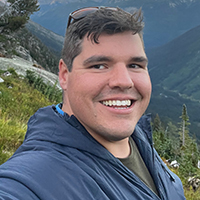
Biography
I am humbly seeking your vote for Lobby Coordinator for the OS region. I have worked as a front-line RN the last 12 years (ED, ICU, MH) as well as your OHS regional Exec and steward.
I commit to strong communication with you when there is important legislation or campaign topics that you need to be aware of so we can collectively engage decision makers to do the right thing for our communities.
My goals would include meaningful, strategic engagement with BCNU members, local politicians, leaders, community members and advocacy groups to collaboratively work for safe patient care, advocate for Issues important to Nurses. I commit to work to formulate real world ways to make healthcare better for patients and Nurses in our region. Thank you.
Role based questions
- What is the role of a Lobby Coordinator, and how does it support members’ interests?
The Lobby Coordinator understands the priorities and direction of BCNU as well of local and provincial issues that impact members, healthcare and our communities. The Lobby Coordinator has a relationship with member lobbyists, regional politicians, leaders in the community and other community activist groups and stakeholders. As a regional executive they are a strong advocate for members in the region. They communicate and collaborate on important issues with them and the regional council. - How would you identify and prioritize political or legislative issues that matter most to members?
Simply I would hear what members are telling me about their work and bring that knowledge to those able to act on behalf of members. I would do so through the collaboration with members in the region as well as the guidance of the provincial lobby coordinator group so that clear strategic advocacy is done on behalf of members. I would increasingly develop a continued understanding of regional and political issues that could directly impact members through news, podcast and social media. - How would you communicate BCNU positions effectively to elected officials or decision-makers?
When communicating with decision-makers I believe it's important to bring a clear message that is a synthesis of evidence, real world impact and the effect on patients themselves. This includes knowing one's audience, starting off on the right foot and building relationships over time. Leaders want to hear why the issue is, why it should matter to them, how it impacts constituents, and what we are asking for. I believe I can deliver that in a friendly, respectful and constructive way. - How would you ensure your advocacy reflects BNCU's Strategic Directions rather than personal political views?
It's easy to be reactionary and take things personally. This includes politics, I am no exception and self-awareness to this is the first step in overcoming it. Although we all have personal political views, I know my job would be to advocate on behalf of all members, this means collaboration with other lobbyists and regional BCNU leaders and having a good understanding on what political action we want from government on behalf of members. Reflection before action is key. - How would you work with members, regional elected leaders, coalitions, and community partners to advance BCNU goals?
I would work by being a consistent participant and leader in regional events, this includes taking feedback on what members want to see from their union to make it more representative of their needs.
I have demonstrated collaboration and problem solving as a steward and as part of my current role as a Regional Exec, my next term would be no different. I would greet in person as many local leaders and community at local events as possible and hope to form working relationships with them. - How would you navigate political pressure while maintaining information and union integrity?
My goal in executing this role is simple, to serve the best interest of members. I have no higher aspiration than this and simply think that I would be the right fit for this role in the region. This means being transparent, being accountable and not compromising on my personal integrity. When it comes to maintaining information, it means following BCNU policy and maintaining the confidence of members. - Why do you want to serve in the role of Lobby Coordinator, and how will BCNU values guide your political advocacy?
I want to serve as your Lobby Coordinator because I want to use by ability to advocate, my ability to communicate and my ability to resolve conflicts to the advantage of BCNU members. I have always been a political junkie, mixing my front-line Nursing experience and people skills with my interest in politics to create real world solutions in a way that reflects BCNU values. Those values will be the ground that my advocacy is built on. I want it to be OUR advocacy. - How has your understanding of the principles of diversity and/or equity and/or inclusion evolved?
My understanding has evolved over time in a way that I have come to know that everyone has their own lived experience. The best way to have an inclusive union is to make sure as many members as possible have input and being very sensitive to the absence of members and their perspective. This means actively seeking out and engaging members who have not participated yet, and creating new spaces for them to have their input. - How do you ensure your decisions are informed by evidence, member input, and long-term effects rather than urgency or pressure?
This is where collaboration and diversity lead to stronger outcomes. Sometimes urgent decisions are needed. I have found that in practice taking time to make sure the decision aligns with evidence, collaborating with members and the leadership team on decisions and discussing openly the possible results. Adding these steps usually isn't too time consuming, but can lead to more productive, permanent solutions. This can be done while acknowledging individual concerns of urgency and pressure.
Darrell Manderson - 571 votes
He, him, his
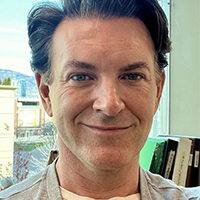
Biography
I am Darrell Manderson, RN, and I am seeking election as your Regional Lobby Coordinator. As a BCNU member for 22 years, I work in both acute (KGH ER & Medical Imaging) and community care (MHSU). I bring a broad understanding of the challenges nurses face, and I'm committed to strengthening the collective voice of BCNU members. I have a strong background in education, communication, and relationship-building. I am skilled at engaging with members, stakeholders, and decision-makers. My belief is that effective advocacy starts with listening and ensuring members' perspectives are heard and reflected. Please join me in advancing priorities such as safe staffing, improved working conditions, and a sustainable healthcare system.
Role based questions
- What is the role of a Lobby Coordinator, and how does it support members’ interests?
Role of LC is to provide leadership and mentoring. They understand BCNUs priorities, and both local and provincial issues. They laisse, network, and listen to differing viewpoints of members/ stakeholders. As a face of the union the LC understands the Collective Agreement, thinks strategically and responds to members. The LC engages members, conveys information thoughtfully, organizes special projects/ functions, is visible, transparent and utilizes social media appropriately/ effectively. - How would you identify and prioritize political or legislative issues that matter most to members?
The first step is to be visible and to listen. The LC should be active with the members by engaging in environmental scanning of different work areas, polling members, having open discussions, and getting a real feel for what matters most. The hot-topics are easy to ID, however the LC must also be keen to developing issues/ gaps in policy specific to each area. Politically, I think it's important to watch/ read the news, monitor social feeds, and keep open dialogue with other regional LCs too. - How would you communicate BCNU positions effectively to elected officials or decision-makers?
The LC should first understand BCNUs core values: collectivity, democracy, equality, excellence, integrity, social justice, and solidarity. Effective communication begins with knowing what your personal values are in comparison; I find that if both sets of values align, then conveying information, roles and position become intuitive. In communication with others, it is important to be kind, respectful and concise. I also appreciate keeping things simple if the listener is new to information. - How would you ensure your advocacy reflects BNCU's Strategic Directions rather than personal political views?
I was always taught that advocacy can also be confident-humility. This combo allows one to be assertive while also acknowledging that we don't always have all the answers. In familiarizing and aligning myself with BCNU's core values I am reminded of 2 of my favorite: collectivity and integrity. Although I may have my own personal views, as LC I would represent BCNU and it's members. With humility I can acknowledge any bias, be transparent, and still fight for utility that benefits everyone . - How would you work with members, regional elected leaders, coalitions, and community partners to advance BCNU goals?
I would start by networking and building relationships early. Start with a announcing a new regional council and attending sites for meet and greets. Be visible and start a path towards earning trust. Most everybody has an 'ask' or an 'agenda', but how does that translate into action? I think it starts by being open minded and willing. There also needs to be inclusivity and shared success. Start with finding out common goals and interests, then come up with specific actionables. - How would you navigate political pressure while maintaining information and union integrity?
External pressure can be difficult to ignore, but I would just call it out and be transparent. I'm in alignment with BCNU's core values and would represent our members. I like the idea of framing my objectives around being fair and authentic. Communication should be direct, documented, and respectful. BCNU likes to build alliances and remain unified. A unified voice under political pressure can make a big difference, so I would lean on my peers and other members in time of pressure. - Why do you want to serve in the role of Lobby Coordinator, and how will BCNU values guide your political advocacy?
My advocacy began when I was a Public Health Nurse for Kelowna's Outreach Clinic. As nurses we had to advocate for a clinic that went from 2 days per week to five. We also had to fight for Women's Health, Trans Health, and expanded needle exchange, STIBBI, and HIV programming. I learned to speak-out and negotiate with stakeholders. Over the years I have seen BCNU similarly support members and have personally benefited from the PR process. I now feel I have the abilities to be of service. - How has your understanding of the principles of diversity and/or equity and/or inclusion evolved?
As part of the Men in Nursing Network and 2SLGBTQ+ caucus, things have changed a lot in my 24 years of nursing. I was a minority in my nursing class (only 5 men out of 72 students) and it has been fulfilling to see greater numbers year by year. Not just as tokenism, but out of various efforts to increase numbers and visibility. I think BCNU has made great efforts to embed DEI into strategic plans and collective agreements so that areas of racism and health inequity are improved. - How do you ensure your decisions are informed by evidence, member input, and long-term effects rather than urgency or pressure?
For me, I believe in being proactive versus reactive. I usually ask for examples, or look to best-practice evidence in a lot of my day-to day practice. At work I am also a big Quality guy and enjoy a good standard process. This helps be as a reference, but also is a guide to making me 'pause'. If I feel stressed or pressured by a decision, I usually try to reach out (ask a coach/ ask members) and/or employ the 24 hour rule and 'sleep-on it'. Again, I believe in the principle of utility.
Mental Health Representative
Kamalpreet Kaur - 163 votes
She, her, hers

Biography
I am a committed nurse and union advocate dedicated to advancing mental health, member voice, and workplace well-being. My frontline experience gives me deep insight into the challenges nurses face and the need for supportive, collaborative leadership. I have actively pursued leadership roles since UBCO, consistently representing and supporting my peers.
As Regional Mental Health Representative, my objective is to lead initiatives that raise awareness, reduce stigma, and provide practical support for members, while collaborating with stewards, leaders, and staff. I am committed to ensuring programs are inclusive, evidence-based, and responsive to members' lived experiences, fostering resilience, trust, and psychologically safe workplaces
Role based questions
- What do you see as the key responsibilities of a Mental Health Representative within the union?
The Mental Health Representative leads initiatives that support members' psychological well-being, provides guidance on workplace mental health and disability issues, educates and empowers staff, reduces stigma, and ensures that members' experiences and needs shape regional policies and programs effectively. - How would you balance support for members’ mental health and BCNU's Strategic Directions?
I would ensure that mental health programs and advocacy align with BCNU's strategic goals, strengthening workplace safety, resilience, and engagement, while simultaneously addressing individual member needs and fostering a supportive, inclusive environment across the region. - How would you promote mental health awareness and reduce stigma among members?
Through comprehensive campaigns, workshops, open forums, and education initiatives, I would normalize mental health discussions, actively challenge misconceptions, and foster a workplace culture where seeking support is encouraged and respected. - How would you respond when members are in distress or facing systemic mental health challenges at work?
I would respond promptly and empathetically, providing guidance, practical resources, and advocacy, while also identifying and addressing systemic barriers to ensure members are supported, their concerns are heard, and their rights protected. - How would you work with stewards, health and safety reps, regionally elected leaders, and BCNU staff mental health issues?
I would build strong, collaborative relationships, coordinating initiatives, sharing expertise, and ensuring consistent communication to deliver meaningful, region-wide solutions that effectively address mental health challenges for all members. - How do diversity, equity, and inclusion inform your approach to mental health advocacy?
I approach mental health advocacy with an equity lens, ensuring all programs are inclusive, culturally sensitive, and accessible, while actively removing barriers so that every member-regardless of background-can access the support they need. - Why do you want to serve in the role of Mental Health Rep, and how will you ensure members’ lived experiences shape your work?
I am passionate about championing mental health and ensuring members' voices inform every initiative. By listening, learning, and integrating lived experiences, I create practical, inclusive, and impactful programs and policies. - How has your understanding of the principles of diversity and/or equity and/or inclusion evolved?
I am passionate about championing mental health and ensuring members' voices inform every initiative. By listening, learning, and integrating lived experiences, I create practical, inclusive, and impactful programs and policies. - How do you ensure your decisions are informed by evidence, member input, and long-term effects rather than urgency or pressure?
I ensure decisions are guided by data, thorough research, and direct member feedback, carefully considering long-term impacts and sustainable outcomes, rather than reacting impulsively to immediate pressures or isolated incidents.
Candidate Attestations
- I have disclosed any other current union, board, employment, or governance roles that may intersect with my duties and responsibilities as a BCNU executive officer if elected.
PFT RN
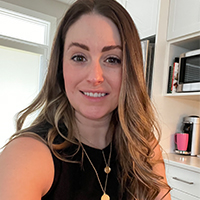
Jaryn Mclean - Elected - 1284 votes
She, her, hers
Biography
Hello, my name is Jaryn McLean, and I am running for Regional Mental Health Representative. I am a frontline mental health nurse with 13 years of experience, including nine years in mental health. I currently work at KGH in inpt mental health, including McNair and the Psych ICU, where I have served as PCC, supporting staff and patient care. I see firsthand the impact of burnout, psychological injury, and workplace violence. As a BCNU steward and nominated member of the Complaints and Investigation Committee, I advocate for members and support fair, transparent processes. I am committed to reducing stigma, strengthening psychologically safe workplaces, and ensuring frontline voices drive meaningful change.
Role based questions
- What do you see as the key responsibilities of a Mental Health Representative within the union?
The role is to advocate for psychologically safe workplaces and ensure mental health is treated with the same urgency as physical safety. In my experience working on inpatient psychiatric units, both at the bedside and as a unit PCC, I see firsthand how system pressures impact staff. This role must support members experiencing psychological injury, reduce stigma, and bring forward frontline realities. - How would you balance support for members’ mental health and BCNU's Strategic Directions?
Supporting mental health directly supports BCNU's Strategic Directions, including safe workplaces and workforce sustainability. In inpatient psychiatry, I see how burnout, trauma, and violence impact staff and care. I will ensure these frontline realities guide advocacy while supporting retention, safety, and long-term system stability. - How would you promote mental health awareness and reduce stigma among members?
Working in mental health, I've seen how critical open, honest conversations are. While we support patients through psychological injury, staff don't always have the same space. I would normalize these discussions, actively promote awareness of supports, and expand outreach through union-led initiatives, events, and engagement that highlight both the realities nurses face and the resources available to them. - How would you respond when members are in distress or facing systemic mental health challenges at work?
Listening is the first step, but it must be followed by action. In inpatient psychiatry and as a steward, I've supported people in crisis by understanding their experience and advocating for meaningful support. I would ensure members are connected to resources, supported through challenges, and that systemic issues driving distress are addressed. - How would you work with stewards, health and safety reps, regionally elected leaders, and BCNU staff mental health issues?
Collaboration is essential to strengthening our union and aligns with BCNU's Strategic Directions. As a PCC and steward, I work across roles to support both staff and patient care. I would continue partnering with stewards, health and safety reps, and leadership to ensure coordinated advocacy, clear communication, and strong support for members' mental health through committees, regional engagement, outreach, and union-led initiatives. - How do diversity, equity, and inclusion inform your approach to mental health advocacy?
BCNU's commitment to DEI, cultural safety, and anti-racism is essential to mental health advocacy. Mental health is not experienced the same by everyone. In my practice, I've worked with diverse patients and teams, which has reinforced the importance of listening and adapting. I would ensure advocacy is inclusive, respectful, and responsive to different needs. - Why do you want to serve in the role of Mental Health Rep, and how will you ensure members’ lived experiences shape your work?
I am seeking this role because I see the impact of burnout, trauma, and violence every day in mental health and I know these are realities across all areas of nursing. I will stay closely connected to members, actively listen to their experiences, and ensure their voices directly inform and drive my advocacy. - How has your understanding of the principles of diversity and/or equity and/or inclusion evolved?
My understanding of equity and inclusion has grown through my mental health practice, where each person's experience is different. This has reinforced the importance of listening, being open, and adapting my approach to ensure it is respectful and inclusive. - How do you ensure your decisions are informed by evidence, member input, and long-term effects rather than urgency or pressure?
I take a deliberate approach by gathering member input, reviewing policies and evidence, and applying my experience in mental health and union work. As a steward, I've learned the importance of consistency and consultation. This ensures decisions are informed, fair, and focused on long-term outcomes rather than urgency.
Candidate Attestations
- I have disclosed any other current union, board, employment, or governance roles that may intersect with my duties and responsibilities as a BCNU executive officer if elected.
I was nominated for the regional complaints committee, however I am not sure this is would count, but wanted to highlight just incase.
Occupational Health and Safety Representative
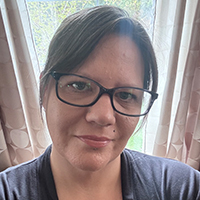
Lacy Neilson – Acclaimed
She, her, hers
Biography
My name is Lacy Neilson, and I'm ask for your support and vote to serve as your OH&S Representative for the Okanagan Similkameen Region. I am actively engaged and deeply committed to making a meaningful impact for all members. A steward since 2024 and an active member of my workplace JOHSC, I'm committed to supporting the membership and advocating for safer workplaces in our region. Through my 10 years of nursing, I have experienced first hand the change in healthcare and working conditions our members are experiencing and am ready to advocate for meaningful change. The members are the driving force and voice of the union and it would be a privilege to represent you in the work of advocating for safe, respectful workplaces.
Role based questions
- What experience do you have with workplace health and safety, and how would you advocate effectively for safer workplaces?
I am an active steward and member of my workplaces' JOHS Committee. I believe that effective advocacy is grounded in knowing your rights, was well as the legislation and standards of WorkSafeBC and the Workers Compensation Act. Building strong relationships and keeping open communication with frontline staff as well as the employer makes advocating for safer workplaces a safe and effective process for all parties involved. - How do you stay informed about occupational health and safety legislation and best practices?
As a primary resource, I go to the WorkSafeBC website as well as utilize the app, ensuring I regularly check their OHS Guidelines and Regulatory Changes. I also attend my JOHS Committee monthly and take part in ongoing learning courses through BCNU to stay current. - How would you identify and prioritize health and safety risks affecting members in diverse workplaces?
I would identify health and safety risks by utilizing multiple sources including member feedback, worksite inspections, JOHS Committee input and incident/injury reports. I would then prioritize, taking into consideration the full range of risk types, likelihood and severity, as well as the Hierarchy of Controls that are able to be put in place. - How would you handle disagreements with employers on safety issues?
I would start with facts and evidence based on incident reports, near-miss records if available and direct member feedback so the discussion is based on worker safety and compliance of regulations and guidelines and not based on opinion. Approach the employer with a problem-solving mindset focused on shared goals of injury prevention and ensuring safe patient care with a calm, professional tone. - How would you explain safety rights or hazards to members and stewards in a clear and practical way?
I would keep it simple and start with the 3 basic safety rights and relate them to real world, practical examples. I would explain hazards using realistic examples and avoid textbook language. Explaining it in a way they can easily relate it to real world examples may help members and stewards recognize and be able to address safety concerns sooner. - How would you work with stewards, regionally elected leaders, Council, and BCNU staff to advance BCNU's Strategic Directions?
BCNU strategic directions focus on the members as the professional voice of nursing with a commitment to Truth and Reconciliation, cultural safety and Indigenous-specific anti-racism. I would prioritize building strong communication channels and consistent two-way communication with regular check-ins with stewards to understand emerging workplace safety concerns, share those frontline insights with council to inform broader decision making, and ensure OHS issues are communicated clearly to BCNU. - Why do you want to serve in the role of Occupational Health and Safety Rep, and how will you ensure members’ safety concerns drive your work?
As a member of my workplace JOHS Committee, I feel workplace safety is not just for the members working the floor, but also for the patients we care for. I would value the opportunity to empower members through education and do so by creating safe communication channels for members to express concerns, listen with intent and follow through while collaborating closely with JOHSC leadership to push for meaningful change ensuring that member-reported concerns translate into real improvements. - How has your understanding of the principles of diversity and/or equity and/or inclusion evolved?
My understand of DEI has deepened significantly through my role as a steward and JOHSC member. Initially I saw DEI largely as a set of values-important but somewhat separate from day to day work safety. Over time I have come to recognize the DEI is foundational to effective occupational health and safety as diversity in the workplace directly impacts how workers perceive hazards, communicate concerns, and access safety resources. - How do you ensure your decisions are informed by evidence, member input, and long-term effects rather than urgency or pressure?
I believe it comes down to having a deliberate, repeatable approach rather than reacting in the moment. Ensure decisions are grounded in evidence by gathering objective information, use structured member input into the process by regularly checking in with a broad-cross section of members, take quick mental checkpoints and ask "what do I know vs what am I assuming", and consider long-term system impact and not just quick fixes.
Professional Responsibility Advocate
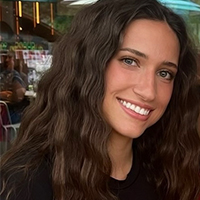
Mariya Blades - 504 votes
She, her, hers
Biography
I am a RPN working on an acute psychiatric unit, with additional experience in PCC coverage and diverse roles within mental health. My practice is grounded in safe, ethical, quality care. I am a steward, committed to supporting members and recently stepped in to assist with full time steward coverage. Through my experience, I have developed a strong understanding of the challenges nurses face in their practice. As a PRA candidate, my objective is to support nurses in navigating practice concerns. I am committed to promoting safe patient care, guiding members through the PR process, connecting them with resources, and fostering respectful, collaborative relationships so nurses feel supported and empowered to uphold professional standards.
Role based questions
- What does professional standards mean in a union context, and why is it important for members and the public?
In a union context, professional standards guide safe, ethical, evidence-based nursing practice. The PR process connects standards to workplace issues, providing a collaborative, non-disciplinary way to address concerns. This protects members, promotes accountability, and ensures safe, high-quality care for the public. When nurses are supported to meet their standards of practice, patient outcomes improve, and risks are reduced. - How would you balance accountability, fairness, and compassion when professional concerns arise?
I balance accountability, fairness, and compassion by using a structured, collaborative approach. I ensure concerns are addressed through the PR process, focusing on system issues rather than blame. I prioritize listening, transparency, and equitable treatment, while creating a safe space for members. My goal is to support nurses, build trust, and promote solutions that uphold professional standards and safe patient care. - Describe how you would approach sensitive or contentious professional standards issues.
I approach sensitive issues with professionalism, empathy, and respect. I prioritize listening so members feel heard and supported. Then use the PR process to guide a collaborative, non-disciplinary approach. I focus on clear communication, fairness, and consistency while maintaining psychological safety. My goal is to de-escalate conflict and work toward solutions that support members and safe patient care. - How would you explain complex or emotionally charged standards issues to members?
I explain complex issues with clear, compassionate communication. I listen first to ensure members feel heard, then break information into manageable parts. I introduce the PR process as a supportive, non-disciplinary framework to reduce fear. Using plain language, I outline next steps and supports, check for understanding, and provide ongoing support so members feel confident and informed. - How would you work with regionally elected leaders and BCNU staff in managing sensitive professional issues at diverse worksites?
I would approach this work as part of a coordinated team, recognizing each role brings valuable knowledge and perspective. I would collaborate with elected leaders and BCNU staff using the PRP as a structured, non-disciplinary framework to address concerns. Each worksite is unique. I would ensure clear communication, consistency, and flexibility across worksites while supporting members and safe patient care. - How would you ensure members understand professional standards in comparison to collective agreement language?
I would ensure understanding through clear, practical education. I'd explain that professional standards guide safe care, while the collective agreement outlines workplace rights. I'd show how they connect, with the PR process bridging gaps when conditions impact practice. Using real examples, I'd help members choose the right pathway and feel confident advocating for their rights and safe patient care. - Why do you want to serve in the role of Professional Practice Advocate, and how will BCNU values guide your decisions?
As the Professional Practice Advocate, I want to support nurses in delivering safe, high-quality care and to address system-level challenges through the PRP. My experience as a RPN and steward has shown me how workplace challenges impact practice. BCNU values will guide me by grounding my decisions in equality, integrity and excellence, while promoting democracy, solidarity, and social justice. My goal is to support members, build trust, and advocate for safe patient care. - How has your understanding of the principles of diversity and/or equity and/or inclusion evolved?
My understanding of diversity, equity, and inclusion has grown through nursing and union work. Working in mental health and as a steward, I've seen how experiences and systems impact care and member support. I've learned equity means recognizing differences and advocating for needed supports. I strive to create safe, inclusive spaces and continue learning to ensure fair, respectful processes for all members. - How do you ensure your decisions are informed by evidence, member input, and long-term effects rather than urgency or pressure?
I approach decision-making by slowing down to fully understand the issue. I listen to members, review relevant standards and language, and use structured processes like the PR process to guide next steps. I focus on long-term solutions rather than quick fixes, ensuring decisions are fair, informed, and grounded in both member experience and safe patient care.
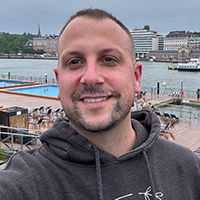
José-Louis Huberdeau - Elected - 966 votes
He, him, his
Biography
My name is Jose Huberdeau, and I am seeking re-election as the OS region PR Advocate. I have been a union activist for the last 15 years and remain extremely passionate in upholding members rights and advocating for safe patient care. Throughout the last 3 years of my term, I have mastered the role of PRA by supporting members navigate the PR process and I am confident in my abilities to continue to do so. I have made it a priority throughout my previous term to educate nurses in the region about the PR process and have done so by presenting at steward education and regional meetings. I am committed to working as hard as I can to support the incredible nurses in the OS region navigate these challenging times working in health care.
Role based questions
- What does professional standards mean in a union context, and why is it important for members and the public?
Professional standards are set expectations for how we practice as nurses. The hallmarks of these standards include providing safe, competent and ethical patient care to our patients. These standards can also be applied within the collective agreement when nurses are not able to meet these requirements at their workplace, therefore directly affecting our patients and the public. Having the PR language in the collective agreement is a great tool to achieve and maintain the set standards. - How would you balance accountability, fairness, and compassion when professional concerns arise?
As the current PR advocate for the region, I hold these 3 concepts to a high standard. When a member reaches out to me, they are often in crisis mode. My role is to ensure that I am treating them with fairness and compassion, while upholding my own professional accountability by ensuring I am doing the best that I can for them. - Describe how you would approach sensitive or contentious professional standards issues.
Speaking from personal experience, I've had to deal with a sensitive professional standard issue for a member at their workplace (which I also worked at). I approached the situation wearing my PR advocate hat, and lead with upmost professionalism. I was there to represent the member as the PR Advocate and not as a colleague. By maintaining professionalism, I was able to uphold trust throughout the process and ended up working through the issue successfully. - How would you explain complex or emotionally charged standards issues to members?
Members can be upset, frustrated or scared regarding their standard concerns at the worksite. I would first start by acknowledging and validating their concerns. I would then work with the member to determine the core issues and work collaboratively with them to figure out a meaningful method of addressing their concerns in a transparent way. I would then guide them through the next steps, and work side by side with the member to come up with a meaningful/impactful resolution. - How would you work with regionally elected leaders and BCNU staff in managing sensitive professional issues at diverse worksites?
As the current PR advocate in the OS region, I am constantly aware of the sensitive information I am being provided by members who are engaging in the PR process. I take this information seriously and share it with only those who need to be involved (such as the BCNU PPO, stewards and other members of the regional executive). This information is kept confidential to protect the member and I thrive to be transparent to the member about who I am sharing the information to. - How would you ensure members understand professional standards in comparison to collective agreement language?
Whenever a member is initiating the PR process, I first off start by explaining how the PR process works, which is established by the language in the collective agreement. The PR process is a tool used to address professional practice concerns which are outlined by the BCCNM. While BCNU and BCCNM are very different, I ensure members understand the differences and how I can support them through a union activist lens, to support their professional practice. - Why do you want to serve in the role of Professional Practice Advocate, and how will BCNU values guide your decisions?
I would like to continue to serve as the PR Advocate for the OS region because I have been a union activist for 15 years and I am very passionate about supporting members who are dealing with complex and unsafe situations. I really enjoy supporting members navigate challenging situations to achieve meaningful resolutions, meanwhile upholding BCNU 7 core values, specifically integrity, equality and collectivity. - How has your understanding of the principles of diversity and/or equity and/or inclusion evolved?
As the current representative for the MIN and 2S-LGBTQ+ caucus, principles of DEI are ingrained in every conversation I have with members. It is important to factor in culture, gender, race, age, sexuality in every situation in order to see the full picture. My own understanding of DEI principles have evolved considerably throughout my caucus role and I truly value the importance of moving beyond awareness into consistent and intentional action to ensure members feel seen and respected. - How do you ensure your decisions are informed by evidence, member input, and long-term effects rather than urgency or pressure?
Whenever I receive a member inquiry, I have to dissect the information that has been provided and take the time to ensure I have all of the relevant information in order to make an informed decision. This does often require further conversations with members, however this process is necessary in order to best address their concerns.
Candidate Attestations
- I have disclosed any other current union, board, employment, or governance roles that may intersect with my duties and responsibilities as a BCNU executive officer if elected.
2S-LGBTQ+ Caucus Rep
Men in Nursing Rep
Elected Member of the PJAC
Steward Liaison
Nicole Csonka - 634 votes
She, her, hers
Biography
I began my nursing career as an LPN in Prince Rupert, working across multiple practice areas before completing my RN at the British Columbia Institute of Technology in 2011. I worked at Royal Columbian Hospital, where I completed my perinatal training, and have been working in Kelowna since 2019. I now practice in public health while maintaining my acute care skills. As a union activist since 2022 and a steward since 2024, I support members in community and acute care, including investigations and grievances. I actively attend BCNU conferences and conventions to provide information and updates for members. I am actively engaged and deeply committed to making a meaningful impact for all members.
Role based questions
- What do you see as the primary responsibilities of a Steward Liaison, and why are stewards critical to a strong union?
The Steward Liaison supports, mentors, and recruits stewards while ensuring consistent representation across all worksites. This includes strengthening communication, supporting steward development, and addressing gaps where members lack access. Stewards are critical as they are the frontline of the union-advocating for members, upholding the Collective Agreement, and ensuring members feel supported and heard. - How would you support stewards with varying levels of experience and confidence?
I would support stewards by meeting them where they are - offering mentorship tailored to their level of experience and confidence. This includes one-on-one guidance, sharing resources, and creating opportunities for connection and learning. I would foster a supportive environment where stewards feel comfortable asking questions, building skills, and growing in their role with ongoing encouragement and practical support. - How would you ensure information flows effectively between stewards, members, and regional elected leadership?
I would prioritize clear, consistent, and accessible communication by creating regular opportunities for updates, feedback, and dialogue. This includes structured check-ins, timely sharing of information, and using multiple communication channels. I would also encourage two-way communication, ensuring stewards and members feel heard while keeping regional leadership informed of emerging issues and needs. - Describe how you would assist stewards when workplace issues escalate or become complex.
I would support stewards by providing guidance, helping assess the situation, and ensuring a clear understanding of the Collective Agreement and available options. I would offer mentorship through the process, assist with preparation, and consult with the broader steward team when needed. My goal is to ensure stewards feel supported, confident, and equipped to manage complex issues effectively. - How would you collaborate with regional elected leaders, Council, and BCNU staff to strengthen steward effectiveness in furtherance of the BCNU's Strategic Directions?
I would collaborate by maintaining open communication, aligning steward supports with BCNU's Strategic Directions, and sharing frontline insights from stewards and members. By working closely with regional leaders, Council, and BCNU staff, I would help identify gaps, coordinate resources, and support education and initiatives that strengthen steward effectiveness and ensure consistent, member-focused representation across the region. - How do solidarity and equity guide your approach to supporting stewards and members?
While I am early in my experience supporting stewards, I am guided by the principles of solidarity and equity in every interaction. I strive to create inclusive, respectful spaces where all voices are heard and valued. Everyone deserves the opportunity to share their own stories and experiences. I support fairness and consistency, while recognizing barriers that may impact members differently, ensuring equitable access to representation and support. - Why do you want to serve in the role of Regional Steward Liaison, and how will you remain accountable to stewards and the broader membership?
I want to serve as Steward Liaison because I am passionate about supporting stewards and ensuring every member feels heard and represented. My experiences as a nurse and steward have shown me how important strong support is. I will remain accountable by being present, approachable, and responsive, actively listening, seeking feedback, and ensuring stewards and members feel supported in every interaction. - How has your understanding of the principles of diversity and/or equity and/or inclusion evolved?
My understanding of diversity, equity, and inclusion has grown through my nursing and union experiences, where I've seen how differently members can be impacted in the workplace. I've learned the importance of listening, reflecting, and challenging my own assumptions. This has strengthened my commitment to creating inclusive, respectful spaces and ensuring all members feel heard, valued, and supported. - How do you ensure your decisions are informed by evidence, member input, and long-term effects rather than urgency or pressure?
I approach decisions by taking the time to gather information, review the Collective Agreement, and seek input from members and fellow stewards. I consider both immediate needs and long-term impacts to ensure fair, consistent outcomes. While urgency can exist, I focus on thoughtful, evidence-informed decisions rather than reacting to pressure, ensuring members are supported with integrity and accountability.
Jan Murray - Elected - 831 votes
She, her, hers
Biography
I have been in the position for 9 years and I have a solid understanding of the role. I have continually sought feedback and assessed Steward learning needs. I have organized site specific education as well as many steward education days in collaboration with the regional executive. Additionally, I meet with new Stewards for one-on -one mentoring. My approach is all about being steady, reliable and honest. I have a very strong work ethic. I am quick to respond to e-mails and texts ensuring great communication. I am a active steward at KGH for more than 20 years. I have worked hard to develop a good working relationship with the management team.
I'm that determined ,reliable candidate who's spent decades turning commitment into results.
Role based questions
- What do you see as the primary responsibilities of a Steward Liaison, and why are stewards critical to a strong union?
Stewards are the back bone of the Union. They are the front line workers that have to maintain and uphold the Collective agreement. The primary responsibility of the Steward Liaison is to actively engage in mentorship of stewards through either 1:1 meetings ,steward education days , setting up days to follow SAL or FTS that have regularly scheduled meeting Monday to Friday - How would you support stewards with varying levels of experience and confidence?
At steward education days and I would split the groups based on their educational needs. You could also pair some experienced stewards with novice ones because when you have to teach a new steward you are also reviewing contract and interpretation for the correct language .I have organized site specific education for stewards and also meet one on one mentoring - How would you ensure information flows effectively between stewards, members, and regional elected leadership?
The use of WhatsApp is a great tool to have chats to support stewards and a safe place for them to ask questions. In our Region our communication secretary sends out regular communication of what is happening in our Region. I encourage members to read their e-news and Update magazine for current information and to go to the member portal for updates on bargaining. There is also drop in Steward meetings that Stewards are encouraged to attend - Describe how you would assist stewards when workplace issues escalate or become complex.
I would encourage stewards to reach out to myself, the Full time steward or the Labor Relations Officer to break down the issues into segments and review the contract interpretation manual for guidance and strategies to address the issues with 1:1 support - How would you collaborate with regional elected leaders, Council, and BCNU staff to strengthen steward effectiveness in furtherance of the BCNU's Strategic Directions?
At Steward education days we work together to do work site planning with the BCNU Strategic Directions in mind and new stewards can work with experience Steward for support and ideas. All the Regional elected leader are involved in the planning of the Education days and BCNU staff provide the educational material when needed. - How do solidarity and equity guide your approach to supporting stewards and members?
Everyone has different learning styles and experiences that need to be acknowledged. When supporting new stewards it is important to ensure that new/seasoned stewards are aware of the resources available to them and that they have the support of the Union, they are not alone when dealing with work place issues. Each group of Stewards have their own WhatsApp group where they feel comfortable asking questions and having support and solidarity. - Why do you want to serve in the role of Regional Steward Liaison, and how will you remain accountable to stewards and the broader membership?
I have been in the role for 9 years, I have always been accountable and honest with my approach to the role. I have been a active steward for more than 20 years in BC and have been a RN for 40 years as a ICU, OR and PAR nurse. I have fostered a working relationship with the management at KGH so I feel I still have a lot of steward experience to share. - How has your understanding of the principles of diversity and/or equity and/or inclusion evolved?
40 years ago it was something that was not talked about or thought about, I feel over the years it has become a central issue in our personal and professional life. We are a multicultural society, everyone is important and deserves respect, inclusion and to be celebrated for their diversity. - How do you ensure your decisions are informed by evidence, member input, and long-term effects rather than urgency or pressure?
I have a solid understanding of our Collective agreement, I keep current with Steward E-News updates, I attend Bargaining and Convention conferences. Because I have been a Steward for more than 20 years I don't feel pressured or urgency, there are time lines for a reason and you can always ask for extensions for grievances and investigations. My decisions are based on contractual language and past practices win with arbitrations.
Treasurer
Christopher Hansen - Elected - 741 votes
He, him, his
Biography
I previously served as Treasurer for the North East, where I gained valuable experience in financial stewardship and supporting members. Managing funds responsibly and ensuring transparency has always been a priority for me. I am committed to providing clear quarterly financial reports and maintaining full transparency and fiscal accountability. I am well aware of BCNU's financial policies and the responsibility that comes with managing members' hard earned dues. These funds must be handled with care, respect, and integrity, and I will ensure that every dollar is accounted for accurately and efficiently. I will ensure members' expense forms are processed promptly and fairly, without favoritism or delay.
Role based questions
- What experience do you have with budgeting, financial oversight, or reporting, and how will you ensure members’ dues are managed responsibly and transparently?
I bring hands on experience with budgeting and financial oversight through my previous role as North East Treasurer. I was responsible for managing regional funds, reviewing expense claims, and ensuring all spending aligned with policy and member priorities. I prioritize accuracy, timeliness, and adherence to established guidelines. I believe I believe transparency is key. This means clear reporting, open communication, and making financial information accessible, by providing quarterly reports. - What financial tools or systems have you used, and how would you use technology to improve accuracy, reporting, or accessibility of regional financial information?
I have experience using NetSuite for financial accounting, including tracking and reporting, and I am becoming more familiar with Boomi to streamline expenses. I would use these tools to reduce manual entry, improve accuracy, and ensure timely approvals. I would also improve reporting and accessibility by providing clear, concise financial summaries so members can easily understand regional financial information. - How would you explain a difficult or controversial financial decision to members in a clear, accessible, and respectful way?
I would start by being transparent and clear about the decision and why it was made. I would explain the context, the options that were considered, and the factors that led to the final decision in plain language so it is easy to understand. I would acknowledge that not everyone will agree and make space for questions and feedback. It is important that members feel heard and respected, especially when decisions impact their dues. - Describe a time you had to question a financial decision or raise concerns about governance or spending. What guided your approach?
As North East Treasurer, there were times when I reviewed expense claims or spending that did not fully align with policy or seemed unclear. In those moments, I felt it was important to pause and ask questions. My approach was guided by accountability to the membership. These are not just numbers, they are members' dues. I would respectfully seek clarification, ensure proper documentation was in place, and confirm that the expense supported member priorities and followed established guidelines. - When there are disagreements about spending priorities, how would you manage conflict while upholding union values and maintaining trust?
I would start by creating space for respectful, open discussion so all perspectives are heard. Disagreements about spending often come from different priorities, so it is important to understand the reasoning behind each position. I would rely on policy and financial guidelines to support a consistent approach. Throughout the process, I would communicate openly and respectfully, even when there is disagreement. - How do you see the Treasurer working with other regionally elected leaders, Council and BCNU staff to support effective regional governance?
The Treasurer plays a key role in providing clear, timely financial information so others can make informed decisions. It is not just about tracking numbers, it is about helping leaders understand the financial impact of their plans and ensuring accountability to members' dues. Strong communication is essential. I would focus on being approachable, responsive, and transparent, while also respecting roles and processes. - Why do you want to serve in the role of Regional Treasurer, and how will you ensure your decisions consistently reflect the needs, equity considerations, and voices of members all while supporting BCNU's Strategic Directions?
To ensure my decisions reflect the needs and voices of members, I will stay connected through ongoing communication, listening, and engagement across the region. I will be mindful of diverse perspectives, including Indigenous voices and those who may not always feel heard, and ensure decisions are fair and inclusive. I will also align all financial decisions with BCNU's Strategic Directions, using them as a guide to prioritize spending that that supports member wellbeing, and advocacy. - How has your understanding of the principles of diversity and/or equity and/or inclusion evolved?
My understanding comes from both lived experience and the work I have done in my roles. As a First Nations member from Sucker Creek First Nation, I have seen firsthand how systems can impact people differently and why equity matters, not just equality. Being part of the ILC and serving on the Truth and Reconciliation Committee has deepened that understanding. It has shown me the importance of creating space for Indigenous voices, acknowledging gaps, and pushing for more culturally safe practices - How do you ensure your decisions are informed by evidence, member input, and long-term effects rather than urgency or pressure?
I ensure my decisions are guided by evidence, member input, and long-term impact by approaching every situation with a conscientious, analytical mindset. As a C-style on the DiSC profile, I focus on accuracy, review all relevant data, and carefully consider policies and past outcomes before making decisions. I actively seek member input to make sure their voices are reflected and weigh long-term effects on equity, sustainability, and overall membership priorities.
Rolande Meush - 399 votes
She, her, hers

Biography
For many years, I have been an active and committed member of our union. I have served as a BCNU Advocate in many different roles - Through these experiences, I have developed a strong understanding of our governance structure, our responsibilities to members, and the importance of accountable, transparent leadership.
In addition to my union involvement, I bring solid financial leadership experience. I have served as Treasurer for local chapters with Skate Canada and Sea Cadets.
As members, we work hard for every dollar we contribute to this union. As Treasurer, I will do my very best to ensure those dollars are managed responsibly, transparently, and strategically to support advocacy, representation, education, and member services.
Rollie
Role based questions
- What experience do you have with budgeting, financial oversight, or reporting, and how will you ensure members’ dues are managed responsibly and transparently?
I bring financial experience through my roles as Treasurer with a local Skate Canada chapter and the Royal Canadian Sea Cadets. In these positions, I was responsible for developing and managing budgets, monitoring revenues and expenses, and ensuring funds were used appropriately and in alignment with organizational priorities. I am committed to transparency that is meaningful-where financial information is not only available but understandable. - What financial tools or systems have you used, and how would you use technology to improve accuracy, reporting, or accessibility of regional financial information?
I’ve used Simply Accounting, Quicken, and Money to track budgets and ensure accuracy. It would be easy for me to adapt to whatever tools BCNU uses. I’d support clear digital reporting, simple dashboards, and transparent processes so financial information is accessible, accurate, and easy for members to understand - How would you explain a difficult or controversial financial decision to members in a clear, accessible, and respectful way?
First, I would explain the decision in plain language-what the issue was, what options were considered, and what decision was made-avoiding jargon or overly technical financial terms. Members shouldn't need a finance background to understand how their dues are being used.
and Second, I would invite questions and feedback. Communication shouldn't be one-way - Describe a time you had to question a financial decision or raise concerns about governance or spending. What guided your approach?
In my former role as Treasurer, I identified a situation where spending in one area was exceeding the approved budget. While the intent was good, I was concerned about accountability and long-term sustainability. What guided my approach was responsibility to the membership. I believe every dollar must be tracked, justified, and aligned with approved priorities My goal was to protect the organization's financial integrity while maintaining trust. That meant being honest, direct, focused based - When there are disagreements about spending priorities, how would you manage conflict while upholding union values and maintaining trust?
I focus on respectful dialogue I make sure all perspectives are heard. Disagreements are often rooted in different priorities, and it's important members feel their voices are respected.
I bring the conversation back to facts and principles-our budget, our strategic priorities, and our responsibility to use members' dues in a way that is fair, accountable, and aligned with union values.
I work to find common ground, but I'm also ready to use democratic decision-making process if necessary - How do you see the Treasurer working with other regionally elected leaders, Council and BCNU staff to support effective regional governance?
Working with regionally elected leaders and Council, the Treasurer helps ensure financial decisions are aligned with our strategic priorities and grounded in accurate, timely information.
With BCNU staff, the relationship is equally important. Staff bring technical expertise and operational knowledge, and the Treasurer plays a key role in working with them.
Good governance requires respect for roles, clear communication, and a shared commitment to accountability and service to our members. - Why do you want to serve in the role of Regional Treasurer, and how will you ensure your decisions consistently reflect the needs, equity considerations, and voices of members all while supporting BCNU's Strategic Directions?
I want to serve in the role of Regional Treasurer because our members work hard for every dollar they contribute, and I want to ensure those resources are managed responsibly, transparently, and in a way that directly supports advocacy, representation, and member services.
With my union experience and financial background, I can help ensure decisions are not only fiscally sound, but aligned with the priorities of the membership and the strategic direction of BCNU. - How has your understanding of the principles of diversity and/or equity and/or inclusion evolved?
My understanding of diversity, equity, and inclusion has evolved a lot. I used to think it was about treating everyone the same, but I've learned it's really about recognizing that people start from different places and don't all have the same access or support.
Equity means adjusting for that-making sure members actually have a fair shot, not just equal treatment.
And inclusion is more than just being at the table-it's about people feeling heard and respected. - How do you ensure your decisions are informed by evidence, member input, and long-term effects rather than urgency or pressure?
First, I rely on accurate financial data and analysis. I take the time to understand the full picture-before making any decision.
Second, I actively consider member input. I make sure decisions reflect what matters most to the membership, not just what is most urgent in the moment.
Third, I look beyond the immediate and consider long-term sustainability. Short-term solutions can create bigger problems down the road, so I weigh the long-term financial and organizational impact of every decision.
Candidate Attestations
- I have disclosed any other current union, board, employment, or governance roles that may intersect with my duties and responsibilities as a BCNU executive officer if elected.
I currently sit on the Bylaws committee and the discipline commitee but these roles do not intersect with being a executive officer if elected
Sherry Ridsdale - 308 votes
She, they
Biography
Métis Critical Care Nurse with 43 years of experience across three provinces and the USA. Mother of three, grandmother of eight, and long-time human rights activist.
Currently serving as Regional Treasurer, Provincial ILC Chair, HRE Caucus Chair, and JOHSC Co-Chair at KGH. My objectives: strengthen financial transparency so all members can access and question regional spending; increase education funding for violence prevention and allyship; and ensure new nurses know the resources and funding BCNU offers them (SD 1.3, 2.1, 3.3, 5.5).
Role based questions
- What experience do you have with budgeting, financial oversight, or reporting, and how will you ensure members’ dues are managed responsibly and transparently?
"As Regional Treasurer for five years and Provincial ILC Chair, I have directly fulfilled this role's key accountabilities - maintaining accurate financial records, presenting quarterly reports, preparing annual budgets, and consulting with the Provincial Treasurer. I have completed budgeting and digital skills courses to strengthen organizational productivity (SD 1.2). I share reports openly, welcome member questions, and acknowledge errors transparently, upholding my fiduciary responsibility to" - What financial tools or systems have you used, and how would you use technology to improve accuracy, reporting, or accessibility of regional financial information?
The most important value a Regional Council Member must hold is integrity in service to members. With 43 years of nursing experience, I have learned to examine issues from multiple perspectives, set aside personal bias, and act in members' best interests. Meaningful engagement — listening, consulting, and following the grassroots — ensures decisions reflect the membership's needs and align with our Strategic Directions (SD 2.1, 3.2).
- How would you explain a difficult or controversial financial decision to members in a clear, accessible, and respectful way?
"When facing controversial financial decisions, I consult BCNU's financial advisors to ensure compliance, ask clarifying questions, and reflect carefully before acting. If I make an error, I acknowledge it directly to members and correct it promptly. Transparency and curiosity guide my approach - members deserve honest, clear communication that respects their intelligence and upholds my fiduciary responsibility (SD 3.1, 3.2)." - Describe a time you had to question a financial decision or raise concerns about governance or spending. What guided your approach?
As ILC Chair, procurement from Indigenous vendors sometimes means receipts are unavailable due to cultural protocols. Rather than defaulting to rigid policy, I gathered available documentation, respected vendors' practices, and consulted BCNU finance to find a compliant path forward. Truth and Reconciliation principles guided my approach, ensuring spending decisions honoured Indigenous values while maintaining fiscal accountability (SD - When there are disagreements about spending priorities, how would you manage conflict while upholding union values and maintaining trust?
When spending disagreements arise, I refer to our Strategic Directions and Regional Operations Plan - documents we built together - keeping member interests central. Not every decision requires full agreement, but through curiosity, respectful questioning, and a willingness to find consensus, we can reach decisions that reflect collective values and support effective regional governance (SD 3.2, 3.4). - How do you see the Treasurer working with other regionally elected leaders, Council and BCNU staff to support effective regional governance?
The Treasurer supports effective governance through collective decision-making, presenting financial records openly at regional meetings, answering member questions, and ensuring spending reflects our budget and Strategic Directions. I guide members through expense and hour claim processes, flag overspending early, and uphold fiscal integrity in all Regional Executive decisions - keeping member needs and our shared Regional Operations Plan central (SD 3.1, 3.2). - Why do you want to serve in the role of Regional Treasurer, and how will you ensure your decisions consistently reflect the needs, equity considerations, and voices of members all while supporting BCNU's Strategic Directions?
After five years as Regional Treasurer, I have built a strong foundation in fiscal accountability, member outreach, and transparent reporting. My lived experience and leadership within BCNU's equity caucuses informs every decision I make. I am committed to ensuring all members - including those historically underrepresented - have voice, access to information, and equitable use of regional funds (SD 1.3, 2.1, 3.3, 5.5). - How has your understanding of the principles of diversity and/or equity and/or inclusion evolved?
My DEI journey began through my lived experience and ILC leadership, but has grown into active allyship. As HRE Caucus Chair, I have pursued human rights education, studied the histories of other equity-seeking groups, and built meaningful relationships across caucuses. I support their asks, amplify their needs, and continue learning - honouring my own ways of knowing and being while standing alongside others (SD 3.3, 5.5). - How do you ensure your decisions are informed by evidence, member input, and long-term effects rather than urgency or pressure?
I ensure decisions are evidence-based by verifying information, clarifying forms with members, and asking questions when something seems unclear - approaching every interaction with kindness and curiosity. When members need timely responses, I communicate openly about my process and timeline as a working nurse. Accuracy and integrity take precedence over speed, protecting both members and the region's long-term fiscal health (SD 3.2, 1.3).
BCNU Election Candidate Attestations
All regional candidates have affirmed yes to attestations (1-9) below:
- I am a member in good standing of BCNU, with no outstanding disciplinary proceedings, and meet all BCNU Constitutional and Bylaw eligibility criteria for the position I am seeking.
- I commit to upholding BCNU’s Constitution and Bylaws and the Policies and Procedures, and will engage in ethical, respectful, and inclusive conduct during the election and throughout any term in office.
- I have reviewed and understand the fiduciary duties and responsibilities as described in Policy 2.0.1 and in the job description, including the duties of care, loyalty, compliance, confidentiality, and accountability to BCNU’s vision, mission, values, and members.
- I affirm that I will protect and safeguard any member information, BCNU internal documents, or confidential records that may be made available to me during the course of this election or while in office.
- I will disclose any real, perceived, or potential conflicts of interest prior to or during my candidacy and, if elected, will comply with all conflict-of-interest policies and governance requirements.
- I have reviewed and understand the election code of conduct as stipulated in Policy 2.0.7, including the guiding principles for BCNU elections, candidate and BCNU member roles and responsibilities, and the rules pertaining to campaign materials.
- I will not engage in any campaigning, communications, or actions that may be reasonably understood to involve misinformation, personal attacks, or harassment, and I understand that such behaviour may result in immediate removal from the election process.
- I hold current registration in good standing with the British Columbia College of Nurses and Midwives (BCCNM) and confirm there are no current findings of professional misconduct, suspension, or conditions on my nursing license.
- I understand that all attestation statements are subject to verification by the BCNU Nominations Committee, and false declarations may result in immediate disqualification from candidacy or immediate removal from elected office.