

 Pacific Rim Candidates
Pacific Rim Regional Executive Election Results
Regional Council Member
Shawna Atkinson - 568 votes
She, her, hers
Biography
Shawna graduated from BCIT in 2004. She then completed both her ICU and ER specialty by 2006 In her nursing career she has worked as a coordinator of site of operations since 2009.
Shawna has had roles in BCNU, including ward representative, JOSH committee member and has been in the Full time steward role for the north island hospitals since 2020.
As a regional chair, Shawna is committed to advocating for nurses, collaborating with members to further their union engagement and helping others find their voice when advocating for their team and patient. Ratio work, operations and strategy are her key interests.
In her spare time, Shawna enjoys spending time with her family or exercising with her active border collie/ Aussie Shepherd dogs.
Role based questions
- What do you see as the primary role of a regional council member in a member-driven union?
I believe the primary role of a Regional Council member is to actively listen to and engage with the nurses in our region. By understanding their firsthand experiences, concerns, and ideas, I will provide tailored support, education, and strategic advocacy. My goal is to empower members to find their own voices, while ensuring our region's priorities are effectively represented to the provincial team. I am committed to collaborating with, leading, and inspiring our newly elected regional council - What is the single most important value a regional council member must have, and why?
I believe solidarity is the foundation of a strong regional council member. Our region has a proven track record of being organized, active, and united. By fostering a culture where every workplace supports one another, we build resilience and ensure that no nurse feels alone. As a council member, I will leverage this collective power to ensure equitable representation, guaranteeing that our advocacy is strong, unified, and speaks for all members in the face of any challenge or crisis. - How can technology be used to strengthen member engagement, democratic participation, and accountability in the union - and what safeguards are necessary to ensure equity, privacy, and trust?
We can leverage technology platforms to strengthen member engagement and bolster democratic participation. Providing immediate access to information at our fingertips creates both transparency and accountability for our union. Knowledge strengthens our solidarity, and strategic goals. - Describe your approach to listening to members who may feel unheard, marginalized, or frustrated with BCNU?
My approach to engaging with BCNU members who feel unheard, marginalized, or frustrated begins by creating a secure, respectful space for dialogue. I prioritize active, curious listening to understand their unique experiences. I am present in the conversation and dedicated to ensure that I hear the situation through their experience. I am committed to addressing complex topics with empathy to maintain trust, while collaboratively identifying immediate support and actionable paths forward. - How do, or would, you approach conflict (i.e., between members within regional teams and/or Council, or between BCNU and the employer) while maintaining professionalism and fairness?
As Fulltime steward and previous years of being a CSO, I have approached and navigated many complex interpersonal disputes. I ensure that my discussions are structured and centered on empathy and proactive dialogue. I practice self-monitoring of my own body language, tone, volume in the moment and enter curiously, knowing there are two sides to a story. I prioritize each person's values and interests and try to find ways to ensure that each party feels safe to share their truth. - How do you balance representing the will of members with responses to uphold bylaws, policy, collective agreements, and human rights obligations?
As Fulltime steward and previous years of being a CSO I have practiced how to navigate the obligations of policies, bylaw, collective agreements and human rights obligations. I did so by learning and educating myself first. I then practiced by leading by example in both my work and steward roles. I balanced representing the 'will' of the members in both of these roles by becoming transparent as to what my duty was and by upholding and managing expectations. - What past experience best prepares you for this role as regional council member, and what lessons from that experience will guide your work?
With over 15 years of experience as a Steward and 19 years as CSO, I offer experience in conflict resolution between our healthcare's multi-disciplinary teams. By maintaining an active presence at the bedside, I ensure my leadership remains grounded in front-line nursing realities. I enjoy analyzing the intersection of clinical operations, policy, and identifying gaps where disconnects occur. My favorite role has been to advocate and empower individual nurses and entire units to strategize. - How do you communicate complex or controversial decisions to members in a way that builds trust, even when members disagree?
I practice curiosity with the intent to actively listen. I adapt from facilitating small individual meetings to larger unit meetings so that there is a safe and transparent place open for dialogue. I offer strategic guidance, mapping out a relevant plan with our available resources and processes. If further assistance is needed, we continue to email and pivot as needed. I often find that this process builds trust and provides education and additional resources that they may not know are present - How do you ensure your decisions are informed by evidence, member input, and long-term considerations, rather than urgency or pressure?
I maintain an active connection to the bedside, ensuring my leadership is informed by the real-time experiences and "pulse" of front-line nurses. This grounded perspective allows me to cross-reference qualitative member input with objective data to identify the root cause of concerns. Rather than reacting to immediate pressure, I apply a strategic lens to each situation-slowing the process when necessary to ask critical questions that meet long time goals. - Describe a concrete example where you used technology to improve communication, decision-making, or organizing. What worked, what didn’t, and what would you do differently as a union leader?
For complicated issues, we have implemented both a group text and group email to maximize our communication. My role was to assist with strategic, navigating the group through feasible institutional processes while steering them away from non-viable actions. We successfully planned topics and chose the right nurses to speak to each when we succeeded in getting high level admin to our table. This collaborative framework fostered deep organizational solidarity and achieved our targeted results. - How do you guarantee culturally sensitive interactions with your members?
I am committed to continuous education in Diversity, Equity, and Inclusion (DEI), which allows me to better recognize and champion the inherent value of our diverse membership. I apply a framework of cultural humility to every decision, ensuring that all members-regardless of their background-are authentically included, seen, heard, and respected. By proactively adapting my communication style and meeting environments, I prioritize the creation of psychologically safe spaces for open dialogue. - How has your understanding of the principles of diversity and/or equity and/or inclusion evolved?
Over the 20 years of my career, my understanding of Diversity, Equity, and Inclusion has evolved from a conceptual awareness to becoming proactive. Early in my career, I focused on treating everyone as equal and the same. After years of education and courses I realize that I could and should be doing more and understanding that cultural humility will be a lifelong journey. Today, I understand and prioritize ensuring and creating environment so that marginalized members can voice their concerns.
Technical Questions
- What is your experience with Microsoft Word, Excel, and Outlook and what is your ability and willingness to learn new computer platforms and applications (e.g. BoardEffects, Expensify, Formstack, Ceridian Dayforce, ZOOM, Box, etc.)?
I have working knowledge of the above computer systems and use them everyday in both my Full time steward role. Regarding new platforms, I am willing to learn and adapt as new systems and tools are created to increase overall communication and data collection. - Where and how have you developed your historical and technical base of understanding in all areas of the union’s work including bargaining and BCNU policies and procedures?
I have attended classroom setting, learning modules, zoom setting, dinner meetings and regional meetings, convention and conferences to gather information and ask question. Each time I attend a meeting or do some personal education on the website my understanding increases. - How would you describe your understanding of budgets and financial statements and the general structure and function of BCNU’s financial systems as well as the broad economic picture of BCNU?
I have attended regional meetings to convention and listened to our provincial treasure and have understood that the BCNU operates by transparency and member accountability. I have learned that BCNU is in a strong financial position, transitioning from renting to owning long-term assets, and by investing in our members both in present and in the future.
Candidate Attestations
- I have disclosed any other current union, board, employment, or governance roles that may intersect with my duties and responsibilities as a BCNU executive officer if elected.
Yes
Rachel Kimler - Elected - 766 votes
She, her, hers
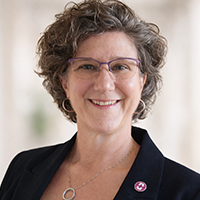
Biography
I would be honoured to represent Pac Rim members again as Regional Council Member (RCM). I am a nurse of 20 yrs and a BCNU steward for 18, with 7 yrs experience as RCM. I bring strong institutional knowledge, leadership experience, and a proven record on Council where I was known to be ""the voice of reason"". I was also on the 2014-16 bargaining committee and a history of high level PRF negotiations.
Returning to bedside nursing 4 yrs ago has grounded me in the realities nurses face and renewed my focus and energy. As your RCM, I will be a strong, informed voice for Pac Rim providing leadership within the region, advocating for fair working conditions, with clear communication, and member-centred decision-making at the provincial level.
Role based questions
- What do you see as the primary role of a regional council member in a member-driven union?
The Regional Council Member (RCM) provides leadership at both provincial and regional levels. As a decision maker on BCNU's Board of Directors, the RCM helps to set strategic directions and then ensures those priorities are followed throughout the union, while advocating for nurses and the profession. The RCM also serves as a vital link, sharing information from the provincial level to regions and communicating regional insights back to the provincial board. - What is the single most important value a regional council member must have, and why?
Integrity is the most important value a Regional Council Member must have, as it underpins trust-the foundation of effective leadership. It earns respect, supports ethical and consistent decision-making, and strengthens credibility. By fostering a positive, accountable culture, integrity builds member trust and engagement, especially during challenging times. - How can technology be used to strengthen member engagement, democratic participation, and accountability in the union - and what safeguards are necessary to ensure equity, privacy, and trust?
Technology can strengthen engagement by enabling transparent, real-time participation, allowing members to contribute to decisions, track activities, stay abreast of the most current information, and report concerns. It can support trust by countering misinformation and encouraging open communication. Safeguards must include strong data encryption, limited use of third-party platforms, regular security audits, and active threat monitoring to ensure privacy, equity, and trust. - Describe your approach to listening to members who may feel unheard, marginalized, or frustrated with BCNU?
I employ an active, trauma-informed listening approach which prioritizes building a trustworthy relationship grounded in psychological safety. I focus on validating experiences, not just hearing concerns, which helps de-escalate tension and build trust. I create space for members to speak openly, avoid rushing to solutions, and look for common ground. By encouraging ongoing dialogue it is the hope that members feel heard, respected, and more engaged. - How do, or would, you approach conflict (i.e., between members within regional teams and/or Council, or between BCNU and the employer) while maintaining professionalism and fairness?
I approach conflict with professionalism by actively listening to all perspectives and identifying common ground. I ensure each party can express concerns, clarify issues, and explore solutions collaboratively. I remain self-aware of biases, stepping aside if needed to maintain fairness. By staying objective and open-minded, I support respectful, balanced, and constructive resolution. - How do you balance representing the will of members with responses to uphold bylaws, policy, collective agreements, and human rights obligations?
I balance this by listening to member voices and researching the full issue. I then explain where flexibility exists. I support members through change processes available to them, such as submitting bylaw amendments to be considered at Convention; participating in bargaining surveys and emailing the bargaining committee directly; and taking the issues forth to Council to be considered for Policy changes. - What past experience best prepares you for this role as regional council member, and what lessons from that experience will guide your work?
My experience as a Regional Council Member for 7 yrs, Regional Executive member for 5 yrs, and BCNU Steward for 18 yrs has prepared me well to return to this role. I bring proven leadership at both regional and provincial levels, supported by a Certificate in Governance and Leadership from Queen's University. I've learned to stay grounded in the lived experiences of nurses at the worksite to guide effective, informed decisions. - How do you communicate complex or controversial decisions to members in a way that builds trust, even when members disagree?
I communicate complex decisions with clarity, transparency, and empathy. I start with the key message and "why," then break information into manageable parts using simple language, examples, and analogies. I acknowledge concerns and the difficulty of the issue, avoid jargon, and focus on what matters most. This approach helps build understanding and trust, even when members disagree. - How do you ensure your decisions are informed by evidence, member input, and long-term considerations, rather than urgency or pressure?
I ensure decisions are evidence-based by gathering relevant data, seeking diverse member input, and considering long-term impacts before acting. I take a measured approach, resisting urgency or pressure when possible, and ask critical questions to test assumptions, while still acting in a timely manner. By balancing evidence, member perspectives, and future implications, I support thoughtful, well-informed decisions. - Describe a concrete example where you used technology to improve communication, decision-making, or organizing. What worked, what didn’t, and what would you do differently as a union leader?
During COVID, I led our first hybrid regional meeting to include members who were uncomfortable attending in person. Using Zoom and coordinating with Exec team members, venue staff and AV equipment, we tested systems to support both in-person and virtual participation. While audio quality wasn't ideal, it allowed for inclusive engagement. Going forward, I'd invest in better technology and planning to improve the experience and accessibility for all members, should such a need ever arise again. - How do you guarantee culturally sensitive interactions with your members?
While no approach can fully guarantee culturally safe interactions, I take clear, practical steps to ensure interactions are sensitive, consistent and accountable. I commit to ongoing cultural humility and anti-racism learning, and self-reflection. I actively listen to members' experiences, endeavour to avoid assumptions, and adapt communication to meet diverse needs. I also seek feedback, address concerns promptly, follow-up, and hold myself to a high standard of respect and inclusion. - How has your understanding of the principles of diversity and/or equity and/or inclusion evolved?
My understanding of diversity, equity, and inclusion (DEI) has evolved through ongoing education and self-reflection. Resources like "White Fragility" and "Me and White Supremacy" have deepened my awareness of systemic inequities and my unconscious biases. I have learned to consult marginalized members to help make informed decisions. Through these steps, I've strengthened my understanding of DEI and my commitment to accountability, inclusion, and fostering equitable, respectful environments.
Technical Questions
- What is your experience with Microsoft Word, Excel, and Outlook and what is your ability and willingness to learn new computer platforms and applications (e.g. BoardEffects, Expensify, Formstack, Ceridian Dayforce, ZOOM, Box, etc.)?
With 7 years on Council, I'm proficient in BoardEffects, Expensify, and other BCNU systems, as well as Word, Outlook, and Excel (including building spreadsheets). I am always willing to learn and I adapt quickly to new technologies. During COVID, I rapidly became a leader in Zoom, chairing regional meetings soon after in-person gatherings ceased. - Where and how have you developed your historical and technical base of understanding in all areas of the union’s work including bargaining and BCNU policies and procedures?
I've developed my historical and technical understanding through 18 years as a steward, actively engaging in member advocacy and workplace issues. I served on the Bargaining Committee (2014-19), participating directly in negotiations and the 2016 ratification. My 7 years on Council provided oversight of subsequent agreements. As the Chair of the Policy Committee and a major contributor to the 2015 Constitution and Bylaws rewrite, I've gained in-depth knowledge of BCNU's work processes. - How would you describe your understanding of budgets and financial statements and the general structure and function of BCNU’s financial systems as well as the broad economic picture of BCNU?
I have a solid understanding of budgets and financial statements. In my 12 years on the Regional Executive (7 as Chair), I helped develop regional budgets. During the 7 years on Council, I reviewed monthly financial statements and participated in annual budget development and approval. I have a strong appreciation of BCNU's financial systems, asset base, and economic position, and have always kept a consistent focus on fiduciary responsibility.
Deidre Knudson - 448 votes
She, her, hers
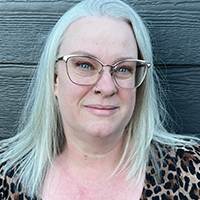
Biography
As the Interim Regional Council Member I thrive on advocating for a safe workplace, for policy improvements, recruitment and retention, lobbying the government to advance our healthcare system and pushing forward campaigns for change. On my first day of graduation as a registered nurse in 2007, I called the college and asked how I could fix the glaring issues in the system, and I was dismissed. This lack of response sparked my desire to make a difference within the system. . Today, I stand firmly in that commitment to the union, to you, to our profession, and to the people we care for, advocating for change.Vote for a difference you want to see. Vote for Deidre.
Role based questions
- What do you see as the primary role of a regional council member in a member-driven union?
The primary role of an RCM is to engage members, to mobilize and empower with knowledge and tools. It is to work together to create a strategy to improve workplace conditions. I honour the ability to lead and influence while engaging with those whose voices are raising concerns. I will bring forth the voice of the members at the local, regional, and provincial levels, including BCNU, government, media, and executives within the healthcare system. - What is the single most important value a regional council member must have, and why?
There is power in kindness as a value. Kindness is a corridor to trust, which leads to relationship building and creativity. Kindness empowers through a sense of safety and connection and sets the stage for being approachable and collaborative. Kindness, in my opinion, is a sign of strength and power while reflecting professionalism and determination. - How can technology be used to strengthen member engagement, democratic participation, and accountability in the union - and what safeguards are necessary to ensure equity, privacy, and trust?
Technology enhances union visibility, member engagement, and mobilization. It improves communication and outreach, expands participation in democratic votes, digital campaigns, and increases accountability and tracking with real-time data for targeted research. The expansion of technology use can raise consent and misinformation issues. We must safeguard against the effects of misinformation, ensuring accessibility to reliable sources, risk assessments, member consent, and ongoing policy review. - Describe your approach to listening to members who may feel unheard, marginalized, or frustrated with BCNU?
Members in a state of stress deserve and require a safe, undisturbed space to be fully heard. I practice a trauma informed and culturally safe approach, using active listening and empathy. These are conversations not to be rushed, but are to be met with the fullness of meeting another human being in their experience. As a grassroots union, these voices can lead to new opportunities and ways of thinking that advance the union. Listening is crucial to my role. - How do, or would, you approach conflict (i.e., between members within regional teams and/or Council, or between BCNU and the employer) while maintaining professionalism and fairness?
I approach conflict with a tailored style based on who is involved and whether the root cause is identified. As conflict does not fit into a one size fits all, I work to gain a comprehensive understanding of each situation. Offering individual, private spaces for deeper core inquiry and impacts if I sense more may be occurring than what is on the surface. While it is easy to outline a conflict resolution approach, executing it in practice can be more challenging and requires leadership skills. - How do you balance representing the will of members with responses to uphold bylaws, policy, collective agreements, and human rights obligations?
I am passionate about members voicing issues and raising concerns. Working to connect them with all aspects of the organization that can influence changes and improvements creates synergy and strengthens unionism. I support members in taking their ideas forward, resource them with people, tools, and pathways, and align them for success. - What past experience best prepares you for this role as regional council member, and what lessons from that experience will guide your work?
With 10 years of Regional Executive experience, including RCM, 14 years of steward activism and 9 years in acute care leadership, I have the full spectrum of experience required to lead a region in the union. These experiences have taught me that progress happens with resilience and responsibility while valuing kindness and humility. My deep knowledge of BCNU across all aspects of the organization, including solid knowledge of governance, grounds my leadership ability. - How do you communicate complex or controversial decisions to members in a way that builds trust, even when members disagree?
Decisions that create a sense of divide open up opportunities for dialogue and understanding. Curiosity builds a bridge, while the bigger vision for the organization leads the way forward. I value transparent communication by sharing the rationale, evidence, and potential impacts to fully acknowledge concerns. I create space for respectful dialogue, listen actively, and follow up, reinforcing the idea that every voice matters, even when decisions are difficult. - How do you ensure your decisions are informed by evidence, member input, and long-term considerations, rather than urgency or pressure?
Ratio implementation on activated units has members engaging by providing feedback and collecting unit level data to help resolve concerns. In partnership with the South Island RCM, we discuss and address union concerns with the Health Authority that are specific to ratios, and this collected data has strengthened discussions to address root causes of the issues as opposed to a reactive band-aid solution that may not be sustainable, leading to positive experiences for patients and members. - Describe a concrete example where you used technology to improve communication, decision-making, or organizing. What worked, what didn’t, and what would you do differently as a union leader?
Positive strike votes by other unions created an urgency to develop responsive job action plans, and inform and support members to coordinate regional response plans. Setting up Zoom sessions for education and resources was effective. Creating accessibility across our region brought members from multiple communities together for creation of the plan and real time support which was effective. Individual support was offered, but in the future I would create a group chat. - How do you guarantee culturally sensitive interactions with your members?
Humans are iterative, always learning, responding and reflecting. The commitment to continual growth, self-knowledge and learning is where emphasis needs to be so the question can shift to how we can guarantee education and personal development to improve culturally sensitive interactions with members. - How has your understanding of the principles of diversity and/or equity and/or inclusion evolved?
My understanding is ever evolving both in my personal and professional life. I have a new appreciation for the improvements being advocated for, while also holding a healthy concern about the erosion of diversity equity and inclusion in the workplace and society. I am committed to advancing the collective agreement and inclusive language while improving the essence of fairness and justice.
Technical Questions
- What is your experience with Microsoft Word, Excel, and Outlook and what is your ability and willingness to learn new computer platforms and applications (e.g. BoardEffects, Expensify, Formstack, Ceridian Dayforce, ZOOM, Box, etc.)?
As the current RCM, I have the knowledge and application of using all of these platforms efficiently and effectively. I am computer platform ready if elected allowing a fast transfer into the role from interim to elected. I am committed to remaining focused on addressing member issues, rather than needing to learn computer systems. I appreciate learning, am adaptable to modernization of systems for efficiency and accountability and see new technology as an opportunity for accessibility. - Where and how have you developed your historical and technical base of understanding in all areas of the union’s work including bargaining and BCNU policies and procedures?
I have developed my historical knowledge through personal experience, application and interest to become more involved with BCNU. Having experienced unsafe working conditions and violations of the collective agreement, I gained a deeper understanding of my own rights. I realized early on I was the one who needed to look out for myself. When I learned the power of advocacy and of standing up for change, I committed to supporting others in experiencing the same positive outcomes I had. - How would you describe your understanding of budgets and financial statements and the general structure and function of BCNU’s financial systems as well as the broad economic picture of BCNU?
I am currently involved in the annual planning and budget oversight regionally and participate in budget decisions provincially. I have engaged in the Provincial mid year budget review and remain inquisitive, asking questions about the budget summaries presented at Council meetings. I am deeply committed to protecting members' dues while ensuring BCNU's key priorities are advanced and BCNU's growth of funds, such as the Internal Restricted Fund for the Bargaining and Defence Funds continues.
Communications Secretary
Perry Assu - Elected - 1067 votes
He, hiim, his
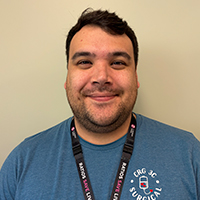
Biography
Perry Assu is an LPN/BCNU steward at CRG. Currently serving as the MHR for Pac Rim. Perry has provided new ideas, supported change and ensured fiscal responsibility. Perry covered for the Comm Sec role and has found passion in this area. Perry has built new connections and helped mend previous relationships to provide venues for regional activities. Perry wants to diversify and modernize delivery of communications including use of social media. Perry strives to have BCNU's voice delivered to Pac Rim. The Comm Sec can be the first contact a member has with BCNU and Perry wants to ensure this is open and respectful. If elected Perry wants to build on past successes while continuing to grow towards an inclusive, united and strong Pac Rim.
Role based questions
- How would you ensure regional communications are timely, accurate, and accessible to members with diverse needs and communication preferences?
I will ensure to only communicate fact checked, accurate and precise messaging. I want to provide monthly updates and respond to all correspondence in a timely fashion in accordance with BCNU policy. If I am away I will ensure coverage is in place so the members always have accessible information from BCNU. - What tools or platforms have you used for newsletters, social media, or websites, and how would you use them to strengthen member engagement?
I want to strengthen member engagement by modernizing how information is spread throughout the region. I want to create a social media platform that will accompany official emails but allowing this information to be more accessible and to all members of the region. Social media has big influence over many aspects of our lives and I want BCNU's voice to be heard further than ever before in the region. - How would you communicate difficult or controversial decisions while maintaining transparency and member trust?
I would be honest and forthcoming about this information and if able I would like to provide rationale behind decisions that are made. I will also show respect to all forms of feedback and work with the membership to achieve a common goal. - If misinformation begins circulating among members, how would you respond quickly and responsibly?
Without passing any judgement or personal opinion I will ensure that correct and fact based information is disseminated throughout the region. Depending on the severity of the situation i would make region wide bulletins to make the most up to date and true information available to all. This can also be shared via social media for members to check personal email or the member portal for privileged information. - How would you work with other regionally elected leaders, Council, and BCNU staff to ensure consistent messaging across the region?
I will be sure to have a open and collaborative approach when working with all levels of BCNU Staff and Leadership. My calm demeanor brings a level of trust and clarity that will help us come to a cohesive decision. I also respect that there may be a difference of opinion and that is okay. I understand that a decision made by an executive is one of a team and not an individual. - How do union values such as integrity and solidarity inform how information is shared?
I believe this is the very foundation of what a union is. We should use this in everything that we do and ensure that we are communicating the right information at the right time and work to understand all feedback from this. - Why do you want to serve in the role of Communications Secretary, and how will you ensure communications reflect member priorities and BCNU's Strategic Directions, rather than personal opinions?
I want to serve as the Communications Secretary as I believe in the grass roots movement and having an engaged membership builds a strong and united union. I also feel that through this position I can build and further develop our relationship with hospitality partners to enable us to hold more union events throughout the region. I want to ensure that integrity and fiscal responsibility are at the forefront of decisions that we make. - How has your understanding of the principles of diversity and/or equity and/or inclusion evolved?
As a member of a minority group and through shared experiences from those who come before me I hold DEI in a high regard. I understand and respect all opinions and want to work collaboratively to engage all members and hear all perspectives before providing my own. - How do you ensure your decisions are informed by evidence, member input, and long-term effects rather than urgency or pressure?
I will ensure that all decisions are backed by facts, member feedback, and historical data. I want to highlight member feedback forms as I am here to serve the membership and want to hear all sides of the story and include all perspectives. I will use existing data, ask for new feedback and ideas and use this to guide decision making at the leadership level of the region.
Kristin Marshall - 599 votes
She, her, hers
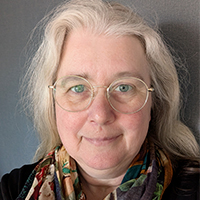
Biography
"An LPN for 17 years, I hold a FT line in Hospice in Parksville. I have served the membership as Communication Secretary since 2019, through significant transitions in leadership and in our regional activities. I love spending time outside - walking my dog, riding my bike, camping, and exploring nature. I have a professional history of writing and editing, and an MA in English.
If elected, I will continue to serve the members by providing timely and accurate information about union activities and events, advocating for members' needs, and broadening our range of outreach efforts. As part of the Regional Executive team, I will make responsible decisions about the use of members' dues and work collaboratively to build solidarity."
Role based questions
- How would you ensure regional communications are timely, accurate, and accessible to members with diverse needs and communication preferences?
By adhering to policies regarding timelines and mandatory reviews; by providing information in multiple ways, using different formats - written, oral, in person, virtual, text, and email; and by accommodating different learning styles and abilities. - What tools or platforms have you used for newsletters, social media, or websites, and how would you use them to strengthen member engagement?
"I have used: targeted and mass emailing, postings in the Member Portal, Cvent emails, Zoom meetings, and regular Events Update emails to reduce the number and frequency of emails members were receiving, to minimize notification fatigue and reactionary unsubscriptions, and reduce costs to the union.
I am always open to trying something new or fine-tuning an approach to respond to members' changing needs." - How would you communicate difficult or controversial decisions while maintaining transparency and member trust?
I would provide the decision with rationale, cite the relevant policy or bylaw, and provide direction for appeal or further questions. I am not afraid to change my mind about a decision if new information becomes available. However, a clear, consistent voice helps build trust and solidarity. - If misinformation begins circulating among members, how would you respond quickly and responsibly?
"It may be as simple as approaching a member directly to correct some well-intended but unfortunately inaccurate information. Or, I might need to send out a clarification email or take direction from the Provincial office.
I would also:
• clarify misinformation through announcements at meetings,
• make the topic a top priority at worksite visits and member outreach events,
• provide education, and
• remind members not to get their information from unreliable sources such as social media. " - How would you work with other regionally elected leaders, Council, and BCNU staff to ensure consistent messaging across the region?
"Collaboratively and respectfully, guided by policy and the direction of Council when applicable.
Part of the Communication Secretary's role is to ensure that information being shared regionally is accurate - which means checking with relevant stakeholders and the RCM prior to disseminating the information." - How do union values such as integrity and solidarity inform how information is shared?
"Integrity - information must be accurate and verifiable. Lack of integrity erodes trust. Solidarity - information should not contradict other information being shared by other union representatives and, as much as possible, union leadership should speak with a united voice to push forward collective goals." - Why do you want to serve in the role of Communications Secretary, and how will you ensure communications reflect member priorities and BCNU's Strategic Directions, rather than personal opinions?
Essentially, it is about centering member priorities and considering communications and activities from the members' perspective.
I am particularly passionate about reaching members who are newer to union engagement, encouraging them through easy-access first exposures to union representatives and activities.
I see one of my roles as being the first contact for many people with the union, and I am mindful of making that first contact a positive one. - How has your understanding of the principles of diversity and/or equity and/or inclusion evolved?
I have always supported diversity, equity, and inclusion, though my understanding has evolved through listening to people from diverse and equity-seeking groups. These voices need to help guide our collective evolution as a union. I have sought out additional education in DEI and specifically on developing skills to interrupt anti-Indigenous racism. I try to be an ally and take responsibility for my own education on these topics, while using my privilege to create space for others. - How do you ensure your decisions are informed by evidence, member input, and long-term effects rather than urgency or pressure?
I collect evidence through tracking numbers (of attendees, no-shows, cancellations, feedback responses, etc.) and compiling member feedback for every event we hold. I provide summaries of this information in my Executive reports. I regularly refer back to regional and provincial policies and consult with my executive team. I advocate for long-term sustainability of our actions while responding to member requests and responses.
Lobby Coordinator
Ashley Johnston – Acclaimed
She, her, hers

Biography
Hi, Pac Rim Nurses! It's been an honour to serve as your Regional Lobby Coordinator for the last five years. If we haven't crossed paths yet, my name is Ashley. I'm an RPN living in Nanaimo. I work as a CNE in LTC. Prior to nursing, I completed a BA with a minor in Political Science. Although Poli Sci education is not required for this role, I believe it has helped immensely.
My goal in this role has been to empower nurses in our region by providing education and mentorship. I set this goal because I'm only one voice (albeit a loud one at times), but imagine the difference we can make when a whole region speaks up. I hope you trust me to continue in this work and that we continue to make a difference together!
Role based questions
- What is the role of a Lobby Coordinator, and how does it support members’ interests?
The Lobby Coordinator advocates for BCNU priorities and local member issues. This requires taking the time to understand the challenges in different care settings across the region. It's important to understand how those experiences differ for nurses in more urban areas (e.g., Duncan, Nanaimo, Comox Valley) and more rural areas (e.g., Mount Waddington, West Coast). - How would you identify and prioritize political or legislative issues that matter most to members?
Every matter is important to the person who raises it. Although not every issue can have a rally or campaign, I can commit to listening to every person who approaches me. I can ask questions to understand and help provide support and/or mentorship. - How would you communicate BCNU positions effectively to elected officials or decision-makers?
By refining the elevator pitch. Some meetings will allow for longer discussion, but other interactions are brief. Elected officials are busy and hear from many different interest groups each day. Communication needs to be succinct and memorable. Ideally it comes alongside suggestions for improvements and creative ideas for change. - How would you ensure your advocacy reflects BNCU's Strategic Directions rather than personal political views?
By remembering that we are all BCNU. Being part of a union means we advocate for all members, not just ourselves. My opinions are of course shaped by the city I live in, the nursing designation I hold, the culture in which I was raised, and the care areas I have worked in. As the Lobby Coordinator, my advocacy must not be driven by those opinions, but instead by the needs of members. - How would you work with members, regional elected leaders, coalitions, and community partners to advance BCNU goals?
An effective approach is finding the overlap between member/BCNU goals and the priorities of local representatives and community partners. Finding overlap means doing homework ahead of meetings (e.g, reading mandate letters and Hansard transcripts). It might not always be possible to find overlap, but it's important to try. - How would you navigate political pressure while maintaining information and union integrity?
Reminding the person I am talking to of the purpose of the role. Sometimes people aren't quite sure what a Regional Lobby Coordinator is. If faced with political pressure, defining the limits and responsibilities helps clear up any potential misunderstanding. Defining limits also provides opportunity to clearly affirm my commitment to integrity and the membership. Should pressure continue, I would reach out to my Regional Council Member and/or provincial supports for advice. - Why do you want to serve in the role of Lobby Coordinator, and how will BCNU values guide your political advocacy?
To inspire others to become involved. Advocating to political representatives can feel daunting. I want to make it feel more accessible to members, which I hope fosters collectively and solidarity. How do I want to serve? With integrity and approachability. - How has your understanding of the principles of diversity and/or equity and/or inclusion evolved?
Over time, I have realized that it is not enough to just avoid being racist and discriminatory. I have realized that advocacy and taking direct action is what keeps people safe. Allyship is not passive; it requires action. - How do you ensure your decisions are informed by evidence, member input, and long-term effects rather than urgency or pressure?
As I get older and through my work as a CNE, I have become more comfortable with asking for more information/input, even if that slows things down. Sometimes, when things feel urgent, they truly are. However, for most decisions handled by a Regional Lobby Coordinator, there is time to ask for more information, explore the possibilities, and gather feedback.
Mental Health Representative
Amanda Gervais – Acclaimed
She, her, hers
Biography
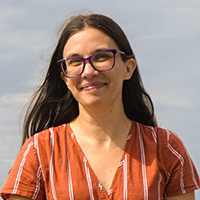
Hello, I'm Amanda Gervais. I was born and raised in the Comox Valley. I am from the Klahoose First Nation. My husband, son (cutest little 2 year old ever) and I currently reside in Merville and I work at the Campbell River Hospital on their surgical unit. I have been a LPN since 2010 (Yes back when LPNs were with HEU). I have always had a interest and joy when working within the mental health area of health care. I have had many family members struggle with their own mental health and that is where my interest in working within mental health comes from. I am hoping to become your regional mental health rep to assist you with any mental health assistance you may need!
Role based questions
- What do you see as the key responsibilities of a Mental Health Representative within the union?
Takes the lead on mental health related matters and works collaboratively with the provincial OHS department, regional OHS representative and OHS stewards on mental health issues. Ensures members interests are served in accordance with the organizations missions and vision. - How would you balance support for members’ mental health and BCNU's Strategic Directions?
Ensuring members safety and mental health is the main priority. Integrating wellness initiatives directly into advocacy. - How would you promote mental health awareness and reduce stigma among members?
Talk and educate. Increasing education and talking more about mental health and the matters at hand will help bring awareness to and help break down stigma associated and surrounding mental health. Having open conversations and supporting mental health initiatives. - How would you respond when members are in distress or facing systemic mental health challenges at work?
Approach and respond in a calm and supportive manner. Respond with empathy and active listening, focusing on support in a non judgmental way. Connecting them with the appropriate resources available to them. - How would you work with stewards, health and safety reps, regionally elected leaders, and BCNU staff mental health issues?
Collaboratively work towards the same goal together. Clear open communication. Foster a supportive safe environment. - How do diversity, equity, and inclusion inform your approach to mental health advocacy?
Through life experiences and being a minority myself i have learned to approach diversity, equity and inclusion with a personalized approach, not one size fits all. Ensuring my approach is personalized, accessible and culturally appropriate. - Why do you want to serve in the role of Mental Health Rep, and how will you ensure members’ lived experiences shape your work?
I want to serve as the mental health rep because i want to help members and support their mental health. I would use members experiences and past to help create individualized support to the person. - How has your understanding of the principles of diversity and/or equity and/or inclusion evolved?
It has evolved from education and learned lived experiences. From learning from experiences of myself, coworkers, patients, family and others. - How do you ensure your decisions are informed by evidence, member input, and long-term effects rather than urgency or pressure?
Always putting the member first. Ensuring i have all the information required to support the member. Being patient and kind. Ensuring continued education on the matter.
Occupational Health and Safety Representative
Nicole Eustis - Elected - 949 votes
She, her, hers

Biography
My name is Nicole, and I have been a registered nurse since 2013. I currently work in Intensive Care and the Telemetry Relief Pool at Comox Valley Hospital. Through my experience, I have seen the ongoing challenges nurses face in maintaining safe workplaces.
I live in Campbell River with my supportive husband Anthony, our 5-year-old son Jamie, and our two wiener dogs Olive and Lola, and I am proud to represent the Pacific Rim region.
I am seeking this role to help improve workplace safety and ensure members' concerns are heard and acted on. I am committed to strengthening communication, improving access to information, and being a strong, present voice for our region.
Role based questions
- What experience do you have with workplace health and safety, and how would you advocate effectively for safer workplaces?
I have been an active member of the Joint Occupational Health and Safety Committee (JOHSC) at Comox Valley Hospital since 2022. In this role, I have completed both BCNU occupational health and safety training as well as Island Health provided courses to strengthen my knowledge and effectiveness. I have participated in employee incident investigations, where I bring a frontline nursing perspective to help contextualize the circumstances under which injuries occur. - How do you stay informed about occupational health and safety legislation and best practices?
I stay informed about occupational health and safety legislation and best practices through collaboration with colleagues, leadership, and safety representatives, which helps me stay aware of emerging issues and practical solutions within the workplace. Additionally, I value continuous learning through formal training, workplace discussions, and reviewing incident trends to identify opportunities for improvement. - How would you identify and prioritize health and safety risks affecting members in diverse workplaces?
Pac Rim is a very diverse area; we have a huge variety of sites. I would prioritize a member-focused approach to try and understand what the environment is, which hopefully would include me visiting some of the sites that I am unfamiliar with. I would try to review JOHSC minutes from sites so that I can gather information about current concerns/trends in each area. I would try to directly engage with members to also understand what is not being reported or newly emerging concerns. - How would you handle disagreements with employers on safety issues?
I would approach disagreements respectfully but firmly, keeping the focus on the safety of staff. I'd start by gathering an understanding of the concern, by gathering facts, incident data, legislation, and member input, while also understanding the employer's perspective. I would rely on health and safety legislation and the collective agreement to support the concern, document everything, and escalate as needed. My goal would be ensuring a safe workplace is not negotiable. - How would you explain safety rights or hazards to members and stewards in a clear and practical way?
I would try to keep things simple, straight forward, and practical for members. I think a big responsibility for workers is reporting, so I would try to encourage members to report, which may include going over the process with them if they are new to it. My goal would be to also follow up with members after they have had a concern, in the past I felt like I had voiced concerns and then did not feel there was any follow up to confirm that my concerns were raised up the correct channel. - How would you work with stewards, regionally elected leaders, Council, and BCNU staff to advance BCNU's Strategic Directions?
I'd build strong relationships with stewards, regional executives, council, and staff through open, consistent communication. I'd make sure I understand BCNU's strategic priorities and connect day-to-day health and safety work to those broader goals. I'd support stewards and leaders by sharing frontline insights, identifying trends, and bringing forward member concerns to inform decision-making. At the same time, I'd focus on improving member access to clear, practical information. - Why do you want to serve in the role of Occupational Health and Safety Rep, and how will you ensure members’ safety concerns drive your work?
I want to serve in this role because I'm committed to protecting the health, safety, and well-being of members and ensuring their voices are heard. In healthcare, the risks are real, and I want to contribute to meaningful, lasting improvements. To ensure members' safety concerns drive my work, I would stay closely connected to the frontline through regular conversations, site visits, and strong collaboration with stewards. I'd focus on improving communication. - How has your understanding of the principles of diversity and/or equity and/or inclusion evolved?
I've come to understand that not all members experience the workplace the same way due to a variety of factors. That's reinforced for me the importance of equity, not just treating everyone the same, but ensuring people have the support and access they need to be safe. I've also learned that inclusion requires active effort, and lifelong learning on my end, and includes understanding and addressing barriers that may prevent members for voicing their concerns. - How do you ensure your decisions are informed by evidence, member input, and long-term effects rather than urgency or pressure?
I prioritize open communication, collaboration, and evidence-informed decision-making. I believe in supporting staff to voice concerns, ensuring those concerns are addressed through appropriate channels, and working proactively with leadership to implement meaningful safety improvements that reflect the realities of clinical practice. Meaningful change can take some time, persistence and patience, which I believe I am able to do.
Geraldine Miller - 770 votes
She, her, hers
Biography
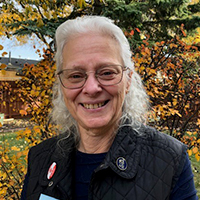
It is a privilege to be nominated for the position of Occupational Health and Safety Representative. If the successful candidate, my goal has been and will continue to be to ensure a safe, healthy, and productive work environment for all members.
With 12 years' experience in the current role, more than 25 years as an active Joint Occupational Health and Safety Committee Member, a Certificate in Occupational Health and Safety - Labour Studies, Violence Prevention Educator x 16 years and a passion for ensuring the safety of our members, I believe my skill and knowledge, together with member support and advocacy, can change the environments we work in. Safety is not a privilege, it is our fundamental right. Join me in the pursuit of SAFETY !
Role based questions
- What experience do you have with workplace health and safety, and how would you advocate effectively for safer workplaces?
12 years in the role of Occupational Health and Safety Regional Pacific Rim Representative.
More than 25 years experience as an active Joint Occupational Health and Safety Committee Member.
Occupational Health and Safety Certificate in Labor Studies.
15 Years experience as an active Violence Prevention Educator.
Engage both members and management in discussions around a safe and healthy work environment. I would continue to work with individual JOHSC's to build on their strength and confidence. - How do you stay informed about occupational health and safety legislation and best practices?
Staying current on occupational health and safety (OHS) legislation and best practices is a combination of utilizing reliable sources, such as Worksafe BC, BCNU Health and Safety department, Canadian Center for Occupational Health and Safety, and working collaboratively with the Health and Safety advisors from both BCNU and Island Health. - How would you identify and prioritize health and safety risks affecting members in diverse workplaces?
"All worksites and areas of practices need to be assessed to identify the hazards and controls required to mitigate hazards identified. A Point of Care Risk Assessment is the tool best utilized to identify who could be impacted, how they may me impacted, the environmental hazards and the Hierarchy of Control required to eliminate or mitigate the risks. Workplace inspections, near misses , worker engagement and feedback and collaboration with the Joint Occupational Health and Safety Committee." - How would you handle disagreements with employers on safety issues?
I would remain professional and address the facts. I would show a willingness to try and understand their concerns. I would present all data, incident reports, EIR reports, worksite investigations, non compliance with Article 32 of the collective agreement, reference Worksafe Regulations, if able engage worker representatives to speak to the concerns and I would offer reasonable solutions based on the Hierarchy of Control. - How would you explain safety rights or hazards to members and stewards in a clear and practical way?
I would first start by explaining why its important for members to be informed of their safety rights and any hazards they may become exposed to. If you don't know the hazards, how does one protect themselves. I would review the following Worker Rights:
Right to know - about any/all hazards they may be exposed to
Right to participate in safety investigations
Right to refuse unsafe work free from discipline
The Right to exercise rights and responsibilities free from discrimination. - How would you work with stewards, regionally elected leaders, Council, and BCNU staff to advance BCNU's Strategic Directions?
Building Strong Relationships Regionally, Provincially and at the worksite is key to communicating effectively.
Stewards need a responsive leader, someone who can engage and provide guidance while supporting them in difficult conversations. Most importantly to bring a listening ear.
I would hope to build strong relationships with leaders, Council and BCNU staff. Collaborating, offering and receiving feedback, utilizing their expertise to advance the Strategic Directions of the union. - Why do you want to serve in the role of Occupational Health and Safety Rep, and how will you ensure members’ safety concerns drive your work?
I want to continue to serve as an Occupational Health and Safety Rep because I believe I can make a difference. Everyday our members are dealing with complex risks in the workplace. Violence is increasing, workload remains a concern, exposure to illicit substance continues and health and safety policies are compromised.
This role is an opportunity to advocate for safer working conditions, support members, and encourage systemic improvements while building supportive relationships. - How has your understanding of the principles of diversity and/or equity and/or inclusion evolved?
I see diversity, equity, and inclusion as directly connected to safety and equality. In the role of supporting members, this means ensuring every voice is heard, every concern is taken seriously, and no one is left at greater risk.
It has taken time and education. I had to look at my own assumptions and bias, only then was I able to understand and be mindful of others. I have learned to take the time to check in with others , to ensure inclusion and understanding. - How do you ensure your decisions are informed by evidence, member input, and long-term effects rather than urgency or pressure?
One needs to take the time needed to review all data, investigations, hazard reports, engage member feedback, assess the risks and potential outcomes pertaining to long term goals.
Review Legislation, consult and collaborate with the Health and Safety team, Collaborate with the Joint Occupational Health and Safety Committee and worker reps.
I would engage the Mental Health Advocate and the Professional Practice Process to ensure well established outcomes.
Professional Responsibility Advocate
Joshua Collins – Acclaimed

Biography
Josh Collins has served as PR Advocate for BCNU's Pacific Rim region since 2022. With over 15 years of nursing experience across multiple sites, he emphasizes education and early intervention. He works closely with members to clarify PR processes, practice standards, and available supports, while collaborating with the Chief Nursing Officer and leadership to address systemic issues and advance sustainable workplace solutions. Josh is committed to strengthening the PR Process through supportive, accountable pathways that reflect members experiences. Focused on clear, accessible education, he supports nurses in navigating complex practice environments with confidence and will continue advocacy, consultation, and education if re-elected.
Role based questions
- What does professional standards mean in a union context, and why is it important for members and the public?
Professional standards in a union context mean upholding the expectations set by the British Columbia College of Nurses and Midwives for safe, competent, and ethical care. Within the British Columbia Nurses Union, this is supported through the Professional Responsibility process, which addresses workplace barriers impacting practice. This protects nurses licenses, supports quality care, and ensures public safety while advocating for conditions that allow standards to be met. - How would you balance accountability, fairness, and compassion when professional concerns arise?
I balance accountability, fairness, and compassion by grounding every concern in facts. Through member input and objective evidence, while applying BCNU's PR Guiding Principles collaboratively. Accountability means addressing practice issues openly and transparently, fairness ensures unbiased due process, and compassion means supporting the nurse, recognizing system pressures, and focusing on solutions that strengthen care. - Describe how you would approach sensitive or contentious professional standards issues.
I would approach sensitive or contentious professional standards issues calmly and fact-based, using the PR process to support early, collaborative resolution at the local level. I would engage all parties respectfully, consult BCNU staff and regional leaders and prioritize the member voice and evidence while upholding BCCNM standards and union values. My focus is on identifying systemic fixes to prevent recurrence. - How would you explain complex or emotionally charged standards issues to members?
I would explain complex or emotionally charged standards issues in plain language, using real workplace examples and visuals when helpful. I'd clearly separate BCCNM standards from workplace realities, and connect them to the PR process and collective agreement. I'd acknowledge emotions, keep the focus on safety and fairness and reinforce how union advocacy protects both nurses and patients. I'd also offer follow-up resources and one-on-one support. - How would you work with regionally elected leaders and BCNU staff in managing sensitive professional issues at diverse worksites?
I'd work collaboratively with regionally elected leaders and BCNU staff by maintaining open, respectful communication and sharing timely, relevant information. I'd rely on elected leaders site-level insight and staff expertise to navigate PR concerns, while ensuring consistency in applying BCNU principles. This supports fair, practical solutions across multidisciplinary settings, including hospital, community, and rural worksites. - How would you ensure members understand professional standards in comparison to collective agreement language?
I'd clearly distinguish the two. The BCCNM sets the standards for safe, competent practice as the regulatory body overseeing nursing practice, while the collective agreement (Appendix KK) provides union tools to address workplace barriers. I'd reinforce this through education sessions, member resources, and simple comparisons, showing how the CA supports nurses in meeting standards. - Why do you want to serve in the role of Professional Practice Advocate, and how will BCNU values guide your decisions?
I want to serve to protect all nurses ability to provide safe care and uphold the profession amid staffing pressures. By utilizing BCNU values, I will ensure inclusive, member-driven decisions that advance health, safety, and professional well-being. - How has your understanding of the principles of diversity and/or equity and/or inclusion evolved?
My understanding has evolved from noticing surface-level differences to recognizing the systemic barriers that affect nurses and patient care. I now focus on acknowledging intersectionality, removing obstacles, and embedding equity in advocacy so that all members feel supported and valued. - How do you ensure your decisions are informed by evidence, member input, and long-term effects rather than urgency or pressure?
I ensure decisions are evidence-based and sustainable by pausing to gather data from PR forms, member feedback, and relevant research. I consult widely, including with regional leaders, and carefully evaluate potential impacts on safety, retention, and professional standards. BCNU's democratic processes support resisting short-term pressure, keeping the focus on solutions that strengthen the profession over the long term.
Steward Liaison
Kelly Woywitka – Acclaimed
She, her, hers
Biography
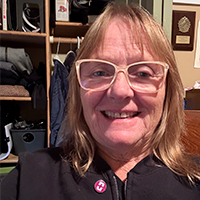
Kelly Woywitka has served as a dedicated union steward since 2006 and currently holds the role as Steward Liaison for the Pacific Rim Region. She is committed to supporting nurses in understanding and exercising their rights under the collective agreement. Known for her strong work ethic and approachable nature, Kelly is readily avaiable to assist members, including during critical incidents. She advocates for fair recognition, safe workplaces, and strong representation, and respectfully seeks your continued support to champion the needs of nurses across the region. Vote Kelly Woywitka for Steward Liaison.
Role based questions
- What do you see as the primary responsibilities of a Steward Liaison, and why are stewards critical to a strong union?
Stewards are the on the ground eyes and ears of the union. They enforce the collective agreement and support members who feel that their rights have been violated.
Key responsibilities
ambassadors, support for stewards, facilitation of steward days, - How would you support stewards with varying levels of experience and confidence?
I personally am available 24/7 if they need me. They can always give me a call or text for support or collaboration.
I guide them through meetings and offer support through grievances. - How would you ensure information flows effectively between stewards, members, and regional elected leadership?
I stay up to date with BCNU priorities and and provincial local issues. I work with FT stewards and steward at large, I encourge all members to read the e-news and encourage them to stay up to date on the member portal . - Describe how you would assist stewards when workplace issues escalate or become complex.
I would help then to go through the interp manual and support them , I would call the LRO with them for assistance, I would guide them to the proper channels like Professional practice, OHS, Lobbyist, or RCM. - How would you collaborate with regional elected leaders, Council, and BCNU staff to strengthen steward effectiveness in furtherance of the BCNU's Strategic Directions?
I would always refer to the strategic directions when making decisions on outreach or membership issues. I would bring issues back to the exec at exec meetings . I would enlist and invite staff such as HRE director or MNPR stewards and staff where appropriate - How do solidarity and equity guide your approach to supporting stewards and members?
I believe there is power in numbers. Once a decision is reached through democracy, I honour that decision and support it . I make sure every member has a chance to be valued. I recognize that equality does not mean equal. If members need accommodation I make every effort to have them valued and accepted on their ward. - Why do you want to serve in the role of Regional Steward Liaison, and how will you remain accountable to stewards and the broader membership?
I enjoy the work. I am a skilled steward and the union has invested a lot of time and education in me. I am wanting to pass on my knowledge and through support and guidance, create strong, confident stewards. The broader membership needs to feel supported by their union and by their stewards. - How has your understanding of the principles of diversity and/or equity and/or inclusion evolved?
I have been a provincial chair for WWD for 16 years approx. I have learned cultural competence through the other caucuses. I am well verses in DEI and I am a strong advocate, I reach out to the appropriate people as needed to support the member to the fullest. - How do you ensure your decisions are informed by evidence, member input, and long-term effects rather than urgency or pressure?
I do thorough investigations, I interview members involved, and work within time frames. I do not make decisions until I am fully informed. I base need on the facts from case. If someone is terminated, that takes presidence as it affects the members livelihood.
Treasurer
Christine Green - Elected - 1263 votes
She, her, hers
Biography
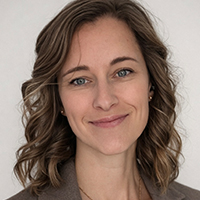
My name is Christine Green, and I am a nurse at Comox Valley Hospital. I have been a steward for 8 years and most recently held the position of Regional Ratio Representative. These roles have strengthened my organizational skills, attention to detail, and ability to manage complex responsibilities while advocating for members.
I am applying for the Treasurer position to further contribute to our organization. I bring a background in banking, with experience in budgeting, financial tracking, and maintaining accurate, accountable records. I am confident in my ability to support transparent and well-organized financial management.
I look forward to the possibility of serving the Pacific Rim Region
Role based questions
- What experience do you have with budgeting, financial oversight, or reporting, and how will you ensure members’ dues are managed responsibly and transparently?
I have a background in both HR and banking. I've been responsible for balancing employee's deductions with benefit payments, working within a large electronic program.
My experience in banking I managed cash everyday, with a responsibility to balance at the end of the day.
I plan to manage the treasurer position by thinking through the budget created, and how it best serves the most amount of members - What financial tools or systems have you used, and how would you use technology to improve accuracy, reporting, or accessibility of regional financial information?
I have used many varieties of software, including banking software, excel, smart books. I love working with tools that maximize productivity, and streamline work, so I would be looking to do that. - How would you explain a difficult or controversial financial decision to members in a clear, accessible, and respectful way?
I would lay out all the facts, and the things that were taken into consideration for the decision. I feel that as a grassroots organization it is important that the membership is consulted and apprised of any financial decisions. - Describe a time you had to question a financial decision or raise concerns about governance or spending. What guided your approach?
I've had some questions in the past about how budget is created, and how worksites are funded. I usually approach these situations from a place of curiosity. I want to understand. - When there are disagreements about spending priorities, how would you manage conflict while upholding union values and maintaining trust?
I would work with parties to explore what people's goals are. What are we working to achieve? How do we make decisions that will benefit the majority of people? - How do you see the Treasurer working with other regionally elected leaders, Council and BCNU staff to support effective regional governance?
I see that there could be a lot of advocacy from this role. I believe that we need to bring things back to the members at the worksites. I would like to see a lot more outreach and support to new activists. - Why do you want to serve in the role of Regional Treasurer, and how will you ensure your decisions consistently reflect the needs, equity considerations, and voices of members all while supporting BCNU's Strategic Directions?
I would like to be a part of the regional executive. I feel that my background in finance, and HR make me a good candidate for this position. I hope to bring things back to the frontlines and as such be able to articulate the needs of the greater membership. - How has your understanding of the principles of diversity and/or equity and/or inclusion evolved?
I feel that this is an area that I am continually learning, and I hope to continue to do so. - How do you ensure your decisions are informed by evidence, member input, and long-term effects rather than urgency or pressure?
I am a organized person who works well under stressful situations. I believe that this skill would translate well to this position. In this position I would think decisions through, and reflect back on what our strategies goals are for the region rather than responding reflexively to pressure.
Candidate Attestations
- I have disclosed any other current union, board, employment, or governance roles that may intersect with my duties and responsibilities as a BCNU executive officer if elected.
I have also applied to the Regional Ratio Representative position. I am unsure if I am able to hold both positions.
Marcia Wright - 442 votes
She, her, hers
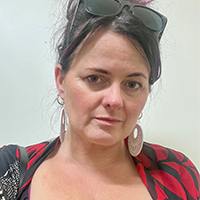
Biography
Graduated from BScN program at Malaspina University-College in 2002. Became a BCNU steward in 2007. Joined the Pacific Rim Regional Executive in 2022 as Regional Treasurer. I have acute care and community experience. I am currently a Clinical Nurse Leader at NRGH
My skills in critical thinking, communication and problem solving will be an asset to the Regional Executive. Three of my core principles fit well with this role; transparency, responsibility and accuracy. As Regional Treasurer I will represent all nurses and advocate for an appropriate level of BCNU funding in order to support regional objectives. I will continue to maintain accurate records and ensure funds are managed in the best interests of the membership.
Role based questions
- What experience do you have with budgeting, financial oversight, or reporting, and how will you ensure members’ dues are managed responsibly and transparently?
I have served as Regional Treasurer since September 2022, overseeing financial reports, budgeting, and accountability. I am familiar will all computer programs used in this role. I ensure transparency through clear reporting, consistent oversight, and open communication so members understand how dues are managed and why decisions are made. I share up to date information with membership and answer questions on spending within the region. - What financial tools or systems have you used, and how would you use technology to improve accuracy, reporting, or accessibility of regional financial information?
Integrity is the most important value for a RCM. Members trust us to act in their best interests. Integrity ensures decisions are ethical, transparent, and accountable. It also means asking difficult questions and being honest, even when decisions are not easy. Trust is the foundation of effective union leadership. - How would you explain a difficult or controversial financial decision to members in a clear, accessible, and respectful way?
I explain decisions in clear, plain language-outlining the issue, options considered, and rationale. I acknowledge impacts and make space for questions and feedback. Even when members disagree, being transparent, respectful, and honest helps maintain trust and understanding. - Describe a time you had to question a financial decision or raise concerns about governance or spending. What guided your approach?
As Treasurer since 2022 and a steward since 2007, I've raised concerns when decisions didn't align with policy or priorities. I review information carefully, ask respectful, direct questions, and focus on accountability. My approach is guided by fairness, transparency, and responsibility to members. - When there are disagreements about spending priorities, how would you manage conflict while upholding union values and maintaining trust?
As a clinical nurse leader and regional treasurer, I have learned to ensure all perspectives are heard and respected. I bring discussions back to shared union values and use evidence, policies, strategic directions and priorities to guide decisions. My goal is to find common ground while maintaining transparency and consistency to preserve trust. I ask questions to ensure my understanding of all sides, and encourage questioning to ensure their understanding. - How do you see the Treasurer working with other regionally elected leaders, Council and BCNU staff to support effective regional governance?
As Treasurer since 2022, I have worked collaboratively with regional leaders, Council, and staff. I value open communication and rely on staff expertise while ensuring accountability. Strong relationships and clarity in roles support effective, transparent governance. I continue to build effective relationships with leadership and collaborate to maintain strong governance. - Why do you want to serve in the role of Regional Treasurer, and how will you ensure your decisions consistently reflect the needs, equity considerations, and voices of members all while supporting BCNU's Strategic Directions?
I am committed to continuing as Treasurer to support strong financial stewardship. I fully understand what the role entails. With experience as a nurse since 2002, steward since 2007, and Treasurer since 2022, I understand member needs. I apply an equity lens and align decisions with BCNU's Strategic Directions to support fairness and sustainability. Each year my knowledge and understanding has deepened and increased my ability to serve the members while remaining fiscally responsible. - How has your understanding of the principles of diversity and/or equity and/or inclusion evolved?
My understanding of equity and inclusion has grown through nursing and union work. As a cis-gendered white female of European descent I am aware of the inherent privilege I carry. I recognize systemic barriers and the need to actively include diverse voices. I aim to ensure decisions are fair, inclusive, and responsive to the varied experiences of members. - How do you ensure your decisions are informed by evidence, member input, and long-term effects rather than urgency or pressure?
I rely on financial data, trends, and member input to guide decisions. My experience as a clinical nurse leader and as regional treasurer has taught me to pause, assess impacts, and align with long-term priorities rather than react to urgency. This ensures decisions are thoughtful, sustainable, and accountable.
BCNU Election Candidate Attestations
All regional candidates have affirmed yes to attestations (1-9) below:
- I am a member in good standing of BCNU, with no outstanding disciplinary proceedings, and meet all BCNU Constitutional and Bylaw eligibility criteria for the position I am seeking.
- I commit to upholding BCNU’s Constitution and Bylaws and the Policies and Procedures, and will engage in ethical, respectful, and inclusive conduct during the election and throughout any term in office.
- I have reviewed and understand the fiduciary duties and responsibilities as described in Policy 2.0.1 and in the job description, including the duties of care, loyalty, compliance, confidentiality, and accountability to BCNU’s vision, mission, values, and members.
- I affirm that I will protect and safeguard any member information, BCNU internal documents, or confidential records that may be made available to me during the course of this election or while in office.
- I will disclose any real, perceived, or potential conflicts of interest prior to or during my candidacy and, if elected, will comply with all conflict-of-interest policies and governance requirements.
- I have reviewed and understand the election code of conduct as stipulated in Policy 2.0.7, including the guiding principles for BCNU elections, candidate and BCNU member roles and responsibilities, and the rules pertaining to campaign materials.
- I will not engage in any campaigning, communications, or actions that may be reasonably understood to involve misinformation, personal attacks, or harassment, and I understand that such behaviour may result in immediate removal from the election process.
- I hold current registration in good standing with the British Columbia College of Nurses and Midwives (BCCNM) and confirm there are no current findings of professional misconduct, suspension, or conditions on my nursing license.
- I understand that all attestation statements are subject to verification by the BCNU Nominations Committee, and false declarations may result in immediate disqualification from candidacy or immediate removal from elected office.