

 Richmond Vancouver
Richmond Vancouver Regional Executive Election Results
Regional Council Member
Sherrill Harmer - 293 votes
She, her, hers
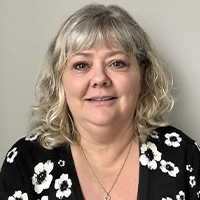
Biography
I am a highly experienced nurse and a dedicated union advocate with a career spanning over 44 years. Currently work as a Telenurse and prior worked in ED, ICU, CCU and med/surg. August I became the Steward at Large and was fortunate to be elected to the Bargaining Committee, bringing my passion for advocating for BC's nurses. For 8 years I was the Executive Steward Liaison. My leadership experience includes coordinating stewards, covering for RCM, supporting member engagement and strengthening union representation across multiple work sites. I am known for my honesty, integrity, communication skills and extensive knowledge and understanding of the collective agreement. I am committed to advocacy and strive to be a trusted effective leader.
Role based questions
- What do you see as the primary role of a regional council member in a member-driven union?
I feel strongly that the primary role is ensuring that the members have access to myself to answer any questions or concerns they may have. It is important to ensure that members feel heard and their concerns are addressed. Proactively engaging with members through regular worksite visits, while supporting the Executives, FTS, and SAL in their roles. Financial responsibility and accountability on how Riva spends its funds should be top priority, as these are the members' funds. - What is the single most important value a regional council member must have, and why?
In my view, honesty and integrity are the most essential qualities a Regional Council member must have. Members need to be able to place their trust in the leadership and have confidence in their integrity and judgment behind their council and executives decisions and actions. While not everything can be shared due to privacy considerations, building strong, open communication and trust allows these situations to be managed effectively. - How can technology be used to strengthen member engagement, democratic participation, and accountability in the union - and what safeguards are necessary to ensure equity, privacy, and trust?
Technology in the union has evolved since the pandemic. Given the size and diversity of our region, it's important to offer a variety of accessible ways to reach members. Virtual meetings, held during both daytime and evening hours provide convenient opportunities to share information and answer questions. In-person visits are essential for meaningful engagement and building trust. Phone calls and private meetings should be available to ensure members feel supported and heard. - Describe your approach to listening to members who may feel unheard, marginalized, or frustrated with BCNU?
I would create a safe space where members feel comfortable speaking, listening without interruption, avoiding defensiveness, and focusing on understanding rather than responding. I would take their concerns seriously and validate their experiences. I would assess whether the issue is individual or affecting multiple members and address it accordingly. Transparency, follow-through, clear communication, and action are key to building trust. - How do, or would, you approach conflict (i.e., between members within regional teams and/or Council, or between BCNU and the employer) while maintaining professionalism and fairness?
Conflict can bring strong emotions so I would focus on remaining calm, grounded, and respectful. Professionalism begins with tone, body language, and a commitment to fairness. I would ensure everyone has the opportunity to be heard, listening to each perspective without interruption or judgment. I would remain neutral and focused on the issue, not the individuals, and work toward solutions that are fair, transparent and in the best interest of the members. - How do you balance representing the will of members with responses to uphold bylaws, policy, collective agreements, and human rights obligations?
As a leader I need to listen carefully to members, understand their concerns and priorities and advocate for them in a way that respects the framework of BCNU. I would begin by ensuring members feel heard and informed. When expectations conflict with bylaws, policy, NBA or Human Rights it's important to explain those boundaries clearly and respectfully so members understand the "why" behind decisions. I support bringing concerns forward through appropriate channels for review or change. - What past experience best prepares you for this role as regional council member, and what lessons from that experience will guide your work?
I have been a Steward for many years and two terms on Executive have prepared me well. Covered for the RCM and temporarily filled the OHS Executive role along with the Steward Liaison at same time. I am the Steward at large which I will return to once my Bargaining Committee role is over. I have extensive knowledge of the NBA and grievance process. These experiences have taught me the importance of listening, fairness, consistency, objectivity, staying calm and focus on practical solutions. - How do you communicate complex or controversial decisions to members in a way that builds trust, even when members disagree?
With honesty, clarity and respect. I would explain the decision in plain language, including the reasoning behind it and any constraints such as bylaws, NBA or legal obligations. Members are more likely to trust the outcome when they understand the why even if they don't agree. I would ensure members have the opportunity to ask questions and share their perspectives. Consistency and follow-through are key. Provide updates, be accessible, ensure members are heard and respectful communication. - How do you ensure your decisions are informed by evidence, member input, and long-term considerations, rather than urgency or pressure?
I would start by gathering relevant information, including data, past practice and the requirements of our NBA, bylaws and policies. I would listen to the members perspective and understand how decisions will affect an individual member or a broader group. When urgency or pressure is present I would focus on staying grounded and not react impulsively. I would take the time needed to assess the situation, ask questions and consider potential outcomes before making a decision. - Describe a concrete example where you used technology to improve communication, decision-making, or organizing. What worked, what didn’t, and what would you do differently as a union leader?
I have used Zoom meetings to improve communication and engagement with members across multiple worksites. Different shifts and locations were barriers to get information out. Having the ability to offer various dates and times I was able to reach more members, share updates and create a space for questions and discussions. What didn't work well was that some members were not as comfortable speaking in a virtual setting, IT issues and no in-person connection. In future I use a blended approach. - How do you guarantee culturally sensitive interactions with your members?
I would ensure culturally sensitive interactions by consistently approaching every member with respect, humility and willingness to learn. I recognize that members come from diverse cultural backgrounds and it is my responsibility to create an environment where people feel safe, heard and valued. Listening without assumptions, allowing members to define their own experiences and needs. Continue to learn cultural safety, equity, inclusion and apply that in my interactions to build trust. - How has your understanding of the principles of diversity and/or equity and/or inclusion evolved?
I better understand that equity is not just about treating everyone the same but about recognizing different needs and barriers and responding appropriately so all members have fair access to support and representation. I have learned that inclusion requires intentional efforts ensuring members feel safe, listened to, recognizing unconscious bias and they meaningfully involved in conversations and decisions that affect them. Requires continuous learning, reflection and accountability.
Technical Questions
- What is your experience with Microsoft Word, Excel, and Outlook and what is your ability and willingness to learn new computer platforms and applications (e.g. BoardEffects, Expensify, Formstack, Ceridian Dayforce, ZOOM, Box, etc.)?
My experience and comfort with technology has increased over time. I am proficient in Word, Excel and Outlook, which I use daily in my various roles for communication, documentation and organizing information. I am comfortable using Formstack, Box, Zoom and Microsoft Teams. I am confident in my ability to learn new systems and applications as needed and I am open and willing to expand my skills to support the role. - Where and how have you developed your historical and technical base of understanding in all areas of the union’s work including bargaining and BCNU policies and procedures?
I have developed historical and technical thru a combination of hands on leadership roles, committee work and direct member advocacy. As a Steward and on Executive I have worked on a wide range of workplace issues, including grievances, policy interpretation, understanding of governance, operational decision making and workplace concerns. My current work on the Bargaining Committee has further strengthened my understanding of the processes, priorities and strategy and how membership is affected. - How would you describe your understanding of budgets and financial statements and the general structure and function of BCNU’s financial systems as well as the broad economic picture of BCNU?
I have a working understanding of how budgets are developed, reviewed and monitored to ensure resources align with member needs and BCNU priorities. My experience on Executive and Bargaining I have become more familiar with BCNU financial structure, including how funds are allocated across regions and initiatives and how financial decisions are guided by policy and governance. I approach with a focus on responsibility, transparency, sustainability and ensuring member funds are used effectively.
Polly Huynh - 307 votes
She, her, hers
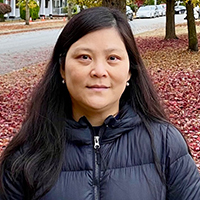
Biography
"I am a proud BCNU member" is the answer I want every nurse to say.
Hello, my name is Polly and I currently work as a TN in Richmond Hospital. Prior to this, I worked in LTC, Tertiary and in community with the OAMHT and Case Management. I would be honoured to receive your vote and to represent you as your RCM. I was an elected Steward and past Executive for the region.
My pledge once elected:
100% members engagement; outreach to all nurses; all nurses to attend BUS workshop (Salary replaced) to learn about your Union.
Nurses will receive the recognition and appreciation they deserve during Nurses' Week.
I will advocate for transparency and be your voice.
I will ensure more members can attend meetings.
Together, we are stronger.
Role based questions
- What do you see as the primary role of a regional council member in a member-driven union?
The primary role of a RCM is to act as a bridge between the members and the provincial office's councils in which the RCM engages members, conveys information to members and represents the voice of the members in the region. - What is the single most important value a regional council member must have, and why?
The single most import value a RCM must have to me is honesty. Honesty comes with accountability and responsibility. - How can technology be used to strengthen member engagement, democratic participation, and accountability in the union - and what safeguards are necessary to ensure equity, privacy, and trust?
Information shared should be factual, transparent and up to date. All members' contact should be current and is updated yearly, such as workplace, to ensure the members get the information they need and the important information gets to the right members. - Describe your approach to listening to members who may feel unheard, marginalized, or frustrated with BCNU?
Listening requires time and patient. A good listener needs to give time and full attention to the members. At the same time, a good listener needs to understand the situation, and to show the members you are interested in their issue. You need to talk with the members through their issue and to provide as much information and explanation as possible. - How do, or would, you approach conflict (i.e., between members within regional teams and/or Council, or between BCNU and the employer) while maintaining professionalism and fairness?
The approach would require respect, willingness to learn and change and an open minded to new feedback. - How do you balance representing the will of members with responses to uphold bylaws, policy, collective agreements, and human rights obligations?
The balance comes with understanding. It is important for members to understand their rights and responsibilities in order for them to understand how bylaw and policy are upheld within the Union. - What past experience best prepares you for this role as regional council member, and what lessons from that experience will guide your work?
Being a part of the executives team in the past and seeing how the team worked together, I have learned that respect, honesty and inclusion would be needed for a successful team work. - How do you communicate complex or controversial decisions to members in a way that builds trust, even when members disagree?
Honesty is key. We need to show members we have done our best and that whatever the decision is made, it is made with their best interest in mind. We need to listen to their input. - How do you ensure your decisions are informed by evidence, member input, and long-term considerations, rather than urgency or pressure?
We need to engage with members, visit their worksites, conduct surveys and hold meetings as needed. - Describe a concrete example where you used technology to improve communication, decision-making, or organizing. What worked, what didn’t, and what would you do differently as a union leader?
I have not had any opportunities to use technology to communicate with members but my experience as the Regional secretary in the past has taught me, communication needs to be precise and to be sent in a timely manner. - How do you guarantee culturally sensitive interactions with your members?
We need to be respectful, and self aware that we do not impose our beliefs and values on others. - How has your understanding of the principles of diversity and/or equity and/or inclusion evolved?
I understand that we all come from different background, different walk of life and have different values and beliefs. Hence we need to respect one another and treat each other with the utmost respect. We need to treat others as how we want to be treated.
Technical Questions
- What is your experience with Microsoft Word, Excel, and Outlook and what is your ability and willingness to learn new computer platforms and applications (e.g. BoardEffects, Expensify, Formstack, Ceridian Dayforce, ZOOM, Box, etc.)?
I am fairly comfortable with those programs and am willing to learn new platforms and computer skills. - Where and how have you developed your historical and technical base of understanding in all areas of the union’s work including bargaining and BCNU policies and procedures?
I was an elected steward for Richmond Home Health and I attended all the required workshops/sessions for steward. I keep myself informed of what is going on within the Union by reading all the emails sent to us. I keep myself up to date with who the Regional and Provicial executives are. - How would you describe your understanding of budgets and financial statements and the general structure and function of BCNU’s financial systems as well as the broad economic picture of BCNU?
I understand that union dues are collected from members biweekly through payroll and these funds are used for Union's events within all the regions. Funds are allocated yearly to each regions for regional events. I am also aware that our Union owns the BCNU building, other properties and investments/funds.
Raina Sidhu - Elected - 449 votes
She, her, hers

Biography
I am seeking election for Regional Council Member. I have been active in the union since 2014 as a steward, became a Member Educator in 2019, & have served as Mental Health Rep since 2022. Since Nov 2025, I have been interim RCM, providing stability during a sudden leadership transition now serving as RCM since being elected by RIVA members. As a Mosaic of Colour member, I bring this perspective to my advocacy & leadership. I am actively building my understanding of Council responsibilities-strategic direction, advocacy, governance, & fiduciary accountability-through close collaboration with RIVA team. With 26 years as an RN & experience in pediatrics, emergency, public health, & 811, I bring a broad perspective & a strong voice for RIVA.
Role based questions
- What do you see as the primary role of a regional council member in a member-driven union?
A Regional Council Member represents members' interests, advocates for their needs, and ensures decisions reflect collective priorities. We act as a vital link between frontline members and leadership, support stewards, guide regional teamwork, uphold governance and accountability, and help shape strategic direction to strengthen a member driven organization. - What is the single most important value a regional council member must have, and why?
For me, the most important value is accountability. It's the backbone of a member driven organization. Members trust me to represent them honestly, use resources responsibly, and make decisions based on what's best for the group-not personal preference. When an RCM leads with accountability, it strengthens the work, the relationships, and the confidence members have in their union. - How can technology be used to strengthen member engagement, democratic participation, and accountability in the union - and what safeguards are necessary to ensure equity, privacy, and trust?
Technology can really help members stay connected and involved. Things like virtual meetings, online surveys, and secure voting make it easier for people to participate no matter where they are. BCNU App right now is sharing real time bargaining updates also keep everyone in the loop as things happen & have CA. At the same time, it's important to protect people's privacy, make sure everyone has fair access, and be clear about how any data is used so members feel safe and can trust the process. - Describe your approach to listening to members who may feel unheard, marginalized, or frustrated with BCNU?
I make contact, I hear, I do what I can and escalate as needed. I offer alternatives. Member becomes aware that i am doing my due diligence. I am also work in progress as i believe in progressive and servitude leadership. I dont have all the answers though. - How do, or would, you approach conflict (i.e., between members within regional teams and/or Council, or between BCNU and the employer) while maintaining professionalism and fairness?
I handle conflict by staying calm, actively listening and focusing on the facts. I try to understand what's really going on before offering solutions. i ask what are we looking at. I believe in going to the source or encouraging people to talk directly one on one. I keep things respectful and professional, and if needed, I bring in neutral support or refer to our policies. My goal is to be fair and do proper due diligence. i promote that challenge the idea not the person and agree to disagree. - How do you balance representing the will of members with responses to uphold bylaws, policy, collective agreements, and human rights obligations?
I'd say it's most is about balance and alignment- listen to what members want and what matters to them, and at the same time, we stick to the rules and policies that are in place. It's kind of like making sure everyone's voice is heard within a framework that's fair and respectful of human rights obligations. if there is gaps then working on new policies to bring consistency and growth. - What past experience best prepares you for this role as regional council member, and what lessons from that experience will guide your work?
I've been a JOHS rep, steward, member educator, mental health rep, and most recently an RCM for five months, as well as a registered nurse for 25 years. These roles have taught me how to work with members, teams, leadership, and BCNU staff with respect and fairness. I beleive in power of present, to listen actively, communicate clearly, say no when needed, and bring members' voices forward while staying proactive and solution focused. - How do you communicate complex or controversial decisions to members in a way that builds trust, even when members disagree?
I handle that is by being really transparent about the reasons behind the decision and the constraints we're working with. I try to communicate in everyday language, not jargon, and really make space for members to ask questions or share how they feel. Even if they disagree, they know I'm listening. Also I try to understand complex issues myself first- again, so far it is work in progress. - How do you ensure your decisions are informed by evidence, member input, and long-term considerations, rather than urgency or pressure?
By taking a step back and looking at the bigger picture before making a call. I make sure I've looked up information, listened to the members' perspectives, and thought through the longer-term impacts. That way, even if there's urgency or pressure, I've got a strong foundation to lean on. I also ask my fellow RCMs and PEC for information and their experience. i have long ways to go. - Describe a concrete example where you used technology to improve communication, decision-making, or organizing. What worked, what didn’t, and what would you do differently as a union leader?
I have small examples of doing polls among my team on whatsapp, doodle app, and doing zoom meeting with stewards and team and so far it seems to be working. I do assess my team to see if they too much of whatsapp then I move things to emails - it saves times - I send rsvp for events to see who is available and how many team members we would need, and it works. but again, I haven't really worked on bigger level yet. - How do you guarantee culturally sensitive interactions with your members?
It helps to continually build my cultural competence and communication skills, including attending diversity and inclusion events such as HRE conferences. I stay approachable, open to learning from members and my team, and committed to creating a respectful space where every member feels heard and valued. - How has your understanding of the principles of diversity and/or equity and/or inclusion evolved?
it seems I learn something everyday. my understanding of DEI has grown from just thinking to be fair to actually applying equity in my work. In my union role, i find i am making an active effort to hear all voices, especially those not always heard. I also balance member concerns in presence of CA and also human rights obligation to support fair and inclusive decisions. I am trying to be present.
Technical Questions
- What is your experience with Microsoft Word, Excel, and Outlook and what is your ability and willingness to learn new computer platforms and applications (e.g. BoardEffects, Expensify, Formstack, Ceridian Dayforce, ZOOM, Box, etc.)?
ve worked with Microsoft Word, Excel, and Outlook throughout my nursing and telenursing career, and in the last five months as an RCM I've used platforms like BoardEffects, Expensify, Formstack, Ceridian Dayforce, Zoom, and Box. I adapt quickly to new systems and my team and I are even planning a Box training session to strengthen our skills further. i am getting familiar with excel as well in last 5 months while prepping for Job action. - Where and how have you developed your historical and technical base of understanding in all areas of the union’s work including bargaining and BCNU policies and procedures?
i have built my understanding of BCNU's work through my role as an active member, steward ME and Mental health rep and most recently as RCM experience- as needed reviewing BCNU policies, attending education sessions, regional meetings and staying engaged in bargaining updates. My recent months as an interim and now permanent RCM have strengthened my technical and historical knowledge, and I continue learning through meetings, mentorship and member issues that connect policy to real practice. - How would you describe your understanding of budgets and financial statements and the general structure and function of BCNU’s financial systems as well as the broad economic picture of BCNU?
This is an area I'm actively developing as I grow in my RCM role. I now have a much stronger understanding of finances and our regional budget. I research before signing any regional contracts and seek guidance from the provincial treasurer and my regional treasurer. I plan to attend the Regional Treasurers Education Day and meet with our treasurer to deepen my knowledge further.
Communications Secretary
Paula Lameiro – Acclaimed
She, her, hers
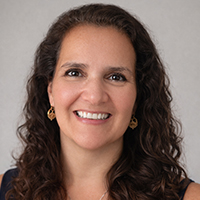
Biography
I am writing to express my interest in the Regional Communication Secretary position. I have been a nurse since 2005 and involved in the union since 2009, including serving two years as Communication Secretary and currently as interim Steward at Large since September 2025.
I have strong communication, organizational, and problem-solving skills, and regularly support members by providing clear, accurate information. I also have experience with correspondence, record-keeping, and meeting materials.
I am comfortable with the required systems, adaptable, and value collaboration with members and the executive.
I am committed to ensuring members are informed, supported, and heard, and would welcome the opportunity to continue in this role.
Role based questions
- How would you ensure regional communications are timely, accurate, and accessible to members with diverse needs and communication preferences?
I would contact members to ask how they prefer to receive information and whether they require any accommodations to support accessibility. Based on the information gathered, I would then coordinate with the BCNU support team to ensure appropriate communication methods are used. By maintaining open communication, being responsive, and coordinating with internal supports, I would help ensure members receive clear, timely, and inclusive communications. - What tools or platforms have you used for newsletters, social media, or websites, and how would you use them to strengthen member engagement?
I have used Facebook for Social media.
Useful for posting updates, event notices, and engaging with members through comments and groups.
In regards to keeping members up to date in our region I would use Cvent and Campaigner.
-I would share timely updates, meeting notices, and event information through these platforms
-I would help maintain organized and scheduled communication by sending notifications.
-This would increase member engagement in the different sites. - How would you communicate difficult or controversial decisions while maintaining transparency and member trust?
I would liaise with the Chair and the executives as needed and come up with a statement that is vetted via the regional and provincial executive.
Usually there is a statement that comes out provincially on how they would like us relay messages to the members. So I would adhere to BCNU's values when making and sending out the statements. - If misinformation begins circulating among members, how would you respond quickly and responsibly?
I would address the misinformation promptly and ensure that members receive accurate and clear information as quickly as possible.
I would first verify the information by consulting with the Regional Chair and Executive, and the Provincial Executive if needed. Once confirmed, I would address the misinformation promptly and ensure that members receive accurate and clear information as quickly as possible.
In doing so, I would work collaboratively with the team to ensure consistency in messaging - How would you work with other regionally elected leaders, Council, and BCNU staff to ensure consistent messaging across the region?
I would collaborate with the team to ensure consistent messaging aligned with BCNU communication standards. I would first consult with my regional executive and chair, and if needed, escalate the matter to Council. This cohesive approach ensures members receive reliable information from a unified source. I would also engage with BCNU staff, as needed, to ensure messaging is clear and effectively communicated to members. - How do union values such as integrity and solidarity inform how information is shared?
Union values of integrity and solidarity play a key role in how information is shared, ensuring communication is both trustworthy and member-focused. Integrity means providing accurate, transparent, and verified information, while solidarity emphasizes supporting collective interests and fostering unity among members. These values will guide my communication approach to build trust, strengthen relationships, and ensure members receive clear, consistent, and equitable information. - Why do you want to serve in the role of Communications Secretary, and how will you ensure communications reflect member priorities and BCNU's Strategic Directions, rather than personal opinions?
I would rely on BCNU values of integrity and solidarity, rather than personal opinion, when communicating messaging. These values ensure information is accurate, transparent, verified, and member-focused, while also reflecting unity and supporting collective interests. Together, they guide communication that builds trust, strengthens relationships, and ensures members receive clear, consistent, and equitable information. - How has your understanding of the principles of diversity and/or equity and/or inclusion evolved?
Union values of integrity and solidarity play a key role in how information is shared, ensuring communication is both trustworthy and member-focused. Integrity means sharing information that is accurate, transparent, and verified. Solidarity focuses on supporting collective interests and ensuring communication reflects unity among members. Together, these values guide communication that builds trust, strengthens relationships, and ensures members receive clear, consistent, and equitable information. - How do you ensure your decisions are informed by evidence, member input, and long-term effects rather than urgency or pressure?
"Ground decisions in evidence (review contract language, past practice, and data)
Seek and value member input-especially those directly affected, and engage others for perspective if needed.
Follow up with the appropriate groups in BCNU when needed
I would stay consistent and fair, even under pressure
Focus on long-term impact rather than quick fixes
I would review all these factors & Avoid reacting to urgency-respond thoughtfully, strategically, and with intention."
Lobby Coordinator
Hong Pan – Acclaimed
She, her, hers

Biography
Melody Hong Yan Pan is a Clinical Nurse Educator in Richmond with over 22 years of healthcare experience, including care aide and LPN roles across medical-surgical, ICU, and home care settings. She holds specialty certifications in critical care and nephrology and brings a broad perspective on nursing practice challenges.
As BCNU Lobby Coordinator for RIVA 2023-2026, Melody engages municipal, provincial, and federal governments to ensure nurses' voices are heard in shaping health policy. She actively represents frontline perspectives and contributes to initiatives that improve working conditions and patient care.
An active member of BCNU MOSAIC and the Workers with Disabilities Caucus, Melody is committed to advocating for equity.
Role based questions
- What is the role of a Lobby Coordinator, and how does it support members’ interests?
A Lobby Coordinator advocates for nurses by connecting members' voices to municipal, provincial, and federal governments. They ensure frontline realities inform health policy, influence legislation, and promote safe, ethical working conditions. By representing nurses in decision-making, they protect members' interests and advance quality patient care. - How would you identify and prioritize political or legislative issues that matter most to members?
by actively listening to members through surveys, meetings, and caucuses, and by monitoring healthcare trends and policy changes. BCNU Prioritization would focus on issues that most impact patient care, nurse safety, staffing, and equity, ensuring members' voices guide advocacy efforts and inform government engagement. - How would you communicate BCNU positions effectively to elected officials or decision-makers?
With using evidence and frontline examples to illustrate members' concerns, I would tailor messages to each audience, engage in active dialogue, follow up with written briefs, and build collaborative relationships to ensure nursing perspectives influence policy decisions. - How would you ensure your advocacy reflects BNCU's Strategic Directions rather than personal political views?
I would align all advocacy with BCNU's Strategic Directions, using union policies, member priorities, and evidence-based positions as the foundation. I would separate personal views from union work, consult with members and colleagues, and ensure all messaging reflects collective goals, professional standards, and the best interests of nurses. - How would you work with members, regional elected leaders, coalitions, and community partners to advance BCNU goals?
I would collaborate by actively listening to members and regional leaders, building partnerships with coalitions and community groups, and fostering open, respectful communication. Together, we would align efforts, share expertise, and mobilize resources to advance BCNU goals, amplify nurses' voices, and influence policies that support safe, high-quality care. - How would you navigate political pressure while maintaining information and union integrity?
I would maintain integrity by staying grounded in BCNU policies, evidence, and member priorities. I would provide accurate, transparent information, separate union positions from external pressures, and engage decision-makers respectfully while ensuring advocacy reflects collective goals and protects members' interests. - Why do you want to serve in the role of Lobby Coordinator, and how will BCNU values guide your political advocacy?
I want to serve as Lobby Coordinator to ensure nurses' voices shape policies that impact patient care and working conditions. Guided by BCNU values of equity, professionalism, and member advocacy, I will champion evidence-informed positions, amplify diverse perspectives, and advance fair, safe, and high-quality healthcare for all. - How has your understanding of the principles of diversity and/or equity and/or inclusion evolved?
My understanding of diversity, equity, and inclusion has deepened through frontline nursing, union work, and leadership roles. I've seen how systemic barriers affect underrepresented nurses and patients, and I've learned that meaningful change requires listening, amplifying diverse voices, and implementing policies that ensure fair, equitable, and inclusive opportunities. - How do you ensure your decisions are informed by evidence, member input, and long-term effects rather than urgency or pressure?
I ensure decisions are informed by gathering member input, reviewing evidence, and analyzing potential long-term impacts. I prioritize data, consultation, and strategic alignment with BCNU goals, resisting short-term pressure, so actions reflect the best interests of members and support sustainable, high-quality care.
Mental Health Representative
Mary Grace Anzures – Acclaimed
She, her, hers

Biography
My name is Mary Grace and I have worked as a Registered Nurse for the past sixteen years. I worked as a Mental Health and Addiction Nurse in Toronto, Niagara Falls and Vancouver. I have cultivated a deep passion for mental health awareness, advocacy and trauma informed care, for both my patients and my colleagues. I am acutely aware of how short staffing, poor working conditions and horizontal violence can manifest in psychological illness and injuries. The culture of mistreatment and violence towards nurses has been normalized and endured for far too long. I promise to be a powerful advocate for your mental health and champion the fact that psychological health & safety is just as important as physical health & safety.
Role based questions
- What do you see as the key responsibilities of a Mental Health Representative within the union?
- be a strong and passionate advocate for MH & well-being of our union members
- collaborate with OH&S stewards to facilitate MH campaigns and education
- help to eliminate stigma and promote resilience
- support members and stewards on MH & safety concerns
- collect data/ report trends to Labour Relations Officers and OH&S officers
- actively work towards achieving our Regional Operations Plan - How would you balance support for members’ mental health and BCNU's Strategic Directions?
- supporting members' MH is aligned with our 2025-2027 strategic directions
- protecting members rights to safe, healthy & respectful workplace + holding employers accountable
- addressing indigenous specific racism, supporting DEI initiatives & cultural safety are also apart of MH rep role & BCNU's strategic objectives
- worksite visits, 1:1 discussions, calls or e-mails to support members' access to info, cultivate member solidarity, foster leadership development & advocate for quality practice - How would you promote mental health awareness and reduce stigma among members?
- organize & facilitate MH campaigns- in person (site visit) or virtual (social media)
- organize & offer MH education sessions- ie. lunch & learn
- review signs & symptoms of burnout, depression, anxiety, PTSD
- emphasize importance of psychological health in workplace & risk factors that can lead to poor workplace psychological health
- review and discuss realistic strategies that members, managers, supervisors and organizations can implement to improve psychological health and safety at work - How would you respond when members are in distress or facing systemic mental health challenges at work?
- listen to their story, validate their feelings and provide emotional support
- reassure them they are not alone & promise that BCNU will support them through these unfair, frustrating and upsetting circumstances
- liaise with their BCNU steward to offer my assistance/ support
- review their options: schedule Dr appt or go to ER, file respectful workplace complaint, call EDMP or report psychological injury to WorkSafe BC
- explain protection: Canadian Human Rights Act & BC Workers Compensation Act - How would you work with stewards, health and safety reps, regionally elected leaders, and BCNU staff mental health issues?
- set up meetings to get to know stewards, H&S reps, regionally elected leaders
- introduce myself, inquire about existing MH services & supports for our members
- ask about MH trends they have observed
- ask how I can support & build on their local MH advocacy & stigma reduction initiatives
- support them with specific member inquiries re: MH or addiction concerns & psychological injury in the workplace - How do diversity, equity, and inclusion inform your approach to mental health advocacy?
- by recognizing that chronic prejudice, discrimination, racism, sexism and exclusion can lead to toxic work environments and feelings of stress, burnout, depression and anxiety
- promoting & embracing diversity, equity and inclusion can help build and maintain a healthy and psychologically safe work space for all
- acknowledging and working on dismantling structural & systemic racism in our health care policies & practices should be a top priority in BC and throughout Canada - Why do you want to serve in the role of Mental Health Rep, and how will you ensure members’ lived experiences shape your work?
- I am passionate about protecting and maintaining the MH and wellness of our members
- have my own lived experience with toxic work environments and psychological workplace injury- my MH suffered tremendously
- I was well supported by various BCNU stewards- helped me get through very difficult time in my career
- I want to pay it forward and be there to support members who are experiencing MH struggles
- I will take the time to listen to members stories & support them wholeheartedly - How has your understanding of the principles of diversity and/or equity and/or inclusion evolved?
- equity and diversity were not taught when I was in Nursing school, instead learned to treat everyone equally and to "tolerate" others
- now, I am aware of importance of health equity- how everyone should have fair opportunity to obtain highest level of health, regardless of their age, gender, sexual orientation, ethnicity, culture, religion or socioeconomic status
- we should be recognizing, embracing and valuing diversity of our patients, communities and colleagues
- practice cultural humility - How do you ensure your decisions are informed by evidence, member input, and long-term effects rather than urgency or pressure?
- take the time to gather detailed information & facts from all relevant parties
- try to analyze (without bias) and evaluate all avenues of resolution, along with their possible long-term effects
- if struggling with feelings of urgency or pressure, I can reach out to one of my fellow regional counsel members to debrief or request their support and guidance on the matter
Occupational Health and Safety Representative
Ashana Ramsay – Acclaimed
She, her, hers

Biography
I am a Mental Health Nurse with over 15 years of experience in a variety of settings, from emergency care to addiction services. I have been a BCNU steward for more than six years and have served as an MOC representative for two terms. I have also had the opportunity to sit on the JOHSC at my worksite for over 10 years, where I have supported impactful systemic changes. I am committed to promoting safe and healthy workplaces for all BCNU members. My goal is to work alongside members and support them in understanding and navigating Occupational Health and Safety legislation with confidence, with a strong focus on strengthening and empowering our local Joint Occupational Health and Safety Committees.
Role based questions
- What experience do you have with workplace health and safety, and how would you advocate effectively for safer workplaces?
I have been on my unit JOHSC ( Joint Occupational Health and Safety Committee ) for over 10 years. I have supported members with navigating violence in the workplace, advocating for safe working environment. I have supported members with navigating the collective agreement around Occupational Health and Safety. I would advocate for a safe workplaces , by being a support for members. Empowering BCNU members who sit on JOHSC. Educating regional membership through outreach and educational sessions. - How do you stay informed about occupational health and safety legislation and best practices?
I stay informed by reading the updates from BCNU, attending educational sessions. I stay connected with BCNU Occupational Health and Safety Officer. In addition I have familiarized myself with the Occupational Health and Safety Regulation and discuss these finding with BCNU OHS officers. - How would you identify and prioritize health and safety risks affecting members in diverse workplaces?
I would schedule a meeting to hear their concerns and gather data to understand the matter in it's entirety. Should it be required I would liaise with our regional Executives, DEI Stewards and BCNU OHS officers to ensure that concern is looked at though a multi-lens approach. From this I would create a plan of action which would be agreed upon by the members of that workplace. I would walk alongside the members as this plan is implemented and support them through the process. - How would you handle disagreements with employers on safety issues?
I would navigate disagreements by having further discussions. Ensuring that I am presenting the factual evidence , and stating the case why this matter is a safety issues. I would get buy-in by other union JOHSC members, by having a joint Union meeting . We would formulate a plan of action and bring this plan to management. I would hear management reasoning and see if they have a resolution to the concern. If there is an impasse then we would navigate this through the disagreement channels. - How would you explain safety rights or hazards to members and stewards in a clear and practical way?
I would explain safety rights and hazards to members and stewards through education, phone conversation, outreach and engagement. These discussion would focus on the steps on how to report a hazard and explanation of safety rights. I would try to make the teaching as interactive as possible to promote learning. - How would you work with stewards, regionally elected leaders, Council, and BCNU staff to advance BCNU's Strategic Directions?
I would start with this biggest hurdle of forwarding the strategic direction- engaging members. In order to do this I would be doing outreach , follow-up/ check-ins with JOHSC Committee members . I would walk along side members by available for questions, I would liaise with my executive members during executive meetings and plannings. I would meet with BCNU OHS officer on updates to the strategic directions. Encourage members to connect with BCNU digital platforms. - Why do you want to serve in the role of Occupational Health and Safety Rep, and how will you ensure members’ safety concerns drive your work?
I am truly passionate about OHS, with 10 years of experience in navigating complex safety issues and seeing systemic change in my workplace because of my advocacy. I ensure that member safety drives my work by staying engaged with members at various worksite, scheduling check-in with JOHSC, maintaining effective communication through emails , virtual meetings and calls. I would do walkabout to ensure BCNU presence is seen in the workplace. - How has your understanding of the principles of diversity and/or equity and/or inclusion evolved?
Diversity means making sure all workers are represented and visible in the union. Equity means recognizing that some workers face extra barriers and taking steps to support them so everyone has a fair chance. Inclusion means creating a union where everyone can take part in decisions and leadership, not just be members on paper. I've also learned that solidarity doesn't just happen on its own-it has to be built. That means addressing bias, listening to underrepresented members. - How do you ensure your decisions are informed by evidence, member input, and long-term effects rather than urgency or pressure?
I think it is extremely important not to be reactive in this position, but proactive . To listen member , gather data , review policies , to get member input, to strategize and create a concrete action plan. I believe it is also very important to review past concern of a similar nature .This can include speaking to the employer to forward concerns at an actionable level.
Professional Responsibility Advocate
Clara Cheung – Acclaimed
She, her, hers

Biography
I am working as a Public Health Nurse in Vancouver. I am an active member of British Columbia Nurses' Union, currently serving on the executive team as Interim Regional Communications Secretary since September 2025 and Young Nurses Network representative since September 2024. Through these roles, I've supported member engagement, strengthened communication, and advocated for nurses across diverse practice settings. I am seeking the Regional Professional Responsibility Advocate role to support members in navigating professional practice challenges with confidence and fairness. I am committed to mentorship, equity, and strong union advocacy, ensuring nurses feel supported while advancing safe patient care.
Role based questions
- What does professional standards mean in a union context, and why is it important for members and the public?
Professional standards in a union context protect both patient safety and member' rights. They ensure members are not unfairly disciplined for systemic issues like short staffing. Grounded in British Columbia College of Nurses and Midwives standards, unions ensure accountability is shared with employers, strengthening public trust and safe care. - How would you balance accountability, fairness, and compassion when professional concerns arise?
I would ensure members are held to standards without ignoring unsafe working conditions. Fairness means due process and union representation; accountability includes employer responsibility; compassion means recognizing burnout and moral distress. I would prioritize supportive, corrective approaches over punitive ones. - Describe how you would approach sensitive or contentious professional standards issues.
I would gather facts, document concerns using PRP processes, and ensure confidentiality. I would support the member while identifying systemic contributors such as staffing or workflow issues. My approach prioritizes safe care, transparency, and strong advocacy to prevent unjust discipline. - How would you explain complex or emotionally charged standards issues to members?
I would use clear, practical language and connect the issue to PRP steps and collective agreement rights. I'd acknowledge emotions and ensure members understand they are supported. I would distinguish between regulatory expectations and employer obligations to reduce fear and confusion. - How would you work with regionally elected leaders and BCNU staff in managing sensitive professional issues at diverse worksites?
As Interim Regional Communications Secretary, I've collaborated across roles to ensure consistent messaging. I would work closely with British Columbia Nurses' Union leaders, stewards, and BCNU Staff to align strategy, share worksite insights, and support coordinated, equitable responses across the region. - How would you ensure members understand professional standards in comparison to collective agreement language?
I would educate members that standards guide safe nursing practice, while the collective agreement protects their rights and working conditions. Using PRP examples, I'd show how unsafe conditions can impact standards and how the union advocates to address those system issues. - Why do you want to serve in the role of Professional Practice Advocate, and how will BCNU values guide your decisions?
As a YNN rep and Interim Regional Communications Secretary, I've seen how unsupported practice impacts members. I want to strengthen advocacy so nurses are protected and heard. Guided by British Columbia Nurses' Union values, I will center equity, integrity, and solidarity in advancing safe practice. - How has your understanding of the principles of diversity and/or equity and/or inclusion evolved?
Through my YNN role and person of colour, I've seen how systemic inequities shape member experiences. My understanding has evolved to include how bias impacts discipline, support, and voice. I apply an equity lens by advocating for fair processes, amplifying underrepresented members, and promoting culturally safe practices. - How do you ensure your decisions are informed by evidence, member input, and long-term effects rather than urgency or pressure?
I rely on PRP documentation, collective agreement language, and consultation with members and BCNU staff. My Communications Secretary experience supports gathering and synthesizing input. I focus on root causes and long-term impacts, ensuring decisions are consistent, evidence-based, and aligned with union advocacy.
Steward Liaison
Yvette Mueller - 457 votes
Biography
I am a RN and an active BCNU member with experience serving in both the Steward Liaison role and as an Occupational Health and Safety representative. Over the course of my union involvement, I have developed a strong understanding of steward support, grievance processes, contract enforcement, and the importance of consistent communication across worksites. These experiences have strengthened my commitment to advancing member rights and supporting stewards in their critical role as the frontline of our union. If elected as Regional Steward Liaison, my primary objective is to strengthen steward capacity and consistency across the region by ensuring stewards are well-supported, well-informed, and connected to one another and to regional leader.
Role based questions
- What do you see as the primary responsibilities of a Steward Liaison, and why are stewards critical to a strong union?
the Steward Liaison ensures that stewards are supported, connected, and effective, while stewards themselves are the backbone of the union-turning collective agreements into lived protections and ensuring that members' voices are heard and respected. - How would you support stewards with varying levels of experience and confidence?
my goal would be to build a cohesive and confident steward network where all stewards feel supported, capable, and connected. By investing in their development and fostering a culture of mentorship and collaboration, we strengthen not only individual stewards but the union as a whole. - How would you ensure information flows effectively between stewards, members, and regional elected leadership?
I would focus on creating reliable communication channels while also fostering a culture where information is shared openly, accurately, and in a timely manner. my approach would be to create a communication system that is structured but flexible, ensuring information flows in all directions-timely, accurately, and in a way that strengthens relationships across stewards, members, and regional leadership. - Describe how you would assist stewards when workplace issues escalate or become complex.
provide calm, structured, and strategic support so stewards feel confident and members remain well represented. In more complex or high-risk situations, I would also ensure the right people are involved early. I would emphasize the importance of keeping the member informed throughout the process, ensuring they understand what is happening. my approach is to provide steady, knowledgeable support that helps stewards navigate complexity effectively. - How would you collaborate with regional elected leaders, Council, and BCNU staff to strengthen steward effectiveness in furtherance of the BCNU's Strategic Directions?
I would prioritize building strong, respectful working relationships with all partners. A key part of this collaboration is ensuring alignment between strategic priorities and frontline steward work. I would collaborate on education and development opportunities for stewards. I would contribute as an active and engaged member of the Regional Executive Team. - How do solidarity and equity guide your approach to supporting stewards and members?
Solidarity, to me, means fostering a collective approach where members feel connected, supported, and empowered to stand together. Equity requires a more intentional approach-recognizing that members and stewards do not all start from the same place and may face different barriers. Solidarity and equity also guide how conflicts are approached. I would support stewards and members in a way that is consistent, inclusive, and responsive. - Why do you want to serve in the role of Regional Steward Liaison, and how will you remain accountable to stewards and the broader membership?
I want to serve in the role of Regional Steward Liaison because I value the critical role stewards play in supporting members and strengthening the union, and I am motivated to help build a well-supported, connected, and confident steward network. My previous experience as a Steward Liaison and as an OH&S representative has given me a solid understanding of both the opportunities and challenges within the role, and I am committed to continuing to contribute in a meaningful and effective way. - How has your understanding of the principles of diversity and/or equity and/or inclusion evolved?
I have come to see diversity, equity, and inclusion as directly connected to union strength. When members feel respected, included, and fairly represented, they are more likely to engage, trust the union, and stand in solidarity with one another. This strengthens our collective voice and our ability to advocate effectively. Informs how I communicate, support others, and contribute to a more inclusive and equitable union environment. - How do you ensure your decisions are informed by evidence, member input, and long-term effects rather than urgency or pressure?
I prioritize gathering accurate and complete information. I focus on structured problem-solving and critical thinking. Reflection as well. My goal is to balance responsiveness with thoughtful analysis-ensuring that decisions are not driven solely by urgency or pressure, but are grounded in evidence, informed by members, and aligned with the long-term strength of the union.
Bailey Wilson - Elected - 477 votes
She, her, hers

Biography
I have been an RN for six years, and my ability to earn my peers' trust through being a strong advocate and leader earned me a leadership position after just one year of nursing. I currently am a Donor Centre Supervisor for Canadian Blood Services, and I have previously worked in med/surg, long term care, and infection control. I became more active in the union in 2025 and became a worksite steward in 2026. I am committed to democracy, equity, and collectivity and I want to encourage more members to get involved. If elected, my objectives are to engage more members to become stewards, then support and mentor those stewards to represent their members' unique needs and strengthen their collective voice.
Role based questions
- What do you see as the primary responsibilities of a Steward Liaison, and why are stewards critical to a strong union?
A Steward Liaison is responsible for regional steward activities and is a recruiter and mentor for stewards in the region, as well as being a contact for members who do not have a steward at their worksite. Stewards inform members of their rights, advocate for them, and get them involved in union activities, which is critical in building a strong union of informed and active members. A Steward Liaison is essential to developing stewards to perform their responsibilities effectively. - How would you support stewards with varying levels of experience and confidence?
All stewards come with different work and life experience, and this variance is valuable. As a Steward Liaison, it is important to utilize a steward's natural strengths in their role to help them build confidence in areas in which they have less experience. Providing resources and contact information is a good start to building confidence. There is no steward that knows all the answers! Knowing where to look and who they can ask when they don't know the answer is what makes a good steward. - How would you ensure information flows effectively between stewards, members, and regional elected leadership?
Communication is key in conducting union business, as clear two-way communication supports integrity, solidarity, and collectivity. In the current process, members will contact their stewards, and stewards will convey information to Stewards-at-Large or Steward Liaisons, and others will be involved as necessary. A clear, timely response is critical in engaging members and stewards and showing them support. A concise and polite written response will allow for reference back and easy sharing. - Describe how you would assist stewards when workplace issues escalate or become complex.
When workplace issues escalate, I would draw on all supports available for the issue the steward is dealing with. I would ensure they are in contact with their Full-time Steward or Steward at Large, and ensure they have and understand the relevant articles of the Collective Agreement. I would mentor them to document everything, collect any documentation from the member involved, and to stay engaged with the member or members to keep the issue at the forefront and guide it toward a resolution. - How would you collaborate with regional elected leaders, Council, and BCNU staff to strengthen steward effectiveness in furtherance of the BCNU's Strategic Directions?
I would collaborate with the team to organize regional steward activities that provide stewards tangible ways to engage with their members to strengthen our union through solidarity; support their members to access information through the portal, app, and website; and hold their employers accountable collectively. Creating solid activities that support these goals ensure stewards will actually implement them when they return to their worksite, and the great ideas don't just stay in the meeting. - How do solidarity and equity guide your approach to supporting stewards and members?
I promote equity by ensuring any steward or member that needs assistance from BCNU is able to access it, for example, being a contact for members in worksites without a steward. Recruiting members to become stewards promotes this equity as well, by facilitating members' access to BCNU services through their worksite steward. Having stewards in worksites also promotes solidarity among the members. I promote solidarity by providing support to all members that is guided by BCNU's goals and values. - Why do you want to serve in the role of Regional Steward Liaison, and how will you remain accountable to stewards and the broader membership?
I want to serve the region as a Regional Steward Liaison because I have a strong desire to support and mentor stewards with the goal of both increasing support to the membership and strengthening our union. The need to increase our collective strength has become even clearer this year with bargaining underway. I am currently a leader, and I will use my strengths in leadership to build trust with stewards and members, keep communication open, and always follow through with my commitments. - How has your understanding of the principles of diversity and/or equity and/or inclusion evolved?
I have expanded my understanding of DEI through my nursing career and leadership roles to understand intersectionality and that a group of people with a shared trait is not a monolith. Each individual is the sum of their own traits and experiences and they will experience the world differently. This is why I believe it is best to approach every person and situation with open ears to listen to their lived experience and beliefs while also being culturally aware and educated on history. - How do you ensure your decisions are informed by evidence, member input, and long-term effects rather than urgency or pressure?
Currently as a leader, I am not easily pressured into decision making. I critically appraise all available evidence and use the principles of integrity, equity, democracy, and collectivity to guide my decision making. Meeting these principles resists any pressure as all evidence and possible effects must be considered before a decision is made. I have a demonstrated ability to make timely decisions that are not pressured by urgency, as I prioritize longevity and equity over urgency.
Treasurer
Elizabeth Carter – Acclaimed
She, her, hers
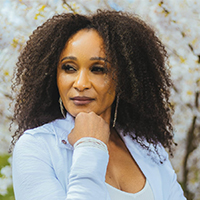
Biography
I have been a Registered Nurse since 2003 and became a Steward to advocate for members facing workplace challenges. In 2014, I joined the Regional Executive to further strengthen that advocacy. I have since served in several roles, including Communications Secretary, Mosaic of Colour Representative, Steward Liaison, Mental Health Representative, and Treasurer since 2018. As Treasurer, my objective is to ensure that members' union dues are managed responsibly, transparently, and with accountability. I bring strong knowledge of BCNU policies and financial systems, and Im committed to protecting the financial interests of our membership. I'm passionate about this role and take pride in supporting members while ensuring funds are used wisely
Role based questions
- What experience do you have with budgeting, financial oversight, or reporting, and how will you ensure members’ dues are managed responsibly and transparently?
Budgeting / transparency:
I have experience managing budgets, tracking expenditures, and reviewing reports to ensure accuracy and accountability. I prioritize clear documentation, regular reporting, and adherence to policy. I will ensure members' dues are managed responsibly by maintaining transparent records, providing accessible updates, and supporting audits and oversight. - What financial tools or systems have you used, and how would you use technology to improve accuracy, reporting, or accessibility of regional financial information?
I have experience using spreadsheets (Excel), and NetSuite financial tracking systems, and reporting tools to monitor budgets, reconcile accounts, and ensure accuracy. I would leverage technology to standardize reporting, improve real-time tracking, and create clear, accessible summaries for members. Using shared digital tools and dashboards can enhance transparency, reduce errors, and support informed decision-making. - How would you explain a difficult or controversial financial decision to members in a clear, accessible, and respectful way?
Explaining difficult decisions:
I would explain the decision by clearly outlining the context, options considered, and rationale. I'd avoid jargon, be honest about trade-offs, and acknowledge concerns. Most importantly, I'd create space for questions and feedback so members feel heard and respected. - Describe a time you had to question a financial decision or raise concerns about governance or spending. What guided your approach?
Questioning a decision:
I have raised concerns when financial decisions lacked clarity or alignment with priorities. I approached it by asking respectful, evidence-based questions and focusing on accountability rather than blame. My approach was guided by transparency, fairness, and responsibility to stakeholders. - When there are disagreements about spending priorities, how would you manage conflict while upholding union values and maintaining trust?
Managing conflict
I would listen actively to all perspectives, focus on shared goals, and ground discussions in union values. Using clear criteria and evidence helps depersonalize disagreements. I aim to build consensus where possible and ensure decisions remain transparent and respectful - How do you see the Treasurer working with other regionally elected leaders, Council and BCNU staff to support effective regional governance?
Working with leadership:
The Treasurer should collaborate closely with leaders, Council, and staff by sharing timely financial information, supporting planning, and ensuring alignment with policies. Open communication and mutual respect are key to effective governance and informed decision-making. - Why do you want to serve in the role of Regional Treasurer, and how will you ensure your decisions consistently reflect the needs, equity considerations, and voices of members all while supporting BCNU's Strategic Directions?
Why you / equity / strategy:
I want to serve to ensure financial decisions are responsible, transparent, and member-focused. I will actively seek diverse input, consider equity impacts, and align decisions with BCNU's Strategic Directions. My goal is to reflect members' needs while supporting sustainable, fair outcomes. - How has your understanding of the principles of diversity and/or equity and/or inclusion evolved?
DEI understanding:
My understanding has grown to recognize that equity requires intentional action, not just awareness. I've learned to value diverse perspectives, challenge biases, and consider systemic barriers. Inclusion means ensuring all voices are heard and reflected in decisions. - How do you ensure your decisions are informed by evidence, member input, and long-term effects rather than urgency or pressure?
Evidence-based decisions:
I rely on data, policy, and member input to guide decisions. I take time to review information, ask questions, and consider long-term impacts. Even under pressure, I prioritize thoughtful analysis and transparency to ensure decisions are balanced and accountable.
BCNU Election Candidate Attestations
All regional candidates have affirmed yes to attestations (1-9) below:
- I am a member in good standing of BCNU, with no outstanding disciplinary proceedings, and meet all BCNU Constitutional and Bylaw eligibility criteria for the position I am seeking.
- I commit to upholding BCNU’s Constitution and Bylaws and the Policies and Procedures, and will engage in ethical, respectful, and inclusive conduct during the election and throughout any term in office.
- I have reviewed and understand the fiduciary duties and responsibilities as described in Policy 2.0.1 and in the job description, including the duties of care, loyalty, compliance, confidentiality, and accountability to BCNU’s vision, mission, values, and members.
- I affirm that I will protect and safeguard any member information, BCNU internal documents, or confidential records that may be made available to me during the course of this election or while in office.
- I will disclose any real, perceived, or potential conflicts of interest prior to or during my candidacy and, if elected, will comply with all conflict-of-interest policies and governance requirements.
- I have reviewed and understand the election code of conduct as stipulated in Policy 2.0.7, including the guiding principles for BCNU elections, candidate and BCNU member roles and responsibilities, and the rules pertaining to campaign materials.
- I will not engage in any campaigning, communications, or actions that may be reasonably understood to involve misinformation, personal attacks, or harassment, and I understand that such behaviour may result in immediate removal from the election process.
- I hold current registration in good standing with the British Columbia College of Nurses and Midwives (BCCNM) and confirm there are no current findings of professional misconduct, suspension, or conditions on my nursing license.
- I understand that all attestation statements are subject to verification by the BCNU Nominations Committee, and false declarations may result in immediate disqualification from candidacy or immediate removal from elected office.