

 Simon Fraser
Simon Fraser Regional Executive Election Results
Regional Council Member
Ann Charbonneau - 898 votes
She, her, hers
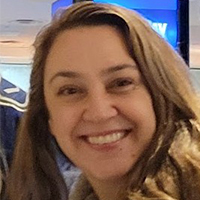
Biography
BIO and Experience:
2012 - Site Steward at QPCC
2018 - Steward Liaison, SF region
2019 - NBA Bargaining Committee Member
2020 - SAL, SF region
2021 - Full-time Steward, SF region
Through my experience serving members, I've learned that while empathy matters, effective advocacy demands knowledge, experience, and determination. Today's challenges are complex, often blending personal and professional issues, and require persistence and awareness of available supports.
Strong representation depends on competence and accountability, built through a well-trained, supported, and committed team. If elected RCM, this will be my focus and mandate.
Role based questions
- What do you see as the primary role of a regional council member in a member-driven union?
Facilitating the sharing of information between the stakeholders to ensure that the strategic direction and goals are being properly implemented. Supporting regional executives with member outreach. Bringing membership issues forward to the union. Lobbying the government and advocating for safe patient care. Empowering and mentoring new stewards of the region with feedback and support. - What is the single most important value a regional council member must have, and why?
I believe dependability is the most crucial value required in order to be a regional council member. To be dependable is not only to be trustworthy but also reliable in all duties. This means that I will do what I say, do it well, and do it on time. Dependability requires that I have integrity and be accountable to my employer, co-workers, and the membership. It encompasses loyalty and a steadfast commitment to do the job well. - How can technology be used to strengthen member engagement, democratic participation, and accountability in the union - and what safeguards are necessary to ensure equity, privacy, and trust?
As a union executive, I will have access to many technological tools that will allow for the increased flow of communication and real-time updating of important union messaging. These tools have administrative controls to ensure privacy, confidentiality, and accountability. In order for these tools to be equitable, they have to be accessible to everyone in our membership. Members using these platforms will need to be provided with training to ensure the proper usage policies are followed. - Describe your approach to listening to members who may feel unheard, marginalized, or frustrated with BCNU?
Currently, in my role as a full-time steward, it is imperative to be a good listener, as the details are important. It's also important that the member has their voice clearly heard and understood, as my position exists to represent them. It requires providing a safe space for the member and a way to meet with them in a manner that meets their needs. This can be virtually, by phone, or in person. - How do, or would, you approach conflict (i.e., between members within regional teams and/or Council, or between BCNU and the employer) while maintaining professionalism and fairness?
Conflict resolution is complicated. It requires that we ensure a safe space for these discussions to be heard. It requires professionalism and a strong adherence to our code of conduct in order to maintain the integrity of the union. Emphasis should be placed on the individual's perspective, and care should be taken to repair relationships whenever possible. This requires rapport building when possible and clear communication that is delivered plainly without the use of technical jargon. - How do you balance representing the will of members with responses to uphold bylaws, policy, collective agreements, and human rights obligations?
When conflict arises between the will of our members and the laws and policies that govern us, it can be complicated. This requires a multi-factorial approach that includes education on why limits are placed on what can be done in these situations. The policies ensure not only that the needs of one individual are met, but also that the needs of all members are balanced with the needs of the employer and the public we serve. - What past experience best prepares you for this role as regional council member, and what lessons from that experience will guide your work?
I've been a SAL/Steward since 2020. Patience, perseverance, and passion have guided me in this role. I am a strong advocate and fight for the rights of others, I've learned to focus on the fact that my role is and always will be in the service of others. Previously, as a steward liaison, I was responsible for supporting all the stewards of our region as a team player who led by example. I organized and facilitated all-day meetings and regularly provided feedback and support to the steward teams. - How do you communicate complex or controversial decisions to members in a way that builds trust, even when members disagree?
These conversations are best conducted in person or over the phone rather than by email. It is essential that I understand the issues clearly so that I can clearly communicate the reasons for a decision with professionalism and compassion. When this is done well, the member will feel that they've not only been heard but understood. It can be important to validate a person's feelings and understand that this can be done without having to agree with their perspective or reaction. - How do you ensure your decisions are informed by evidence, member input, and long-term considerations, rather than urgency or pressure?
I would say that the first step to ensuring this is to always approach your decision-making in this manner. This demands a solid working knowledge of the laws, policies, collective agreements including the past decisions that played a role in the formation of these governing documents. Although this may seem obvious, it is also true that this cannot all be known, it is incumbent on me to perform due diligence every time I'm not certain of the correct response or course of action. - Describe a concrete example where you used technology to improve communication, decision-making, or organizing. What worked, what didn’t, and what would you do differently as a union leader?
I've had interactions with a member who struggled with hearing impairment. I initially reached out by phone to build rapport. It was quickly made clear that the best way to communicate would be through email due to their hearing impairment. I needed to adjust my preferred methods to meet their needs. As a union leader, I will always ensure that I proactively attempt to meet the needs of individuals, especially in group settings, in the hope that someone can avoid being identified to the group. - How do you guarantee culturally sensitive interactions with your members?
I will create a safe space where I can assess their needs. I will respect our differences while fostering an inclusive workspace where they will feel heard and respected. I have an understanding that this is a lifelong learning process where I need to be receptive and adaptable to the individual's needs. This requires a constant, renewed commitment on my part to truly be sensitive in evolving circumstances. - How has your understanding of the principles of diversity and/or equity and/or inclusion evolved?
My understanding of diversity, equity, and inclusion has grown to recognize that it requires ongoing awareness and action. It's not just about appreciating differences, but actively adapting my behavior to respect varied backgrounds, needs, and perspectives. I've learned that meaningful inclusion comes from continuous reflection, learning, and a willingness to adjust in order to support others effectively.
Technical Questions
- What is your experience with Microsoft Word, Excel, and Outlook and what is your ability and willingness to learn new computer platforms and applications (e.g. BoardEffects, Expensify, Formstack, Ceridian Dayforce, ZOOM, Box, etc.)?
I regularly use Microsoft Outlook, Excel, Word, Zoom, Box, and Formstack in my role as a full-time steward. Prior to this position, I had no experience with Box or Formstack, so I took the initiative to become both comfortable and proficient with them. I am committed to doing the same with any new technologies required to perform my duties effectively. - Where and how have you developed your historical and technical base of understanding in all areas of the union’s work including bargaining and BCNU policies and procedures?
In my fifteen years of experience, I've been a full-time steward, steward liaison, and bargaining committee member. In these roles, I've been actively involved in the essential service planning and preparations for job action. I've enforced policies and procedures that govern the members by ensuring compliance in the execution of my duties. As a bargaining committee member, I was actively engaged in the bargaining process from beginning to end. - How would you describe your understanding of budgets and financial statements and the general structure and function of BCNU’s financial systems as well as the broad economic picture of BCNU?
The money in our budget comes from our membership. We have a fiduciary responsibility to ensure that their money is spent in a manner consistent with the interests of the membership. As an RCM, I will have the responsibility to manage the regional budget, complete audits, and ensure compliance by acting with honesty and integrity.
Todd Decker - Elected - 1,490 votes
He, him, his
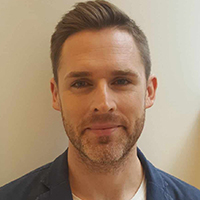
Biography
I'm your Regional Steward Liaison and serve on the Simon Fraser Executive. With 22 years as a Frontline Nurse spanning Acute, Community, LTC, and Psych-I understand our daily struggles with burnout and staffing. I currently work at RCH and Burnaby Home Health.
I'm running for Regional Council to bring practical leadership grounded in reality. My priorities:
Leadership: Promote leadership renewal and prevent the concentration of power
Engagement: Regular walkabouts to meet you where you work.
Transparency: Clearer communication on finances and decisions.
Accountability: Ensuring your voice is heard every day, not just at election time.
It's time for a responsive, visible leadership that works for you. Let's move forward with purpose.
Role based questions
- What do you see as the primary role of a regional council member in a member-driven union?
In a member-driven union, the primary role of a Regional Council Member is to act as a bridge between the realities frontline members face and the strategic directions of the BC Nurses' Union. To me, this position is not about holding a title but rather it's about stewardship, accountability, and most importantly shifting power back to the membership so they feel well represented.
I feel that leaders need to be regularly visible on the floor engaging and supporting our members. - What is the single most important value a regional council member must have, and why?
Unwavering integrity and accountability to me are the most important values of this role. To me it's vital that the Regional Council Member fosters a culture of trust where every member feels heard, respected, and empowered to participate in our union's future.
I am committed to being a leader whose actions always match their words, and who is accessible to the members when they need it. - How can technology be used to strengthen member engagement, democratic participation, and accountability in the union - and what safeguards are necessary to ensure equity, privacy, and trust?
In this modern age, where nurses face many stressors, commitments, and challenges in getting union leave approved by their employer, it's vital that BCNU offer hybrid meetings where possible to foster not only inclusion but also the flexibility many members require in order to engage and participate in our union.
We can also facilitate equity by offering, where possible low-tech options so that every member has the ability to participate and have their voice heard. - Describe your approach to listening to members who may feel unheard, marginalized, or frustrated with BCNU?
To reach members who feel unheard or frustrated within our union, I believe that the Council members need to go to the members, not the other way around. Regular walkabouts during evenings and weekends not only promote access to leadership, but also provides more opportunities for direct interaction. It's vital as leaders we talk less, and listen more as to what is making the members feel this way
By showing up where you work and acknowledging your reality we can turn frustration into action. - How do, or would, you approach conflict (i.e., between members within regional teams and/or Council, or between BCNU and the employer) while maintaining professionalism and fairness?
I like to approach conflict with an interest-based mediation perspective with active listening and de-escalation.
By focusing on shared goals rather than personal positions, ensures fairness, professionalism, and a real possibility of creating solutions that are practical, and that can even be mutually beneficial to the members, the employer and our union.
All parties should have a safe environment in which to express their concerns. - How do you balance representing the will of members with responses to uphold bylaws, policy, collective agreements, and human rights obligations?
Leadership means being a voice for the members while also acting as a steward of the union's integrity. I balance these responsibilities by using our collective agreement and bylaws as a roadmap, not a roadblock. When members face policy or human rights constraints, I am committed to providing transparent education to explain the 'why' behind the rules.
Trust is built when members know their leaders are straightforward, honest, and who follow the rules to keep our union strong. - What past experience best prepares you for this role as regional council member, and what lessons from that experience will guide your work?
With 22 years of nursing experience, my current role as a Regional Steward Liaison, site steward, and JOSH rep, I've seen the union from every angle. I was on the ground as an organizer, helping to bring the LPNs and RPNs into BCNU which taught me that nurses are strongest when we are united.
That experience guides me today, where I lead with the belief that every member deserves a seat at the table and a leader who listens with a genuine desire to help and support them. - How do you communicate complex or controversial decisions to members in a way that builds trust, even when members disagree?
Building trust through tough calls comes down to owning the why. I don't hide behind jargon or email blasts. I'll show up in person, lay out the facts transparently, and explain the long-term impact on our union. Members may not always agree with the outcome, but they will never have to guess how I got there.
Honesty, even when it is uncomfortable is the only way to lead and to be accountable. - How do you ensure your decisions are informed by evidence, member input, and long-term considerations, rather than urgency or pressure?
I rely on a pause and consult approach. I gather the facts, check the contract, and talk to members on the unit to see how a decision affect them in real life. I look past the immediate pressure to ensure a win today does not become a loss tomorrow.
Listening to members and understanding where they are coming from is far more important, so that informed decisions can be made that truly benefit our frontline members. - Describe a concrete example where you used technology to improve communication, decision-making, or organizing. What worked, what didn’t, and what would you do differently as a union leader?
Members are familiar with the use of digital surveys, but not all members are tech-savvy or regularly check their emails from BCNU, or they are just simply overwhelmed and burned out at work that they don't have the capacity or energy to participate.
This is why digital surveys are good but there must be a hybrid model where the union approaches the worksite with iPads, and even written surveys if some prefer that method so that no one is left out and everyone's voice is heard. - How do you guarantee culturally sensitive interactions with your members?
Practicing cultural sensitivity is always a good place to start when engaging with our members with humility and an open mind. This begins by listening instead of assuming. I'm committed to ongoing learning and ensuring our union space is safe for everyone to participate.
To me it is about meeting members where they are with a non-biased curiosity, and most importantly respecting their lived experiences with a commitment to ongoing learning. - How has your understanding of the principles of diversity and/or equity and/or inclusion evolved?
While serving as the current 2SLGBTQ and Men in Nursing Rep for the Simon Fraser Region, continual advocacy is a core belief for me. I've learned that true inclusion isn't just about presence, it is about ensuring every member feels safe enough to speak up and seen enough to lead.
I'm truly committed to continuing to uncover the unique systemic barriers different groups face so we can dismantle them together, ensuring that our union truly reflects and protects members from discrimination.
Technical Questions
- What is your experience with Microsoft Word, Excel, and Outlook and what is your ability and willingness to learn new computer platforms and applications (e.g. BoardEffects, Expensify, Formstack, Ceridian Dayforce, ZOOM, Box, etc.)?
I regularly use Word, Excel, Outlook, Box, Zoom, and Formstack, and I am always willing to learn new computer platforms and applications. - Where and how have you developed your historical and technical base of understanding in all areas of the union’s work including bargaining and BCNU policies and procedures?
My understanding comes from 22 years of nursing experience, and hands-on roles as a Steward, Regional Steward Liaison, and my two DEI positions. By organizing LPN/RPN transition and navigating BCNU's bylaws, policies, and bargaining cycles firsthand, I have build a solid technical foundation rooted in real-world application. - How would you describe your understanding of budgets and financial statements and the general structure and function of BCNU’s financial systems as well as the broad economic picture of BCNU?
In my current regional executive role, I have gained a solid grasp of BCNU's financial structure, from planning and reviewing regional budgets, to understanding our fiduciary duty to protect members' dues. I view our budget not just as numbers but as a strategic tool to ensure we have the resources to support the nurses in our region.
Roy Hansen - 959 votes
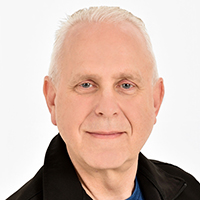
Biography
I seek your vote as our SF Regional Council Member. I will maintain my effective voice on Council by leading in positive directions while staying calm and effective in challenging situations. My positive attitude/respectful mature leadership skills remain a huge asset.
A lifelong Union activist, I led my RPN colleagues into BCNU in 2013. My multiple BCNU elected roles include:
• Regional Council Member
• Provincial Bargaining Committee [twice]
• RCH Full-Time Steward
• Simon Fraser PR Advocate
• Member Organizer [twice]
• RCH Steward
Council Committees/Working groups:
• Finance Committee
• FTS Council Liaison
• Nurses Support Fund/Hardship Assistance program
• Supplemental Mental Health Benefit fund
Thank you!
Email: rcmroy@shaw.ca
Role based questions
- What do you see as the primary role of a regional council member in a member-driven union?
My key role is to represent and advocate for members while effectively leading the operations of our Region. As a bridge between members and Council, I provide excellent representation. I ensure our members' voices are heard at Council to increase our member-driven focus. I strive to strengthen our membership as an inspirational leader, providing reliable education about the many complexities of our Collective Agreement. I also tenaciously represent members in disputes with the Employer. - What is the single most important value a regional council member must have, and why?
The most important BCNU value is Integrity because it is vitally important to cultivate trust within our membership. It ensures that I always work responsibly and ethically which is foundational to successful Union leadership. I strongly believe in and strive to demonstrate Integrity as my central values during all my Union activities, especially while representing members. Integrity also increases members' active involvement and improves BCNU's influence and effectiveness in many areas. - How can technology be used to strengthen member engagement, democratic participation, and accountability in the union - and what safeguards are necessary to ensure equity, privacy, and trust?
Technology strengthens BCNU by supporting real-time communications, automating many tasks and facilitating engagement via our apps/social media. IT encourages full engagement through Town Halls, virtual meetings, membership surveys and electronic voting. The Member Portal provides equal access to information for every member 24 hours a day. BCNU's systems have strong cybersecurity/data protection to secure our members' privacy. I am hopeful that BCNU can further modernize our technology soon. - Describe your approach to listening to members who may feel unheard, marginalized, or frustrated with BCNU?
Being very comfortable with conflict, I don't shy away from difficult conversations with frustrated members. I promote having direct one-to-one conversations to encourage them to openly share their concerns and most importantly, their potential solutions. I actively listen and respectfully respond but don't make promises that I can't keep. By regularly engaging with many members, I offer regular opportunities for open communications and have identified and advanced many new leaders this way. - How do, or would, you approach conflict (i.e., between members within regional teams and/or Council, or between BCNU and the employer) while maintaining professionalism and fairness?
It's essential to approach conflicts with an open mind and impartial analysis. I try to make sure that all parties feel heard and their views respected. I focus on respectful communications and empathetic responses to cultivate meaningful relationships. Rather than taking sides, I facilitate realistic resolutions that strive to meet the needs of all involved parties whenever possible. My many years of Union leadership provide me the needed background and experience to succeed with conflicts. - How do you balance representing the will of members with responses to uphold bylaws, policy, collective agreements, and human rights obligations?
I collaborate with members to foster open transparent communications. I regularly engage with members with updates about how our decision processes work to strengthen us via our Bylaws and Policies. I focus on member engagement but also support improving our Bylaws and Policies to effectively balance members' needs with sustaining Union integrity. Often, we must focus on our collective good instead of individual member concerns/desires, despite any tension this could create for any member. - What past experience best prepares you for this role as regional council member, and what lessons from that experience will guide your work?
My decades of Union activism and advocacy have given me extensive experience in effective Leadership. In BCNU, I have been a Steward, Full-time Steward, Member Organizer, Provincial Bargaining Committee rep [twice], and current RCM. On Council, I was on our Finance Committee, the Nurses Support Fund/Hardship Assistance Working Group and Council Liaison for FTS/SALs. I've learned to lead by example and never try to be perfect. My style is genuine, fair, friendly, positive and always professional. - How do you communicate complex or controversial decisions to members in a way that builds trust, even when members disagree?
I use a thoughtful and respectful approach. Many decisions have the potential to be misunderstood and/or disliked, so I share openly and as detailed as needed. I communicate complex information in ways that are easily understood by using clear language free from jargon. Through honest dialogue, I create opportunities to express their concerns and ideas and directly acknowledge their disagreements. I value member input and feedback, and I address all concerns directly and professionally. - How do you ensure your decisions are informed by evidence, member input, and long-term considerations, rather than urgency or pressure?
I enjoy and rely on the many engagement events (such as our numerous mini-Regional and Regional meetings) to seek consistent input from our members as strong evidence to base sound governance decisions upon. I welcome and encourage attendance from every worksite whenever possible and support open communications with regular updates. I stay calm and logical under pressure and lean into member feedback, plus also utilize the results from our Surveys and Town Halls for clear direction from members. - Describe a concrete example where you used technology to improve communication, decision-making, or organizing. What worked, what didn’t, and what would you do differently as a union leader?
At the start of my Full-time Steward job (2019), I reformed the way that members and Stewards connect/communicate by implementing the RCH Steward Team email system. Since then, RCH nurses now send thousands of emails yearly via this organized system. Also, I have started and regularly participate as a Leader within various WhatsApp groups in our Region - this gives rapid responses to Contract questions. Our members increasingly expect technologies to speed communication and information to them. - How do you guarantee culturally sensitive interactions with your members?
Guarantees are difficult, but I have actively educated myself about the many diverse backgrounds of our members and practice cultural sensitivity throughout my interactions. I have attended all the education/training sessions for Council and regularly utilize same as a Leader. I value the unique perspectives our members bring and promote an open atmosphere where members can comfortably share their thoughts/ideas without fear of judgement which leads to increased mutual understanding between us. - How has your understanding of the principles of diversity and/or equity and/or inclusion evolved?
Compared to the 1980s, my understanding of the necessity for DEI initiates has evolved and expanded significantly. I value how important it is to dismantle historic systemic barriers that have negatively impacted marginalized/racialized members and try hard to ensure there are equal opportunities to participate in our Union by all members. Supporting and advancing these initiatives also advances greater participation from the whole spectrum of our membership and not just the usual attendees.
Technical Questions
- What is your experience with Microsoft Word, Excel, and Outlook and what is your ability and willingness to learn new computer platforms and applications (e.g. BoardEffects, Expensify, Formstack, Ceridian Dayforce, ZOOM, Box, etc.)?
During my many years having BCNU Leadership roles, I have mastered and routinely used all these various computer programs in my everyday work. These include the listed Microsoft programs (plus PowerPoint), and applications such as Zoom, MS Teams, Box, BoardEffects, Dayforce, etc. I also use some aspects of social media and WhatsApp. I have strong computer skills and can quickly and easily expand my knowledge of same. Learning new programs to modernize our technology is something I enjoy. - Where and how have you developed your historical and technical base of understanding in all areas of the union’s work including bargaining and BCNU policies and procedures?
Since 2013, I have been Stewarding and attending every BCNU meeting/event and educational opportunity available to me. These include the full offering of Steward courses, consecutive Convention attendance since 2014, and multiple Regional/mini-Regional meetings. Also, I served on the SF Executive and then was RCH's Full-time Steward for 4 years. I am elected to our Prov. Bargaining Committee currently and for the last round. Since 2023, I am an active, vocal Leader on our current BCNU Council. - How would you describe your understanding of budgets and financial statements and the general structure and function of BCNU’s financial systems as well as the broad economic picture of BCNU?
As a fiduciary for our Region, I have thorough knowledge/experience with SF's budget (well over $1 Million annually) and deliver sound decision-making re same. Being elected to our Finance Committee has further expanded this. I've helped oversee and support our annual BCNU budget, our external audit, and took part in multiple decisions about our budget. Through these, I have gained extensive detailed knowledge of BCNU finances, investments and proper and prudent usage of our members' dues.
Nicholas Landstrom - Elected - 1,261 votes
He, him, his
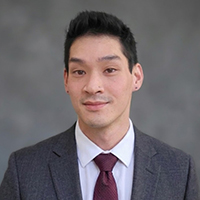
Biography
I am a Registered Nurse. I have a position at RCH and work as a Site Access Coordinator at Burnaby Hospital. I know our frontline reality. Since 2022, I have served as the Simon Fraser Regional Communications Secretary, gaining the experience necessary to lead our region effectively.
I am running for Regional Council Member to bring a modern energy and a fresh approach. My priorities:
Meaningful Change: Promoting inclusion and equity at all worksites.
Empowering Leaders: Providing our stewards and activists with the needed tools and mentorship.
Active Representation: Ensuring decisions are rooted in current challenges.
I am committed to representing our membership with transparency, integrity, and a focus on our future.
Role based questions
- What do you see as the primary role of a regional council member in a member-driven union?
I see the Regional Council Member as a vital link between members, stewards and provincial leadership. The role involves ensuring the region's voice is heard at Council while leading regional operations with integrity. The Regional Council Member should defend and represent the membership, empower stewards, protect and promote the Union assets and image, and ensure that the BCNU's mission, vision and values translate into meaningful action at every worksite. - What is the single most important value a regional council member must have, and why?
Integrity, broadly, is the most important value. Integrity ensures transparency, honesty and ethical leadership which is necessary to foster a healthy and productive relationship with our members and stewards. - How can technology be used to strengthen member engagement, democratic participation, and accountability in the union - and what safeguards are necessary to ensure equity, privacy, and trust?
Technology makes participation and engagement more accessible and efficient by diversifying communication channels. It respects members' time while reaching a broader audience, and serves to complement face-to-face connections. To ensure equity and privacy, we must continue to support traditional methods while maintaining rigorous and modern cybersecurity standards, practices and policies. - Describe your approach to listening to members who may feel unheard, marginalized, or frustrated with BCNU?
As a frontline nurse, I approach unheard, frustrated and marginalized members in the same way I approach my patients and their family members, with empathy, curiosity, and advocacy. I want to understand the underlying issues, honour their lived experiences, and collaboratively identify solutions to positively move forward.
Understanding the reasons can help promote a change in practice, and create a safer space for members to voice their concerns. - How do, or would, you approach conflict (i.e., between members within regional teams and/or Council, or between BCNU and the employer) while maintaining professionalism and fairness?
I approach conflict as an opportunity for growth and a platform for discussion. Conflict is not inherently negative; it can serve to bring about positive change. All parties should feel heard and have the opportunity to share perspectives. Clarity and common-ground can be achieved professionally. Guidelines and climate goals govern conduct, and escalation pathways exist if resolution cannot be established. - How do you balance representing the will of members with responses to uphold bylaws, policy, collective agreements, and human rights obligations?
Transparency in communication, and education, can effectively help members understand the framework we are working with, and where conflicts may exist. Citing the applicable documentation and providing additional resources can further clarify the situation and help craft a balanced response. - What past experience best prepares you for this role as regional council member, and what lessons from that experience will guide your work?
I currently serve as a Regional Communications Secretary and work as a Site Access Coordinator in acute care. I also have past work experience as a Financial Services Manager (Banker). I have strong proficiency in technology, communication, and relationship building. Lessons I have learned that will guide my work include:
Communication is an art form.
Leadership is a service.
Kindness is a strength and a strategic asset. - How do you communicate complex or controversial decisions to members in a way that builds trust, even when members disagree?
Even when members disagree, the decision-making process can be respected and trust can build through transparency and integrity. When possible, it is crucial to share the evidence, considerations, and goals that led to the complex decision. Additionally, it is necessary to hold space for questions, be present and accountable, and ensure accessibility for members. - How do you ensure your decisions are informed by evidence, member input, and long-term considerations, rather than urgency or pressure?
To ensure decisions are well informed, and not based on urgency or pressure, we must utilize BCNU's strategic planning tools and collaborate and consult with other parties such as: the regional executive committee, Finance, and staff experts.
Member input is also multi-sourced, often gathered through structured feedback, and reviewed as a group to further inform decisions. I want to ensure that today's decision doesn't become tomorrow's liability. - Describe a concrete example where you used technology to improve communication, decision-making, or organizing. What worked, what didn’t, and what would you do differently as a union leader?
As a current Regional Communications Secretary, I have helped to promote organization, planning, and communication of regional events with a shared Events Registry spreadsheet. This is prepared annually and regularly reviewed and edited. It rapidly shares information with the executive committee members, streamlines and illustrates discussions, helps identify outstanding tasks, general information, and conflicting events. I continue to solicit and incorporate feedback into the tool. - How do you guarantee culturally sensitive interactions with your members?
Practising cultural safety and humility requires me to acknowledge my own biases and knowledge gaps, and maintain an open minded approach when interacting with members. Our membership is a diverse community, and individual lived experiences must be acknowledged and respected. Inclusivity goes further than invitations, it extends into creating safe, brave spaces for our membership. This all starts with an open mind, active listening, and a commitment to learning. - How has your understanding of the principles of diversity and/or equity and/or inclusion evolved?
As a member who identifies with many of the BCNU HRE Caucuses, I view DEI as a fundamental pillar of union strength. Equity requires dismantling systemic barriers, not just offering inclusion, and ensuring that our activities protect those most vulnerable to discrimination. My evolution focuses on moving beyond raising passive awareness, to generating allyship and collaborative decision making.
Technical Questions
- What is your experience with Microsoft Word, Excel, and Outlook and what is your ability and willingness to learn new computer platforms and applications (e.g. BoardEffects, Expensify, Formstack, Ceridian Dayforce, ZOOM, Box, etc.)?
I bring expert-level skills in Microsoft 365 and have existing experience with digital collaboration tools like ZOOM and Box. I am a tech-savvy leader with a natural affinity for mastering new applications. I can quickly and easily adapt to any software platform required. - Where and how have you developed your historical and technical base of understanding in all areas of the union’s work including bargaining and BCNU policies and procedures?
I started as a BCNU Worksite Steward in July 2021, and have served as a Regional Communications Secretary since May 2022. My participation and activism have continued to expand over this period, and helped develop a historical and technical understanding. - How would you describe your understanding of budgets and financial statements and the general structure and function of BCNU’s financial systems as well as the broad economic picture of BCNU?
As a member of the Regional Executive Committee, budgets are part of our review process. I am familiar with the financial systems in place. Further, I have a BA in Economics and was a banker in my career prior to nursing.
Communications Secretary
Julie Mathieu – Acclaimed
She, her, hers
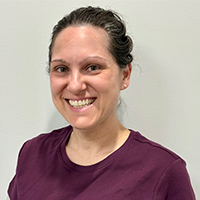
Biography
My name is Julie Mathieu, I have been an RN for 20 years now, primarily in HAU\CCU environment.
I learned English late in my life and I fully understand the frustration and the feeling of being scared to advocate for yourself when you don't master the language.
I became a steward to advocate and be the voice of some of my colleagues that were afraid or not confident enough to speak up.
I supported members through grievances, Respectful Workplace process and I have worked really hard to make sure the mNPR was correctly implemented on my unit.
One of my main objective as a steward and if elected for the position, is to facilitate the communication between the union and the members in a clear and concise way.
Thank you for your support!
Role based questions
- How would you ensure regional communications are timely, accurate, and accessible to members with diverse needs and communication preferences?
My goal would be to maintain high performance standards and try to return phone calls, emails, within 48 hours.
I would use clear and plain language to make sure the message is easily understood (specially because for a lot of nurses - me included - English is a second language) by all the members.
I will be using my skills of active listening during interactions with members to understand how to reach out in the most effective way. (Different generations, ease of use of technology). - What tools or platforms have you used for newsletters, social media, or websites, and how would you use them to strengthen member engagement?
I am very comfortable using technology in general.
I am familiar with Facebook, Instagram, What's App.
As a personal preference, I am not using social media.
I will quickly adapt to the platforms our region will be planning to use.
For my unit, I have a What's App group where I share important information, updates from BCNU.
I invite people to reach out to me directly if they have any questions about the Contract, ratios... instead of following some group(s) on Facebook. - How would you communicate difficult or controversial decisions while maintaining transparency and member trust?
I would do my best to explain the decisions in a clear, concise and factual manner.
I would acknowledge the impact on members by taking the time to listen to them and try to fully understand members concerns before responding.
I often feel that when we take time to listen, when people truly feel heard, it makes it easier to explain the reasoning behind a difficult decision.
Members might not agree with the reasoning but they will understand why and that will usually maintain the trust. - If misinformation begins circulating among members, how would you respond quickly and responsibly?
I will try to identify where the information originated from and see if it is unintentional or deliberate misinformation.
I will try to find out the impact (immediate or long term).
I would consult with the regional council members to ensure my response is in line with the BCNU official policy.
I would provide accurate, evidence-based details response in accessible language.
I would use my network to push out the correct narrative quickly. - How would you work with other regionally elected leaders, Council, and BCNU staff to ensure consistent messaging across the region?
I would actively participate in the planning and decision-making for our region.
I will work closely with BCNU staff (Communications department I am assuming) to utilize and share tools developed by the main office.
I will make sure the official information from the BCNU office reaches members in our region accurately and in a timely manner.
Finally, I will promote the use of the BCNU official platforms (BCNU App) to ensure members are getting a consistent message from BCNU. - How do union values such as integrity and solidarity inform how information is shared?
Integrity: members need to feel that we are transparent, that we are releasing as much information\details as possible, that we are not trying to hide or retain information.
Solidarity: members need to feel that we truly understand and advocate for what is important to them.
They need to feel that we take in consideration the issues the are encountering at work on daily basis. - Why do you want to serve in the role of Communications Secretary, and how will you ensure communications reflect member priorities and BCNU's Strategic Directions, rather than personal opinions?
I would like to serve as a Communications Secretary because I think I am good at explaining simply the Union's position about specific issues. (Appendix U.1)
I want members to understand why it is so important to stay informed and engaged with the Union.
I have done numerous walkabouts, organized members engagement session, with the goal of having members to feel comfortable to come and share with us their priorities and issues.
I always use BCNU official material to inform members. - How has your understanding of the principles of diversity and/or equity and/or inclusion evolved?
I feel that the main shift for me was about the equity concept.
We need to acknowledge that members are often experiencing the same issues but coming from different places (language barrier, physical issues...)
Equality would mean to give the same resources to everyone but equity means to give appropriate resources for everyone to succeed.
To be able to adapt to specific needs so everyone feels included. - How do you ensure your decisions are informed by evidence, member input, and long-term effects rather than urgency or pressure?
I would avoid reactive decision-making, I have learned with time that it is very important to gather ALL relevant information and to follow best practices in most situations before making a decision.
I will continue to engage with members through regular walkabouts, and other site specific activities to meet them where they work to understand their concerns (to make sure they feel heard).
Lobby Coordinator
Lorraine Black – Acclaimed
She, her, hers
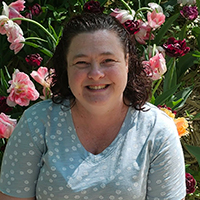
Biography
I've been working as a Registered Nurse for 25 years. I started my career in Royal Columbian Hospital, medical, and have moved to Ridge Meadows Hospital, as a float nurse, until present. I've been working as Steward for almost 2 years at RMH. I've also been working as the Regional Ratio Representative for the last 8 months or so. I want to be considered for Lobby Coordinator because I want to be involved in helping members feel more engaged. I love engaging with members and being a representative of their voices in order to make change.
Role based questions
- What is the role of a Lobby Coordinator, and how does it support members’ interests?
A Lobby Coordinator is there to ensure union members are actively involved and informed about activites taking place in there region.
As a Lobbyist I will be on the Executive Regional Council and work collaboratively with those team members. I will also be a memeber of the Provincial Lobby Corrdinators group and have regular communication with them as well. - How would you identify and prioritize political or legislative issues that matter most to members?
I'll identify and prioritize political and/or legislative issues that matter with memebers by actively talking to members and engaging them. I will actively attend the Regional meetings, inorder to help with engagement. I will be a memeber of the Provincial Lobby Coordinators group. - How would you communicate BCNU positions effectively to elected officials or decision-makers?
With clear and consistent, meaningful and timely communication. As well as seeking input and feedback from others. Also using active listening that ensures understanding of what others are saying and feeling. - How would you ensure your advocacy reflects BNCU's Strategic Directions rather than personal political views?
As a Lobbyist I'm representing BCNU and its membership. Not my own personal political views. - How would you work with members, regional elected leaders, coalitions, and community partners to advance BCNU goals?
I will work with members, regional elected leaders, coalitions and community partners by collaboratively planning with the Exectutive Council memebers and Provincial Lobby Coordinator Group to ensure community engagement. - How would you navigate political pressure while maintaining information and union integrity?
I will build connections and draw on my various skills and ablilities inorder to mantain different viewpoints, values and needs in a respectful manner. - Why do you want to serve in the role of Lobby Coordinator, and how will BCNU values guide your political advocacy?
I believe its important for members to have an active union representative to advocate for safe patient care and improvements in health care. - How has your understanding of the principles of diversity and/or equity and/or inclusion evolved?
With being an active member in the union and by attending regional meetings with education on Diversity and Equality and Inclusion, I have a stronger sense of understanding of the history and a global commitment to ensure inclusion. - How do you ensure your decisions are informed by evidence, member input, and long-term effects rather than urgency or pressure?
I will ensure informed decisions by engaging in open discussions and staying informed and updated and conducting research.
Mental Health Representative
Christine Schmitz - Elected - 1,404 votes
She, her, hers
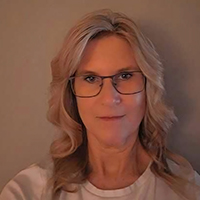
Biography
For more than 33 years, I have dedicated my nursing career to the field of Mental Health and Substance Use, where my practice has always been centered on compassion, clinical knowledge, and a deep commitment to the safety and well being of both patients and staff. I also have a broad clinical foundation through nursing experience in other care areas such as Cardiac Step Down, and High Acuity Care, giving me a comprehensive understanding of the pressures nurses face across diverse care environments. If elected, I will focus on advocating for psychological health and safety as a core priority affecting nurses, guiding members through workplace challenges ensuring nurses feel heard, supported and connected, by providing education and resources.
Role based questions
- What do you see as the key responsibilities of a Mental Health Representative within the union?
I feel like the responsibilities and goals of the role would to be to provide education and informed, compassionate support to members: My extensive Mental Health clinical background helps me to recognize the complexities of Mental Health injury & illness and it is essential that we ensure members feel heard, validated, and supported when managing workplace stressors, psychological injuries, or Mental Health related claims. This is vital to ensuring that nurse's get access to the help they need. - How would you balance support for members’ mental health and BCNU's Strategic Directions?
Supporting members' mental health and well being is integral to BCNU's commitment to safe, healthy workplaces, not just in a physical sense but a psychological one as well. Bridging frontline realities with the union's health and safety initiatives is vital and the Mental Health Rep should be maintaining consistent communication and collaboration with the Regional Executive Team, ensuring that Mental Health considerations are integrated into regional planning, reporting, and decision making. - How would you promote mental health awareness and reduce stigma among members?
Through respectful, supported dialogue, I want to help members better understand Mental Health injuries and to feel safe enough to ask for help. Members need to understand their rights recognizing the things that directly impact nurse's well being. I would work with stewards and JOHS committees to help support, as well as educate through campaigns, resources, and regional events. My goal would be to build a culture where Mental Health is openly discussed & respected. - How would you respond when members are in distress or facing systemic mental health challenges at work?
With over 33 years of Mental Health nursing experience, my background helps me recognize distress, assess urgency, and respond to crisis in a way that helps members feel supported and not judged. I would help guide members toward appropriate resources and supports while staying within my role. I would want to ensure they understand their rights and explain relevant policies, and supportive Collective Agreement language, WorkSafeBC, and respectful workplace processes. - How would you work with stewards, health and safety reps, regionally elected leaders, and BCNU staff mental health issues?
I would support stewards by helping them understand Mental Health related policies and WorkSafeBC processes acting as a support and resource person to them. I would work with the OH&S reps to identify workplace hazards ensuring that these issues are followed up and addressed through JOHS committees, WorkSafe complaints, and employer communication channels, all the while bringing issues forward to Regional Executive, LRO's and Health & Safety Officers when needed. - How do diversity, equity, and inclusion inform your approach to mental health advocacy?
Inequities, whether related to race, gender, culture, disability, sexual orientation, or socioeconomic status, can affect people experience's including how they are treated in the workplace, and how safe they feel seeking support. I have learned to listen, support, and avoid assumptions. Each member's experience needs to be understood in their own context because I would want members to feel safe, welcomed and respected so they feel they can speak openly. - Why do you want to serve in the role of Mental Health Rep, and how will you ensure members’ lived experiences shape your work?
I want to serve in this role because supporting nurses' psychological health & safety has been at the core of my entire nursing career. As an RPN/RN in Mental Health, with experiences in other areas of practice, I have spent decades walking alongside, and supporting, people during their most vulnerable moments. As a BCNU steward, I have seen the systemic impact nurses' well being as well. I am motivated by a belief that nurses deserve workplaces where they feel safe, respected, and supported. - How has your understanding of the principles of diversity and/or equity and/or inclusion evolved?
My understanding of diversity, equity, and inclusion has evolved significantly over the course of career in Mental Health nursing and my work as a BCNU steward. Initially I understood DEI primarily as a matter of fairness and respect, treating everyone with dignity and avoiding discrimination. Over time, through direct experience with patients, colleagues, and members, I've come to recognize that DEI is far more complex. - How do you ensure your decisions are informed by evidence, member input, and long-term effects rather than urgency or pressure?
My Mental Health background has taught me to evaluate information critically. Listening to members lived experiences is my first source of information, taking the time to understand what they are experiencing, what they need, and what outcomes they hope for is crucial. When members understand how and why decisions are made, trust and rapport can grow. I try to explain rationale, evidence, and options available so that members feel informed and respected.
Chinenye Ugwuoke - 947 votes
She, her, hers

Biography
Chinenye Ugwuoke (Chi) is a registered nurse and a dedicated BCNU steward with a strong passion for advocating for mental wellness and supporting individuals navigating mental health challenges. With a background in occupational health and safety, psychology, and training in mental health and substance use, Chi has cultivated extensive experience in community outreach, mental health education, and peer support programs. Her commitment to fostering inclusive, stigma-free environments drives her work, aiming to empower individuals through compassionate advocacy and resource accessibility.
Role based questions
- What do you see as the key responsibilities of a Mental Health Representative within the union?
As a regional Mental Health Representative, my key role is to promote mental health awareness among BCNU members through educational workshops and outreaches, actively working collaboratively with regional JOSH, WCB, and EDMP reps to improve policies and to promote psychologically Health and Safety in workplaces. - How would you balance support for members’ mental health and BCNU's Strategic Directions?
I would advocate for mental health to be included as a strategic measure in BCNU's policies and planning. This strategy will promote member trust, improve engagement and participation.
I will strive to lead by example by championing mental health initiatives, modelling healthy behaviours and supporting a culture where mental health is openly discussed and valued.
I will conduct regular surveys and seek for feedback from members to understand member needs and adapt strategies accordingly. - How would you promote mental health awareness and reduce stigma among members?
I aim to create supportive spaces where members can feel heard, valued, and encouraged to seek help without fear of judgment. I will build a trusting and inclusive environment, so that all nurses from diverse ethic groups and across generations can feel free to share about their mental health challenges and participate in solutions without fear of victimization. - How would you respond when members are in distress or facing systemic mental health challenges at work?
When a member is facing mental health issues at work, I would respond with empathy, support, active listening and a non-judgmental approach. I would create a safe, confidential space for the member to express their concerns without fear of judgment. After understanding their specific challenges. Next, I would provide credible information on their rights in the workplace, mediate conversations, and or provide them with necessary support to work with site Istewards and the employer. - How would you work with stewards, health and safety reps, regionally elected leaders, and BCNU staff mental health issues?
I would work with stewards, OHS reps and regional members to develop and improve policies that foster a culture of mental health awareness within our workplaces and in our region as a whole. - How do diversity, equity, and inclusion inform your approach to mental health advocacy?
As a person of colour, I am informed about the challenges experienced by nurses from diverse populations. I would be actively involved in BCNU DEI initiatives to address mental health stigma, such as mental health awareness training, promoting inclusive workplace policies, and creating peer support networks. My objective is not only to support the individual but to foster a culture of understanding and acceptance within the workplace. - Why do you want to serve in the role of Mental Health Rep, and how will you ensure members’ lived experiences shape your work?
I want to drive positive change that enhances mental health resources and support systems. My goal is to advocate tirelessly for mental health equity, ensuring that every person has access to the care and support they need to thrive at work places. - How has your understanding of the principles of diversity and/or equity and/or inclusion evolved?
My passion to advocate mental health awareness and destigmatize mental health issues within our community originates from my lived experiences as an internationally educated nurse who suffered mental health injuries due to poor support at the workplace and systemic racism. It stems from my commitment to foster an inclusive, stigma-free environments drives, aiming to empower members through compassionate advocacy and resource accessibility. - How do you ensure your decisions are informed by evidence, member input, and long-term effects rather than urgency or pressure?
I will conduct regular surveys and feedback sessions to understand member needs and adapt strategies accordingly. Mental health metrics can be included alongside performance indicators to ensure evidence-based data.
Occupational Health and Safety Representative
Gina Masoud – Acclaimed
She, her, hers
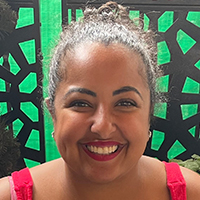
Biography
I am currently working alongside my RCH JOHS team to create a protocol that activates automatically after any traumatic experience, whether physical or psychological. Like a falls protocol, but for nurses.
I am an active JOHS rep and BCNU steward advocating for nurses' safety.
I bring integrity, I value diversity, I am approachable and open-minded.
I listen, act on concerns, and I am committed to practical solutions that protect and support our nurses.
I would be an honour to support the safety our our nursing community.
Role based questions
- What experience do you have with workplace health and safety, and how would you advocate effectively for safer workplaces?
As a BCNU JOHS rep at RCH, advocating for nurses' physical and psychological safety is my #1 priority.
I actively listen to nurses' safety concerns, track issues, and advocate for change with the employers. - How do you stay informed about occupational health and safety legislation and best practices?
I stay informed through monthly JOHS meetings, collaborating with team members, reviewing WorkSafeBC updates, and participating in ongoing BCNU training to stay current on legislation and best practices. - How would you identify and prioritize health and safety risks affecting members in diverse workplaces?
I identify risks by actively listening to nurses, reviewing JOHS minutes and incident trends.
I prioritize by severity, frequency, and impact, focusing on high-risk and recurring issues first. - How would you handle disagreements with employers on safety issues?
I address disagreements by staying evidence-based, referencing legislation and facts, and communicating clearly.
I aim for resolution through shared priorities.
I am unafraid to escalate concerns to ensure nurse safety. - How would you explain safety rights or hazards to members and stewards in a clear and practical way?
I explain safety rights using simple language and real examples.
I break down policies into practical steps, encourage questions, and ensure members feel confident to identify hazards and speak up. - How would you work with stewards, regionally elected leaders, Council, and BCNU staff to advance BCNU's Strategic Directions?
I build strong relationships, communicate openly, and align work with BCNU priorities.
I collaborate with stewards, leaders, and staff to share insights, coordinate actions and drive consistent, nurse-focused outcomes. - Why do you want to serve in the role of Occupational Health and Safety Rep, and how will you ensure members’ safety concerns drive your work?
Over 78% of nurses experience workplace violence.
That's unacceptable!
I want to advocate to protect our nurses.
I'll stay grounded in member nurses' concerns, listen actively, and ensure their voices are heard and acted on. - How has your understanding of the principles of diversity and/or equity and/or inclusion evolved?
As a woman of colour, my understanding of equity comes from lived experience and listening to others.
I recognize barriers and work to ensure all voices are heard, respected and reflected in safety decisions. - How do you ensure your decisions are informed by evidence, member input, and long-term effects rather than urgency or pressure?
I gather member input, review data and legislation, and look for trends before acting.
I stay grounded in facts, not pressure, and consider long-term impacts to guide thoughtful, and informed decisions.
Professional Responsibility Advocate
Mandeep Bains - 632 votes
Biography
In 2011, I graduated from Langara College and started my nursing career with Fraser Health. From 2011-2024, I worked on Neurosurgery and gained leadership experience through providing Patient Care Coordinator coverage. In 2024, I made the decision to progress my career and move to different areas in nursing. After spending some time in Perinatal-Postpartum Care, I moved into Home Health before pursuing a leadership role as Patient Care Coordinator in 2025. As part of my personal & professional growth plan, I made the decision to submit my EOI for the PRA role in 2025 and was successfully appointed. My objective for a role as PRA would be to continue member engagement, education and advocacy through presentations at meetings and worksites.
Role based questions
- What does professional standards mean in a union context, and why is it important for members and the public?
In a unionized profession, professional standards provide guidelines that ensure that the work being performed is within the scope of practice, ensures knowledge based care is provided and maintains ethical standards when providing patient/client centered care. It provides members with clear guidelines to maintain their skills, uplift the profession, provides autonomy and following the standards ensures that the public is receiving safe, ethical and knowledge based care. - How would you balance accountability, fairness, and compassion when professional concerns arise?
In order to effectively balance accountability, fairness and compassion during professional concerns, it is imperative to maintain a person centered approach. When addressing concerns, it is key to follow clear guidelines/processes that are in place. It is important to understand that the focus should not be solely on the fault but address the root cause through a level of understanding that is consistent while ensuring consequences are restorative, non-judgmental and focuses on growth. - Describe how you would approach sensitive or contentious professional standards issues.
To best approach sensitive or contentious professional standards, it is important to maintain an objective perspective through following existing policies and standards. The approach must be evidence based, focused on facts and done through a respectful dialogue while working towards a resolution. - How would you explain complex or emotionally charged standards issues to members?
To best explain complex or emotionally charged standards issues to members is always to maintain a person centered approach. It is key to have an approach that shows understanding, simplifying the information and maintaining an objective perspective. It is important to create an environment that members feel safe to engage in dialogue. - How would you work with regionally elected leaders and BCNU staff in managing sensitive professional issues at diverse worksites?
When managing sensitive professional issues at diverse work sites, it is important to work together with the BCNU PPO and other elected regional leaders. This allows for a collaborative process and helps create an environment where each persons expertise can be used to best address the situation. - How would you ensure members understand professional standards in comparison to collective agreement language?
In my role as PRA, it is important to encourage members to familiarize themselves with the BCCNM professional standards. I would educate members on the importance of what it means to follow the standards as outlined by BCCNM to ensure safe, ethical patient/client care is provided while the collective agreement holds the employer accountable to create a safe working environment so that members can continue to practice while maintaining their professional standards. - Why do you want to serve in the role of Professional Practice Advocate, and how will BCNU values guide your decisions?
I would like to serve our members in this role by being a resource and guide as members navigate the PR process. Starting the PR process can be daunting for members and I believe in my role as PRA I will be a supportive asset for members so they feel empowered to initiate and proceed with the PR process. BCNU values will directly influence by decisions as a representative of BCNU and a resource for the members, my role is represent the membership while maintaining BCNUs core values. - How has your understanding of the principles of diversity and/or equity and/or inclusion evolved?
Over the years, I have felt the important changes diversity, equity and inclusion have brought on not only with the union but at my worksite. Over the years, through DEI education, I have been able to get a better understanding what DEI really means and how DEI can truly be achieved in work environment both within BCNU and in a hospital setting. - How do you ensure your decisions are informed by evidence, member input, and long-term effects rather than urgency or pressure?
Before reacting to a situation solely based on urgency or pressure, I always question why is there an urgency or pressure. What factors are causing it and is this matter truly considered urgent. It is important for me that before taking any steps, I engage with all parties involved, gather my data, maintain an objective perspective focused on gathering facts, consider the impact of the situation and consider existing policies and guidelines/standards before working towards an resolution.
Jennifer Fonseca - Elected - 1,636 votes
She, her, hers
Biography
With 12 years of nursing as an RN in acute and community care, and currently in Burnaby Hospital emergency department, I know the weight of a heavy shift. Im running for PR because you deserve an advocate who speaks frontline and not just policy. Ive lived the reality of the bedside and am ready to ensure our professional standards protect us, not just the employer.
My Objectives
Empowerment -provide education to members so they understand the process to protect their license
Real talk -No Jargon just clear advice
Accountability -Holding the employer to our standards
Peer support -An accessible frontline ally who actually gets it
Burnout defense -Fighting for the resourses you need to practice safelt
Role based questions
- What does professional standards mean in a union context, and why is it important for members and the public?
Professional standards are the frontline defense for both the public and our members to ensure our commitment to safety, and quality care.
When we fight for these standards, we are holding the employer accountable for providing the resources and staffing necessary to meet our legal obligations.
For members this helps to protect them, their licenses, and prevent burnout.
Advocacy is safety and as an Emergency Nurse at Burnaby Hospital I've seen and lived through many difficult situations.
- How would you balance accountability, fairness, and compassion when professional concerns arise?
Balancing these values requires a broad perspective.
Accountability is ensured by upholding nursing standards, but fairness requires investigations into whether the employer's understaffing or a lack of resources caused the issue.
Compassion drives our support, treating members as peers in a high-stress field.
By focusing on 'Just Culture' we fix broken processes rather than blaming individuals. - Describe how you would approach sensitive or contentious professional standards issues.
I would take a supportive peer approach. I focus on keeping things calm and confidential, ensuring no one feels isolated. I start with the facts: was this a system failure or a resource gap?
By using objective data, I move the conversation away from individual blame and toward fixing the root cause. I'm here to be a steady advocate who listens first and fights for fair solutions that protect your license and our patients. - How would you explain complex or emotionally charged standards issues to members?
Talking to members in a clear straightforward manner is essential, and this can be done without stripping away the gravity of the situation. Acknowledging the stress first, then validating a member's frustration before breaking the issue into actionable steps, creates trust.
Informing members of their standards actually protects their livelihood. I like to turn a complex issue into a shared plan.
I'm not just a voice for the rules but a partner in navigating them with empathy and candor. - How would you work with regionally elected leaders and BCNU staff in managing sensitive professional issues at diverse worksites?
I would act as the conduit between the leaders and staff of the BCNU and the frontline member. I have a no surprises policy, ensuring that leaders and staff are briefed early with objective data.
My goal is to tackle issues collaboratively so as to present a united front in solving problems, while providing member-to-member connections that build member trust. - How would you ensure members understand professional standards in comparison to collective agreement language?
I keep it simple, I explain the Collective Agreement is about your rights as a worker, while Professional Standards are about your responsibility to your license and the public.
Or, put another way, the contract protects you, but the standards protect your career.
I like to ensure that members know exactly which tools to pull from their kit when things get messy. - Why do you want to serve in the role of Professional Practice Advocate, and how will BCNU values guide your decisions?
I'm stepping up because I'm passionate about making sure no nurse feels like they're out on a limb alone.
I want to turn our standards from a source of anxiety into a source of strength.
BCNU values like solidarity and integrity are my moral compass. I'll make decisions by always asking myself first, 'Does this empower the member and keep our patients safe?'
I'm here to be a steady, honest advocate who's got your back, plain and simple. - How has your understanding of the principles of diversity and/or equity and/or inclusion evolved?
I always approach diversity, equity and inclusion with curiosity rather than preconceived notions or stereotypes.
I believe it's our responsibility to listen, learn, and ask members what they need from us, rather than us telling them what they need. It's hard to know someone's lived experiences without walking in their shoes.
I've learned that listening is one of the most powerful tools I have in my box, and it's vital to use to ensure all members regardless of their background feel welcome. - How do you ensure your decisions are informed by evidence, member input, and long-term effects rather than urgency or pressure?
I always hit the pause button when things get heated. I make a point of checking the evidence and data, then I hit the units to get the real-deal member input because they are the ones living it.
I always ask 'Will this fix the root cause or just patch it up for today?'
I believe by keeping long-term safety and contract goals in sight, I make sure we aren't just reacting, but actually leading with a plan that sticks.
Steward Liaison
Wendy Gibbs – Acclaimed
She, her, hers
Biography
I'm running for Steward Liaison because I believe in strong, transparent communication between our members and the BCNU. As a nurse, I understand the daily realities we face-staffing challenges, workload pressures, and the need for fair representation. I want every member to feel heard and supported, whether it's during a grievance, a contract question, or a tough shift. In this role, I'll prioritize clear communication, collaboration, and advocacy. I'll ensure stewards have the tools, information, and confidence they need to stand up for our rights and uphold the contract we've worked so hard for.
Together, we can build a stronger, more connected membership-one that supports each other and speaks with a united voice.
Role based questions
- What do you see as the primary responsibilities of a Steward Liaison, and why are stewards critical to a strong union?
A Steward Liaison supports and coordinates stewards, ensuring every worksite has active, informed representation. They connect stewards, FTS, SAL, and regional leadership so challenges and successes are communicated and used to learn from. Stewards are essential because they are the union's eyes, ears, and voice in the workplace, building member power and enforcing the contract. - How would you support stewards with varying levels of experience and confidence?
Stewards need support that matches their experience. I will provide newer stewards with mentorship, clear guidance, and opportunities to practice their skills. For experienced stewards, I will focus on keeping them engaged through advanced learning and leadership opportunities. Team learning builds shared confidence, and our FTS/SAL partners strengthen mentorship for stewards at every level. - How would you ensure information flows effectively between stewards, members, and regional elected leadership?
I will use a clear regional plan, consistent meeting dates, and simple communication channels to keep everyone aligned. Updates will be shared through email, short written summaries, and steward meetings. Two‑way feedback will be encouraged so concerns move from members to stewards to leadership and back again. Everyone is responsible for staying informed, raising issues early, and closing the loop on decisions. - Describe how you would assist stewards when workplace issues escalate or become complex.
I will support stewards through two way communication, asking clarifying questions, and reviewing the contract together. Identify supports from the Regional Executive, BCNU Labour Relations Officer, staff, and OHS as needed. Confirm whether an FTS is involved and coordinate with them. Provide ongoing guidance as the issue develops. - How would you collaborate with regional elected leaders, Council, and BCNU staff to strengthen steward effectiveness in furtherance of the BCNU's Strategic Directions?
I will collaborate by aligning with the regional strategic plan and working closely with the Regional Executive, Council, Labour Relations Officers, and BCNU office support. I will ensure stewards access education and training, and I will coordinate supports across teams to strengthen steward skills and advance BCNU's Strategic Directions. - How do solidarity and equity guide your approach to supporting stewards and members?
Solidarity and equity guide my approach by ensuring every member is supported fairly and collectively. They are core principles in our Collective Agreements and reinforce that workers share common goals-improved wages, safer conditions, and respect. I support stewards by promoting unity, fairness, and equal access to resources for all members. - Why do you want to serve in the role of Regional Steward Liaison, and how will you remain accountable to stewards and the broader membership?
I want to serve as Regional Steward Liaison because I've been a steward for over 20 years and am committed to supporting members in accessing their collective agreement rights. I will stay accountable by being accessible, transparent, informed, open to ideas, and by actively listening to stewards and the broader membership. - How has your understanding of the principles of diversity and/or equity and/or inclusion evolved?
My understanding of diversity, equity, and inclusion has grown throughout my nursing career. Ongoing education and exposure to new people, cultures, and ideas have expanded how I think. I've learned that DEI principles evolve over time, and I continue to adapt my approach to ensure all members feel respected, represented, and supported. - How do you ensure your decisions are informed by evidence, member input, and long-term effects rather than urgency or pressure?
I ensure decisions are grounded in evidence by reviewing the Collective Agreement, gathering facts, and listening to member input. I avoid reacting to urgency or pressure, as that can lead to mistakes. Taking time to verify information and consider long term impacts helps ensure fair, consistent, and well supported decisions.
Treasurer
Frank Martens - Elected - 1,794 votes
He, him, his
Biography
I have been a registered nurse for 12 years at RCH. I have been a BCNU steward and activist for 8 years. I was previously the Steward Liaison and have been the Regional Treasurer for the Simon Fraser Region since November of 2024. Since July of 2025, I have also served as interim Regional Council Member for our Region. I was elected by BCNU Council to serve on the Provincial Finance Committee.
My main objective is the continue to responsibly monitor how BCNU member dues are spent. Members dues are hard earned and they deserve responsible stewardship of those dues. This objective requires diligent budgeting, transparent reporting out of financials.
Role based questions
- What experience do you have with budgeting, financial oversight, or reporting, and how will you ensure members’ dues are managed responsibly and transparently?
As Treasurer for my region, I have developed and presented budgets for approval. I have also uncovered, investigated and reported up where concerns of potential financial impropriety presented. I was elected to the provincial Finance Committee by Council. I am proficient in BCNU's finance policies and provide education to members on these policies. Using consistent monitoring and oversight as well as reporting out on our regional expenses, I will ensure members' dues are managed appropriately. - What financial tools or systems have you used, and how would you use technology to improve accuracy, reporting, or accessibility of regional financial information?
I have used NetSuite, Boomi and Excel as financial tools/systems. I hope to continue to develop my understanding of other financial tools to better report on regional financial information. Currently, I am able to access all of the relevant regional financial information through NetSuite and I report this out at regional meetings and executive meetings and as needed. - How would you explain a difficult or controversial financial decision to members in a clear, accessible, and respectful way?
I enjoy providing members with clarity when difficult or controversial financial decisions are made and members wish to question those decisions. Transparency is essential. Providing a clear background, referencing policies, the history and why this decision was made are all part of that. Honesty in acknowledging the controversy and any potential problems or risks with a decision is also necessary. It is important to take the time to listen and acknowledge their concerns. - Describe a time you had to question a financial decision or raise concerns about governance or spending. What guided your approach?
I uncovered significant issues with the logs of a BCNU activist. I reached out to the member to clarify and seek out an explanation for the concern. When the response only led to resistance, I took my discoveries and I escalated the concern to my RCMs who further investigated. I continued to collaborate with my RCMs and other relevant parties higher up to ensure a full investigation was conducted. My approach was guided by integrity and ensuring member dues were used responsibly. - When there are disagreements about spending priorities, how would you manage conflict while upholding union values and maintaining trust?
BCNU has important values to guide the work that we do. I would use these values to guide how I would manage the conflict. Seeking out understanding and where there might be common ground. I would also look if there were options to collectively achieve the worthy goals of all involved parties so that we can act in solidarity to collectively achieve the best outcomes for all members. At the core would be ensuring that BCNU's values of democracy and integrity were upheld. - How do you see the Treasurer working with other regionally elected leaders, Council and BCNU staff to support effective regional governance?
The Treasurer needs to be able to competently and accurately budget, monitor and report out on the financials of the Region. Respect and professionalism are central to creating a positive, productive and effective regional governance. Ultimately being able to work effectively with other regionally elected leaders, council and staff requires strong communication skills and integrity. It also requires an open mind and an ability to work collaboratively. - Why do you want to serve in the role of Regional Treasurer, and how will you ensure your decisions consistently reflect the needs, equity considerations, and voices of members all while supporting BCNU's Strategic Directions?
I would like to continue the work I have already started on as a Treasurer. I believe that members dues are hard earned and they deserve to be responsibly and effectively managed and spent. Ensuring the needs, equity considerations and voices of all members are reflected requires continual member engagement and transparency. Respecting and working to gain an understanding of the diverse working conditions and challenges that members face is something I would always hold in high regard. - How has your understanding of the principles of diversity and/or equity and/or inclusion evolved?
I have had a long-standing position that a respectful environment where varied identities are welcomed and valued is essential. Nursing is a diverse profession, where we need to ensure that equity is practiced to ensure that we are adjusting for systemic imbalances. I also feel that we need to ensure that everyone feels valued and fully engaged. Serving on the Provincial HRE Committee has provided an ever broadening lens on DEI. - How do you ensure your decisions are informed by evidence, member input, and long-term effects rather than urgency or pressure?
I have been an RN for 12 years and I have been a steward for almost 8 years. I have been on a regional executive for almost 3 years and I have also spent the last 9+ months as a Regional Council Member. As a nurse, I understand evidence-based practice. As a steward, and regional executive member, I value member input. As an interim RCM, I have a great appreciation for the long term effects that decisions may have on members and the organization. I do not crumble under pressure or urgency.
Vardharaj Vallab - 505 votes
He, him, his
Biography
I am a Registered Psychiatric Nurse with extensive experience at various settings such as Forensic Hospital, community, corrections and inpatient psychiatry. I have advocated for safe patient care, work place fairness and strong steward representative. I always strived to improve working conditions and promote long term sustainability of members. If i given an opportunity as a treasurer my goal is to ensure BCNU's financial resources are managed with transparency, responsibility and accountability. My priorities would be responsible budgeting, member-centered decision making, financial transparency and strengthening internal controls.
Role based questions
- What experience do you have with budgeting, financial oversight, or reporting, and how will you ensure members’ dues are managed responsibly and transparently?
I bring practical experience in budgeting, expense review, and financial accountability, including managing budgets for a small firm, tracking expenditures, and reviewing reimbursement claims to ensure spending is appropriate and within budget. I take responsibility for members' dues seriously and handle funds with care, integrity, and attention to detail. I am organized and comfortable using financial systems to monitor spending and produce clear, accurate reports. - What financial tools or systems have you used, and how would you use technology to improve accuracy, reporting, or accessibility of regional financial information?
I'm confident using Microsoft applications like Excel, Word, and Outlook, and I regularly rely on Excel for tracking budgets, organizing data, and doing calculations. I'm comfortable building and maintaining spreadsheets that are clear, accurate, and easy to follow.
I also bring a willingness and ability to learn new systems quickly. Whether it's platforms like NetSuite, Formstack, Zoom, or Box, I'm adaptable and proactive when it comes to learning new technology and making the most of it. - How would you explain a difficult or controversial financial decision to members in a clear, accessible, and respectful way?
When a financial decision is difficult or controversial, the goal is not just to explain, it's to build understanding, maintain trust, and keep members engaged in the process.
I would communicate the decision in a clear, straightforward way, avoiding jargon and focusing on what members need to know: what was decided, why it was necessary, and how it aligns with BCNU policies, the approved budget, and our collective responsibilities. Members don't need complexity, they need clarity and honesty. - Describe a time you had to question a financial decision or raise concerns about governance or spending. What guided your approach?
My goal was not to block or criticize any one, but to ensure transparency, consistency, and accountability in how funds are being used. I also made a point of acknowledging the perspective of those involved in the decision, recognizing that there are often operational pressures, timelines, and competing priorities that influence financial choices.What guided my approach was a strong commitment to BCNU bylaws, financial accountability, and respectful labour relations practice. - When there are disagreements about spending priorities, how would you manage conflict while upholding union values and maintaining trust?
When disagreements arise about spending priorities, I see that as a normal and even healthy part of union governance because it reflects members caring about how their dues are used. My first step would be to listen carefully to understand the different perspectives at the table. I would make sure people feel heard and respected, even when we don't immediately agree. That alone can reduce tension and shift the conversation from positions to problem-solving. - How do you see the Treasurer working with other regionally elected leaders, Council and BCNU staff to support effective regional governance?
I see the Treasurer's role as fundamentally collaborative strong financial stewardship doesn't happen in isolation, it happens through trust, relationships, and consistent communication with all parts of the organization. That means working closely with other elected leaders to ensure financial decisions reflect the region's priorities, are clearly understood, and are aligned with BCNU policies and bylaws. When Council members are equipped with clear information, they do their job effectively. - Why do you want to serve in the role of Regional Treasurer, and how will you ensure your decisions consistently reflect the needs, equity considerations, and voices of members all while supporting BCNU's Strategic Directions?
I want to serve in the role of Regional Treasurer because I see it as a position of trust, accountability, and service to members. For me, it is not just about managing numbers, it is about ensuring that members' dues are stewarded responsibly, transparently, and in a way that reflects their priorities and lived realities at the worksite. To ensure my decisions consistently reflect member needs, equity and BCNU's Strategic Directions, I would start decisions by active listening and engagement. - How has your understanding of the principles of diversity and/or equity and/or inclusion evolved?
What has shaped my thinking most is listening to others particularly when perspectives differ from my own. I've learned that inclusion is not just about inviting input, but about creating space where people feel safe, respected, and genuinely heard. That requires being open-minded, slowing down assumptions, and being willing to adjust my perspective when new information or lived experience challenges it. My approach continues to evolve toward being more reflective, more open to feedback. - How do you ensure your decisions are informed by evidence, member input, and long-term effects rather than urgency or pressure?
I ensure my decisions are grounded in evidence, member input, and long-term impact by being intentional about slowing the process down enough to make informed, accountable choices even when there is urgency or external pressure. First, I focus on gathering and reviewing the relevant evidence before forming conclusions. Second, I prioritize timely and meaningful member input. That means not only listening to feedback when it is formally presented, but also creating space for ongoing dialogue.
BCNU Election Candidate Attestations
All regional candidates have affirmed yes to attestations (1-9) below:
- I am a member in good standing of BCNU, with no outstanding disciplinary proceedings, and meet all BCNU Constitutional and Bylaw eligibility criteria for the position I am seeking.
- I commit to upholding BCNU’s Constitution and Bylaws and the Policies and Procedures, and will engage in ethical, respectful, and inclusive conduct during the election and throughout any term in office.
- I have reviewed and understand the fiduciary duties and responsibilities as described in Policy 2.0.1 and in the job description, including the duties of care, loyalty, compliance, confidentiality, and accountability to BCNU’s vision, mission, values, and members.
- I affirm that I will protect and safeguard any member information, BCNU internal documents, or confidential records that may be made available to me during the course of this election or while in office.
- I will disclose any real, perceived, or potential conflicts of interest prior to or during my candidacy and, if elected, will comply with all conflict-of-interest policies and governance requirements.
- I have reviewed and understand the election code of conduct as stipulated in Policy 2.0.7, including the guiding principles for BCNU elections, candidate and BCNU member roles and responsibilities, and the rules pertaining to campaign materials.
- I will not engage in any campaigning, communications, or actions that may be reasonably understood to involve misinformation, personal attacks, or harassment, and I understand that such behaviour may result in immediate removal from the election process.
- I hold current registration in good standing with the British Columbia College of Nurses and Midwives (BCCNM) and confirm there are no current findings of professional misconduct, suspension, or conditions on my nursing license.
- I understand that all attestation statements are subject to verification by the BCNU Nominations Committee, and false declarations may result in immediate disqualification from candidacy or immediate removal from elected office.