

 South Fraser Valley
South Fraser Valley Regional Executive Election Results
Regional Council Member
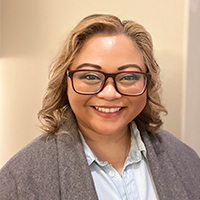
Glesy Banton Victoria - Elected - 1,633 votes
She, her, hers
Biography
Glesy Banton-Victoria is a Filipino-Canadian Paediatric Emergency nurse with 24 yrs of frontline experience, proudly married to Filipino ICU nurse. I began my career at St. Paul's Hospital 2002-07 and have since served at Surrey Memorial Hospital ER, including 13 years as a Patient Care Coordinator. For nearly 24 yrs, I have been a strong advocate for safe staffing, quality care and frontline support.
Over the past 3 yrs, I have served as Regional Council Member for the South Fraser Valley, recognized as an approachable, responsive, and action-oriented DEI advocate.
My priorities are clear: fight for safe staffing, strengthen member engagement, support stewards, and provide transparent, accountable leadership that delivers results.
Role based questions
- What do you see as the primary role of a regional council member in a member-driven union?
To activate, represent and organize members so that the union truly reflects and acts on the members' collective voice. This collective voice is collective power that works in practical movement-building sense that we as nurses have at the workplace, bargaining table and into advocacy on public healthcare, staffing ratios and public safety. We speak not just as an organization but we speak as a collective voice of frontline healthcare workers. - What is the single most important value a regional council member must have, and why?
Accountability to members. Our union only works if members actually see themselves in the union. We are the union. Accountability ensures that every decision, vote and action taken is grounded in what the members need- not what is easiest, most popular or politically convenient. When a regional council member is truly accountable, members' voice shape decisions. Trust is built, engagement increases, and the accountability gives the courage to push back because the responsibility is clear. - How can technology be used to strengthen member engagement, democratic participation, and accountability in the union - and what safeguards are necessary to ensure equity, privacy, and trust?
Technology lowers barriers when time, geography, and fear limit participation. Mobile-first tools like the BCNU app meet members on shift or between breaks, while hybrid town halls widen access. As Tech Committee Co-Chair for two years, I've supported these efforts. With secure, encrypted platforms, we can protect privacy while empowering members to move from passive recipients to active participants. - Describe your approach to listening to members who may feel unheard, marginalized, or frustrated with BCNU?
I go to the members-through worksite visits across shifts and informal spaces. I intentionally reach out to those often left out, including IENs, new grads, and casuals. I create inclusive spaces like HRE dinners with caucuses and network groups, and unit/site-specific dinners with supports such as OH&S officers, LTD staff, and EDMP members. I listen deeply, validate concerns, and act on what I can. - How do, or would, you approach conflict (i.e., between members within regional teams and/or Council, or between BCNU and the employer) while maintaining professionalism and fairness?
I actively listen to all sides, ensuring everyone feels heard, and then facilitate a solution-focused discussion. For example, if there is disagreement on the executive team about an approach, I encourage each member to present their rationale and together we look at how it impacts the membership as a whole along with the organization's values then together we work towards a consensus or compromise that serves our members the best. I also ensure that disagreements remain respectful. - How do you balance representing the will of members with responses to uphold bylaws, policy, collective agreements, and human rights obligations?
I believe clarity about our role is essential: we represent member voices and also steward the union's integrity. Every decision must follow our legal and ethical obligations-collective agreement, bylaws, and the BC Human Rights Code. I lead by listening deeply and intentionally to all, including those hesitant or marginalized, creating space for honest dialogue and diverse perspectives. Leadership must uphold fairness, inclusion, and human rights so every member feels safe and respected. - What past experience best prepares you for this role as regional council member, and what lessons from that experience will guide your work?
My experience as a Regional Council member since 2023 and 24 years as an Emergency nurse has prepared me to balance member advocacy with governance responsibilities. Since 2023, I've also learned key organizational processes that were once unfamiliar to me. I've learned to listen deeply, communicate transparently, and navigate bylaws, collective agreements, and BCNU's mission and values. I will lead with integrity, centre equity, and ensure member voices translate into fair, accountable action. - How do you communicate complex or controversial decisions to members in a way that builds trust, even when members disagree?
I explain more than outcomes: what was decided, why, the evidence/inputs used, and the rules or policies that limited options. I show how issues were weighed to reduce rumours and support procedural fairness. This transparency builds trust because it helps members see how decisions were reached, not just what the outcome was and it reduces the perception that decisions are driven by hidden interest.Disagreements are handled respectfully, with a path for members to give feedback or further input. - How do you ensure your decisions are informed by evidence, member input, and long-term considerations, rather than urgency or pressure?
I ensure my decisions are grounded in evidence, not pressure, by reviewing data, contract language, and past practice. I seek diverse member input-not just the loudest voices-and consider long-term impacts on fairness and trust. I stay guided by bylaws, collective agreements, BCNU's mission and values and the BC Human Rights Code to make thoughtful, consistent, and accountable decisions. - Describe a concrete example where you used technology to improve communication, decision-making, or organizing. What worked, what didn’t, and what would you do differently as a union leader?
I would create a calendar with hold blocks for key events so everyone had time reserved in advance and used scheduling tools to confirm attendance. I set up a recurring Zoom calendar invite for regular sessions and kept links consistent. Before each meeting, I collected updates and questions through cvent,email or texts, which let us start focused and make decisions faster based on everyone's input. In the future, I would like to include zoom sessions with members to connect with me directly. - How do you guarantee culturally sensitive interactions with your members?
I ensure culturally sensitive interactions by listening first and asking how members prefer to engage. I use respectful introductions and Indigenous protocols where appropriate, communicate in plain language, and share information transparently. I facilitate equitable participation, avoid assumptions, and address feedback promptly-evidenced by my roles as IEN Chair, Mosaic of Colour Council liaison, elected Truth and Reconciliation Co-Chair, and Council DEI Working Group member. - How has your understanding of the principles of diversity and/or equity and/or inclusion evolved?
My understanding of diversity, equity, and inclusion has evolved from awareness to active responsibility and leadership. Being entrusted as co-chair of the Truth and Reconciliation Committee by Indigenous leaders, chair of the IEN committee, and a member of the DEI working group at BCNU has deepened my commitment to listening, unlearning, and acting. I now lead with accountability, cultural humility, and a focus on removing systemic barriers.
Technical Questions
- What is your experience with Microsoft Word, Excel, and Outlook and what is your ability and willingness to learn new computer platforms and applications (e.g. BoardEffects, Expensify, Formstack, Ceridian Dayforce, ZOOM, Box, etc.)?
I have strong working experience with Microsoft Word, Excel, and Outlook for communication, reporting, and organization. When I first started, I had no experience with platforms like Zoom, Dayforce, BoardEffects, Expensify, Formstack, or Box. Since then, I've become proficient and now use them daily. This reflects my adaptability, strong willingness to learn, and confidence in quickly mastering new systems to support my role effectively. - Where and how have you developed your historical and technical base of understanding in all areas of the union’s work including bargaining and BCNU policies and procedures?
I've developed my understanding of union work through BCNU resources, including the Constitution, Bylaws, and policies. I deepen my knowledge by applying policies in real situations and learning from experienced board members. Through hands-on experience and committee work-Bursary, Tech, MESRR, Educator Facilitator Council liaison, IEN Chair, Mosaic of Colour liaison, and Truth and Reconciliation Co-Chair-I've built a strong understanding of bargaining, governance, and union processes. - How would you describe your understanding of budgets and financial statements and the general structure and function of BCNU’s financial systems as well as the broad economic picture of BCNU?
I've developed a practical understanding of budgets and financial statements through treasurer meetings and learning from the Provincial Treasurer. I've also gained insight working with the regional treasurer, experienced Regional Executive members, and through committee work (Tech, Bursary, MESRR-FHA). Along with BCNU policies and discussions with board and staff, this has strengthened my understanding of financial systems, accountability, and broader economic decision-making.
Karen Evjen - 950 votes
She, her, hers

Biography
Karen Evjen, RN, brings nearly 25 years of healthcare experience, combining frontline clinical practice with extensive union and Labor relations work. She currently serves as a Full Time Steward in the South Fraser Valley, representing members across multiple worksites and supporting contract language enforcement through advocacy and the grievance process. Karen also broadened her experience through a temporary appointment as a Labor Relations Officer with BCNU. She has a strong, practical understanding of collective agreements, policies, and regional decision making. Karen is seeking a Regional Council role to provide prepared, informed leadership, support clear and thoughtful decision making and brings an informed perspective for members.
Role based questions
- What do you see as the primary role of a regional council member in a member-driven union?
I believe the Regional Council member is the bridge between the membership and the broader Union Structure. They amplify members voices to ensure decisions reflect the real experiences of membership. - What is the single most important value a regional council member must have, and why?
I believe the single most important value is respect for membership demonstrated through active listening. Taking time to genuinely listen ensures that a council member understands what members are experiencing day to day and can represent those realities accurately. This further ensures members feel heard and understood, leading to better communication and more practical, grounded decisions. - How can technology be used to strengthen member engagement, democratic participation, and accountability in the union - and what safeguards are necessary to ensure equity, privacy, and trust?
Allowing members easy access to information about issues, decisions, and opportunities by making communication and participation more accessible we can help reach members who work different shifts, locations, or schedules, ensuring more voices are heard.
Not all members have equal access to technology or the same comfort level using it, so i feel it is important that digital tools should complement-not replace-traditional methods such as in person. - Describe your approach to listening to members who may feel unheard, marginalized, or frustrated with BCNU?
My approach starts with intentionally creating space where members know all their feelings are welcome. I slow down, take a seat, and make time so they do not feel rushed. I listen with genuine curiosity, reflect what I hear to ensure understanding, and focus on empowering the nurse. In that moment, my priority is to be fully present and supportive. - How do, or would, you approach conflict (i.e., between members within regional teams and/or Council, or between BCNU and the employer) while maintaining professionalism and fairness?
I see conflict as a normal part of working with people, especially when there are different views and opinions. Growth doesn't happen in easy moments. When conflict arises, I make a conscious effort to slow things down and listen first. I ground myself and focus on hearing each person through fair and respectful dialogue, and I invite those involved to be part of finding a solution. This helps ensure everyone feels heard and invested in the next steps. When needed, I ask for help from my mentor. - How do you balance representing the will of members with responses to uphold bylaws, policy, collective agreements, and human rights obligations?
I start by listening to members and really trying to understand what they want and why it matters to them. At the same time, I'm honest about the facts and the frameworks we have to work within, like bylaws, policies, collective agreements, and human rights obligations. If something isn't possible, I explain why in clear, respectful language rather than shutting the conversation down. I seek support for my allies and leadership with difficult matters. - What past experience best prepares you for this role as regional council member, and what lessons from that experience will guide your work?
My experience as a Full Time Steward best prepares me for this role. I support members through conflict, discipline, and complex workplace issues, which has taught me how to listen carefully, stay grounded, and respond with fairness. I've learned to balance empathy with clear communication about agreements and process, and to build trust through honesty, patience, and follow through. - How do you communicate complex or controversial decisions to members in a way that builds trust, even when members disagree?
I focus on being honest, clear, and respectful.
I explain the reasoning and constraints in plain language, without minimizing concerns.
I acknowledge that disagreement is valid. I invite questions and listen to feedback. consulting with my leadership and servicing team members.
Even when members don't agree with the outcome, understanding why helps members to accept the decisions and being consistent and following up help build trust over time. - How do you ensure your decisions are informed by evidence, member input, and long-term considerations, rather than urgency or pressure?
I try to slow decisions down enough to separate the facts from the story we might tell ourselves under pressure. I look for clear information, member input, and past experience before moving forward. I ask how a decision affects members now and in the long term, and whether it aligns with our agreements and values. If clarity is missing, I'm comfortable pausing, asking questions, or seeking support rather than rushing to respond. - Describe a concrete example where you used technology to improve communication, decision-making, or organizing. What worked, what didn’t, and what would you do differently as a union leader?
As a steward, I often use multiple ways for members to connect, including phone calls, in person meetings, Zoom, email, and text.
This flexibility helped members reach out, it was accessible and comfortable for them, especially during rotation changes or department conflicts (NICU). What worked well was increased responsiveness from me that build trust. What didn't always work was reaching everyone through digital tools alone. Some preferred in person still. - How do you guarantee culturally sensitive interactions with your members?
I try my best to always be curious so as not to be judgmental.
I am aware that my own perspective is not the same as someone else's. I do my best to be mindful of my language and am open to feedback if i get something wrong.
Cultural sensitivity, to me, means being willing to learn, adapt, and respond with humility and care.
I have practiced this principle having watched my indigenous daughter grow up in an environment that was not supportive. I am an ally. - How has your understanding of the principles of diversity and/or equity and/or inclusion evolved?
It has evolved from a broad concept to something practical and lived. Through my work with members, I've learned that equity is not about treating everyone the same, but about recognizing different experiences, barriers, and needs.
Listening to members' stories has helped me understand the importance of humility, ongoing learning about self, and being willing to adjust how I show up to ensure everyone feels respected and supported.
Technical Questions
- What is your experience with Microsoft Word, Excel, and Outlook and what is your ability and willingness to learn new computer platforms and applications (e.g. BoardEffects, Expensify, Formstack, Ceridian Dayforce, ZOOM, Box, etc.)?
I have experience in most of these platforms and am open to learning new ones. - Where and how have you developed your historical and technical base of understanding in all areas of the union’s work including bargaining and BCNU policies and procedures?
I have developed my historical and technical understanding of the union's work primarily through my role as a Full Time Steward. Supporting members day to day has given me hands on experience with collective agreements, BCNU policies and procedures, and the practical application of those frameworks in real situations. I've deepened my understanding through steward education, mentoring, working alongside more experienced union activists, and participating in discussions around bargaining issues. - How would you describe your understanding of budgets and financial statements and the general structure and function of BCNU’s financial systems as well as the broad economic picture of BCNU?
Through my work as a Full Time Steward, I've developed a solid working understanding of budgets, financial statements, and how union resources are managed. I may not be a financial expert, but I know how to read and ask questions about financial information, understand priorities, and connect spending decisions to member needs. I understand that BCNU's financial systems exist to support bargaining, representation, education, and long term sustainability, and I value transparency, accountability.
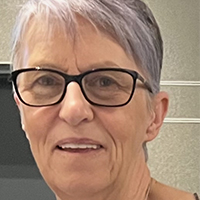
Peggy Holton - Elected - 1,778 votes
She, her, hers
Biography
As Regional Council Member, I will champion safe staffing and minimum Nurse-Patient Ratios (mNPR) to transform BC health care.
With 44 years in healthcare, I've seen unsafe staffing harm nurses, patients and our system. It's time to put people over profits.
mNPR isn't just a number - it's a lifeline for quality care, nurse well-being and patient safety.
Together, we need to advocate for safe staffing, reduce violence in our workplaces and secure collective agreement language that protect members' "Rights". I am committed to empowering members to lead change and celebrating the difference you make every day.
Together we'll make BCNU's vision of better care a reality.
Role based questions
- What do you see as the primary role of a regional council member in a member-driven union?
The primary role of a regional council member is to represent and advocate for the interests of our union members within our regional jurisdiction, ensuring their voices are heard in decision-making processes.
Through open communication and engagement. identify and address workplace issues, and work to implement change through policy to protect members rights. - What is the single most important value a regional council member must have, and why?
The single most important value is Integrity. Integrity means acting transparently, ethically and consistently with Union principles , fostering trust among members and stakeholders. It guides all decisions and actions actions, and prioritizes the collective good over personal interests and maintains credibility. - How can technology be used to strengthen member engagement, democratic participation, and accountability in the union - and what safeguards are necessary to ensure equity, privacy, and trust?
Technology can boost engagement and accountability through digital platforms such a member portals, mobile apps and online voting systems that make it easier for members to access information, participate in decision making , and track union activities.
Safeguards must be in place to include data -privacy policies (encryption, consent management, tech assistance). There needs to be regular audits for bias and clear governance rules to prevent misuse of data and ensure equitable access. - Describe your approach to listening to members who may feel unheard, marginalized, or frustrated with BCNU?
My approach involves creating a safe space, where members can voice concern without fear of reprisal.
Empathetic listening and validation of experience is extremely important - but so is follow up that addresses the issues raised and steps moving forward to address concerns or issues. I also communicate that their voice and input matters and drives change and improvements. - How do, or would, you approach conflict (i.e., between members within regional teams and/or Council, or between BCNU and the employer) while maintaining professionalism and fairness?
Conflict resolution (using lens of curiosity) should start with a in-partial fact finding and open dialogue to understand all perspectives. Listening and Identifying key areas of concern. Through collaboration identify potential solutions to the concerns and issues raised that are agreeable to all concerned.
I like to use the LARA process (Listen, Affirm, Respons, Action).
This may at times involve mediation processes or code of conduct processes. - How do you balance representing the will of members with responses to uphold bylaws, policy, collective agreements, and human rights obligations?
First, I try to engage members to understand heir priorities, then assess how these prioirities fit within the existing bylaws, policies and collective agreements and human right requirements. When there is conflict seek compromise solutions that respect the spirit of the member's will while ensuring compliance with governing rules and rights protection. Important to ensure there is communication and documentation explaining rationale for decision . - What past experience best prepares you for this role as regional council member, and what lessons from that experience will guide your work?
My past experience (trustee/ Chair of School board and being a VP on a health board as well as working with National leadership to change policies re: Palliative care and creation of Compassionate Care (EI) Benefits). has provided me with tools to mediate diverse stakeholder interests and enforce organizational policies fairly . Key learnings include importance of inclusion , evidence -based decision making and ethical integrity. Focus on long-term benefits. - How do you communicate complex or controversial decisions to members in a way that builds trust, even when members disagree?
Clear , concise communication that outlines the decision's rationale and evidence considered,(often, I use story telling of a incident that lead to change) and its alignment with bylaws and rights under the collective agreement . Providing time for open dialogue, acknowledging dissenting views and emphasize how the decision serves the broader interest of members. This also includes the commitment to followup post implementation of decision. - How do you ensure your decisions are informed by evidence, member input, and long-term considerations, rather than urgency or pressure?
I tend to be a methodical thinker. I try to look at evidence (research, data), but also engage in member consultations, to determine short and long term consequences. In my decision making, I weigh evidence and member feedback against future outcomes, ensuring that decisions are sustainable and responsible. - Describe a concrete example where you used technology to improve communication, decision-making, or organizing. What worked, what didn’t, and what would you do differently as a union leader?
"Ratio implementation - Coordinated inperson and zoom options to maximize accessibility and ensure members participation in a collaborative decision-making process.
What worked: Offering multiple formats increased attendance, accommodated members with their scheduling
What didn't: Early in the process it became clear that in-person participation was more effective for facilitation open dialogue. On zoom, it was difficult to read non-vernbal clues
Future: organize in-person sessions prior - How do you guarantee culturally sensitive interactions with your members?
When addressing sensitive issues, I connect members with a steward or peer who shares relevant lived experience or cultural understanding, so they feel supported and understood.
Create intentional safe space for members to share experiences and concerns . Discuss issues and collaborate on solutions. - How has your understanding of the principles of diversity and/or equity and/or inclusion evolved?
My understanding has deepened from recognizing diversity as a representation to appreciating equity as ensuring fair access to opportunities and inclusion. Fostering a sense of belonging for all voices . I am focused on trying to remove barriers and ensure inclusiveness.
Technical Questions
- What is your experience with Microsoft Word, Excel, and Outlook and what is your ability and willingness to learn new computer platforms and applications (e.g. BoardEffects, Expensify, Formstack, Ceridian Dayforce, ZOOM, Box, etc.)?
I am proficient with core Microsoft office applications including word,Outlook, Teams and I regularly use Zoom and BOX for communication and file sharing.
While I have worked with Board effects, Expensify, Formstack , Ceridian Dayforce or similar platforms, I am committed to mastering these platforms through training and practise. - Where and how have you developed your historical and technical base of understanding in all areas of the union’s work including bargaining and BCNU policies and procedures?
I built my understanding by approaching every role or issue with curiosity and a commitment to learning. Sought out experienced Council members to understand history and intent. I stay current in reviewing policy and bylaws, attending information session, Asking questions.. I strive to learn not just "what" but the "why" behind union decisions. - How would you describe your understanding of budgets and financial statements and the general structure and function of BCNU’s financial systems as well as the broad economic picture of BCNU?
I have an accounting background, so have a solid understanding of budgets and financial statements and variance analysis. I understand BCNU financial system is funded by member's dues and must prioritize transparency, accountability and align with member priorities like bargaining , defense fund and member services .
While I am not 100% familiar with all internal BCNU financial processes, I can read financial reports, ask clarifying questions and apply fiscal judgement
Communications Secretary
Catherine Clutchey – Acclaimed
She, her, hers

Biography
Catherine has been an RN for over 20 years, working primarily in the NICU and public health. She has also served as an active BCNU Steward for more than 16 years.
Catherine has proudly held previous terms as Communication Secretary, where she has focused on maintaining organized, effective communication and supporting regional planning. She remains committed to advocating strongly for members.
Her dedication to unionism is evident in her commitment to transparency and integrity-values she considers essential for a Regional Executive role. Catherine is a collaborative team player who is equally willing to speak up on behalf of the membership.
Catherine respectfully asks for your support to continue her work as Communication Secretary.
Role based questions
- How would you ensure regional communications are timely, accurate, and accessible to members with diverse needs and communication preferences?
As an experienced communication secretary I do my best to reach members in a way they understand. All members are "the union", however, they need accurate and timely information to guide their unionism. I ensure information provided is accurate and understandable by utilizing other members of the executive and steward teams to support communication. - What tools or platforms have you used for newsletters, social media, or websites, and how would you use them to strengthen member engagement?
am experienced in campaigner, cvent, formstack and boomi. I am fairly tech savvy and utilize office programs and social media. - How would you communicate difficult or controversial decisions while maintaining transparency and member trust?
Face to face communication is always the most successful way of communicating controversial decisions. When this isn't possible I ensure communication is truthful and clear. I am not one to dance around a topic or sugarcoat information. I believe in honesty and transparency. - If misinformation begins circulating among members, how would you respond quickly and responsibly?
I am very active in our region both in person and online. I communicate general information freely but also ask members to directly communicate with their regional executive and stewards for union and contract related questions. - How would you work with other regionally elected leaders, Council, and BCNU staff to ensure consistent messaging across the region?
I have worked closely with many members of the BCNU staff and elected leaders for many years. My experience allows me to access support quickly when needed to ensure information provided is timely and accurate. - How do union values such as integrity and solidarity inform how information is shared?
I believe in transparency. We are all "the union" and deserve to have all the information necessary to make decisions related to our nursing practice and contract. We need to work together to make nursing a safe profession for ourselves and each other. - Why do you want to serve in the role of Communications Secretary, and how will you ensure communications reflect member priorities and BCNU's Strategic Directions, rather than personal opinions?
I am a strong team player. Although I have a voice of my own, I also support decisions made as a team. I aim to represent members who do not always have a voice in the decision making process and even more importantly, I want to support those nurses to be able to bring their own voices to the conversion. - How has your understanding of the principles of diversity and/or equity and/or inclusion evolved?
Through my nursing practice and union activism my understanding of diversity and equity have grown significantly. I see nurses ignored and dismissed and I aim to support those members to not only be in the room but have a voice at the table. - How do you ensure your decisions are informed by evidence, member input, and long-term effects rather than urgency or pressure?
I am a fairly relaxed person and don't usually fall victim to urgency. I believe in taking the time necessary to properly analyze a situation and ensure the correct course of action for all members. I am constantly speaking with members and believe I work hard to take actions that benefit the members I represent.
Lobby Coordinator
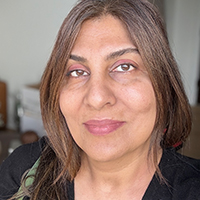
Gurmeet Mann – Acclaimed
She, her, hers
Biography
My name is Meea Mann. I am currently a patient care coordinator at Surrey Memorial Hospital Critical Care Unit. I have been in the role of patient care coordinator since 2014.
I am running for the BCNU position of Regional Lobby Coordinator. I have been in this role for the past 3 years, during which I have had opportunity to lobby with decision makers at all levels of government to share current issues affecting our members. This includes violence in the workplace and staffing shortages and unsafe patient workloads. I feel very passionate about continuing to advocate for our members shared concerns, for positive change and better, safer conditions for our members and patients. I am grateful for this opportunity.
Role based questions
- What is the role of a Lobby Coordinator, and how does it support members’ interests?
The role of LC is to work with the Regional executive team in connecting with members to educate, update and support our members on current BCNU concerns/priorities. To be informed on local and provincial issues. Lobbying with all levels of government, community groups as well as the public on BCNU priorities/concerns. To support/advocate for our members as stewards with issues and concerns in the workplace. To connect with and support HRE groups, student nurses and retired nurses. - How would you identify and prioritize political or legislative issues that matter most to members?
By talking to members at work, at regional meetings, member engagement events, through surveys and other tools determined by BCNU. I would bring this forth to my Regional council members and regional executive team. I would also bring this forth to the provincial lobby coordinator and LC group. It is through the data collection that the results are evaluated and then decisions made on what concerns matter most to members and they get prioritized by BCNU leadership teams collaboration. - How would you communicate BCNU positions effectively to elected officials or decision-makers?
I would follow the direction of what priorities and concerns are to be communicated and follow the presentations and guidelines given to myself and the other LC group. For example the power point presentations and talking points that are provided, that way the messaging is consistent and in alignment with BCNU's directions. I would email to set up meetings with elected officials or decision makers and try to coordinate with my regional council members if it works for them as well. - How would you ensure your advocacy reflects BNCU's Strategic Directions rather than personal political views?
BCNU is non-partisan and I would be professional and mindful of that when advocating with government officials, decision makers when representing BCNU in this role. I would ensure that my words and actions reflect that BCNU is non-partisan. By ongoing self reflection and self awareness as well as understanding my own beliefs, values, biases, feelings and triggers also help me. - How would you work with members, regional elected leaders, coalitions, and community partners to advance BCNU goals?
I would work collaboratively with BCNU members, regional elected leaders, coalitions and community partners by building relationships and networks through meetings, community engagement events, by emailing and requesting a meeting to discuss common concerns as well as BCNU priorities. I would practice open communication with active listening to help build rapport. By building relationships, partnerships we improve and increase our influence which in turn can help to advance BCNU goals. - How would you navigate political pressure while maintaining information and union integrity?
I would navigate political pressure while maintaining information and union integrity by being aware that I am representing BCNU when in this role. I would be alert and mindful to any not so obvious as well as obvious political pressure tactics. I would communicate BCNUs non partisan position when/if questioned or political pressure. I would also ensure that I communicate in a calm and clear manner and navigate the conversation back to the BCNU concerns and priorities that are important. - Why do you want to serve in the role of Lobby Coordinator, and how will BCNU values guide your political advocacy?
I would like to serve in the role of Lobby Coordinator because I feel passionate about advocating for ongoing positive change for the current concerns of violence in the workplace, minimum nurse to patient ratios as well as other new concerns that may come up such as health care privatization that is being pushed for in Alberta currently. BCNU values of collectivity, democracy, equality, excellence, integrity, social justice, and solidarity resonate with me and guide what I am advocating for. - How has your understanding of the principles of diversity and/or equity and/or inclusion evolved?
My understanding of the principles of diversity/equity and inclusion has increased and continues to be an ongoing learning as there is so much more to learn and understand. I have attended the HRE conference which was a great source of information, real experiences of people. It helped see perspectives and scenarios I would not otherwise have grasped in the same way. I am now more alert and aware to try to recognise where these may showing up for myself or someone else. - How do you ensure your decisions are informed by evidence, member input, and long-term effects rather than urgency or pressure?
I ensure this by working with the team and by collaborating on decisions/concerns that may come up. I don't act on impulse or pressure. The decisions for union action/direction are guided by evidence, member input and long-term effects and then communicated to the Regional teams and members.
Mental Health Representative
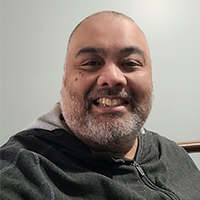
Ruben De Ocampo – Acclaimed
He, him, his
Biography
Ruben de Ocampo - Ruben has been nursing as an LPN for 19 years. He currently works at Langley Memorial Hospital in Acute Medicine. He is currently a member of the local steward team at Langley and is the current Mental Health Representative for the South Fraser Valley Region. Ruben is also a participating member of LMH JOHS committee. He has worked with Occupational Health and Safety locally and Region wide to identify issues that affect nurses physically and mentally. As your Mental Health Representative, he would like to continue the current work that has been done to support nurses in the workplace physically and mentally. Psychological health cannot be ignored.
Role based questions
- What do you see as the key responsibilities of a Mental Health Representative within the union?
To identify the causes of the MH injuries in the workplace. - How would you balance support for members’ mental health and BCNU's Strategic Directions?
To be able to give the proper resources available thru the BCNU. - How would you promote mental health awareness and reduce stigma among members?
You have to look after yourself first. If you can't look after yourself then you can't look after your patients. - How would you respond when members are in distress or facing systemic mental health challenges at work?
You have to connect and talk to them. Having a personal conversation feels more connected than an email or text. - How would you work with stewards, health and safety reps, regionally elected leaders, and BCNU staff mental health issues?
Guide them to the proper channels of reporting, WPHCC or Hazard Reports. Include the JOHS Committee, and to be able to relay information accurately. - How do diversity, equity, and inclusion inform your approach to mental health advocacy?
You have to put yourself in their shoes and now think how they feel. - Why do you want to serve in the role of Mental Health Rep, and how will you ensure members’ lived experiences shape your work?
I want to continue the advocacy, eliminate the stigma of someone going througha crisis. - How has your understanding of the principles of diversity and/or equity and/or inclusion evolved?
It is still not perfect, but it continues to evolve. - How do you ensure your decisions are informed by evidence, member input, and long-term effects rather than urgency or pressure?
by talking to people, know their story, their history.
Occupational Health and Safety Representative
Tashnumaity Minwalla – Acclaimed
She, her, hers
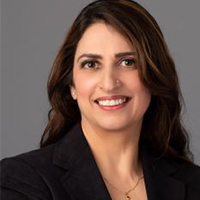
Biography
My name is Tash Minwalla and I have been your Regional OH&S Executive since 2023. As your OH&S Executive, I have continued to advocate for staff safety and supported a healthy and safe workplace culture.
I have and will continue to:
- Respond to emergencies and ensure proper escalation, reporting, and follow-up in alignment with protocols
- Collaborate with staff and leadership to address workplace safety concerns
- Promote awareness of worker rights and responsibilities related to occupational health and safety
- Contribute to ongoing safety discussions and improvements within the Health Authority
- Promote a strong culture of occupational health and safety by reinforcing workplace safety policies, procedures, and best practices
Role based questions
- What experience do you have with workplace health and safety, and how would you advocate effectively for safer workplaces?
I have been an OH&S representative since 2023. I have collaborated with FH client partners and resolved many issues in varying facilities; guided members accurately completing incident reports; investigated worksite issues; provide support and guidance to members for accessing resources.
I continue to advocate for a safer workplace by educating and empowering the members to know their rights, speak up, and report in a timely manner; to recognize and rectify hazards in their worksite - How do you stay informed about occupational health and safety legislation and best practices?
I read the e-news; I keep up to date with global and federal events; I read new policies that are release by WorkSafe BC; I attend monthly check-in meetings with the provincial OH&S department; on-going communication with my BCNU OH&S officer; I am a member of the Regional FH Violence Prevention Committee. - How would you identify and prioritize health and safety risks affecting members in diverse workplaces?
Identify: by talking to members; by visiting and walking through sites; by connecting with management/leadership around member-expressed concerns; connect with my BCNU OH&S officer
Prioritize: I would address hazards in order of imminent danger to the membership and work down the list of hazards ensuring that every one of them are resolved in a timely manner. - How would you handle disagreements with employers on safety issues?
if there are disagreements, I aim to understand their perspective and articulate my identified concerns. if there is still disagreement, I reach out to my resources such as my OH&S officer, present policy and guidelines; WSBC mandated guidelines to further substantiate the need for remedy. - How would you explain safety rights or hazards to members and stewards in a clear and practical way?
I often create presentations for membership outlining their basic OH&S rights and their right to refuse unsafe work. I aim to disseminate information through brochures, magnets, pocket cards, QR codes, lanyard cards, and one-page summaries that I've created.
I find summarizing the information and education I have received in a quick and simple format supports various types of learning and easy retention for the membership. - How would you work with stewards, regionally elected leaders, Council, and BCNU staff to advance BCNU's Strategic Directions?
I continue to work with my RCMs, executive team, stewards, and Provincial leadership to obtain knowledge and information around strategic directions and disseminate this in easy-to-retain methods of communication. - Why do you want to serve in the role of Occupational Health and Safety Rep, and how will you ensure members’ safety concerns drive your work?
I am very passionate about safe worksites and membership safety. I strongly believe that it's through education, empowerment, and advocacy that our collective membership can hold each Health Authority accountable to provide us with the safe workspaces that we deserve.
I am self-driven and motivated to visit worksites, gather member concerns, and provide support to making tangible change for long-term sustainability and future retention of nurses. - How has your understanding of the principles of diversity and/or equity and/or inclusion evolved?
As a person of color, I have always supported various DEI movements. I have been a Mosaic of Colors in the past (2017-2020) and continue to be an active advocate of the HRE caucuses. I have provided support and education to my colleagues and the general membership. I stand and speak up for equitable treatment of those around me.
My understanding and principles will continue to evolve as we progress our societal understanding of what DEI embodies and the ever-changing needs that ensue. - How do you ensure your decisions are informed by evidence, member input, and long-term effects rather than urgency or pressure?
I will evaluate each situation by communicating with the member, assessing imminent threat/danger to safety, collaborate with leadership, and make an informed decision to prioritize based off of evidence displaying the most detrimental impact that the hazard may bring to staff.
Professional Responsibility Advocate
Carmelita Mangoyob – Acclaimed
She, her, hers
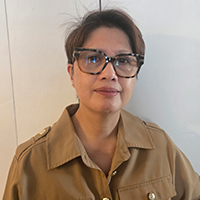
Biography
My Name is Carmelita Mangoyob, Carmen to most. I have been a registered nurse for almost 17 years. I work at Surrey Memorial Hospital. I would like to run for re-election for Professional PRF Advocate (PRA) for South Fraser Valley. I am the current PRA. I learned and grew as PR-advocate from concerns brought forward by members during the process of resolution. Running for reelection is to make myself available to support members who would trust my knowledge and passion making a small difference to members negative experiences at workplace. I am familiar with the Professional Responsibility Process Languages Article 59 and Appendix KK that could be of value to this role. A site-steward for more than 5 years and regional rep for 6 years.
Role based questions
- What does professional standards mean in a union context, and why is it important for members and the public?
BCNU represents professional skilled and ethical Nurses. Members of the organization are regulated professionals by the college of British Columbia that protects the wellbeing of the public. BCNU advocates for safe patient care therefore making sure nurses given fair recognition to practice meeting their Professional Standard of Practice. - How would you balance accountability, fairness, and compassion when professional concerns arise?
Having empathy and professionalism makes choices of behavior or responses much accountable, fair and can emanate compassion for others. As the saying goes "don't do unto others what you don't want done to you". A nurse identifying concerns of unsafe practice would be accountable to find ways to correct the problem. - Describe how you would approach sensitive or contentious professional standards issues.
Ethical issues arises at workplace frequently because of race, ethnicity, religion, fashion or grooming, accent or just the mere physical appearance. Some individuals focuses on those visible characteristics that confuses their response and behavior towards others. Refrain from prejudice and stereotyping but rather be curious and explore the root cause of the given scenario. - How would you explain complex or emotionally charged standards issues to members?
New and inexperience nurses at time being prejudiced by patients and families in the provision of nurse patient care. Patient and family are not confident that the nurse knows what she/he is doing and would be perceived as not doing the right patient care. Patient will be untrusting and would be rude towards the nurse. - How would you work with regionally elected leaders and BCNU staff in managing sensitive professional issues at diverse worksites?
Team work is always key to success to most endeavor in conflict resolutions. I believe having multiple heads put together will bring more positive opportunities to resolve issues in diverse worksite. - How would you ensure members understand professional standards in comparison to collective agreement language?
Professional Standards of Practice are the metrics of the nursing practice. Nurses should understand that adherence to these standards protects their Practising Nursing License and be able to practice in British Columbia. The collective agreement protect their rights as employed nurses of employers. - Why do you want to serve in the role of Professional Practice Advocate, and how will BCNU values guide your decisions?
Safe Patient Care motivates me as a nurse. Being grounded with good values like that of what BCNU advocates truly defines nursing. I believe that every client deserves professional, responsible, accountable, excellent and just care from nurses. The employers are partners in equipping nurses by providing opportunities to deliver the best safe and ethical patient care. - How has your understanding of the principles of diversity and/or equity and/or inclusion evolved?
I understand that being in a country of multiculturalism represents diverse distinct identities of individuals. to co-exist harmoniously with these differences there is a need to embrace these difference. - How do you ensure your decisions are informed by evidence, member input, and long-term effects rather than urgency or pressure?
Able to maintain the ability to listen, investigate, understand and engage members in the the process of arriving to the most impactful resolution able to keep members informed and trusting.
Steward Liaison
Sara Kilburn – Acclaimed
She, her, hers

Biography
Sara has been a Licensed Practical Nurse for the past 16 years and a Steward at Delta Hospital for the past five years. She brings a strong understanding of member needs, frontline challenges, and the importance of effective union representation.
Sara is committed to strengthening steward support across the region, mentoring new and existing stewards, and ensuring every worksite has access to knowledgeable, engaged representation. She is a strong advocate for members and is dedicated to upholding the Collective Agreement with integrity and consistency.
Through clear communication, collaboration, and a focus on building strong relationships, Sara aims to support a connected and empowered steward network.
Role based questions
- What do you see as the primary responsibilities of a Steward Liaison, and why are stewards critical to a strong union?
A Steward Liaison plays a key role in supporting, connecting, and empowering frontline stewards by ensuring they have the tools, information, and confidence to represent members effectively. This includes facilitating communication between stewards and union leadership, providing guidance on workplace issues, and helping coordinate education and advocacy efforts. Stewards are critical to a strong union because they are the first point of contact for members-they uphold the collective agreement. - How would you support stewards with varying levels of experience and confidence?
I would support stewards of all experience and confidence levels by meeting them where they are and creating a supportive, inclusive environment for growth. For newer or less confident stewards, I would prioritize mentorship, accessible education, and regular check-ins to build their knowledge and confidence over time. For more experienced stewards, I would encourage leadership opportunities, peer mentorship, and ongoing skill development to keep them engaged and supported. - How would you ensure information flows effectively between stewards, members, and regional elected leadership?
I would ensure information flows effectively by prioritizing clear, consistent, and accessible communication across all levels of the union. This includes regular updates through multiple channels such as email, meetings, and shared platforms, so information reaches stewards, members, and Regional Council in a timely way. I would also encourage two-way communication by creating opportunities for feedback, questions, and discussion, ensuring concerns from the frontline are heard. - Describe how you would assist stewards when workplace issues escalate or become complex.
I would support stewards facing complex issues or escalating meetings by being a steady, accessible resource they can rely on. This includes helping them prepare in advance by reviewing the collective agreement, clarifying the key issues, and developing a clear plan and strategy. I would offer guidance during the process, whether that's coaching behind the scenes or attending meetings when appropriate, to ensure they feel confident and supported. - How would you collaborate with regional elected leaders, Council, and BCNU staff to strengthen steward effectiveness in furtherance of the BCNU's Strategic Directions?
I would collaborate closely with Council and BC Nurses' Union staff by fostering open communication, mutual respect, and a shared commitment to supporting stewards. This means regularly connecting to align on priorities, sharing insights from the frontline, and ensuring everyone is working with consistent, up-to-date information. I would value the expertise of staff and the leadership of Council, while also advocating for the needs and experiences of stewards. - How do solidarity and equity guide your approach to supporting stewards and members?
Solidarity and equality are the foundation of how I would approach the role of Steward Liaison. I believe every member deserves to feel respected, heard, and fairly represented, regardless of their role, background, or experience. Solidarity means standing together, supporting one another through challenges, and ensuring no one feels isolated when facing workplace issues. In practice, this would guide me to advocate consistently, promote inclusive and respectful communication, and create space. - Why do you want to serve in the role of Regional Steward Liaison, and how will you remain accountable to stewards and the broader membership?
Accountability to stewards and members is essential to me. I would demonstrate this by being approachable, responsive, and transparent in all my work. I would follow through on commitments, communicate clearly and regularly, and actively seek feedback to ensure I am meeting the needs of those I represent. By staying grounded in the experiences of frontline stewards and members, and by being open to learning and improvement, I would ensure my work remains focused, responsible, and aligned. - How has your understanding of the principles of diversity and/or equity and/or inclusion evolved?
My understanding of diversity, equity, and inclusion has evolved through both my professional experience and my role as a steward, where I've had the opportunity to support members from a wide range of backgrounds and experiences. Over time, I've come to recognize that it's not just about acknowledging differences, but about actively working to remove barriers, challenge biases, and create space for all voices to be heard and respected. I've learned the importance of listening with intention. - How do you ensure your decisions are informed by evidence, member input, and long-term effects rather than urgency or pressure?
I ensure my decisions are informed and balanced by taking the time to gather all relevant information before acting, even in high-pressure situations. This includes reviewing the collective agreement, policies, and any available evidence, while also actively seeking input from stewards and members who are directly impacted. I value listening to different perspectives to fully understand the issue and avoid making assumptions.
Treasurer
Jaswinder Chahal – Acclaimed
She, her, hers

Biography
My name is Jaswinder Chahal, Jassi for short, and I have been an activist officially since 2014. I graduated as a RN in 2007 and as soon as I was comfortable in that role, I became active in attending union activities. I became a resource to my co-workers as I started reading the collective agreement and was sharing what I read. I reached out and attempted to step up as an official steward and finally was appointed a few years later. I have been a worksite steward, a PRF Steward, on the JOHS Committee, Regional Steward Liaison and elected as PJAC member for Large Acute in 2022-2025. I work in SMH PACU, after 12 years in Surgical. I am hoping to be elected to serve as the Regional Treasurer, to continue to serve the largest region of SFVR!
Role based questions
- What experience do you have with budgeting, financial oversight, or reporting, and how will you ensure members’ dues are managed responsibly and transparently?
I have been on the Regional Executive Committee for over 4 years which includes being responsible for our regional budget. We have had to ensure our regional meeting planning decisions align with our provincial strategic directions. I have been tasked with researching and gathering quotes to secure bookings or items within budget as a worksite steward over the past 12 years as well as on the regional executive committee. I have always kept accurate records with receipts to verify expenditures. - What financial tools or systems have you used, and how would you use technology to improve accuracy, reporting, or accessibility of regional financial information?
I have used excel and am comfortable reading over our Treasurer’s report to ensure our regional budget has been balanced. I am comfortable using the Member Expense Dashboard and have been able to teach the use of it to our members. I am also familiar with many of the financial policies that govern our region. I am looking forward to learning the use of Netsuite and all systems Treasurers use to accurately record and report our regional financial information. - How would you explain a difficult or controversial financial decision to members in a clear, accessible, and respectful way?
I would start by ensuring I clearly understand the decision-its reasoning, supporting data, and impact on members. I would translate that into plain and simple language. I would explain it in three parts: what the decision is, why it was made, and how it affects members. I'd be transparent about any trade-offs or downsides so members feel respected and fully informed. I would ensure the members have plenty of time for questions and if needed copies of the data that can be shared. - Describe a time you had to question a financial decision or raise concerns about governance or spending. What guided your approach?
As the lead steward in a member engagement activity, a co-steward wanted to purchase items that I believed we should not buy. I raised concerns about a proposed expense that didn't clearly align with our priorities. I reviewed the data first, then approached the discussion respectfully, focusing on transparency, accountability, and member value. By staying fact-based and solution-oriented, I helped ensure the decision was reconsidered while maintaining trust and a constructive tone. - When there are disagreements about spending priorities, how would you manage conflict while upholding union values and maintaining trust?
Any disagreements are best met with open minds and clear dialogue to ensure everyone feels heard. It has been helpful to first get a clear understanding of everyones perspective and concerns, acknowledging those concerns is essential to building trust. I would then focus back to shared union values and acting in the best interest of all members. Anchoring the discussion in these principles helps move it away from individual positions and toward collective goals.Trying to decide objectively. - How do you see the Treasurer working with other regionally elected leaders, Council and BCNU staff to support effective regional governance?
Having had the experience with working with the Regional Treasurer and the Provincial Treasurer in my roles on the Regional Executive and on PJAC. I see the Treasurer as a collaborative partner who supports transparent, effective governance. They share clear financial information at meetings, align budgets with priorities, and guide leaders on financial impacts. By fostering open communication and accountability, they help ensure decisions are informed, consistent, and in members'best interests. - Why do you want to serve in the role of Regional Treasurer, and how will you ensure your decisions consistently reflect the needs, equity considerations, and voices of members all while supporting BCNU's Strategic Directions?
Having served as the Steward Liaison, I have worked closely with our Treasurer and have enjoyed learning the role. I would like to serve as Regional Treasurer to support responsible, transparent use of resources that reflect our priorities. I'll ground decisions in data, equity, and diverse member input, ensuring all voices are heard. By aligning budgets with strategic goals and maintaining open communication, I'll support fair, accountable decisions that advance BCNU's Strategic Directions. - How has your understanding of the principles of diversity and/or equity and/or inclusion evolved?
I have taken a variety of courses and really opened my eyes and mind to many other's views and lived experiences. I find society has evolved over time and many new avenues to teach us the real value of engaging in the principles of diversity, equity and inclusion have been discovered. I've learned that equitable outcomes require removing systemic barriers, listening to lived experiences, and adjusting processes to ensure fair access and participation for all members, not just equal treatment. - How do you ensure your decisions are informed by evidence, member input, and long-term effects rather than urgency or pressure?
As a RN for almost 20 years, I have been able to function well under pressure. I have translated this skill as a member on our Regional Executive Committee when making decisions for our Region. I ensure decisions are evidence-based by reviewing available data, policies, and financial impacts first, rather than reacting to urgency or pressure. I actively seek member input and I consider how options affect short and long term outcomes. This helps ensure decisions are balanced and transparent.
BCNU Election Candidate Attestations
All regional candidates have affirmed yes to attestations (1-9) below:
- I am a member in good standing of BCNU, with no outstanding disciplinary proceedings, and meet all BCNU Constitutional and Bylaw eligibility criteria for the position I am seeking.
- I commit to upholding BCNU’s Constitution and Bylaws and the Policies and Procedures, and will engage in ethical, respectful, and inclusive conduct during the election and throughout any term in office.
- I have reviewed and understand the fiduciary duties and responsibilities as described in Policy 2.0.1 and in the job description, including the duties of care, loyalty, compliance, confidentiality, and accountability to BCNU’s vision, mission, values, and members.
- I affirm that I will protect and safeguard any member information, BCNU internal documents, or confidential records that may be made available to me during the course of this election or while in office.
- I will disclose any real, perceived, or potential conflicts of interest prior to or during my candidacy and, if elected, will comply with all conflict-of-interest policies and governance requirements.
- I have reviewed and understand the election code of conduct as stipulated in Policy 2.0.7, including the guiding principles for BCNU elections, candidate and BCNU member roles and responsibilities, and the rules pertaining to campaign materials.
- I will not engage in any campaigning, communications, or actions that may be reasonably understood to involve misinformation, personal attacks, or harassment, and I understand that such behaviour may result in immediate removal from the election process.
- I hold current registration in good standing with the British Columbia College of Nurses and Midwives (BCCNM) and confirm there are no current findings of professional misconduct, suspension, or conditions on my nursing license.
- I understand that all attestation statements are subject to verification by the BCNU Nominations Committee, and false declarations may result in immediate disqualification from candidacy or immediate removal from elected office.