

 Shaughnessy Heights
Shaughnessy Heights Regional Executive Election Results
Regional Council Member
Claudette Jut – Acclaimed
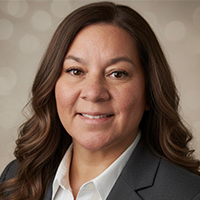
Biography
My approach to leadership is built on the pillars of representation, advocacy, communication, and fiduciary responsibility. To me, regional stewardship means providing sound leadership that balances the immediate needs of our members with the long-term health and integrity of BCNU. Ethical leadership is not just a value; it is a necessity. I believe that trust is earned through honesty and the fair, consistent application of our Union bylaws and policies. I am a leader who speaks up, stays prepared, and makes decisions for the greater good of our union. I value the individual strengths of the Regional Executive Team, and seek to continue leading Shaughnessy Heights with the dedication, transparency, and the experience you deserve.
Role based questions
- What do you see as the primary role of a regional council member in a member-driven union?
Representing regional interests on Council and ensuring those views inform provincial strategy are critical functions of a Regional Council Member. Additionally, representation, advocacy, communication, and fiduciary responsibility are necessary to provide regional stewardship and sound leadership. - What is the single most important value a regional council member must have, and why?
Ethical leadership is a value that Regional Council Members must have. Trust and representation inform ethical leadership and ensures that members voices are being accurately represented. Additionally, ethical leadership requires honesty, and fair consistent application of union bylaws and polices, and fiduciary accountability. - How can technology be used to strengthen member engagement, democratic participation, and accountability in the union - and what safeguards are necessary to ensure equity, privacy, and trust?
Apps, live chats, townhalls, and the BCNU Connect platform can be useful assistive tools to communicate information and gather data. Democratic participation would be impacted by applications such as Zoom, and Microsoft Teams; these tools can widen the scope of attendance by reducing geographical and time travel barriers. Safeguards would be necessary to ensure transparency and oversight to prevent biases. Platforms would require privacy measures and ensure confidentiality. - Describe your approach to listening to members who may feel unheard, marginalized, or frustrated with BCNU?
My approach involves staying curious about member concerns. I listen to understand and ask questions for clarity. In my experience most members who feel unheard, marginalized or frustrated have valid and credible knowledge to share. I believe these views are important for members to bring forward. - How do, or would, you approach conflict (i.e., between members within regional teams and/or Council, or between BCNU and the employer) while maintaining professionalism and fairness?
I strive for members to address concerns directly with the person. My approach follows the BCNU code of conduct, policies and procedures as well as the BCNU bylaws. Personally, I address conflict in a direct and assertive way that ensure professionalism and respectful communication. By utilizing the skills, I gained from completing a Certificate in Conflict Resolution with a Specialization in Negotiations. I problem solve, listen actively and foster mutual respect. - How do you balance representing the will of members with responses to uphold bylaws, policy, collective agreements, and human rights obligations?
I rely on ethical leadership to balance the will of the membership and my responsibilities to BCNU bylaws, policies, the PCA, and human rights obligations. Consistency and fairness are important for the membership as these can ensure procedural integrity. While not all membership requests can be honored, I believe providing information and communicating on why or how decisions are made can help members understand our governance and leadership responsibilities. - What past experience best prepares you for this role as regional council member, and what lessons from that experience will guide your work?
I have gained invaluable experiences in my capacity as RCM, and continued board development activities. Participation on committees and actively participating in Board Governance meetings has helped me view our work through a lens that seeks out member input, while embracing unique views and various levels of expertise. Leading as a team within my Region prepares me the most for this role. I value the dedication, knowledge and support of my Regional ExeExecutive Team members. - How do you communicate complex or controversial decisions to members in a way that builds trust, even when members disagree?
I communicate complex or controversial decisions in a way that builds trust even when members disagree. I do this by being my most authentic self, this requires genuine honesty and the ability to acknowledge that I don't have all the answers as their leader. I am there to facilitate a team of people who are working towards a goal, or vision and sometimes that means we don't always agree; what it does mean is that we work together with respect and professionalism. - How do you ensure your decisions are informed by evidence, member input, and long-term considerations, rather than urgency or pressure?
I ensure that decisions are informed by evidence, member input, and long-term impact. I do this by ensuring I am well prepared for council meetings. This requires me to collect member input, understand my obligations and duties related to governance, and make decisions that are for the greater good of our union. I speak on behalf of the region at the council table and speak up regularly to communicate my understanding of the membership needs. - Describe a concrete example where you used technology to improve communication, decision-making, or organizing. What worked, what didn’t, and what would you do differently as a union leader?
WhatsApp Thread for our Regional Executive Team. For communication alerts between executive meetings. We can communicate quickly about organizing event timing, portfolio check in, create polls to schedule other meetings or check-in such as zoom meetings, or in person meetings. It works well to communicate timely information; it also works well to notify the sender if members of the group have read the message. It can hinder work-life balance. Having guidelines is critical going forward. - How do you guarantee culturally sensitive interactions with your members?
I guarantee culturally sensitive interactions with members by educating myself and taking the time to learn about different cultures. I respect cultural differences and avoid making judgements. I use inclusive language and am mindful about avoiding using terms or expressions that may be offensive or insensitive to certain cultures. Finally, I practice active listening to show interest and avoid interrupting. - How has your understanding of the principles of diversity and/or equity and/or inclusion evolved?
My understanding of equity, diversity and inclusion has evolved through continuous learning, reflection, and practice. I actively use my voice to advocate for change and support initiatives that can have positive impacts for diversity, equity and inclusion.
Technical Questions
- What is your experience with Microsoft Word, Excel, and Outlook and what is your ability and willingness to learn new computer platforms and applications (e.g. BoardEffects, Expensify, Formstack, Ceridian Dayforce, ZOOM, Box, etc.)?
I have intermediate to advanced level experience with Microsoft Office applications, Boardeffects, Expensify, Formstack, Ceridian, Dayforce, Zoom, and Box. I am always willing and eager to learn more about each of these platforms functionality. - Where and how have you developed your historical and technical base of understanding in all areas of the union’s work including bargaining and BCNU policies and procedures?
By being an engaged and active member of the Union, I have held several union roles including Regional Treasurer, Steward Liaison, and Regional Council Member. I have been elected to the Bargaining Committee as one of the Large Acute site representatives. Committees of Council: Finance, Constitution and BylawsRenewal Project, DEI, MESRR, HR, Chair of Bylaws, Chair of Resolutions. I have participated in several working groups including Education review, and Governance. - How would you describe your understanding of budgets and financial statements and the general structure and function of BCNU’s financial systems as well as the broad economic picture of BCNU?
I would describe my understanding of budgets and financial statements as well as the general structure and function of BCNU as advanced. Having worked in the capacity of Regional Treasurer and in my current capacity of Regional Council Member, I have extensive working knowledge of our Provincial and Regional Budgets.
Communications Secretary
Tazim Esmail – Acclaimed
She, her, hers
Biography
I have worked at Louis Brier Home and Hospital (Long Term Care) for the past 26 years. I took on steward responsibilities about 17 years ago.
In my current position, as the Communication Secretary, I have a dual role. I make the agenda and take minutes of meetings as well as send out invites and book venues for the regional events. I enjoy maintaining the communication network and participating in the various events that we have in the region. During events; we have the opportunity to share information as well as to have an open forum for members to ask questions. I work closely with the Regional Executive Team and LRO.
I would love to continue to serve as the Communication Secretary for Shaughnessy Heights Region.
Role based questions
- How would you ensure regional communications are timely, accurate, and accessible to members with diverse needs and communication preferences?
I would ensure that communications are timely, accurate and accessible to members in the following ways:
1) Send out invitations via email 8 weeks prior to events, with a description, target audience and clear registration deadline.
2) If members are not receiving the invites, I would ask them to follow up with the membership department to update their information.
3) Do walkabouts and update BCNU boards regarding upcoming events. - What tools or platforms have you used for newsletters, social media, or websites, and how would you use them to strengthen member engagement?
I have used the following tools and platforms to strengthen member engagement:
1) Cvent - to set up meetings, send out invites
2) Excel - allow to track members registered, dietary restrictions
3) Campaigner - to send information out to a large group
4) BOX - to have a centralized area to store agendas and minutes for the regional executive team to be able to readily access
5) Zoom - for hybrid meetings or for Guest Speakers that are unable to come in person - How would you communicate difficult or controversial decisions while maintaining transparency and member trust?
I would communicate difficult decisions while maintaining transparency and member trust by:
1) Setting a side time to speak with the particular members
2) Acknowledging their concerns
3) Openly communicating about how the decision was made
4) Collect feedback on their perspectives on how things could be done differently in the future - If misinformation begins circulating among members, how would you respond quickly and responsibly?
As I would be maintaining the communication for the region, it would essential to send out a prompt email to stop the circulation of misinformation and to provide the correct information to members. Since misinformation can arise from a variety of sources I would also ensure the regional council member and the regional executive are aware, and as a team we can address misinformation and provide the correct information and guide members to the relevant sources. - How would you work with other regionally elected leaders, Council, and BCNU staff to ensure consistent messaging across the region?
In order for there to be consistent messaging across the region, it is necessary to regularly collaborate with regionally elected leaders, Council and BCNU staff. All information whether it is shared provincially or regionally should always be consistent. - How do union values such as integrity and solidarity inform how information is shared?
Integrity and solidarity are 2 core values of BCNU. In order for me to uphold these values I would ensure that my communication is honest, consistent and ethical. - Why do you want to serve in the role of Communications Secretary, and how will you ensure communications reflect member priorities and BCNU's Strategic Directions, rather than personal opinions?
Serving in the role of Communication Secretary allows me to use my skills of preparing agendas, minute taking and event planning. In order to ensure that communications reflect member priorities, it is crucial to listen to members and understand the concerns that they are facing. Rather than focusing on personal opinions it's important to speak up for the majority of the membership. - How has your understanding of the principles of diversity and/or equity and/or inclusion evolved?
My understanding of diversity, equity and inclusion has grown over time. Being part of the Mosaic of Color caucus has taught me the importance of listening to everyone's perspectives, treating people fairly and fostering a sense of belonging. - How do you ensure your decisions are informed by evidence, member input, and long-term effects rather than urgency or pressure?
Feedback forms are essential as they provide member input to shape future meetings and events. For example, feedback regarding venues, parking, catering, ideas for guest speakers, topics for Q&A etc.
Lobby Coordinator
Baljit Fajardo – Acclaimed
She, her, hers
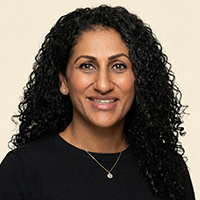
Biography
I graduated from UBC School of Nursing and have been practicing as a registered nurse for the past 27 years; starting on a medical unit at VGH and currently at BC Women's Hospital as a frontline nurse in a specialty obstetrical unit for 23 years. I am a long-standing, active steward in Shaughnessy Heights region and am currently in the role of regional lobby coordinator.
I am a passionate advocate for our members and work hard to ensure our members' voices are heard by government and employers. I am committed to member outreach at the work sites and engaging our members to become increasingly active within the union.
I look forward to the opportunity to be your next regional lobby coordinator so I can continue to represent our members.
Role based questions
- What is the role of a Lobby Coordinator, and how does it support members’ interests?
The Lobby Coordinator is a strategic and organized voice for nurses, ensuring members' experiences are represented in meaningful advocacy and decision-making. As part of the Regional Executive Team, the role coordinates lobbying efforts, builds relationships with elected officials and community partners, and supports member lobbyists. This role also involves working closely with our student members as well as members of our DEI groups to ensure that their diverse voices can be amplified. - How would you identify and prioritize political or legislative issues that matter most to members?
I identify issues by listening directly to members through conversations, outreach, and workplace support. I validate concerns using data, BCNU campaigns, and broader healthcare trends. I prioritize based on urgency, impact on patients and members, and opportunities for meaningful political influence, while aligning with BCNU's campaigns and Strategic Directions and collaborating with the Provincial Lobby Coordinator and Regional Executive Team throughout the process. - How would you communicate BCNU positions effectively to elected officials or decision-makers?
I communicate clearly, using both evidence-based and frontline member stories to make issues relatable and impactful. I present concise, well-prepared messaging that is consistent with BCNU priorities and campaigns, share real member experiences, and focus on solutions. Building and maintaining respectful, ongoing relationships with elected officials and decision-makers is key to maintaining credibility and influencing meaningful change. - How would you ensure your advocacy reflects BNCU's Strategic Directions rather than personal political views?
I approach this role with a strong understanding that I am representing the union, not my personal political views. I would continue to ground all advocacy in BCNU's Strategic Directions and policies, guidance from the Provincial Lobby Coordinator and Council and input from members and the Regional Executive team. I practice self-awareness to check for my own biases and this helps ensure accountability, transparency and consistency. - How would you work with members, regional elected leaders, coalitions, and community partners to advance BCNU goals?
I build strong relationships through engagement, communication, and collaboration to advance BCNU goals. I liaise with our members and mentor member lobbyists, work closely with the Regional Executive Team, and partner with community organization and coalitions on shared priorities. I also ensure equity-seeking caucuses and diverse member voices are included so our advocacy reflects the full range of our membership. - How would you navigate political pressure while maintaining information and union integrity?
I stay grounded in evidence, BCNU's established policies and positions, and member priorities. While political pressure exists in our work, I would maintain integrity by avoiding partisan alignment, communicating transparently and consistently, and seeking guidance from provincial and regional leadership. My focus is always on ethical, professional advocacy aligned with the union's mission. - Why do you want to serve in the role of Lobby Coordinator, and how will BCNU values guide your political advocacy?
I want to continue to serve in this role because I'm passionate about advocating for nurses and strengthening healthcare. Through my experiences engaging with members, supporting provincial campaigns, and meeting government officials, I've seen the impact of strong advocacy. I'm guided by BCNU's values of collectivity, integrity, and social justice, They ensure that my advocacy remains inclusive, member-driven, and focused on creating meaningful, long-term change for both nurses and patients. - How has your understanding of the principles of diversity and/or equity and/or inclusion evolved?
Through my engagement work with regional equity-seeking caucuses along with education from BCNU, I've gained deeper insight into systemic barriers members face. I've grown from recognizing diversity to actively promoting equity and inclusion by listening to lived experiences, centring marginalized voices and advocating for inclusive policies. This has strengthened my commitment to ongoing learning and intentional inclusion so I engage, advocate, and make decisions that truly support all members. - How do you ensure your decisions are informed by evidence, member input, and long-term effects rather than urgency or pressure?
I use a strategic approach by gathering member input and supporting it with data and research. I consult with the Provincial Lobby Coordinator, Regional Executive Team and LC colleagues to ensure thorough, well-rounded decisions and consider long-term impacts, ensuring that advocacy efforts are feasible and aligned with BCNU's goals. While urgency and pressure often exist, I balance responsiveness with thoughtful analysis to ensure decisions are effective, sustainable, and evidence-based.
Mental Health Representative
Samantha Bowie - 232 votes
She, her, hers
Biography
I am a Licensed Practical nurse with 16 years of experience in Long term care, where I have witnessed firsthand the impact of workplace stress and burnout on nurses. I bring experience in collaboration and advocacy with a strong commitment to supporting members' mental health and well being.
My objective as a BCNU mental Health rep is to provide compassionate, confidential support to members while advocating for systemic improvements that promote psychological safety, I am to: Amplify members' lived experiences, promote mental health awareness and reduce stigma through education and open dialogue, Through this role I hope to strengthen BCNU's commitment to mental health and ensure that members feel supported, heard and empowered.
Role based questions
- What do you see as the key responsibilities of a Mental Health Representative within the union?
I see the role of a mental health representative as being both an advocate, and trusted support for members, while also pushing for meaningful system-level change within our workplaces.
It is about amplifying the voices of nurses who are experiencing mental health issues.
I also see education as a key part of the role. reducing the stigma around mental health. sharing resources, and encouraging open conversations so members feel less isolated in their experiences. - How would you balance support for members’ mental health and BCNU's Strategic Directions?
I see member mental health and BCNU's strategic priorities as closely connected.
By listening and supporting members, I can identify common challenges and help bring those forward to strengthen advocacy, i would provide compassionate, appropriate support while staying aligned with union direction, recognizing that individual experiences drive meaningful system change. - How would you promote mental health awareness and reduce stigma among members?
I would promote awareness by fostering open conversations and leading by example to normalize mental health discussions. Reducing stigma means creating a safe, non-judgemental space where members feel comfortable speaking up. I would also share resources and support education that empowers members to recognize and address mental health challenges. - How would you respond when members are in distress or facing systemic mental health challenges at work?
I would approach members with compassion and without judgement, taking time to listen and understand their experience. I would connect them to appropriate resources and support, while recognizing when issues are systemic. In those cases, I would help bring concerns forward through union channels to advocate for safer, healthier workplaces. - How would you work with stewards, health and safety reps, regionally elected leaders, and BCNU staff mental health issues?
I value teamwork and would collaborate closely with stewards, OH+S reps, leaders, and BCNU staff to support members. Clear communications, respect for each role, and confidentiality are key, Together we can address immediate concerns and bring forward broader issues to strengthen advocacy and improve workplace mental health. - How do diversity, equity, and inclusion inform your approach to mental health advocacy?
DEI shares my approach by reminding me to listen with openness and respect for each members unique experience. i recognize that systemic barriers impact mental health, and i would advocate for equitable, inclusive, supports while fostering a safe, respectful environment where all members feel seen and heard. - Why do you want to serve in the role of Mental Health Rep, and how will you ensure members’ lived experiences shape your work?
I want to serve in this role because I've seen the impact workplace stress and trauma have on nurses. I want to be a supportive, trusted resource for members. I will centre lived experiences by actively listening, building trust, and bringing forward common concerns to help shape advocacy and improve workplace conditions. - How has your understanding of the principles of diversity and/or equity and/or inclusion evolved?
My understanding of DEI has evolved from seeing it as simply having diverse staff to recognizing systemic barriers that affect mental health and workplace inclusion. i now see equity and inclusion as critical to ensuring all nurses feel valued, safe, and supported. - How do you ensure your decisions are informed by evidence, member input, and long-term effects rather than urgency or pressure?
By combining research, policies, and member input. I actively listen to members, identify trends, and assess long term impacts before acting.
Tracy Vine - Elected - 554 votes
She, her, hers
Biography
As a registered nurse in Canada with 20 years of experience, I have spent the past two years teaching violence prevention and supporting mental health related initiatives. I have served as a BCNU steward for the past eight months, with a strong commitment to protecting both nurses and patients. My work focuses on mental health awareness, wellbeing, psychological injury, reducing associated stigma, and addressing burnout in healthcare settings. My advocacy is both personal and professionally driven. I aim to strengthen our workplaces by promoting both mental and physical safety for nurses, patients, and other allied healthcare professionals. Safer workplaces for nurses means safer care for patients-and both must be non-negotiable.
Role based questions
- What do you see as the key responsibilities of a Mental Health Representative within the union?
As a mental health representative within BCNU I would work closely with the OHS representative, be a member of JOHSC, communicate reports at executive meetings and regional meetings with relative updates to mental health, and support co workers dealing with burnout and workplace trauma. I would see my role encompass psychological safety through safe staffing ratios, consistent adequate skill mix, take 5 debriefs, CISMs, etc. - How would you balance support for members’ mental health and BCNU's Strategic Directions?
There is a strong link with staffing levels and increasing burnout within the nursing field whether it be short staffing numbers or increased patient acuity; the union's direction with ratios is one method to help resolve these issues, along with a push for recruitment and retention. I would help increase BCNU member's knowledge and access of existing supports, such as the supplementary mental health fund. Help align BCNUs mental health initiatives with those of CFNU. - How would you promote mental health awareness and reduce stigma among members?
Have open discussions about mental health and continue to normalize these conversations. Talk about mental health in the same way physical health is discussed. Help support ongoing health promotions by BCNU such as mental health awareness month in May. Focus on bringing BNCU members together to support each other in creating change that will have a positive impact on our individual and collective mental health. Acknowledge stresses of reassignment, acuity, staffing shortages, and skills mix. - How would you respond when members are in distress or facing systemic mental health challenges at work?
Acknowledge what they are saying without judgement, allow them time and space to tell their story, and ensure conversation is happening in a psychologically safe place. Use open ended questions, attempt to identify if this is a work/professional issue or not, support where possible, offer resources, educate about EFAP, and debrief. Ensure members know how/where to report the situation if appropriate and if they feel ready to do so. - How would you work with stewards, health and safety reps, regionally elected leaders, and BCNU staff mental health issues?
Communication is key, whether it be with fellow executives, RCM, OHS committee members, or other mental health representatives. I approach communication by allowing time to listen and ensure that I am understanding what is being expressed. I see communication as a multifaceted tool that includes clarification, validation, and paraphrasing techniques. I would ask for support from my fellow mental health reps and my preceding regional mental health rep when needed. - How do diversity, equity, and inclusion inform your approach to mental health advocacy?
I acknowledge that mental health is not experienced equally by all. To me, DEI informed advocacy overlaps with cultural safety and a trauma informed approach. Different BCNU members from different backgrounds may experience/interpret the workplace differently, so it would be my goal to openly listen and use clarification to aid my understanding, and observe for patterns and trends. I approach with an open mind and support members in accessing supports that might help to support their needs. - Why do you want to serve in the role of Mental Health Rep, and how will you ensure members’ lived experiences shape your work?
I want to be the mental health rep because I believe mental wellness needs to be regarded with as much importance as physical wellness. I advocate for mental health to be recognized by Worksafe BC. I advocate for nurses to report violent workplace incidences no matter how small, because I know that overtime these events can become a repetitive strain on ones mental well being. Illness that cannot be seen is still illness. Workplaces should be safe, both physically and mentally. - How has your understanding of the principles of diversity and/or equity and/or inclusion evolved?
Throughout my practice I have gone from having a textbook knowledge of DEI to witnessing firsthand the positive impact that DEI initiatives have. I have learned that DEI cannot just be talked about, it has to also be acted upon. One can act by advocating for new initiatives, calling out shortcomings when they are recognized, and being an example of someone who stands up for DEI. - How do you ensure your decisions are informed by evidence, member input, and long-term effects rather than urgency or pressure?
I'm learning as a steward to take time to understand situations and ask questions with the intention of gaining more understanding. I feel as though I'm a sponge for new knowledge and am never opposed to asking questions within our network of support. As a mother of three children I have learned the importance of taking a breath to center myself when needed. Change within healthcare is the only consistency there is and supports need to be in place to support this.
Occupational Health and Safety Representative
Sukhraj Johal – Acclaimed
She, her, hers

Biography
I am a healthcare professional with 30 years of full-time nursing experience at Women's and Children's, and a BCNU Steward with Shaughnessy Heights with a strong focus on workplace health and safety. I identify and address physical, biological, and psychological hazards, exposure to toxic Substances, promote infection prevention and safe patient handling, and support timely incident reporting. As a JOSHC member, I advocate for staff by raising concerns and contributing to safety improvements. I am committed to collaboration, evidence-based practice, and continuous learning. My objective is to ensure member concerns guide my work while promoting safer, healthier, and more inclusive workplaces in alignment with OHS standards.
Role based questions
- What experience do you have with workplace health and safety, and how would you advocate effectively for safer workplaces?
In my OHS role, I identify physical, biological, and psychological hazards and take action to mitigate them. As a JOSHC member, I raise site concerns and support safety discussions. I promote infection control, safe patient handling, and recognize signs of staff fatigue. I encourage reporting of incidents and near misses, especially during outreach, and actively engage in JOHSC processes. Overall, I am committed to continuous learning and improvement in workplace health and safety. - How do you stay informed about occupational health and safety legislation and best practices?
By regularly reviewing organizational policies, attending OHS and JOSHC meetings, and participating in training and education sessions. I keep up to date with guidelines from regulatory bodies, engage with OHS teams, and apply new knowledge in practice to ensure a safe and compliant work environment. I participate in all BCNU developmental Days and Community meetings that occur monthly and if there any BCNU education learning courses. I also have the Worksafe App. OHS BCNU team is great help. - How would you identify and prioritize health and safety risks affecting members in diverse workplaces?
I identify and prioritize health and safety risks by assessing hazards across LTC sites and Children's and Women's Hospital in our SH region considering physical, biological, and psychological factors. I evaluate risk severity and frequency, consult with staff when we do outreach i ask if there are any concerns or issues, and review incident reports. I prioritize high-risk issues that impact staff and patient safety, and collaborate with teams to implement effective control measures. - How would you handle disagreements with employers on safety issues?
I would handle disagreements with employers on safety issues by maintaining a professional, collaborative approach. I would present evidence-based concerns, reference legislation and policies, and actively listen to all perspectives. If needed, I would escalate through appropriate OHS channels, such as the JOSHC, to ensure concerns are addressed while prioritizing the safety and well-being of staff and patients. - How would you explain safety rights or hazards to members and stewards in a clear and practical way?
I explain safety rights and hazards in a clear, practical way by using simple language, real examples, and site-specific scenarios. I ensure understanding by encouraging questions and discussion, and I tailor information to the members. I also provide guidance on reporting processes and available supports, empowering members and stewards to recognize hazards and take appropriate action. - How would you work with stewards, regionally elected leaders, Council, and BCNU staff to advance BCNU's Strategic Directions?
I would work collaboratively with stewards, regional leaders, Council, and BCNU staff by maintaining open communication, sharing information, and aligning efforts with BCNU's Strategic Directions. I would support advocacy initiatives, bring forward member concerns, and contribute to decision-making. By fostering strong relationships and engagement, I would help advance shared goals and promote safe, healthy workplaces. - Why do you want to serve in the role of Occupational Health and Safety Rep, and how will you ensure members’ safety concerns drive your work?
I want to serve as an Occupational Health and Safety Rep to advocate for safer workplaces and support my colleagues. I am committed to listening to members' concerns, encouraging open communication, and ensuring their voices are heard. I will prioritize reported issues, follow up on concerns, and work collaboratively to implement solutions that protect the health and safety of all members. I am passionate about member safety before i retire i want to ensure all members have safe place to work at. - How has your understanding of the principles of diversity and/or equity and/or inclusion evolved?
My understanding of diversity, equity, and inclusion has evolved through experience in diverse clinical settings. I recognize the importance of respecting different backgrounds, perspectives, and needs. I strive to provide equitable care, challenge biases, and promote inclusive practices that ensure all individuals feel safe, respected, and valued in the workplace. - How do you ensure your decisions are informed by evidence, member input, and long-term effects rather than urgency or pressure?
I ensure my decisions are informed by reviewing available evidence, organizational policies, and best practices. I actively seek and consider member input and perspectives, and I take time to assess the long-term impacts of each decision. I remain mindful not to be driven solely by urgency or pressure, and instead focus on safe, sustainable outcomes that support members and promote a healthy work environment.
Professional Responsibility Advocate
Ana Maria Lyman – Acclaimed
She, her, hers

Biography
I am your current Professional Responsibility Advocate and given the opportunity I would love to serve for another term for Shaughnessy Heights Region. I've been a NICU RN at BC Women's Hospital for 10 years and have also worked on the clinic side. Over the years I've supported colleagues through complex professional practice issues, always focusing on fairness, evidence based practice, and compassion.
If re-elected, I will continue to ensure members understand and can meet professional standards while feeling supported. I will work closely with members, elected leaders, and BCNU staff to promote safe staffing, clear communication, and ethical decision-making. Helping nurses feel empowered and strengthening both advocacy and patient care.
Role based questions
- What does professional standards mean in a union context, and why is it important for members and the public?
Professional standards in the BCNU are about making sure nurses can do their jobs safely, properly, and with integrity. It means following best practices, treating patients with respect, and providing high-quality care-but also having the right support at work to actually make that possible.
When nurses are supported, patients are safer. Strong leadership fights for these standards, protecting both members and the public. - How would you balance accountability, fairness, and compassion when professional concerns arise?
I would balance accountability, fairness and compassion in a challenging situation by addressing concerns honestly while respecting everyone involved. I'd listen first, gather facts, and follow standards to stay accountable. I'd ensure fair treatment, and approach the situation with empathy. It is important to maintain a non bias approach while supporting learning and improvement, not just punishment, so both patient safety and staff well-being are protected. - Describe how you would approach sensitive or contentious professional standards issues.
I'd approach sensitive professional standards issues with respect, discretion, and a focus on facts. I'd listen to all perspectives, avoid assumptions, and follow established guidelines. Clear, calm communication is key. I'd aim for fair, consistent decisions while showing empathy, supporting learning, and prioritizing patient safety and trust throughout the process. - How would you explain complex or emotionally charged standards issues to members?
I'd explain complex or emotional standards issues in clear, simple language, focusing on what matters most which is patient safety and fair practice. I'd listen first and acknowledge concerns. Breaking things down step by step helps build understanding. I'd stay calm, honest, and empathetic, ensuring members feel heard, supported, and confident in the process. I would also not hesitate to ask for support if something felt too complex for me to handle on my own. - How would you work with regionally elected leaders and BCNU staff in managing sensitive professional issues at diverse worksites?
I currently have a great working relationship with my regionally elected leaders and i'd continue to work closely with them and BC Nurses' Union staff by building trust, communicating openly, and respecting each worksite's unique needs. I'd ensure concerns are handled consistently and confidentially, while listening to everyones' perspectives. By collaborating, sharing information, and focusing on fairness and patient safety, we can support members effectively. - How would you ensure members understand professional standards in comparison to collective agreement language?
I'd make the difference clear and practical: professional standards guide how nurses practice safely and ethically, while the collective agreement protects their rights and working conditions. I'd use simple examples, real scenarios, and regular education to connect the two. I plan to hold regular education sessions in the upcoming term. I would encourage questions and open discussion, I'd help members feel confident applying both in their daily work. - Why do you want to serve in the role of Professional Practice Advocate, and how will BCNU values guide your decisions?
I want to serve as a PPA with the BCNU to support nurses in delivering safe, ethical care while feeling heard and protected. I'm committed to advocating for fair, consistent approaches to professional issues and helping members navigate challenges with confidence.
BCNU values;respect, accountability, and solidarity would guide my decision making. I would listen without judgment, act with integrity, and stand up for members while always keeping patient safety at the forefront. - How has your understanding of the principles of diversity and/or equity and/or inclusion evolved?
My understanding of diversity, equity, and inclusion has grown from seeing them as general values to recognizing them as daily actions. I've learned that fairness doesn't always mean treating everyone the same. It means understanding different needs and addressing barriers. I've become more aware of how bias and systemic issues impact both patients and colleagues, and the importance of listening and reflecting. - How do you ensure your decisions are informed by evidence, member input, and long-term effects rather than urgency or pressure?
I ensure decisions are evidence-based by reviewing guidelines, research, and best practices before acting. I actively seek member input through conversations and feedback to understand real concerns. I ensure that I am not making rash decisions based on emotions rather am looking at longterm effects and asking for support when needed. By staying calm, reflective, and transparent, I make balanced decisions that prioritize fairness, effectiveness, and sustainability over immediate pressure.
Steward Liaison
Simran Dosanjh – Acclaimed
She, her, hers

Biography
I'm an acute care nurse with 5 years of experience and work at both BC Children's and BC Women's Hospital. Having this unique experience allows me to utilize my knowledge to support both members and stewards across multiple sites. I have been an instructor with UFV since 2023 and serve as the steward liaison and member educator for our region since late 2025. These roles allow me to combine my passion for social justice and advocacy with my commitment to creating meaningful, lasting change. I strive to empower our stewards to serve with confidence and care.
If elected I will:
- Recruit & Mentor stewards and create a strong regional network
- Be a voice for those without active worksite stewards
- Ensure member's workplace rights are upheld
Role based questions
- What do you see as the primary responsibilities of a Steward Liaison, and why are stewards critical to a strong union?
I believe the primary responsibilities of a steward liaison include supporting, mentoring, guiding, and strengthening the network of stewards in a region. This includes acting as a point of contact between stewards and the union, and ensuring that they have the information, resources, and education needed to be able to effectively represent the membership. Stewards are a critical piece as they ensure members have access to timely and effective representation, and work to ensure the CA is upheld. - How would you support stewards with varying levels of experience and confidence?
I will do this by catering my approach to their level of experience and confidence. I will ask stewards to identify individual learning needs and help support them to meet those needs. I've also offered new stewards the opportunity to attend additional education catered to them at the regional level and will continue to do so. I would also schedule regular check-ins with new stewards until they are more confident. I'd also ask for input to see what stewards would like to see for steward planning. - How would you ensure information flows effectively between stewards, members, and regional elected leadership?
I will do this by enacting a multi-modal approach to encompass multiple communication styles. This includes emails, BCNU worksite boards, regularly scheduled meetings and in-person walkabouts (based on also which means best suits the information being shared). I'd advocate for transparency and timely communication so that all parties feel informed and connected. I would also promote two-way communication, and encourage feedback so that each party feels heard and that communication is effective. - Describe how you would assist stewards when workplace issues escalate or become complex.
I would assist stewards by being actively involved in helping them mitigate these situations. I would work alongside stewards and connect them with the appropriate BCNU supports (i.e.BCNU staff, regional and/or provincial supports, etc.) and assist them with the next possible steps. I would also ask the steward what they require to feel safe and supported, and ensure that I am providing them aid (as this may look different depending on their level of expertise and/or past experiences). - How would you collaborate with regional elected leaders, Council, and BCNU staff to strengthen steward effectiveness in furtherance of the BCNU's Strategic Directions?
I would do this by utilizing the organizing model that BCNU is built upon. I would begin by ensuring all stewards are familiar with BCNU's Strategic Directions, and also break them down in a easy to follow manner. I would then actively communicate with stewards to see if there are any hindrances and ensure that these are communicated to all parties to allow stewards to effectively further the strategic directions. I would encourage collaboration between all groups through coordinated action. - How do solidarity and equity guide your approach to supporting stewards and members?
Solidarity and equity guide my approach to supporting stewards and members in a number of ways. Solidarity means that I am looking at stewards and members collectively as a whole and thinking about what things mean to the overall membership. I encompass equity by tailoring support to individual needs and ensuring that each voice is heard and that I am meeting them where they are, and not where I think they might be. I think of this as a collaborative approach rather than a top-down approach. - Why do you want to serve in the role of Regional Steward Liaison, and how will you remain accountable to stewards and the broader membership?
I want to be a steward liaison as I highly value leadership, team building, and collaborative approaches to problem solving. I want to help build confidence and further the knowledge of my fellow stewards and believe my experiences thus far translate well to this role. I will remain accountable by being transparent, having a report prepared for regional and executive meetings, and by actively seeking and incorporating feedback from stewards and the membership. - How has your understanding of the principles of diversity and/or equity and/or inclusion evolved?
My understanding of these principles has greatly evolved largely due to my personal experiences, and my efforts of actively trying to apply them in daily practice and decision making. To me, these principles mean recognizing lived experiences, creating safe spaces for all, and breaking down barriers that don't uphold these principles. Although my understanding of these principles have greatly involved throughout the years, I believe I am still learning each day and furthering my understanding. - How do you ensure your decisions are informed by evidence, member input, and long-term effects rather than urgency or pressure?
I do this by pausing and gathering all the information prior to coming to a decision. For important decisions, I also run them by others to get different perspectives and ensure details are not overlooked. I review all available evidence and member input so decisions reflect what members are actually saying. I also consider the long-term impact, since decisions affect many people and I need to ensure that I am acting in the best interest of the membership.
Treasurer
Tara Radstaak – Acclaimed
She, her, hers
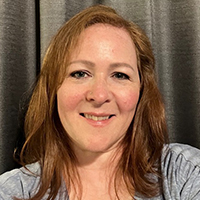
Biography
I have been a nurse for 28 years, beginning with two years in medical-surgical before transferring to perinatal at BC Women's Hospital. After raising my four boys and finding more time to dedicate, I became actively involved with the union. I have served as a steward for three years, temporarily filled the Mental Health role, and most recently have been Regional Treasurer for the past two years.
I am passionate about engaging members in the union and supporting the implementation of safe staffing ratios.
If re-elected as Regional Treasurer, I am committed to doing my best in this role, with a strong dedication to continuous learning and improvement.
Role based questions
- What experience do you have with budgeting, financial oversight, or reporting, and how will you ensure members’ dues are managed responsibly and transparently?
I have served as Regional Treasurer for the past two years and have developed strong skills in budgeting and financial oversight for our region. I have prioritized transparency by regularly sharing budget updates with the regional executive and addressing any questions from members in an open and timely manner. I am committed to ensuring members' dues are managed responsibly by adhering to BCNU's financial policies and supporting and guiding members to submit reimbursement claims correctly. - What financial tools or systems have you used, and how would you use technology to improve accuracy, reporting, or accessibility of regional financial information?
I have experience with NetSuite, Formstack, Excel, and processing salary and expense reimbursements through Boomi via the member dashboard. I’ve created PowerPoint presentations to share regional budget reports. Continuing as treasurer will strengthen my skills with these systems and improve my accuracy in applying budget codes to ensure proper allocation of spending. - How would you explain a difficult or controversial financial decision to members in a clear, accessible, and respectful way?
I would communicate difficult financial decisions to members in a clear and thoughtful manner, outlining the rationale, key considerations, and any relevant pros and cons. I would explain the steps taken throughout the decision-making process to provide transparency and context.
I am committed to fostering open dialogue and would welcome questions and feedback from members, recognizing that their perspectives can offer valuable insights and help inform future financial decisions. - Describe a time you had to question a financial decision or raise concerns about governance or spending. What guided your approach?
A member left a meeting early and did not fulfill the required hours to qualify for a full-day reimbursement, I addressed the matter by consulting with my Regional Council Member to ensure alignment with policy. I was unable to approve a full union leave for the partial attendance and the member was advised to accurately log the hours they did attend and to submit additional eligible hours to meet the requirements for union leave. This approach ensured accountability and adherence to policy. - When there are disagreements about spending priorities, how would you manage conflict while upholding union values and maintaining trust?
When disagreements arise regarding spending priorities, I first refer to established policies to ensure all decisions align with BCNU guidelines. I then engage in open and collaborative discussions with the executive team to review our current budget position and assess upcoming union events and activities that require funding. This approach ensures that decisions are balanced, transparent, and made with both fiscal responsibility and member needs in mind. - How do you see the Treasurer working with other regionally elected leaders, Council and BCNU staff to support effective regional governance?
The Treasurer works collaboratively with other regionally elected leaders, Council, and BCNU staff to develop an annual budget that reflects both the needs of the region and the broader provincial priorities outlined in BCNU's strategic direction. Ongoing education and active participation in the annual budgeting process are essential for maintaining transparency and a strong understanding of the work within BCNU. - Why do you want to serve in the role of Regional Treasurer, and how will you ensure your decisions consistently reflect the needs, equity considerations, and voices of members all while supporting BCNU's Strategic Directions?
I would like to continue serving in my role as Regional Treasurer for Shaughnessy Heights to further strengthen my knowledge of fiduciary policies and procedures within BCNU. If elected, a top priority will be to plan and implement meaningful outreach to our members, guided by BCNU's strategic directions, while maintaining strong fiscal responsibility. I look forward to the opportunity to continue in this role, advocating for our members and encouraging engagement across our region. - How has your understanding of the principles of diversity and/or equity and/or inclusion evolved?
My understanding of diversity, equity, and inclusion has evolved through recognizing the ongoing work I need to do in this area. While I have always been an advocate for DEI and respectful of others' differences, my experience representing members as a steward-and hearing firsthand accounts of their experiences-has highlighted the many complex layers of DEI issues. This has prompted me to pursue additional courses to deepen my understanding of members' perspectives. - How do you ensure your decisions are informed by evidence, member input, and long-term effects rather than urgency or pressure?
I regularly reference policies and bylaws, then reflect on what has worked well in our region-and what has not. I actively listen to members' ideas and concerns and bring them forward to the executive for discussion, helping to facilitate thoughtful and effective change. I also closely monitor budget spending to ensure we remain within our limits and communicate available funds as needed.
BCNU Election Candidate Attestations
All regional candidates have affirmed yes to attestations (1-9) below:
- I am a member in good standing of BCNU, with no outstanding disciplinary proceedings, and meet all BCNU Constitutional and Bylaw eligibility criteria for the position I am seeking.
- I commit to upholding BCNU’s Constitution and Bylaws and the Policies and Procedures, and will engage in ethical, respectful, and inclusive conduct during the election and throughout any term in office.
- I have reviewed and understand the fiduciary duties and responsibilities as described in Policy 2.0.1 and in the job description, including the duties of care, loyalty, compliance, confidentiality, and accountability to BCNU’s vision, mission, values, and members.
- I affirm that I will protect and safeguard any member information, BCNU internal documents, or confidential records that may be made available to me during the course of this election or while in office.
- I will disclose any real, perceived, or potential conflicts of interest prior to or during my candidacy and, if elected, will comply with all conflict-of-interest policies and governance requirements.
- I have reviewed and understand the election code of conduct as stipulated in Policy 2.0.7, including the guiding principles for BCNU elections, candidate and BCNU member roles and responsibilities, and the rules pertaining to campaign materials.
- I will not engage in any campaigning, communications, or actions that may be reasonably understood to involve misinformation, personal attacks, or harassment, and I understand that such behaviour may result in immediate removal from the election process.
- I hold current registration in good standing with the British Columbia College of Nurses and Midwives (BCCNM) and confirm there are no current findings of professional misconduct, suspension, or conditions on my nursing license.
- I understand that all attestation statements are subject to verification by the BCNU Nominations Committee, and false declarations may result in immediate disqualification from candidacy or immediate removal from elected office.