

 South Islands
South Islands Regional Executive Election Results
Regional Council Member
Caitlin Jarvis - Elected - 1,281 votes
She, her, hers

Biography
I've been a nurse for 16 years, with a recent focus in community health. I have over ten years with BCNU as a Worksite Steward, Steward Liaison, Full-Time-Steward, and now as Regional Council Member. I've helped advance minimum nurse-to-patient ratios, and while activation has begun, there is still significant work ahead across all healthcare settings. I am committed to building on the work of advancing ratios and addressing other key priorities identified by members while holding all parties accountable so frontline nurses see real impact. I've worked to ensure nurses' voices are not only heard, they shape decisions that impact our working conditions. I will continue to approach advocacy with honesty, transparency and integrity.
Role based questions
- What do you see as the primary role of a regional council member in a member-driven union?
As a current Regional Council Member, my primary role is to ensure members' voices lead. Listening, representing, and bringing member priorities forward to shape union decisions. It includes advocating within BCNU and externally with employers and government to advance safe staffing, better working conditions, and quality patient care, while building an engaged and empowered membership and ensuring members see how their voices are reflected in the work and decisions of the union. - What is the single most important value a regional council member must have, and why?
Accountability. In a member-driven union, we answer to members. That means being transparent, communicating openly, and following through. As a Regional Council Member, it's my responsibility to represent members' voices, uphold union decisions, and report back to the board clearly. In my work on minimum nurse-to-patient ratios, I've prioritized ongoing communication, elevating the issues of frontline realities, and ensuring members see how their input shapes decisions and drives progress. - How can technology be used to strengthen member engagement, democratic participation, and accountability in the union - and what safeguards are necessary to ensure equity, privacy, and trust?
Making it easier for members to access information, share feedback, & stay connected strengthens engagement. As liaison for the Young Nurses Network, I've supported the need for a BCNU app & stronger social media to support campaigns & engagement. Progressive technology strengthens accountability through transparency & accurate reporting. Technology safeguards matter-protecting privacy, using secure platforms, being clear about data use, & ensuring equitable access so all members can participate. - Describe your approach to listening to members who may feel unheard, marginalized, or frustrated with BCNU?
My approach is to listen to understand, not just respond. When members feel unheard or frustrated, I acknowledge their experience while staying grounded in what we can influence. I don't avoid hard conversations; those are where important work happens. I create space for honest dialogue, bring forward diverse voices, and ensure members see how their input shapes decisions so they feel heard and reflected in the work. - How do, or would, you approach conflict (i.e., between members within regional teams and/or Council, or between BCNU and the employer) while maintaining professionalism and fairness?
My approach to conflict is to stay grounded in facts, curiosity, and respect. Focus on understanding perspectives and take responsibility for how I show up. I aim to not take things personally and address issues early with clear, honest communication. I've navigated difficult conversations in this role while staying focused on members' best interests. I approach conflict with professionalism, fairness, and integrity to move things forward and maintain trust, even when it's uncomfortable. - How do you balance representing the will of members with responses to uphold bylaws, policy, collective agreements, and human rights obligations?
It starts with listening to understand what members are asking for, then applying our bylaws, collective agreement, and human rights obligations. My role is to be honest about where there's alignment and where there are limits. I focus on clear, direct communication so members understand the "why" behind decisions. It's about strong governance, fairness, consistency, transparency, and accountability, while ensuring members feel heard, respected, and informed. - What past experience best prepares you for this role as regional council member, and what lessons from that experience will guide your work?
As current Regional Council Member with experience as a Steward Liaison, Full-Time Steward, and worksite steward, I've advanced work that impacts members through both BCNU & joint employer-union committees. I've moved important work forward, including ratios, while recognizing not all members have felt immediate impact. The lesson is that there is still more work to be done. I am committed to continuing to advance the work while holding all parties accountable to deliver real change for members. - How do you communicate complex or controversial decisions to members in a way that builds trust, even when members disagree?
I'm clear, honest, and direct. I explain the context, what informed the decision, and the "why." I make space for questions and feedback and ensure members have opportunities to engage and be heard. I've been intentional about rebuilding trust by showing up consistently, being transparent, and communicating in a way members expect and deserve. Trust is built on follow-through, open communication, and ensuring members feel informed, respected, and heard, even when they disagree. - How do you ensure your decisions are informed by evidence, member input, and long-term considerations, rather than urgency or pressure?
I understand the limitations of reactive decisions driven by urgency or pressure. Instead, I take a measured approach grounded in good governance, gathering evidence, always considering experience of frontline members, working with activists & regional teams to bring forward different perspectives. I focus on long-term, sustainable change, consider broader impacts, & work to mitigate risk. It's about being thoughtful, informed, and accountable so decisions support members now and into the future. - Describe a concrete example where you used technology to improve communication, decision-making, or organizing. What worked, what didn’t, and what would you do differently as a union leader?
At regional meetings/dinner meetings & walkabouts, I used Slido to engage members & gather input from a broader range of voices to help inform bargaining priorities ahead of the Regional Bargaining Conference. What worked was making it easier and more accessible for members to participate and share real-time feedback. What didn't always work was consistency and ensuring all members were reached. Going forward, I would focus on more coordinated, inclusive strategies to improve access & engagement. - How do you guarantee culturally sensitive interactions with your members?
I aproach interactions with respect, curiosity, & willingness to listen. Recognize members bring different lived experiences, perceptions & sensitivities. I'm committed to ensuring that those voices are heard. I'm mindful of how I communicate, using clear, inclusive language, creating space for conversation, & adjusting my approach. Prioritize being present & accessible, so members feel comfortable coming forward. My approach is to be accountable, continue to learn, & reflect on & shift my bias. - How has your understanding of the principles of diversity and/or equity and/or inclusion evolved?
My understanding has evolved through my experience in this role, conversations with members, education, & collaborative work with BCNU HRE caucuses. I see the importance of not just representation but actively removing barriers and creating space for all voices. It's challenged me to reflect on how I show up. As a result, I am more intentional in how I communicate, engage, and make decisions. It's ongoing work, and I'm committed to continuing to learn so all members feel respected and included.
Technical Questions
- What is your experience with Microsoft Word, Excel, and Outlook and what is your ability and willingness to learn new computer platforms and applications (e.g. BoardEffects, Expensify, Formstack, Ceridian Dayforce, ZOOM, Box, etc.)?
I have strong experience with the Microsoft Office suite and have used all organizational platforms throughout my term. I'm comfortable navigating these systems to support communication, coordination, and day-to-day work. I'm adaptable and open to new tools, while bringing experience to step into the role and seamlessly continue the work without additional onboarding. I am focussed on advancing technology within the organization to improve efficiency, communication, and member engagement. - Where and how have you developed your historical and technical base of understanding in all areas of the union’s work including bargaining and BCNU policies and procedures?
During my 13 year involvement with BCNU I have gained historical understanding, including my current term as a Regional Council Member, I've supported regional & provincial bargaining conferences & contributed to Council discussions on bargaining. On the Council HR Committee, I've gained technical experience reviewing member and staff policies and making recommendations. Governance education has further strengthened my understanding of how policy guides Council work and decision-making in BCNU. - How would you describe your understanding of budgets and financial statements and the general structure and function of BCNU’s financial systems as well as the broad economic picture of BCNU?
I am committed to fiduciary responsibility by ensuring member dues are used responsibly. In my role, I help oversee a large budget and make decisions aligned with BCNU policies both regionally and provincially. I review financial statements, ask questions, and ensure spending supports member priorities and long-term sustainability. I understand the broader financial structure of BCNU and the importance of balancing current needs with future stability through sound, accountable decision-making.
Carly Koeppen - 820 votes
She, her, hers
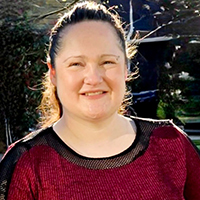
Biography
I am a nurse and dedicated BCNU advocate focused on amplifying members' voices and advancing their interests. Since becoming a steward in 2018, I have represented members across diverse care settings, advocating for fair treatment and enforcing the collective agreement.
Active with BCNU since 2015, I have held roles on the regional executive, in OHS, and at the provincial level, all grounded in one priority: ensuring every member, across every sector, specialty, and workplace, has a voice. I am passionate about inclusivity and breaking down barriers so all members feel represented and supported.
I am running for Regional Council to provide focused, dedicated leadership that listens, follows through, and stands up for you.
Role based questions
- What do you see as the primary role of a regional council member in a member-driven union?
I see the primary role of a regional council member as advocating for members. This involves having a broad understanding of regional concerns and the ability to effectively represent and translate those perspectives at the provincial level. An RCM is responsible for advocating for all members within their region and in the province. - What is the single most important value a regional council member must have, and why?
I believe accountability is the single most important value an RCM must possess. The role is largely self-directed and independent, requiring a high degree of both professional and personal accountability. To me, this means taking initiative to develop leadership skills, strengthen and remain active in contract knowledge, understand internal union processes, and remain committed to the growth and advancement of the region. - How can technology be used to strengthen member engagement, democratic participation, and accountability in the union - and what safeguards are necessary to ensure equity, privacy, and trust?
Technology allows us to reach and engage more members than ever. From hosting Zoom meetings to include members from farther away, to using social media to boost engagement, we can ensure members have accurate and timely information. We also have a duty to maintain member confidentiality on these platforms and safeguard democratic processes from dispute. We must also ensure members are encouraged to use authenticated and verified sources for information. - Describe your approach to listening to members who may feel unheard, marginalized, or frustrated with BCNU?
My consistent approach in this is to seek understanding. When acting on behalf of the Union, I believe it is my job to advocate for those who are unheard, marginalized, and frustrated and to better understand what could be improved or be done differently. It is my goal to continuously learn how to better serve the membership. - How do, or would, you approach conflict (i.e., between members within regional teams and/or Council, or between BCNU and the employer) while maintaining professionalism and fairness?
As a principle, I first aim to resolve conflict by understanding if it stems from a miscommunication. I would determine whether I have any conflict of interest in the matter, and if so, I would seek guidance from an appropriate person. Next, I would consult policy to determine the appropriate steps. If the matter requires a mediated conversation, I would support all individuals involved to ensure they feel comfortable, using available resources. I believe these issues require a direct approach. - How do you balance representing the will of members with responses to uphold bylaws, policy, collective agreements, and human rights obligations?
I believe the will of the members directs the will of the union, which is why it is important to have a broad understanding of both regional and provincial concerns. It is the duty of union representatives to uphold bylaws and policies, advocate for contract enforcement, and continuously promote progressive improvements in human rights. It is also essential to reflect on and evaluate whether the current state remains relevant, and to implement improvements as needed. - What past experience best prepares you for this role as regional council member, and what lessons from that experience will guide your work?
I have been an active steward since 2018, representing members across long-term care, acute, community, and tertiary. I have developed initiatives such as BCNYou, OHS, New Nurses, and Leadership meetings, and maintain an active LTD Network. I bring regional and provincial perspectives and advocate fiercely for members. I have served as RCM, Mental Health Representative, Lobbyist, and Bargaining Committee. Lessons that guide my work are patience, consistency, and unyielding determination. - How do you communicate complex or controversial decisions to members in a way that builds trust, even when members disagree?
I do not aim to sway opinions, but I ensure members have accurate and factual information. Whenever possible, I provide evidence to support my points and always follow up as needed. I communicate clearly, keeping information concise and easy to understand, while remaining open to all perspectives and new ideas. If there is disagreement or differing perspective, I seek to understand their point of view. - How do you ensure your decisions are informed by evidence, member input, and long-term considerations, rather than urgency or pressure?
The importance of making well-informed decisions highlights the value of maintaining both a historical and provincial perspective. It also underscores the lasting impact decisions can have, from individual members to provincial outcomes. I am a firm believer in carefully assessing situations and consulting with affected parties to ensure matters are fully understood and decisions are appropriately measured. I also advocate for timely evaluation to support continuous learning and improvement. - Describe a concrete example where you used technology to improve communication, decision-making, or organizing. What worked, what didn’t, and what would you do differently as a union leader?
I have created, organized, and maintain the South Island LTD Network using technology, enabling regular meetings via Zoom and ongoing communication through email. We are able to host a variety of valuable guests using this method. Members on LTD are often disconnected from the workplace and colleagues, making them hard to reach. This initiative has been highly effective, and if I could change anything, I would have started it much sooner to better support these members. - How do you guarantee culturally sensitive interactions with your members?
I ensure culturally sensitive interactions by respecting diverse perspectives and applying BCNU values of equity, inclusion, and advocacy. I strive to understand members' backgrounds, avoid assumptions, and identify how I can contribute to solutions or progress initiatives. I also seek guidance from colleagues and the wisdom of those who came before me. - How has your understanding of the principles of diversity and/or equity and/or inclusion evolved?
Through my work as a steward, I have learned that inclusion requires more than making fair decisions. It means recognizing systemic barriers that may prevent or limit voices from being heard. I have gained awareness of how my experiences shape my approach and strive to reflect and use this understanding to support equitable outcomes for all members. I endeavour to include diverse perspectives and invite participation from all backgrounds, with the aim to ensure equity.
Technical Questions
- What is your experience with Microsoft Word, Excel, and Outlook and what is your ability and willingness to learn new computer platforms and applications (e.g. BoardEffects, Expensify, Formstack, Ceridian Dayforce, ZOOM, Box, etc.)?
I have a thorough knowledge of Word, Excel, Outlook, Zoom, Box, Formstack and a working knowledge from previous work in Dayforce, BoardEffects, Expensify. I am willing and able to learn new programs quickly. - Where and how have you developed your historical and technical base of understanding in all areas of the union’s work including bargaining and BCNU policies and procedures?
I have developed relationships with those who have historical knowledge within the Union and actively learn from their experience. I have familiarized myself with both the operational and member advocacy sectors of BCNU to serve members more effectively. I currently serve on the Bargaining Committee and work to review policies and procedures as applicable to my role. I also work to understand BCNU's relationship with the broader labour movement, unions, and advocacy for workers everywhere. - How would you describe your understanding of budgets and financial statements and the general structure and function of BCNU’s financial systems as well as the broad economic picture of BCNU?
I am well versed in the regional budget and, appropriate to my role, maintain a working understanding. BCNU's financial structure is transparent and accountable, with regular audits. The budget must align with policy and member priorities. Regionally, we follow provincial strategic goals and integrate local priorities while ensuring member dues are used responsibly. As a public-sector union, we represent healthcare workers whose work impacts patients and communities across the province.
Laura Martin - Elected - 1,163 votes
She, her, hers

Biography
I would be grateful for your vote. For the past 4 years, I've proudly served as the full-time steward at VGH, where I have continued to learn & grow while building a strong, diverse steward team that supports over 1100 nurses.
I've been a nurse for 16 years with experience in med/surg, emergency & community care. I'm deeply committed to advocacy, leading with integrity, collaboration & respect within an inclusive environment. I believe in visible engagement that connects with our membership & am seeking the opportunity to further strengthen communication & representation in our region. This includes determining new ways of connecting with nurses to improve involvement. Your vote will make a difference & I appreciate your consideration.
Role based questions
- What do you see as the primary role of a regional council member in a member-driven union?
To provide collaborative leadership by working with the provincial and regional executives while ensuring the realities and concerns of nurses in the region are clearly represented at the Provincial Executive Committee. This role also requires balancing regional advocacy with responsibility to the broader membership, upholding fiduciary duties and maintaining transparency and open communication to keep members informed and engaged. - What is the single most important value a regional council member must have, and why?
Integrity is the most important value a regional council member must have. In a leadership role, it is essential to be a consistent steward of members' trust and union resources. My experience in the financial sector and as a nurse over the past 16 years has reinforced that without integrity, expertise is meaningless. It requires consistently doing what is right for the collective, even when it is difficult. - How can technology be used to strengthen member engagement, democratic participation, and accountability in the union - and what safeguards are necessary to ensure equity, privacy, and trust?
By removing geographical barriers & enabling broader access to union processes. It's essential to ensure digital equity so members who are less tech-savvy aren't excluded. With approx 50% of members having less than five years of experience, improving access across multiple platforms (including long-promised enhancements to the member portal) is critical to meaningful engagement. Safeguards such as multi-factor authentication and strict adherence to privacy legislation are imperative. - Describe your approach to listening to members who may feel unheard, marginalized, or frustrated with BCNU?
Active listening with curiosity, without defensiveness, meeting members where they are: through in-person interactions whenever possible. Members often become frustrated when they feel like just a number. In my current role I've learned that acknowledging specific concerns and providing clear, honest timelines for action is essential, even when the answer is not what the member hoped to hear. This transparency is the first step in rebuilding trust and connection. - How do, or would, you approach conflict (i.e., between members within regional teams and/or Council, or between BCNU and the employer) while maintaining professionalism and fairness?
I approach conflict with integrity, professionalism & respect, while remaining open to listening and understanding all perspectives. In my current role as a full-time steward over the past four years, I've navigated conflict daily and learned that it's not inherently negative & can be an important catalyst for change when managed constructively. My intention is to be direct, fair, and solution-oriented, while ensuring all parties feel heard and respected throughout the process. - How do you balance representing the will of members with responses to uphold bylaws, policy, collective agreements, and human rights obligations?
Through clear communication, understanding & education. When members understand the foundations that guide decision-making (including bylaws, policy, and labour law), they are better equipped to engage meaningfully, advocate for change where possible, and understand when constraints exist. This transparency helps foster inclusion, trust and informed participation. - What past experience best prepares you for this role as regional council member, and what lessons from that experience will guide your work?
Previously worked in the financial industry managing 100's of clients, handling both corporate & personal financial matters involving significant sums of money. For the past 4 years I've worked as a FT steward, supporting approx 1,100 nurses. In this role, I have built, grown & mentored a team of stewards & OH&S reps. These experiences have reinforced that that effective leadership is not about having all the answers, but about empowering others through clear communication, trust & collaboration. - How do you communicate complex or controversial decisions to members in a way that builds trust, even when members disagree?
I explain the process of how a decision was reached and what data was used with direct and honest communication. Trust is built when members see that even if they disagree with the outcome, the process was fair, inclusive and grounded in the collective agreement, policies & established procedures. - How do you ensure your decisions are informed by evidence, member input, and long-term considerations, rather than urgency or pressure?
Using a measured, evidence informed approach to decision making, grounded in data, prior experience & member input rather than urgency or pressure. When situations feel urgent, I intentionally create space for pause & reflection. This includes consulting with team members, considering member perspectives & reviewing historical context. I feel strongly that this approach helps ensure we're not only responding to immediate issues but also addressing root causes & preventing future challenges. - Describe a concrete example where you used technology to improve communication, decision-making, or organizing. What worked, what didn’t, and what would you do differently as a union leader?
I used digital communication tools to help organize a successful rally at an elected official's office. These tools enabled coordination, outreach & engagement, resulting in the participation of over 100 people. What worked: the speed & reach of communication, which allowed us to mobilize quickly. Challenging: ensuring consistent messaging & timing across all channels. Next: I would take a more structured approach today by better aligning communication with union resources - How do you guarantee culturally sensitive interactions with your members?
I can only guarantee how I show up, with intention, curiosity & integrity. Culturally sensitive interactions begin with cultural humility & the recognition that I don't know every member's lived experience.
I strive to use inclusive language & approach all interactions with respect. When addressing sensitive or complex issues, I seek guidance from DEI stewards, LR and/or relevant caucuses to ensure my actions & representation are informed, respectful & appropriate. - How has your understanding of the principles of diversity and/or equity and/or inclusion evolved?
Through both experience & ongoing education. We all come with lived experience and perspectives shaped by our families and communities. Since joining BCNU, I have shifted from viewing equality as treating everyone the same, to understanding equity as providing people with what they need to succeed. I now also recognize that addressing systemic barriers requires more than good intentions or leading by example, it requires intentional policy change and sustained action.
Technical Questions
- What is your experience with Microsoft Word, Excel, and Outlook and what is your ability and willingness to learn new computer platforms and applications (e.g. BoardEffects, Expensify, Formstack, Ceridian Dayforce, ZOOM, Box, etc.)?
I've been working with Microsoft word, excel and outlook for a few decades so feel I'm competent with daily use. Zoom and formstack have been used regularly in my current role. Technology quickly changes and updates/improvement come out, so I have been seeking a course to improve proficiency in these. Any other platform can be learned to become proficient, with the appropriate onboarding. - Where and how have you developed your historical and technical base of understanding in all areas of the union’s work including bargaining and BCNU policies and procedures?
Through both my clinical practice as a nurse & my progressive involvement as a union advocate, beginning as a ward rep, steward, and JOHS rep & later serving as a regional nomination rep & for the past 4 years as a FT steward at VGH. I've also strengthened my knowledge through participation in conventions, bargaining conferences & BCNU education, including Steward Essentials & Intermediate, Crucial Conversations and multiple OH&S, cultural safety and DEI courses. - How would you describe your understanding of budgets and financial statements and the general structure and function of BCNU’s financial systems as well as the broad economic picture of BCNU?
Prior to becoming a nurse, I worked in the financial industry for several years, where I developed a strong understanding of budgets & financial statements, which remains one of my core strengths.
I also understand the broader economic context in which the union operates, including how factors such as inflation can impact the defense fund and bargaining capacity. I have further developed my understanding of the union's financial structure and remain committed to ongoing learning in this area.
Communications Secretary
Rupinderjit Badh - 542 votes
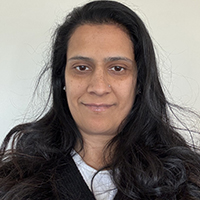
Biography
I am a Registered Nurse with 16 years of experience and hold a Master's degree in leadership. In addition, I have served as an active steward for the past three years. I understand the value of collaboration in achieving strong communication outcomes. Working with members, colleagues, and leadership has shown me that effective messaging requires coordination, consistency, and shared understanding.
I bring a combination of extensive nursing experience, advanced leadership education, and practical union experience as a steward. I am committed to strengthening communication that is clear, consistent, transparent, and member-focused.
Role based questions
- How would you ensure regional communications are timely, accurate, and accessible to members with diverse needs and communication preferences?
Making regional communications a priority ensures they are delivered in a timely manner, giving members adequate time to review information and make informed decisions. To maintain accuracy, I would carefully review all materials and follow up with the regional executive team if clarification is needed. Communication would be crafted to be clear, concise, and accessible, ensuring all members-including those with diverse needs-can easily understand the content. - What tools or platforms have you used for newsletters, social media, or websites, and how would you use them to strengthen member engagement?
For social media, I have used Facebook and Instagram to share timely updates.
As Communication Secretary, I would use these and new tools to strengthen engagement by maintaining consistent/clear communication. Providing members concise and relevant information they would need to make informed decisions. - How would you communicate difficult or controversial decisions while maintaining transparency and member trust?
Communicating difficult or controversial decisions requires clarity, honesty, and a commitment to transparency. It's important to provide members with the necessary information, including the reasoning behind the decision and how it was reached. Acknowledging the impact of the decision-especially where it may create concern or disagreement-demonstrates respect and understanding, which can be done by being honest, direct, and informative. - If misinformation begins circulating among members, how would you respond quickly and responsibly?
I would speak to the RCMs, verifying the correct information to ensure accuracy. Then I would address the misinformation directly by clearly stating what is incorrect and providing the verified facts. - How would you work with other regionally elected leaders, Council, and BCNU staff to ensure consistent messaging across the region?
Having served as a steward for the past three years, I understand the importance of open communication. Effective collaboration with regionally elected leaders, Council, and BCNU staff is essential to determine what information needs to be shared with members and when. By working together to align messaging and priorities, we can ensure communications are timely, accurate, and relevant. - How do union values such as integrity and solidarity inform how information is shared?
Together, these values keep members connected and engaged by emphasizing trust and strong relationships. The focus is not just on what is communicated, but how it is communicated. Sharing information that is accurate, truthful, and timely reflects integrity, while ensuring communication is inclusive and respectful helps build solidarity. By prioritizing both, communication becomes a tool to strengthen unity and reinforce trust among members. - Why do you want to serve in the role of Communications Secretary, and how will you ensure communications reflect member priorities and BCNU's Strategic Directions, rather than personal opinions?
In my experience as a steward, I've seen how effective communication can strengthen trust, reduce confusion, and help members feel connected to their union and to each other. I'm motivated to contribute to that by ensuring members receive information they can rely on and act on. The messaging would be approved and verified information from BCNU. I would collaborate closely with regionally elected leaders to ensure accuracy. - How has your understanding of the principles of diversity and/or equity and/or inclusion evolved?
For me, it is ensuring communication is accessible, clear, and meaningful to all members-not just those who are already highly engaged or have fewer barriers to access. That includes being mindful of language, tone, timing, and the platforms used so information reaches members in a way they can actually engage with.
Diversity/Equity and Inclusion are principles that guide how I communicate, make decisions, and support members. - How do you ensure your decisions are informed by evidence, member input, and long-term effects rather than urgency or pressure?
I would ensure information is verified through RCMs and BCNU before moving forward. Rather than responding reactively, I would take a reflective approach before proceeding with communication to members. This allows time to confirm accuracy, consider member input where appropriate, and ensure decisions are informed, consistent, and aligned with organizational priorities.
Lanaea Gonzales - Elected - 1,219 votes
She, her, hers

Biography
I've been your Communications Secretary since 2019, and I'm just as passionate today as when I started. As an LPN with experience in acute, long-term care, and community, I know how much we rely on honest info to do our jobs safely. I'm proud to be on the South Islands executive team and even prouder to help my colleagues find their voice as advocates.
My goal is to keep us connected and strong. Whether it's through email, walkabouts, events, or social media, I'll meet you where you're at to get you the facts quickly. I believe transparency builds trust, and I'll ensure our unique South Islands voice is heard while staying aligned with BCNU goals. Let's keep building our solidarity together.
Role based questions
- How would you ensure regional communications are timely, accurate, and accessible to members with diverse needs and communication preferences?
I will continue prioritizing our South Islands team charter by sticking to a 72 hour email turnaround. I believe in meeting members where they're at, so I use a mix of email, the website, and BCNU approved social media to keep info accessible. My goal is always to keep our updates accurate and timely while using clear, plain language. By staying proactive and listening to your feedback, I'll ensure every nurse in our region stays informed and connected in the way that works best for them. - What tools or platforms have you used for newsletters, social media, or websites, and how would you use them to strengthen member engagement?
As the current Communications Secretary, I use our BCNU Facebook account to share regional updates in real time and frequently direct members to the BCNU website for the most accurate info. I know not everyone is tech-savvy, so I focus on using these platforms to bridge the gap, making sure our content is easy to find and share. - How would you communicate difficult or controversial decisions while maintaining transparency and member trust?
I believe the best way to handle difficult decisions is in person whenever possible. This allows us to navigate questions together in real time, so that nothing can get lost in translation. A follow up email is also beneficial. By being present and open to tough conversations, I can ensure that even when we disagree, the process remains transparent and that members feel heard and respected. - If misinformation begins circulating among members, how would you respond quickly and responsibly?
I believe in addressing misinformation directly and quickly to stop speculation. My approach is to communicate a clear fact check through the appropriate channel, pointing members back to BCNU approved sources for the truth. - How would you work with other regionally elected leaders, Council, and BCNU staff to ensure consistent messaging across the region?
I work closely with our South Islands regional council members to ensure all messaging is consistent before it goes out. I also value connecting with other regional communications secretaries to align our workflows provincially. - How do union values such as integrity and solidarity inform how information is shared?
I believe integrity means being honest and transparent with the information I share, even when it's difficult. Solidarity is about ensuring every member feels included and informed, which builds our collective strength. - Why do you want to serve in the role of Communications Secretary, and how will you ensure communications reflect member priorities and BCNU's Strategic Directions, rather than personal opinions?
I want to continue building solidarity so every member feels included. As a nurse, I understand the importance of professional boundaries. I ensure my personal opinions stay separate from my role by strictly following the provincial strategic directions and our annual executive planning. My priority is to be a clear, neutral channel for our unions collective voice, ensuring our regional messaging always reflects our shared goals. - How has your understanding of the principles of diversity and/or equity and/or inclusion evolved?
My understanding has evolved from just sharing information to ensuring it is truly accessible to everyone. I've learned that equity means meeting members where they are, whether that's through different tech platforms or using plain language. I now prioritize inclusive communication that bridges gaps and removes barriers to engagement. My goal is for every nurse in our region, regardless of their background, to feel informed, seen, and empowered to participate in our union. - How do you ensure your decisions are informed by evidence, member input, and long-term effects rather than urgency or pressure?
I believe in taking a measured approach by first understanding why a request is urgent and evaluating how it fits in the current priorities. I rely on member feedback and data to ensure decisions are rooted in reality rather than just immediate pressure.
Lobby Coordinator
Valerie Chamberlain – Acclaimed
She, her, hers

Biography
My name is Valerie Chamberlain and I am excited to put my name forward for the Lobby Coordinator role for the South Island Region. Having served as the Interim Lobby Coordinator over the past 6 month, I have had the privilege of supporting our members, building relationships and advocating on behalf of nurses across the province. This experience has deepened my commitment to advocacy and sparked a fire to continue to fight in a permanent capacity.
I am passionate about advocating for my regional nurses and for all nurses across BC. I believe strongly in the power of a collective voices to influence change. I am committed to ensuring members feel heard, informed and empowered. It would be an honour to continue to serve.
Role based questions
- What is the role of a Lobby Coordinator, and how does it support members’ interests?
Lobby Coordinator engages, advocates and educates through networking with members hearing their concerns, noting common themes and issues. Supports members to be active in voicing their concerns to leadership and local elected officials by educating on BCNU policies on respectful and constructive communication. They network with other Regions, Provincial Executive, elected officials and community leaders promoting union priorities and current campaigns; voicing the themes expressed by members. - How would you identify and prioritize political or legislative issues that matter most to members?
Through utilization of credible resources; I currently frequent the Legislature Assembly website reading current reports and the Hansard to track the local healthcare and nursing themes discussed. Review local, federal and global government news. Follow and read budget plans for the province. Follow other health affiliate unions and sites to connect their issues with BCNU; seeing if any common themes and what they are doing to ratify. Example: followed the latest Job Action voting and agreements. - How would you communicate BCNU positions effectively to elected officials or decision-makers?
Following BCNUs policies and procedures already curated I would utilize current researched union prepared materials via PowerPoint presentations. Creating clear and concise emails with members situations and stories, noting facts and data. When meeting face to face ensuring respective communication, having material notes to the point as time is not usually long. Follow up after meeting being grateful and highlighting key areas in the meeting. Reminding them nurses are voting members too. - How would you ensure your advocacy reflects BNCU's Strategic Directions rather than personal political views?
As a paying member of the nurses union and frontline critical care nurse; my wants/needs/wishes/views are what every other nurse aspires to achieve. Safer working conditions, respect, fair wages that reflect the cost of living in this province. As a member one hopes that BCNU's directions should reflect these views and embody inclusivity for all members of any race, religion, belief and so forth. It is hard not to be political when being passionate to fight for nurses rights and patients safety. - How would you work with members, regional elected leaders, coalitions, and community partners to advance BCNU goals?
Continually engagement and interactions at regional meetings, dinner meetings, unit walkabouts and events with members. With the Lobbyists under the VP Portfolio there is always communication of direction of campaigns and educational days on how to improve advocacy. Brainstorm with other region LC's. I will continue to email elected officials with my stories and my colleagues stories of what is really occurring. Bring the campaigns and situations to friend groups. Promote through social media. - How would you navigate political pressure while maintaining information and union integrity?
Follow BCNU's policies and procedures; ask for assistance from regional chairs or other Provincial Executive members to clarify; be familiar with labour law and the collective agreement, have the facts. Be transparent but strategically, leaving emotion or favoritism out. Remembering best interest is the members interest and members as a large diverse entity. Reframe language to principles and process and model our values. Be a leader that follows the Strategic Directions. - Why do you want to serve in the role of Lobby Coordinator, and how will BCNU values guide your political advocacy?
I have had the privilege as sitting as an Interim LC for past 6 months and would love to continue my advocacy for my colleagues, patients, their families and our communities. I have a fire in me now, more then ever to get members to engage more and to stand up for ourselves and gain the respect and safe work we deserve. Many of my values are BCNU's values because we are a member driven union; so it comes natural we want the same thing for this amazing profession. Power in solidarity. - How has your understanding of the principles of diversity and/or equity and/or inclusion evolved?
Through personal wanting to be better at fostering belonging and understanding, I have taken many steps to further educate myself. The courses and union principles of inclusion has strengthened my ability to look at peoples lived experiences as their own and reflect how I can support their values and needs through asking questions. Creating genuine bonds and collaborating with the HRE Reps has given insight into those members struggles and allows to support. - How do you ensure your decisions are informed by evidence, member input, and long-term effects rather than urgency or pressure?
I thoroughly read all updates from my emails; print off union base information from the website to post on my unit board and utilize union resources including the collective agreement and bargaining app to ensure I am getting the utmost correct information to make decisions. I attend all regional meetings and dinner meetings; give feedback when asked and reach out to members of my regional team to clarify any questions or concerns I might have. I am not into pressure tactics and take my time.
Mental Health Representative
Ashlee Kiraly – Acclaimed
She, her, hers

Biography
I am a Licensed Practical Nurse with 17 years of experience in a long-term care setting. I have served as a Mental Health Representative since 2022 and am committed to promoting mental health awareness, reducing stigma, and fostering open, respectful, non-judgmental dialogue. I will support members through education and the use of resources such as the Psychological Injury Guide, and by encouraging timely reporting of workplace incidents to ensure workplace factors affecting mental health are recognized and addressed. I aim to create a safe environment where members feel supported, heard, and able to access timely, compassionate support.
Role based questions
- What do you see as the key responsibilities of a Mental Health Representative within the union?
As a Mental Health Representative, key responsibilities include advocacy, education and member support. This role involves raising awareness of psychological health and safety concerns and connecting members to the appropriate resources. It also includes providing education on mental health, guiding members through the incident reporting process, and sharing relevant information. Building trust and maintaining confidentiality are central to ensuring members feel heard and supported. - How would you balance support for members’ mental health and BCNU's Strategic Directions?
Using the BCNU's Strategic Directions to guide my work, I would aim to balance supporting members' mental health while ensuring alignment with strategic objectives. By listening to and validating members' concerns, I intend to elevate issues to inform collective advocacy. I would promote available resources and educate members on their rights within the Collective Agreement, enabling timely resolution of concerns and access to consistent support. - How would you promote mental health awareness and reduce stigma among members?
I intend to promote mental health awareness through education, conversation, and access to resources. I would engage with members during site visits and regional meetings, share information on available supports, and encourage the use of BCNU resources such as the Psychological Injury Guide and the Supplemental Mental Health Benefit. I plan to help organize awareness initiatives and reduce stigma through open and respectful dialogue about mental health. - How would you respond when members are in distress or facing systemic mental health challenges at work?
I am dedicated to respond to members in distress with calm, non-judgmental support, and actively listening to ensure that they feel heard. I would assess immediate needs, connect them to the appropriate resources and provide guidance on the incident reporting process. When workplace issues emerge, I elevate concerns to address systemic issues. My focus is timely, informed support, while ensuring workplace factors impacting mental health are recognized and addressed. - How would you work with stewards, health and safety reps, regionally elected leaders, and BCNU staff mental health issues?
I am committed to working collaboratively with stewards, health and safety reps, regionally elected leaders, and BCNU staff to address psychological health and safety. My focus is on sharing information, promoting awareness, and escalating concerns as required. By identifying and addressing concerns, I will advocate for systemic improvements, while supporting individuals through a consistent and unified approach. - How do diversity, equity, and inclusion inform your approach to mental health advocacy?
Diversity, Equity, and Inclusion guide my mental health advocacy through my awareness that experiences differ based on identity, culture, and lived experience. I listen to understand each members' needs and consider barriers that may impact access to support. I use inclusive, respectful language, and create safe spaces for open dialogue. Through ongoing learning, I adapt my approach to ensure advocacy is equitable, responsive, and centered in dignity, respect, and fairness for all members. - Why do you want to serve in the role of Mental Health Rep, and how will you ensure members’ lived experiences shape your work?
I want to serve in this role to continue to support members and strengthen advocacy around mental health. I value connection, engagement, and creating spaces where members feel heard. I will ensure lived experiences shape my work by actively listening, identifying and addressing psychological health and safety concerns, and ensuring they are reflected in advocacy and action. I aim to support members in an inclusive, respectful, and compassionate manner. - How has your understanding of the principles of diversity and/or equity and/or inclusion evolved?
I initially viewed Diversity, Equity, and Inclusion primarily through the lens of equality. Through learning and listening to lived experiences, I have developed an understanding of how bias, privilege, and systemic barriers influence outcomes. I now approach this work with greater awareness and intention, prioritizing active listening and creating inclusive environments. I remain committed to ongoing reflection, learning, and meaningful action. - How do you ensure your decisions are informed by evidence, member input, and long-term effects rather than urgency or pressure?
I take a structured approach to decision making by gathering relevant information and seeking member input to understand impacts. Even under pressure, I prioritize informed, thoughtful decisions over quick reactions. I consider long-term effects to ensure decisions are sustainable and aligned with member needs. By balancing evidence, member input and future implications, I aim to make consistent, well-reasoned decisions that reflect accountability.
Occupational Health and Safety Representative
Andrea Beattie - Elected - 1,038 votes
She, her, hers
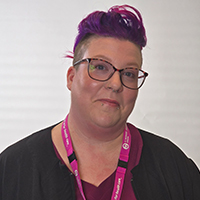
Biography
As the Regional OHS rep, my focus will be on connecting with nurses and fostering a culture where members feel confident speaking up about safety. I encourage use of tools like incident reporting and the Right to Refuse Unsafe Work, and support members in trusting their voices. After experiencing a workplace injury related to violence, I became committed to advocating for safer workplaces. I understand challenges navigating WorkSafe, EDMP, GRTW, and Duty to Accommodate.
My goal is to ensure every worksite has active, supported JOHS representation and that members feel heard, informed, and empowered. I will work alongside members and stewards to bring forward concerns, push for meaningful change and build safer workplaces together.
Role based questions
- What experience do you have with workplace health and safety, and how would you advocate effectively for safer workplaces?
I have experience working within a Joint Occupational Health and Safety (JOHS) committee, including Mental Health, and have supported a large site during a period of reform.
I advocate for safer workplaces by strengthening engagement, encouraging members to raise concerns, report unsafe conditions, and speak openly about mental health. I also prioritize collaboration with site leadership to proactively address issues and maintain environments that support both physical and psychological safety. - How do you stay informed about occupational health and safety legislation and best practices?
I stay informed by regularly reviewing new and updated occupational health and safety legislation and participating in relevant education and training opportunities.
When questions arise, I reference the OHS Regulation directly and consult trusted resources such as the BCNU OHS webpages and education to ensure my understanding is accurate and current. This approach allows me to apply both legislative knowledge and best practices effectively in the workplace. - How would you identify and prioritize health and safety risks affecting members in diverse workplaces?
I identify and prioritize risks by engaging directly with members in their workplaces to understand site-specific workflows, challenges, and concerns. I place strong value on member input, ensuring their experiences guide the development of tailored safety strategies.
My approach focuses on inclusive participation and encouraging as many members as possible to contribute so that solutions are practical, supported, and effective in creating safer work environments. - How would you handle disagreements with employers on safety issues?
I approach disagreements by remaining calm, respectful, curious and solution-focused. I recognize that employers have operational responsibilities and perspectives that may differ from those of workers.
By fostering open and constructive dialogue, I work to find common ground while keeping the shared goal clear; a safe workplace for both staff and patients. This balanced approach helps move conversations forward productively, even when viewpoints differ. - How would you explain safety rights or hazards to members and stewards in a clear and practical way?
I focus on keeping communication simple, practical, and action-oriented. If something feels ""off"" or unsafe, members should trust that instinct, pause, and raise the concern.
I would guide members to connect with their Full-Time Steward or Regional Executive and make them aware of their right to refuse unsafe work. I would also encourage familiarity with the language and process around refusal of unsafe work so members feel confident recognizing hazards and taking appropriate action. - How would you work with stewards, regionally elected leaders, Council, and BCNU staff to advance BCNU's Strategic Directions?
I actively work collaboratively with stewards, elected leaders, Council, and BCNU staff by developing a strong understanding of the Strategic Directions and the objectives set by Council.
Through professionalism and consistent leadership, I support aligning regional priorities with those strategic goals. As part of the Regional Executive, I would help ensure our region's work reflects these directions while also bringing forward member-informed priorities to guide planning for the year ahead. - Why do you want to serve in the role of Occupational Health and Safety Rep, and how will you ensure members’ safety concerns drive your work?
My commitment to this work began after I experienced a serious workplace injury related to violence, which motivated me to advocate for safer conditions for nurses. In this role, I would focus on educating members about their rights and empowering them to advocate for themselves. I would collaborate with elected leaders and staff to gather and analyze concerns, ensuring member experiences are reflected in practical resources and effective advocacy with employers. - How has your understanding of the principles of diversity and/or equity and/or inclusion evolved?
My understanding of diversity, equity, and inclusion has grown through listening to the varied experiences of members across workplaces and backgrounds. I recognize that safety is not experienced equally and that factors such as culture, language, role, and lived experience shape how supported members feel. I am committed to fostering inclusive spaces where all feel respected and empowered to raise concerns, and to ensuring health and safety advocacy reflects the workforce's diverse needs. - How do you ensure your decisions are informed by evidence, member input, and long-term effects rather than urgency or pressure?
I ground my decisions in evidence and member input by prioritizing accurate information, active listening, and thoughtful reflection before acting. I stay calm under pressure, focusing on facts while ensuring members feel heard and respected.
I recognize many concerns come from burnout or overwhelm, so creating a supportive space is essential. By balancing evidence with lived experiences, I make decisions that are responsive in the moment and sustainable and effective over time.
Cameron Westhead - 759 votes
He, him, his

Biography
As a nurse for 22 years, I'm still in awe of the professionalism shown to those in our care despite the most trying work environments. Too often though, we sacrifice our own safety and normalize hazards and incidents.
Just like airline passengers are told to don their own oxygen mask before assisting others, we too must be healthy and well to provide the best care.
After being the OHS Rep this past year, my objective is to advocate for solutions that prevent injuries, and to provide meaningful remedies when they do.
I hope to continue to encourage reporting of hazards and incidents so action can be taken, supporting JOHSC members, and raising awareness of BCNU resources to help members assert their right to a safe workplace.
Role based questions
- What experience do you have with workplace health and safety, and how would you advocate effectively for safer workplaces?
It's been an honour to serve in this role for the past year. I've attended many BCNU workshops, participated in walkabouts and awareness days at worksites, and collaborated with the Regional Executive on issues and priorities.
My focus is emphasizing reporting of hazards and incidents so the worker gets support and makes change.
I use BCNU resources such as the Psychological Injury Reporting Guide as well as relevant legislation and the collective agreement to ensure our rights are upheld. - How do you stay informed about occupational health and safety legislation and best practices?
I stay informed by using the WorkSafeBC regulation app, following BCNU and allied campaigns and education, and learning from incident reports and investigations.
I also connect with members and reps across regions to share ideas, successes, and challenges. Keeping up with the news to watch for changes in legislation and policy help me to get prepared to take advantage of upcoming opportunities and defend against threats to our rights. - How would you identify and prioritize health and safety risks affecting members in diverse workplaces?
The safest workplace is one that prevents injuries from happening at all. The best way to address hazards is to report them. The process must directly involve affected workers when seeking and implementing remedies so preventative measures based on the hierarchy of controls can be put in place and reduce risk.
I also speak with members at events like walkabouts, awareness days, and regional meetings to learn about their priorities and encourage reporting so they can be addressed and solved. - How would you handle disagreements with employers on safety issues?
The best way to keep workers safe is by mutual problem solving. If that doesn't get results I rely on the language in the collective agreement and OHS legislation. The right to a safe workplace is a law, not a fringe benefit.
Since the employer has a legal obligation to act, by working with BCNU staff and WorkSafe BC we can ensure that issues are addressed.
It's also important to follow up to ensure the employer acts on their responsibilities and not kick the can down the road. - How would you explain safety rights or hazards to members and stewards in a clear and practical way?
Airline passengers are advised to don their own oxygen mask before assisting others. So too must nurses first be healthy and well to deliver the best care.
The road to change is through reporting hazards and incidents. Concerns are investigated and a corrective action report ensues.
Whether an injury is straightforward or is sustained by repeated exposure to unhealthy workplaces, BCNU has many resources to help members and Stewards designed to help us exercise our rights. - How would you work with stewards, regionally elected leaders, Council, and BCNU staff to advance BCNU's Strategic Directions?
The wealth of expertise and knowledge within BCNU is vast. We collaborate among all levels of the organization to assist members in asserting their right to a safe workplace.
We do this together by sharing suggestions on collective agreement language to propose during bargaining to enhance the JOHSC process and associated remedies.
BCNU has many excellent resources such as the Psychological Injury Reporting Guide that are provided to members during walkabouts and events. - Why do you want to serve in the role of Occupational Health and Safety Rep, and how will you ensure members’ safety concerns drive your work?
I come from the perspective that an injury to one is and injury to all, and that a single injury is one too many. Injuries are preventable and the employer has an obligation to keep us safe.
We also have an obligation to make the employer aware of unsafe working conditions. Change starts when hazards and incidents are reported,
OHS also factors into retention of nurses who increasingly report thoughts of leaving the profession due to the strains they face on the job. - How has your understanding of the principles of diversity and/or equity and/or inclusion evolved?
Safety is experienced differently by everyone. It's important to promote awareness of cultural safety through education and involving diverse voices in decisions.
I recognize that racism and other forms of hate are a systemic workplace hazard for physical and psychological safety.
This means Indigenous and racialized workers have a higher incidence of experiencing violence and harassment, and that is not okay. I aim to be part of the solution using the JOHSC process to keep nurses safe. - How do you ensure your decisions are informed by evidence, member input, and long-term effects rather than urgency or pressure?
I use data from the reporting system to determine trends. BCNU has helpful resources to file effective reports and provide recommendations during investigations.
It's important to ensure long-term solutions are prioritized and not write the issue off after interim measures are implemented.
Referring to foundational documents like the collective agreement, OHS code and regulations, and JOHSC terms of reference help guide a constructive process. Worker input is critical to inform decisions.
Professional Responsibility Advocate
Vacant
Steward Liaison
Alexa Caton - 553 votes
She, her, hers

Biography
I bring a well-rounded background in union representation, having served as a BCNU Steward across community, long-term care, acute care, and public health settings. I have also worked as a full-time steward, supporting members through complex workplace issues and advocating for the fair and consistent application of the collective agreement. Additionally, I have served as a Labour Relations Officer and Member Educator, strengthening my ability to interpret agreements, navigate disputes, and support members through education. In my current role as Steward Liaison, I focus on mentoring stewards and strengthening member knowledge of their collective rights.
Role based questions
- What do you see as the primary responsibilities of a Steward Liaison, and why are stewards critical to a strong union?
Supporting the onboarding and development of new stewards by providing guidance, mentorship, and practical tools for success.
Working alongside stewards and members to uphold and protect member rights in the workplace.
Enhancing communication and collaboration between stewards, members, and union leadership.
Promoting consistency and confidence in the interpretation and application of collective agreements.
Continuing to foster a culture of solidarity, respect, and advocacy across all sectors. - How would you support stewards with varying levels of experience and confidence?
Meet stewards at their current level of experience and tailor learning opportunities to support their individual development.
Foster mentorship by pairing newer stewards with experienced stewards to support mutual learning and skill-building.
Encourage experienced stewards to share insights and knowledge from recent learning opportunities during Steward Education Days.
Promote and provide access to a range of learning opportunities so stewards can explore and engage in new areas of development. - How would you ensure information flows effectively between stewards, members, and regional elected leadership?
Ensure all information being shared is accurate, clear, and communicated in a consistent manner.
Recognize that email and email threads are frequently used as primary communication tools, and encourage full-time stewards to actively connect with their steward teams to ensure awareness and understanding of key information.
Promote steward awareness of available resources and provide guidance on how to effectively share this information with members to ensure accuracy and consistency. - Describe how you would assist stewards when workplace issues escalate or become complex.
Provide relevant information, resources, and tools that stewards can confidently reference in their roles.
Ensure stewards feel supported in identifying when and how to appropriately escalate issues to a Labour Relations Officer, Full-Time Steward, or Regional Council.
Offer guidance on effective approaches to raising and advancing issues that require escalation.
Support stewards throughout the escalation process, including attending meetings when appropriate. - How would you collaborate with regional elected leaders, Council, and BCNU staff to strengthen steward effectiveness in furtherance of the BCNU's Strategic Directions?
Maintain regular communication to identify emerging trends, issues, and areas requiring education or support within the region.
Engage with these groups to gather insights, resources, and best practices that can enhance steward and member learning.
Leverage shared knowledge and collaboration to strengthen regional capacity and ensure alignment with strategic directions.
Utilize feedback and information gathered to inform education initiatives and support effective representation in region. - How do solidarity and equity guide your approach to supporting stewards and members?
Solidarity and equity guide my approach to supporting members and inform how I assess and respond to workplace issues.
I remain grounded in the intent of the collective agreement, ensuring that resolutions align with negotiated language and support the broader membership.
I approach decision-making with a focus on fairness and the collective good, recognizing that outcomes should benefit the majority of members rather than individual interests.
We are stronger together in solidarity. - Why do you want to serve in the role of Regional Steward Liaison, and how will you remain accountable to stewards and the broader membership?
Ensure that concerns raised by members are actively brought forward and represented.
Engage directly with members to understand their perspectives, and collaborate with stewards to identify issues emerging in workplaces.
Remain committed to identifying and sharing relevant learning opportunities with stewards to strengthen their ability to support the membership effectively.
Maintain strong, collaborative relationships with regional leadership and Labour Relations Officers to ensure support. - How has your understanding of the principles of diversity and/or equity and/or inclusion evolved?
My understanding of diversity and equity has evolved to include not only recognizing the importance of creating fair, inclusive, and psychologically safe workplaces, but also appreciating the practical mechanisms through which this can be achieved.
Through my experience, I have developed a deeper understanding of how collective bargaining can be a meaningful tool to advance equity, address systemic barriers, and promote safer and more inclusive work environments. - How do you ensure your decisions are informed by evidence, member input, and long-term effects rather than urgency or pressure?
Review the collective agreement and Contract Interpretation Manual to ensure a clear understanding of the applicable language.
Consult with Labour Relations to determine whether there are relevant arbitration decisions or precedents that may inform the issue.
Engage Regional Leadership to gather additional context, insights, and any supporting information related to the matter.
Lisa Fedoriw - 569 votes
She, her, hers
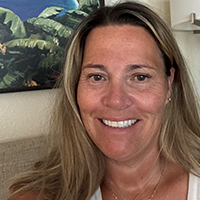
Biography
My name is Lisa Fedoriw. I currently work on an acute medicine unit at VGH & am a Steward seeking your vote for the Steward Liaison role. I am passionate about education & supporting others so they feel confident in their roles & advocacy.
I am committed to strengthening steward networks, supporting members, & improving communication across worksites. Through my experience as a Steward, I've seen how mentorship, strong Collective Agreement knowledge, & accessible information strengthen member representation & trust.
My objective is to support steward development through education & mentorship, strengthen communication while being approachable, accountable, & collaborative in member-focused advocacy aligned with BCNU priorities.
Role based questions
- What do you see as the primary responsibilities of a Steward Liaison, and why are stewards critical to a strong union?
Stewards are the frontline of the union, advocating for members and building trust. The primary responsibilities of the Steward Liaison is to support, recruit and mentor stewards. They ensure Stewards are equipped to effectively represent their members. The Steward Liaison also plays a key role in promoting consistency in how the Collective Agreement is interpreted and applied, supporting stewards in navigating complex issues, and helping to identify recurring concerns across worksites. - How would you support stewards with varying levels of experience and confidence?
I would tailor support to each Steward's needs by building relationships and assessing their experience and confidence. This includes regular check-ins, mentorship, and pairing newer Stewards with experienced ones. I'd provide clear guidance, resources, and encouragement, while creating a safe space for questions. Promoting education, consistency, and peer connection helps build confidence and strengthen skills over time. - How would you ensure information flows effectively between stewards, members, and regional elected leadership?
I would ensure clear, consistent communication through regular updates, structured reporting, and accessible channels. This includes check-ins with stewards, sharing key information in a timely way, and encouraging two-way feedback. I would promote consistency in messaging, use multiple formats, and ensure concerns from members and stewards are brought forward to regional leadership and followed up on. Communication is key! - Describe how you would assist stewards when workplace issues escalate or become complex.
I would provide timely, supportive guidance by helping Stewards assess the issue, clarify facts, and review the Collective Agreement. I would coach them through next steps, offer strategies for communication and conflict, and connect them with additional resources when needed. I would stay engaged to ensure consistency, build confidence, and support appropriate escalation, including the grievance process if required. I would provide open communication at all times for all Steward for growth. - How would you collaborate with regional elected leaders, Council, and BCNU staff to strengthen steward effectiveness in furtherance of the BCNU's Strategic Directions?
I would collaborate through regular communication, shared planning, and alignment with BCNU priorities. Working with regional leaders, Council, and staff, I would identify trends, ensure consistent messaging, and coordinate Steward education and supports. I would bring forward frontline insights and help implement initiatives that strengthen Steward confidence, engagement, and effective contract enforcement. - How do solidarity and equity guide your approach to supporting stewards and members?
Solidarity to me means showing up, being approachable, and ensuring every member feels supported and treated fairly. Equity guides me to recognize different experiences and adapt my approach so Stewards and members feel confident and included. I aim to listen, build trust, and provide support that meets people where they are while promoting consistency and fairness. - Why do you want to serve in the role of Regional Steward Liaison, and how will you remain accountable to stewards and the broader membership?
I want this role because being a Steward has increased my desire to help other Stewards feel informed, supported, and connected. I care about strengthening relationships between Stewards and members and ensuring members receive clear, timely information.
I see Stewards as the backbone of member advocacy and want to strengthen that network.
I will stay accountable by being present, responsive, providing clear timely communication, and always consider Steward and member voices in my work. - How has your understanding of the principles of diversity and/or equity and/or inclusion evolved?
My understanding of diversity, equity, and inclusion has grown through experience as a nurse and especially as a Steward. I've come to see it as something we practice every day in how we listen, show up, and advocate for others. Equity, in particular, means recognizing different needs and barriers and responding in a way that supports fairness, not just sameness. I'm more aware now of how important it is that every member feels heard, respected, and able to access support. - How do you ensure your decisions are informed by evidence, member input, and long-term effects rather than urgency or pressure?
I try not to be driven only by urgency, even when things feel time-sensitive. I listen closely to Stewards and members to understand the full picture and what matters most to them. I look for context, patterns, and evidence, and consider policy and past practice before deciding. I also check in with others when needed so I'm not working in isolation.
My goal is to make decisions that are thoughtful, fair, and hold up over time-not just quick fixes in the moment.
Stefanie Lamont - Elected - 691 votes
She, her, hers
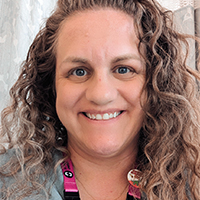
Biography
Hello everyone,
My name is Stefanie Lamont, I am an RN who has worked my entire career (15 years this May) at the bedside with a key focus in critical care and pediatrics. I have worked as both an LPN and bridged over to my RN, therefore I have extensive understanding of both roles and the hard work and dedication each role takes. I have been actively involved in the union since 2018 and become a union steward in June of 2025. I love the role of working as steward and would like to begin to expand and support other stewards and members within our region as the steward liaison to ensure the employer upholds the collective agreement and our voices as BCNU members are heard and supported.
Role based questions
- What do you see as the primary responsibilities of a Steward Liaison, and why are stewards critical to a strong union?
Steward liaison works to help provide support and care to the stewards within their region. Offering support, advice, and advocacy to ensure that the stewards feel supported in their roles. Stewards also are the front line face of the union who work with members at the bedside and offer support and empowerment to members, all while ensuring the employer is upholding their agreed upon duties per the collective agreement. - How would you support stewards with varying levels of experience and confidence?
Having open conversations regarding their concerns or issues, working towards a sense of understanding in to what supports they need from me as their liaison and where I can best support them. As in nursing, we all have a variety of skills, training and strengths, but also areas that we struggle with. I am confident in what I know but I am also the first to admit that I don't know something, but I am always happy to work together to find a resolution for our concern. I am always learning. - How would you ensure information flows effectively between stewards, members, and regional elected leadership?
Open communication and having timely follow up is important so issues are not overlooked or overshadowed by other events. Knowing that I still work fulltime as an RN, I know that dedicating time throughout my week to ensure emails, concerns, or questions are followed up on. Knowing that I do not have the answer to everything and understanding that things will be escalated from time to time is important, especially concerning matters that are time sensitive per the collective agreement. - Describe how you would assist stewards when workplace issues escalate or become complex.
Talking to the steward and getting as much information as possible (including any meeting notes or email exchanges), asking them what are their concerns with the issue and what avenues they have explored already. I would then do my own investigation and look into other areas of importance. I would then review my findings with the current steward and offer education if needed. I would then reach out to the appropriate team (LRO, EDMP) and loop them in, asking for advice or guidance. - How would you collaborate with regional elected leaders, Council, and BCNU staff to strengthen steward effectiveness in furtherance of the BCNU's Strategic Directions?
Having open communication and regular check ins with the leaders to see where the region is at. Being in-tune with the stewards needs at the sites I assist at and bringing their concerns forward. Offering up ideas and strategies to help engage and empower members, while listening to hear and learn from those around me. Taking time to reflect on conversations and looping back to those involved to ensure that everyone is informed and supported. - How do solidarity and equity guide your approach to supporting stewards and members?
All nurses come from different backgrounds, experience and education, not all nurses need the same level of support, but they do need to feel supported by their union. Knowing that a member is not alone in their concern and meeting them where their needs are. Not over estimating or under estimating their knowledge but having open conversations to ensure I am providing them with the support and resources they need. - Why do you want to serve in the role of Regional Steward Liaison, and how will you remain accountable to stewards and the broader membership?
Regional steward liaison offers support to full-time and part-time stewards to ensure that they are able to support members and offer assistance where needed. Taking time to understand the complex needs of each location and what those stewards need is important. As a steward, I have taken multiple courses from BCNU including crucial conversations and steward essentials to ensure that I am educated and prepared to support members and plan to continue my union education when courses arise. - How has your understanding of the principles of diversity and/or equity and/or inclusion evolved?
Being a nurse since the age of 21, I have grown a lot as a person and as a nurse. No two nurses have the same experiences or journey in nursing, I must approach people where they are at and come with a mindset of listening to hear, before listening to answer. What my experience as a nurse and steward is not the same as others, and I come to the table with knowledge and support of the union and collective agreement, but I cannot predict what they member may be needing during this time. - How do you ensure your decisions are informed by evidence, member input, and long-term effects rather than urgency or pressure?
A majority of my career has been spent in critical care and through my stewardship, I have come to understand that some answers take time and not everything can be solved in the moment. Ensuring members and other stewards are informed and educated regarding timelines, what to expect and when to expect an outcome is important. Being up to date with the newest information is key and ensuring that members understand the pathway of common union issues and not everything can be resolved.
Treasurer
Michelle Sauk – Acclaimed
She, her, hers
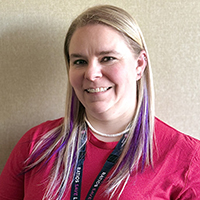
Biography
For the past 7 years, I have had the pleasure of working as the Treasurer of the South Islands Region. I have risen to the challenge of learning the process required to approve regional spending, maintained accurate records and provide financial reports to the membership and regional executive. I am confident in my ability to utilize the financial accounting system and member expense claim systems used by BCNU and ensure member expenses adhere to the BCNU financial policies and are approved in a timely manner. I believe that I can continue to provide strong leadership for our region. I promise to ensure that the spending priorities of the region are accountable and fiscally responsible. I look forward to representing you as your Treasurer.
Role based questions
- What experience do you have with budgeting, financial oversight, or reporting, and how will you ensure members’ dues are managed responsibly and transparently?
I have been the regional Treasurer for the South Islands since 2019. I have worked with the Provincial Treasurer to create our region's yearly budgets, provided monthly financial reports to the Regional Council Members and executive team. I am comfortable with using the financial accounting systems used by BCNU to create purchase orders for expenditures and approve invoices. When planning regional events, I ensure that BCNU financial policies are followed to ensure members dues are responsibly. - What financial tools or systems have you used, and how would you use technology to improve accuracy, reporting, or accessibility of regional financial information?
I have become well versed in using Microsoft Excel, Netsuite, FormStack and Boomi while in my Treasurer role. Technology can help ensure a standardized way of reporting information out to the membership and can allow easier access to the regional financial information. Technology allows for more information to be reviewed as well as keeping data points organized for easier access and understanding. - How would you explain a difficult or controversial financial decision to members in a clear, accessible, and respectful way?
In order to explain the rationale around a difficult financial decision, I would actively listen to the members to understand their concerns. Being able to understand why these decisions are not sitting well with my members helps to understand what information to provide. I would provide rationale for the decision using BCNU's core values, and how it fits into BCNU's strategic plans. If able, I would provide key points from team discussions that were had before the decision was made. - Describe a time you had to question a financial decision or raise concerns about governance or spending. What guided your approach?
My approach to asking questions is always to be respectful and ask questions that inquire about processes rather than being accusatory. Promoting a positive discussion rather than trying to put blame on the group who made the decision helps a more inclusive discussion. I reviewed any policies that this decision could be related to and ensured my questions related to those specific policies. I approached this decision with interest in learning the process rather than being emotional. - When there are disagreements about spending priorities, how would you manage conflict while upholding union values and maintaining trust?
When disagreements arise, I try to ensure respectful dialogue, stay calm, listen and provide space for an active discussion. Most spending priorities come from BCNU's strategic directions, and it is important to have our spending priorities reflect that as well as keeping with BCNU financial policies. During these discussions, allowing everyone to have their questions answered and opinions expressed helps to see if there is a more collaborative decision that could be made. - How do you see the Treasurer working with other regionally elected leaders, Council and BCNU staff to support effective regional governance?
I actively work in collaboration with BCNU staff, Council and other regionally elected leaders. The Treasurer does not work alone but rather as part of the team ensuring that member dues are spent responsibility. Being able to effectively communicate with other leaders in the region allow for more effective regional governance. This includes having mutual respect for each group, the roles they play within the region and their different knowledge and skill sets. - Why do you want to serve in the role of Regional Treasurer, and how will you ensure your decisions consistently reflect the needs, equity considerations, and voices of members all while supporting BCNU's Strategic Directions?
I want to serve in the role of Regional Treasurer because I enjoy planning events for our region, enhancing our member's knowledge about our union and contract while ensuring spending priorities reflect Union goals and are fiscally responsible. Ensuring that policies are followed help keep spending fair and equitable among the various areas in our region that members want to engage in. - How has your understanding of the principles of diversity and/or equity and/or inclusion evolved?
My understanding of diversity and equity inclusion has grown with each BCNU event that I have attended. Realizing that it is more than just having a diverse group of people represented within the organization. It includes creating an environment that all individuals feel valued, safe and respected in order to be able to share in their experiences and perspectives. I have been learning about systemic barriers, biases and prejudices that exist and how to promote policies that show respect to all. - How do you ensure your decisions are informed by evidence, member input, and long-term effects rather than urgency or pressure?
When making important decisions, I make sure I have reviewed all the relevant information and policies related to the topic. For example, when the executive decides on an event for the membership to attend, we review prior events, read through member feedback and assess the educational needs of the membership. Based on this information, new events are organized to ensure maximum member engagement and outcomes and focus on the long-term benefits of these events.
BCNU Election Candidate Attestations
All regional candidates have affirmed yes to attestations (1-9) below:
- I am a member in good standing of BCNU, with no outstanding disciplinary proceedings, and meet all BCNU Constitutional and Bylaw eligibility criteria for the position I am seeking.
- I commit to upholding BCNU’s Constitution and Bylaws and the Policies and Procedures, and will engage in ethical, respectful, and inclusive conduct during the election and throughout any term in office.
- I have reviewed and understand the fiduciary duties and responsibilities as described in Policy 2.0.1 and in the job description, including the duties of care, loyalty, compliance, confidentiality, and accountability to BCNU’s vision, mission, values, and members.
- I affirm that I will protect and safeguard any member information, BCNU internal documents, or confidential records that may be made available to me during the course of this election or while in office.
- I will disclose any real, perceived, or potential conflicts of interest prior to or during my candidacy and, if elected, will comply with all conflict-of-interest policies and governance requirements.
- I have reviewed and understand the election code of conduct as stipulated in Policy 2.0.7, including the guiding principles for BCNU elections, candidate and BCNU member roles and responsibilities, and the rules pertaining to campaign materials.
- I will not engage in any campaigning, communications, or actions that may be reasonably understood to involve misinformation, personal attacks, or harassment, and I understand that such behaviour may result in immediate removal from the election process.
- I hold current registration in good standing with the British Columbia College of Nurses and Midwives (BCCNM) and confirm there are no current findings of professional misconduct, suspension, or conditions on my nursing license.
- I understand that all attestation statements are subject to verification by the BCNU Nominations Committee, and false declarations may result in immediate disqualification from candidacy or immediate removal from elected office.