

 Thompson North Okanagan
Thompson North Okanagan Regional Executive Election Results
Regional Council Member
Patricia Cameron - Elected - 409 votes
She, her, hers
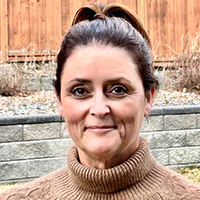
Biography
A proud RPN with 18 years of progressive union leadership. Originally a UPN steward starting in 2008, I went on to serve as Chairperson of UPN Local 1 (2010-2015), leading grievance resolution and member advocacy. I then served BCNU as Communications Secretary (2015-2017), OHS Representative (2017-2021), and Enhanced Disability Management Representative (2021-present). This experience spans contract negotiations, workplace legislation, financial stewardship, and advocacy for members navigating the pressures nurses face today.
As your RCM, I will amplify your voice, recognize the pressures in today's healthcare climate, ensure transparency in regional operations, and stand with you in fighting for the conditions and respect you deserve.
Role based questions
- What do you see as the primary role of a regional council member in a member-driven union?
A Regional Council Member (RCM) serves as a trusted bridge between members and leadership. They help translate member needs into action while ensuring the Union's strategic vision reaches members at the grassroots level. RCMs translate provincial strategy into meaningful regional action while balancing collaborative relationships and fiercely advocating for members. They help keep BCNU grounded in it's purpose, advancing nursing in our province through engaged and empowered membership. - What is the single most important value a regional council member must have, and why?
Regional Council Members must embody accountability. Members entrust the BCNU with their dues, their voices, and the future. Without accountability - to members, to the organization's finances, to strategic directions, and to transparent decision-making - all other competencies become meaningless. Accountability ensures the RCM remains grounded in their primary duty - serving members. It builds the trust needed for a member-driven union to function effectively and maintains integrity overall. - How can technology be used to strengthen member engagement, democratic participation, and accountability in the union - and what safeguards are necessary to ensure equity, privacy, and trust?
Technology can help to remove geographic barriers and allows members equitable access to information / meetings regardless of shift work or location. Democratic participation expands through online voting systems and virtual town hall meetings. Digital tools held in accessible platforms ensure transparency. Technology with safeguards, like strong encryption and security audits in place to prevent misuse of data or privacy breaches, helps empower members and bolsters BCNUs integrity. - Describe your approach to listening to members who may feel unheard, marginalized, or frustrated with BCNU?
I approach members with active, empathetic listening, creating space for them to feel heard without judgement. I seek to understand both their concerns and the emotions behind them, reflect back what I hear, and validate their experiences. Even when I can't fix the issue, I show up with honesty and humility. I am willing to have difficult conversations and respect differing perspectives, ensuring every member feels supported and their voice matters. - How do, or would, you approach conflict (i.e., between members within regional teams and/or Council, or between BCNU and the employer) while maintaining professionalism and fairness?
Always approach with empathy and not blame. Tough conversations are an opportunity for deeper connection, on an exec team, between members, or with the employer. Address conflict, don't avoid it. Be clear about expectations, including accountability from everyone. I like to bridge everyone's strengths and experiences so we all recognize the value we bring to different tables. Create safe spaces - stay calm, avoid escalation, language, tone and body language matter. Be genuine and collaborative. - How do you balance representing the will of members with responses to uphold bylaws, policy, collective agreements, and human rights obligations?
These constructs all exist to protect members and ensure equitable treatment. My role is to explain why those safeguards exist and how they serve the membership overall. I would engage members to understand their concerns and then see how we can collaboratively address those issues within the boundaries of those frameworks, as creatively as possible. If required, we can advocate for change through proper channels. Principled and guided governance strengthens our integrity and effectiveness. - What past experience best prepares you for this role as regional council member, and what lessons from that experience will guide your work?
My experience as UPN Local 1 Chairperson (2010-2015), along with BCNU executive roles as Communications Secretary (2015-2017) and OHS Representative (2017-2021), and my current work as an EDMP Representative (2021-present), has given me a strong understanding of union operations and advocacy. I've learned that effective leadership requires hard work, integrity, and accountability, and that trust is earned through consistency, transparency, fairness, and genuine advocacy. - How do you communicate complex or controversial decisions to members in a way that builds trust, even when members disagree?
I communicate complex or controversial decisions with honesty, clarity, and respect. I actively listen, acknowledge differing perspectives, and validate members' concerns. I explain the rationale behind decisions, including frameworks and broader interests considered. By being transparent, consistent, and willing to engage in difficult conversations, I build trust - even when members may disagree. It's important that members know I care and will keep showing up even when it's uncomfortable. - How do you ensure your decisions are informed by evidence, member input, and long-term considerations, rather than urgency or pressure?
Strong decisions are informed by member feedback, historical context, financial implications, expert opinions and so on. I need to understand that context around why decisions are made. New to the RCM role, it would be important to seek feedback from other RCMs and to be disciplined in making thoughtful and slower decisions, to help build up trust in my region through my stewardship and not reactive or emotional leadership. It's okay to reflect and provide a timely response after that. - Describe a concrete example where you used technology to improve communication, decision-making, or organizing. What worked, what didn’t, and what would you do differently as a union leader?
I created an interactive PowerPoint to educate members on EDMP, using visuals, BCNU branding, and clear messaging to improve understanding and engagement. Static slides were less effective, highlighting the need for more interaction. I would enhance this by adding member testimonials, QR codes, live polls, and accessibility features to increase participation and ensure the content is inclusive, relevant, and engaging for all members. - How do you guarantee culturally sensitive interactions with your members?
I commit to ongoing learning and actively seeking feedback on how I show up. I strive to create a safe, respectful space by listening without judgement and valuing diverse perspectives. I take accountability seriously - when I make mistakes, I acknowledge them, apologize and genuinely change my approach. I will draw on BCNU and other resources, and engage with mentors, to remain intentional in ensuring my leadership reflects inclusion, cultural safety, and respect. - How has your understanding of the principles of diversity and/or equity and/or inclusion evolved?
Through nearly 18 years of leadership and direct member relationships, my understanding of DEI has evolved tremendously. I now see DEI as ongoing accountability and systemic change, not a one-time effort. I have witnessed and learned from BCNU's growing commitment in this area and how policies and education have evolved. I better understand how DEI directly impacts members' working lives, professional practice, and overall quality of life.
Technical Questions
- What is your experience with Microsoft Word, Excel, and Outlook and what is your ability and willingness to learn new computer platforms and applications (e.g. BoardEffects, Expensify, Formstack, Ceridian Dayforce, ZOOM, Box, etc.)?
I have extensive experience with Word, Excel, Outlook, Zoom and BOX. I use all those programs proficiently in both my previous and current union roles. I have some overarching experience using Formstack as a member. I am highly motivated to learn new platforms and applications, and I am committed to using whatever platforms the role requires me to. - Where and how have you developed your historical and technical base of understanding in all areas of the union’s work including bargaining and BCNU policies and procedures?
I learned foundational union operations such as budgeting, Robert's Rules, grievance processes, executive roles, and member advocacy through my extensive union involvement with both UPN and BCNU since 2008. I have been exposed to strategic planning, member communications, and organizational structure. I have gained a deep knowledge of OH&S issues and policies. I've attended convention numerous times, regional meetings, exec meetings, and town halls. I have fluency in the Collective Agreement. - How would you describe your understanding of budgets and financial statements and the general structure and function of BCNU’s financial systems as well as the broad economic picture of BCNU?
The Provincial Treasurer oversees financial management at BCNU. All PEC, RCM, and Exec members share fiduciary responsibility to manage funds of BCNU. I am comfortable reading regional and discretionary budgets. I am familiar with our financial statements and where to find them on the member portal. We have investments, income, debts, and capital assets. Regional budget flow down based on membership numbers to fund, for example, meetings, worksite plans, and events. Audits are important.
Sarra Fedick - 401 votes
She, her, hers
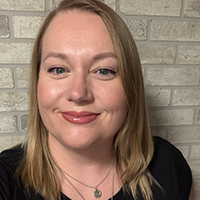
Biography
I aim to be the Regional Council Member for the TNO to be a fierce advocate for the members of our region and strive to hold health authorities accountable for the conditions nurses find themselves working in. My beliefs about leadership are threefold: leaders listen, leaders build others up, and leaders stand up for what is right. These beliefs are a result of my own personal values of social justice, integrity, and humility. As a union activist with more than 13 years of experience, I remain committed to upholding quality health care and minimum nurse to patient ratios. I look forward to growing as a person and a professional while serving our region in this capacity.
Role based questions
- What do you see as the primary role of a regional council member in a member-driven union?
The primary role of a regional council member is to act as an advocate for the members in our region. By listening to, meeting with and supporting members, the regional council member is the voice of the region and has the privilege of bringing forward member issues to the provincial level and working to improve conditions in the workplace. As the leader of the region, building capacity within the regional executive team and workplace stewards helps ensure members can be heard and supported. - What is the single most important value a regional council member must have, and why?
The most important value for a regional council member is integrity. This value in action looks like being dependable to do what you say you will do, remaining loyal to the members you represent and being honest in all communication. - How can technology be used to strengthen member engagement, democratic participation, and accountability in the union - and what safeguards are necessary to ensure equity, privacy, and trust?
Technology can strengthen engagement by boosting reach to members who may not be available for full day events or who are living in areas that making attending in person non-salary events difficult. The use of technology for voting participation is the best way to make sure the majority of members have access to votes. Using secure third-party voting is useful for ensuring privacy and security of votes. - Describe your approach to listening to members who may feel unheard, marginalized, or frustrated with BCNU?
For listening to members I would want to first start by thanking them for bringing forward their concern and actively listening. I would take some notes and clarify main points that need action. I would also consider setting parameters for engagement such as use of respectful language and time allotted to the discussion if there are time constraints. The goal would be to convey that BCNU is on their side and establish a way to move forward together and knowing when to loop in BCNU resources. - How do, or would, you approach conflict (i.e., between members within regional teams and/or Council, or between BCNU and the employer) while maintaining professionalism and fairness?
My approach to conflict involves trying to find common ground while still maintaining integrity. We can remain respectful while disagreeing if we focus on the issues and not the people in the discussion. Setting boundaries is important to ensure respect and fairness to all parties as well. Being flexible with my approach is also important as some people need time and space before being able to discuss issues and some people prefer to discuss right away. - How do you balance representing the will of members with responses to uphold bylaws, policy, collective agreements, and human rights obligations?
Having a solid foundation in knowledge of the bylaws, policies, collective agreements and human rights obligations helps me feel more comfortable upholding them when challenged. I have done a lot of personal learning in these areas to ensure high levels of accountability. Also being transparent about your role and responsibilities can help to clarify this for members as well. - What past experience best prepares you for this role as regional council member, and what lessons from that experience will guide your work?
My past experience as the Provincial Chair for Young Nurses Network, and Communications Secretary and my current role as Member Educator has prepared me for the increased responsibility of representing the members of TNO at a higher level. I have also been learning more about leadership and change management as a part of my graduate studies while completing a Master of Nursing. I know the biggest take away from the above is increasing transparency increases trust and buy in from those affected. - How do you communicate complex or controversial decisions to members in a way that builds trust, even when members disagree?
I choose to use a strengths-based approach in these situations. I also lead with empathy for living with decisions that feel outside of their control. Recognizing that they don't have to agree with the decision and sharing how they can affect change and express their concerns in a meaningful way. - How do you ensure your decisions are informed by evidence, member input, and long-term considerations, rather than urgency or pressure?
Taking some time to respond to issues, even if that is a few minutes, can ensure that I don't act based on emotions and pressure. Knowing where to find sources of evidence, having regular communication with members and participating in strategic planning regularly can assist me with keeping these in mind when presented with emerging issues. - Describe a concrete example where you used technology to improve communication, decision-making, or organizing. What worked, what didn’t, and what would you do differently as a union leader?
I have organized and participated in site-specific member zoom calls as a past regional executive for TNO and NE to ensure more reach to members and I think this has allowed for members to present concerns in a smaller and safer environment as well as feel heard by the executive. I also co-faciltated online Building Union Strength workshops when in-person events were challenging for health and safety reasons. - How do you guarantee culturally sensitive interactions with your members?
Ongoing personal commitment and learning about historical/current harms helps me to ensure I am consciously addressing my personal biases. I also choose to be upfront with my interactions and acknowledge my shortcomings in knowledge and ask for clarifications to avoid assumptions. Striving to lead with curiosity instead of judgement. - How has your understanding of the principles of diversity and/or equity and/or inclusion evolved?
My understanding of principles of diversity, equity and inclusion has expanded over my time as a union activist. I have accessed education within the union and outside of it to ensure I am improving and growing in these areas. I have demonstrated commitment to this work and ensuring that we as a union are elevating the voices of those who are systemically silenced in society and will continue to use any privilege afforded me to raise others up.
Technical Questions
- What is your experience with Microsoft Word, Excel, and Outlook and what is your ability and willingness to learn new computer platforms and applications (e.g. BoardEffects, Expensify, Formstack, Ceridian Dayforce, ZOOM, Box, etc.)?
I have a high level of comfort with Microsoft products as I use them for my daily work as a public health nurse and I use them for my graduate studies. I have high levels of adaptability with regards to learning new computer systems as I have navigated the implementation of e-charting at RIH as well as the numerous systems used by public health and universities. - Where and how have you developed your historical and technical base of understanding in all areas of the union’s work including bargaining and BCNU policies and procedures?
I have been involved with BCNU since my undergraduate degree. I was selected to attend convention in my first year of BScN and attended regional meetings and education sessions offered over the 4 years. I remained involved as a member of OS as a new grad and became a steward when I moved to NE only 2 years into my nursing career. I have consistently been attending meetings and education sessions since and now have helped develop the latest version of the BUS workshop as a Member Educator. - How would you describe your understanding of budgets and financial statements and the general structure and function of BCNU’s financial systems as well as the broad economic picture of BCNU?
I have a firm understanding of the financial statements/ policies/ structures in place within BCNU and commit to deepening my understanding of the overall structures and economic picture of BCNU. I have been involved in regional budgeting as a previous Communication Secretary and demonstrated financial responsibility in that role while booking venues for events.
Brianna Porath - 158 votes
She, her, hers
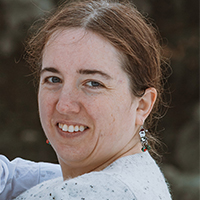
Biography
I have been a nurse for approximately a decade. I started my career in LTC then made a move to Acute Care during the Pandemic. I worked throughout med-surg units in the hospital before working in the Emergency Department at Royal Inland Hospital. I am a mother to a very active four-year old. My objectives in seeking the Regional Council Member position to provide support to the region- focusing on having regular check-ins with the stewards to better support the sites. Attempting to engage with more members with events they want to see. I also want to have better check-ins with Regional Executive to ensure everyone is on the same page and to share the work.
Role based questions
- What do you see as the primary role of a regional council member in a member-driven union?
The primary role of a Regional council member is to do activities and engagement with members that they want to see. Including having frequent surveys to ensure the activities are still meeting the needs of the members of the region. also to be open that different worksites or areas in the region require different style and type of events. - What is the single most important value a regional council member must have, and why?
The most important value is honesty. As you must provide a truthful answer and be open and honest with those members that you are representing. By being honest with the members, it builds trust in the organization and the region. - How can technology be used to strengthen member engagement, democratic participation, and accountability in the union - and what safeguards are necessary to ensure equity, privacy, and trust?
Technology can be used to better engage with members or platforms they are already using, many regions, including ours (TNO) has a Facebook page that we post upcoming events or provide highlights from recent events. By posting on these platforms, it can drive members back to the BCNU website to get more details or to sign up for upcoming events that they normally might not be aware of. - Describe your approach to listening to members who may feel unheard, marginalized, or frustrated with BCNU?
The first step is to recognize their frustration and validate their feelings. Attempting to work with them to create solutions or ways to work on the issue. - How do, or would, you approach conflict (i.e., between members within regional teams and/or Council, or between BCNU and the employer) while maintaining professionalism and fairness?
I would try to listen to both sides without forming judgement, be a neutral third party. I would attempt to bring the conflicting sides together, if they are open and willing to do so. I would continue to check in with the members to see how the conflict is resolving and what other supports I could offer or provide. - How do you balance representing the will of members with responses to uphold bylaws, policy, collective agreements, and human rights obligations?
All of these work in unison ( bylaws/ policy/ collective agreement). One needs to ensure that the will of the members doesn't go against any of these or infringe on any human rights. If it does it is important to explain to the member why it does go against any of the above. - What past experience best prepares you for this role as regional council member, and what lessons from that experience will guide your work?
I have been a Regional Communication Secretary for the past year and a half, almost two years. While in this position it has allowed me to really focus on my organization skills and to better understand the roles of the Regional Executive. The lessons I have learned is to plan far in advance in case plans need to change, this usually allows for more flexibility if needed. - How do you communicate complex or controversial decisions to members in a way that builds trust, even when members disagree?
I will be very factual and as open as can be with communicating complex and/or controversial decisions. I will communicate them at Regional Meetings as well as make sure a communication email goes out to members. I will also allow for questions to be asked either in person, if time permits or through email or one-on-one in person, whichever the member prefers and time allows for. - How do you ensure your decisions are informed by evidence, member input, and long-term considerations, rather than urgency or pressure?
I will take a pause when able and get input from other Regional Executive and/or regional members on issues that require decisions or changes in current direction. As I want to know what is happening currently, why is int working and what the goal is. I will then figure out if that goal is feasible and how we can work towards it collaboratively. - Describe a concrete example where you used technology to improve communication, decision-making, or organizing. What worked, what didn’t, and what would you do differently as a union leader?
I use an Excel sheet in my current role as Communication Secretary which allows me to keep track of upcoming events, in the sheet I have what has been done, what still needs to be, important dates ( like cut-off for hotel rooms and food lists) I also include in this sheet who else is involved and what they are responsible for so that i can check in with them as the project is progressing. - How do you guarantee culturally sensitive interactions with your members?
AI will make sure to open meeting with expected expectations of the meeting. I will also be aware of my own personal bias, and I will continue to strive towards being culturally sensitive when having interactions with members. - How has your understanding of the principles of diversity and/or equity and/or inclusion evolved?
My understanding of these topics was very limited 15 years ago when I started my education for nursing, since that time I have had the opportunity to learn and listen to amazing advocates and allies on many subtopics which this broad category which has allowed me to learn and grow and become more informed. There is always room to learn and grow more, and I continue to seek out more of these learning opportunities.
Technical Questions
- What is your experience with Microsoft Word, Excel, and Outlook and what is your ability and willingness to learn new computer platforms and applications (e.g. BoardEffects, Expensify, Formstack, Ceridian Dayforce, ZOOM, Box, etc.)?
I am very well versed with Microsoft Office products (Word, Excel, Outlook). I have usually a quick grasp on new computer platforms as I already use ZOOM and Box with my current role and are very willing to learn new ones required for the role. - Where and how have you developed your historical and technical base of understanding in all areas of the union’s work including bargaining and BCNU policies and procedures?
I am currently part of the Resolution Committee which has allowed me to have a more fulsome understanding of what goes into to bring resolution and bylaw changes to convention. I really enjoy reading the BCNU policies and procedures especially when there is a change. - How would you describe your understanding of budgets and financial statements and the general structure and function of BCNU’s financial systems as well as the broad economic picture of BCNU?
I have seen the work that goes into the Regional budget and ask questions of the Regional Treasurer to better understand questions of the budget. I know that it is important to keep within budget. As if more money is spent than allotted for it creates problems as that is not a way to run organizations. Each region needs to be fiscally responsible as well as ensure that provincially is also being fiscally responsible as it is members dues that are being spent.
Leah Takats - 264 votes
She, her, hers
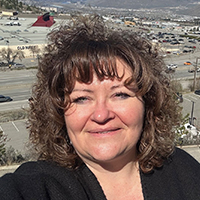
Biography
A BCNU advocate for over 10 years. First a JOHSC rep at my rural home site, (Nursing for 15 years) leading to BCNU Steward, OHS Executive Representative and now interim Regional Council Member. This work in our region has provided me with a network of supports, knowledge, and valued relationships built with a passion that is second to none for our members within the Thompson North Okanagan. I value Integrity, Trust, and Resiliency. I have witnessed the power of one member facing challenges, receiving supports, and then actioning /motivating change by connecting into their passion, which in turn effectively changed an entire worksite!! Empowering members, for me and a huge reason why I am 100 % committed to serving in this council role.
Role based questions
- What do you see as the primary role of a regional council member in a member-driven union?
Commits to ongoing learning as a leader, with the understanding of how their support and leadership exercised in the workings within the Regional Executive team has lasting impacts within the regional membership and organization as a whole. Maintaining communication with both Regional Executive team and BCNU Council ensures awareness of trends, concerns and challenges facing our entire provincial membership. High fiduciary accountability to decisions regarding expenditures and member dues. - What is the single most important value a regional council member must have, and why?
Integrity - is the single most important value a Regional Council member should have. This speaks to so many of our organizational values, ability to build trust and accountability with all aspects of the organization including membership, leadership and provincial teams. Understanding strengths and weaknesses in our own abilities and knowing who and when to ask for support and guidance, shows vulnerability, courage and strength. Its foundational in supporting, building and maintaining teams. - How can technology be used to strengthen member engagement, democratic participation, and accountability in the union - and what safeguards are necessary to ensure equity, privacy, and trust?
Technology in this modern age seems to be increasingly pivotal in creating and maintaining member engagement. These are times when all generations understand the most efficient, and faster ways of communicating, alerting and gaining awareness in real time. Confidentiality, and cyber security are essential pieces to build trust in systems where members can connect with each other and utilize their democratic power, ideas and bring solidarity and focus to common challenges we all face. - Describe your approach to listening to members who may feel unheard, marginalized, or frustrated with BCNU?
I have found that the best way to support members feeling this way, is to listen, seek to understand and to respond organically were appropriately. Trust seems all too often, to be a hidden art that is left and missing from our modern workplaces. In a professional world, this is unacceptable and sometimes over time causes irreparable moral distress. Our members need to feel heard. They need to be supported in seeking out appropriate supports while feeling valued. - How do, or would, you approach conflict (i.e., between members within regional teams and/or Council, or between BCNU and the employer) while maintaining professionalism and fairness?
Conflict is inevitable in any organization. Its typically seen when expectations are not met. I have learned and found that being soft on people, and hard on challenges is the best way to manoeuvre conflict. This is done by listening to and hearing all of the perspectives. The intention here is to seek to understand - not to have a polished response. We are humans first and we all come from different backgrounds of understanding and knowledge. Transparency and Integrity lead understanding. - How do you balance representing the will of members with responses to uphold bylaws, policy, collective agreements, and human rights obligations?
Supporting a good understanding and learning where a member is coming from, allowing respectful dialogue, seeking to understand perspectives, is essential in building respect. This proves to be essential to members - to be understood and their voices heard. Sharing lived experiences and solutions while sharing bylaws, policies and agreements within BCNU - leaves the power to motivate change with the member themselves. Allowing actioning solutions which builds confidence and empowerment. - What past experience best prepares you for this role as regional council member, and what lessons from that experience will guide your work?
I have had amazing examples of incredible leaders and mentors both in my professional life, and slo-pitch, dog showing hobbies. As I currently hold the role of interim regional council member, I have a solid understanding to the expectations of the role. I value ongoing learning and believe we all have a choice to motivate change and activate lessons we have experienced in our previous work. Resiliency is a skill best learned through our own experiences. - How do you communicate complex or controversial decisions to members in a way that builds trust, even when members disagree?
Transparency, honesty and directness. I respect our professional membership and understand that everyone has different backgrounds and experiences. We have governance and policies in our organization that assist us with guiding decisions. A very solid understanding of these policies or at the very least where to find them and refer to them often, is essential in supporting a member to navigating a controversial decision. This is a foundational and very essential way to build trust. - How do you ensure your decisions are informed by evidence, member input, and long-term considerations, rather than urgency or pressure?
I first listen with the intention to fully understand the scenario and situation. Then followed up by consulting our governance documents, mentorship supports and taking all factors into consideration where appropriate. Attempt to look at the scenerio from a larger picture that may hold precedence and possibly contain level of risk. Then always choose a pathway that will work best for the membership as a whole. If able to sit on the decision for 24 hrs using a calm pathway of logic. - Describe a concrete example where you used technology to improve communication, decision-making, or organizing. What worked, what didn’t, and what would you do differently as a union leader?
In a previous business role, I had started with a new BC company that intentionally promoted business partners across the country. I created a long-distance orientation package, and system supports. This captured the reason why new business partners left the organization (not having supportive pathways when challenges arose). Always do exit interviews - and always be willing to do what many others won't. As a union leader, always listen with the intention to understand the other person. - How do you guarantee culturally sensitive interactions with your members?
Creating safe spaces to express concerns, be vulnerable and build trust. This is essential. - How has your understanding of the principles of diversity and/or equity and/or inclusion evolved?
I continue to be an active student of diversity. I feel it's best to come from a place of curiosity and seek to understand the diverse cultures and many values people have and come from. I started many years ago in my own life discovering at 30 years of age, of my indigenous bloodlines. As well knowing that my family immigrated and fled original Country due to war, to create a new, free life in Canada. BCNU has helped me be more engaged and celebrate diversity.
Technical Questions
- What is your experience with Microsoft Word, Excel, and Outlook and what is your ability and willingness to learn new computer platforms and applications (e.g. BoardEffects, Expensify, Formstack, Ceridian Dayforce, ZOOM, Box, etc.)?
I have a good working knowledge of Microsoft word, Excel and Outlook capabilities as I have worked with these systems over 30 years. I am always willing to learn new platforms and applications with the realization that repetition and practice create better working knowledge and efficiencies. I am currently working and continually learning new platforms in my current role. Connecting with supports early on saves time and in learning efficiencies. - Where and how have you developed your historical and technical base of understanding in all areas of the union’s work including bargaining and BCNU policies and procedures?
I have learned through supporting members, working through workplace challenges and having great supports/ mentors. A BCNU Steward for 10 years, Occupational Health and Safety Executive Representative on the Regional Executive team for 6 years and now interim Regional Council member for last10 years. Attended every Regional meeting and Steward Planning over the last 8 years. Supported many regional members with challenges and contract breaches within their workplaces. Value my relationships. - How would you describe your understanding of budgets and financial statements and the general structure and function of BCNU’s financial systems as well as the broad economic picture of BCNU?
I have and maintain curiosity and seek to understand the rationale with regards to budgets and financial systems in place with BCNU. Engaging in treasurer training when first stepping into the interim regional council member role was first priority in understanding the process and expectations in budgetary expectations. Having a real understanding of expenses submissions and process in my prior roles proved to be extremely helpful.
Communications Secretary
Vacant
Lobby Coordinator
Vacant
Mental Health Representative
Morgan Hegg – Acclaimed
She, her, hers
Biography
My name is Morgan Hegg, and I have been a steward in the region for the past year and half. I have been an RPN for just over two years, worked in mental health for 6 years, and i've been working in health care for 10 years. I am looking forward to connecting with people across the region to gain and understanding for what members need for mental health support.
I would love the opportunity to connect with members, the regional executive, and be apart of change in the mental health support for members across the region. I commit to de-stigmatization, advocacy and listening to understand and meet people where they are at. I believe working together with the Occupational Health and Safety rep we can support members in the best way.
Role based questions
- What do you see as the key responsibilities of a Mental Health Representative within the union?
To engage with the membership about managing mental health in the workplace. Recognizing psychological safety and promoting it, recognizing signs and symptoms on ones self to take care of yourself while we also take care of other people. - How would you balance support for members’ mental health and BCNU's Strategic Directions?
BCNUs Strategic Direction is also support for members, and I think being the Mental Health Rep, I would hope to have to opportunity to voice what the members are saying they need for support continue to advocate for members while understanding the BCNU always has members best interest in mind. - How would you promote mental health awareness and reduce stigma among members?
First of all language matters. Remembering to use person first, and talking about the "thing" instead of talking around it. Naming the emotion and the feeling instead of tip-toeing. It promotes more clear effective communication, creates trust between people, and empowers people to be able to name it themselves. Using the language in regular conversation encourages other people to adopt. It's also important to have the uncomfortable conversations and it becomes less of a big thing, and more norm. - How would you respond when members are in distress or facing systemic mental health challenges at work?
Empathize with them, empower them to take what they can control into their control. Utilize the tools that are available, and start talking about potential tools that could be brought in. Listen first and support, then act if needed. - How would you work with stewards, health and safety reps, regionally elected leaders, and BCNU staff mental health issues?
Stewards/Staff - I would ask to understand what support is needed. How to manage conversations that are often emotionally fueled. Ask what they need to fill their bucket and themselves to be able to support members.
OHS reps/Region - How to promote mental health and wellbeing in the workplace, from small changes in the day, to professional support members can access. Everyone has mental health in wellness and illness, it's important to recognize what that means in each persons for that person. - How do diversity, equity, and inclusion inform your approach to mental health advocacy?
It's best to understand people individually, create tools that meet the person. Everyone learns differently, and many people experience mental health differently. - Why do you want to serve in the role of Mental Health Rep, and how will you ensure members’ lived experiences shape your work?
I have already said it, but everyone experiences mental health in illness and wellness. Each person experiences it differently and would define those terms differently than the person next to them. I want to learn from members what support feels right to them, and how to advocate for that. - How has your understanding of the principles of diversity and/or equity and/or inclusion evolved?
It's not a blanket, people are individual. There is a world of possibility for someone to be a member, and be who they are outside of that as well. Understanding how to include people means willingness to listen to understand and act. - How do you ensure your decisions are informed by evidence, member input, and long-term effects rather than urgency or pressure?
Always listen first. Compile information. Be able to reflect on my own self in that time to ensure that I am regulated and making decisions that are in the best interest of the members and not hastily do things. It's important to receive feedback from regional exec and others who've sat the position who may have seen someone try things and didn't work, or try things and they worked.
Occupational Health and Safety Representative
Andrea Boring – Acclaimed
She, her, hers
Biography
I have been and LPN for 15 years, and as of last year I have worked in Acute, LTD and Community. I currently work in the OR at VJH. I have been involved in BCNU advocacy for a little over 5 years, and currently I am the interim TNO OHS regional representative. As a steward I work closely with the VJH steward team and full-time steward to support members in the North Okanagan. My objectives, if elected, for the next term include continuing to advocate for psychologically safe worksites, education for our members, and keeping the employer accountable to their requirements and duties. I commit to work within and be driven by the common core values of collectivity, democracy, equality, excellence, integrity, social justice, and solidarity.
Role based questions
- What experience do you have with workplace health and safety, and how would you advocate effectively for safer workplaces?
I have been the interim OHS rep since August 2025. Through my steward work I had already cultivated relationships that help me with advocacy and other areas with my OHS role. With my OHS role I have continued to cultivate more relationships and learning that allows me to fully advocate for safe workplaces. I have knowledge of union resources as well as WSBC and employer resources for our members to take advantage of to make sure their worksites are physically and psychologically safe for them. - How do you stay informed about occupational health and safety legislation and best practices?
When I took over the OHS role, I got sage advice from my predecessor to sign myself up for all the WSBC and OHS newsletters, magazines etc. that I could, to stay ahead of legislation and information from that side. I also participate in OHS development days offered by BCNU and fully take advantage of my OHS officers at head office for information and education on current issues and best practices. I participate in monthly meetings for OHS/MH reps to keep up on provincial and regional issues. - How would you identify and prioritize health and safety risks affecting members in diverse workplaces?
I depend a lot on members, stewards, and JOHSC members to help me identify hazards at workplaces. I have tried to cultivate resources and contacts that feel safe and comfortable enough to let me know when there are issues especially in workplaces that are more diverse. I work in a small, specialized area, so I depend on learning and connecting with people so they feel safe enough to share issues, hazards etc with me to advocate on their behalf from other more diverse work areas and worksites. - How would you handle disagreements with employers on safety issues?
Advocate, advocate, advocate! I always go back to working on relationships within the union, WSBC and the employer so that I have those resources when I need them, especially when it comes to getting through a disagreement with the employer about safety. I also research for evidence that supports safety from a human resource, financial and ethical point of view. I also use other processes, grievances, JOHSC, etc to support safety as well. - How would you explain safety rights or hazards to members and stewards in a clear and practical way?
I have found that the best way to get information and education to members about OHS, either by email or in person is to be short, concise and practical. For example, I have had great success in continuing to use last year's mental health month information on reporting with members. They get practical language to use when calling in to report, they know what not to say, and those resources are concise and to the point. I can send it to any member to use and I am still available to support PRN. - How would you work with stewards, regionally elected leaders, Council, and BCNU staff to advance BCNU's Strategic Directions?
I believe the underpinning of the strategic directions is to be a voice for members and out of that comes advocacy for the profession and public health care in BC. I think that performing my duties in this elected position, and cultivating working relationships with stewards, regional leaders, council and staff leads me to support and develop those strategic directions in my area of influence in my region and area. No one is too big or too small to connect with and support these directions. - Why do you want to serve in the role of Occupational Health and Safety Rep, and how will you ensure members’ safety concerns drive your work?
I came into this position to test the waters of being part of regional council, and while I have been in the position I have discovered that I am actually good at the advocacy, resource development and cultivating of relationships that I need to support members to bring forward safety concerns/hazards so that they can be dealt with. In particular the OHS role on regional council is driven by members bringing concerns forward, so that ensures my focus stays on safety! - How has your understanding of the principles of diversity and/or equity and/or inclusion evolved?
As someone who has a later in life diagnosis of ADHD, I have done alot of work and research into what diversity, equity and inclusion practically involves. As someone who has had more than a "normal" amount of grief and loss in life, this influences my actions to include people and understand where they are coming from. I also participate in offered education related to DEI, so I am aware of current issues and solutions that evolve to support the effort to be diverse, equitable and inclusive. - How do you ensure your decisions are informed by evidence, member input, and long-term effects rather than urgency or pressure?
Although I work great under pressure, I have learned within my life that situations that appear to be urgent/emergent still need to have solutions based on evidence and sometimes it's best to stop and take a moment to think and look long term at what might happen. Also, as I advocate and support members to bring forward concerns, it would be reasonable to allow those members to be part of the solution and not over to allow them to be part of the solution not just report problems.
Professional Responsibility Advocate
Ramona Ludwar – Acclaimed
Biography
My parents moved to Canada in the early 1990's, to fulfill their Canadians dreams. While their plan ultimately failed in theory, in reality it was this that led to a life worth living. We ended up on a Ranch, with no prior knowledge of the beef industry, and it was this life that created me as a person. I learned English by attending the public system and helping my parents in all their personal ventures. This life, as well everything I have learned in my years of nursing in Obstetrics, Medical, Surgical and Home Health has led me to want to serve the membership in a union role. Our profession is hurting, and I will assert all my life's teachings to be the best I can be in this role.
Role based questions
- What does professional standards mean in a union context, and why is it important for members and the public?
I think professionalism in an all encompassing meaning translates into values that members and the public want from anyone. Our way of being in our personal lives will lead any of the work that we do and if we live authentically and in harmony with general values of our society, then we are meeting the standards in our profession, including our union work. - How would you balance accountability, fairness, and compassion when professional concerns arise?
If we can be compassionate, but act in fairness and within the policies provided then we have accountability. Add advocacy to that mix and we can provide a platform for change as we grow as a union while serving our members as they are the forefront of the union. - Describe how you would approach sensitive or contentious professional standards issues.
Seeing the problem from all angles is important for providing the best strategy or approach in my opinion. This way, naturally through curiosity, all sides feel heard and the solution presents itself more readily. This also highlights that the more information we gather, the more fair the outcome will be as most people are understanding when they also are provided with all aspects of a situation. - How would you explain complex or emotionally charged standards issues to members?
My approach is always transparency. Our members pay dues and they pay for their licensing. I have found that even if the answer is not amicable to a member, when the full picture is presented, the answer is taken with grace and understanding. Having difficult conversations is better and easier when authenticity is present. - How would you work with regionally elected leaders and BCNU staff in managing sensitive professional issues at diverse worksites?
There is a balance between going with the flow and speaking against the flow. I find a way to travel with the flow but also swim against the current when needed. While not always easy, finding a way to do that whenever possible is crucial to these elected positions in the never ending push and pull of organization and membership. Our province is large, and not all areas require similar solutions. Being open minded and curious, being accepting of differences is where the magic lies. - How would you ensure members understand professional standards in comparison to collective agreement language?
I have this discussion often. My approach is pull up the collective agreement and then go to the standards in order to transform thinking for members and myself. The more I do that, the more I learn and often we do it together. I try and frame it simplistically and then dive into the material with the member. Our front line nurses want to provide patient care and many are not naturally drawn to policy/procedures/standards and that world in general. I enjoy doing that and members know. - Why do you want to serve in the role of Professional Practice Advocate, and how will BCNU values guide your decisions?
I have always been drawn to problem solving. Give me a puzzle and I'll get it done! Tying our standards to our ability to problem solve for the member in order to provide safer care to patients and hold the employer accountable through our organization sounds like a win to me. I have my own set of values and while many align with our union, there must be room for individualism. - How has your understanding of the principles of diversity and/or equity and/or inclusion evolved?
Diversity is something I believe in, and as an immigrant myself I value upholding the values of this great country and becoming part of it to better it. I came from a different set up values, beliefs, and language and what I credit to my parents is their ability to integrate and learn what this country believes in. We have to change to be here, and there is so much beauty in that. And when we do this, inclusion comes naturally. I am so thankful for Canada has been able to give to me. - How do you ensure your decisions are informed by evidence, member input, and long-term effects rather than urgency or pressure?
My approach happens to be naturally pragmatic, and I care deeply about the will of the paying members. I reach for policy/procedures often but try and keep the balance of understanding that they do not always make sense without context. I take my time to explain to members and the employer in order to approach the issues with an informed approach.
Steward Liaison
Jenna Mogck – Acclaimed
She, her, hers

Biography
Hello! I am Jenna Mogck and I am running for re-election in the role of Regional Steward Liaison for the TNO Region!
As an active steward for the past two years, as well as a previous local vice president with United Nurses of Alberta, my goal if elected is to help foster the steward mentorship program to strengthen our stewardship team and continue to establish solidarity and comradery amongst us!
My main goal for this term would be to recruit a steward to represent every site of our region, so all membership feels represented and heard, and to ensure we all work together to stick it to the man!
Thank you for your consideration, and hopefully for support in this election!
Role based questions
- What do you see as the primary responsibilities of a Steward Liaison, and why are stewards critical to a strong union?
As the steward liaison, my primary responsibilities are do distribute information downstream from the provincial office down to stewards to disseminate throughout our membership. With that being a key point of the job, it is important to stay up to date with the provincial offices messages and information. It is therefore also important to keep in touch with the regions' stewards to stay up to date with trending issues of the region for the executive team to address. - How would you support stewards with varying levels of experience and confidence?
As steward liaison, the mentorship program has been a great docket to ensure that all stewards feel supported. This program pairs new and less experienced stewards with a stronger steward, or a FTS/SAL, within their area that can help guide their growth and confidence. If re-elected, one of my main goals would be to foster this program to ensure it continues and we use it to support solidarity and comradery throughout our stewardship team. - How would you ensure information flows effectively between stewards, members, and regional elected leadership?
As my region services a large geographic area, the best way for communication to be distributed through our region is through email. Currently, as a regional executive member, we frequently have Zoom meetings to discuss information provided from the provincial office and other concerns our region is facing. It is efficient for us to gather this information and provide a monthly regional newsletter to our membership to ensure that our message adequately represent the needs of the members. - Describe how you would assist stewards when workplace issues escalate or become complex.
As a steward liaison, I am usually the first point of contact when stewards have issues. Therefore, my first question when a steward contacts me is if they are okay, to ensure they do not feel targeted or discriminated against. If that were the case, I would pull the file from the steward and either take it on myself, or redistribute it to another steward of the area. If they are okay to continue with the file, I would provide support myself as well as connect them to their SAL/FTS and LRO. - How would you collaborate with regional elected leaders, Council, and BCNU staff to strengthen steward effectiveness in furtherance of the BCNU's Strategic Directions?
By staying involved and up to date with BCNU events and information, I ensure that I am receiving the most recent messaging provided from the provincial office to ensure that the message I am disseminating out to membership is in line with BCNU's Strategic Directions and values. This ensures that we all align in our information to ensure solidarity and strength throughout the union. By collaborating with other regional steward liaison's, this strength prevails. - How do solidarity and equity guide your approach to supporting stewards and members?
As a new member of BCNU, and a previous active member of UNA, solidarity guides my approach by my first hand experience of how being a part of something stronger, and having the same message as larger group, can create a larger impact and forward your goals and message. By being a part of CFNU, we can have a stronger voice, not only to all members of BC through BCNU, but also throughout all of Canada through CFNU. As a new steward, equity helps provide new voices and diversity to organizations. - Why do you want to serve in the role of Regional Steward Liaison, and how will you remain accountable to stewards and the broader membership?
I want to continue to serve as Steward Liaison to continue my work on the mentorship program to strengthen our solidarity within our regions stewardship team. I want to represent the steward liaison role and serve with strength, fairness, integrity, respect, and collaboration to ensure our stewardship and membership feels well represented and supported. I will ensure I keep my emotional triggers, assumptions, biases, values, principles, strengths and weaknesses checked by other execs frequently. - How has your understanding of the principles of diversity and/or equity and/or inclusion evolved?
As an active member of the 2SLGBTQ+ caucus, as well as being a younger nurse with different life experiences than my other executive team members, I have found that having a diverse group with a variety of perspectives only strengthens a team by ensuring there are multiple considerations when making decisions. Through my experience working with the Indigenous population, I have learned to keep equity and inclusive actions at the forefront of my practice, which algins with BCNU's Mission. - How do you ensure your decisions are informed by evidence, member input, and long-term effects rather than urgency or pressure?
With being the first point of contact when stewards are in distress, the first question I ask is if they are looking for guidance, or if they are just looking for an ear, as sometimes the biggest need is to be heard. This helps to keep my practice focused on the matters of importance instead of getting stuck on those that feel urgent at the time. If the issue is persistent across multiple sites, then I can use that evidence to base that this issue is more pressing and requires more attention.
Treasurer
Brenda Childs – Acclaimed
She, her, hers
Biography
I have enjoyed working in the role of regional treasurer for two terms and feel I have managed to weather the demands of digital change as changes have been made to the processes utilized while supporting members to navigate the challenges of their expenses that support union work. Being part of the regional executive team has been fulfilling and exciting at times. It has been a pleasure to meet members in meetings and in their workplaces, to encourage them to join us in growing our strength in solidarity, that members need to be informed. I believe that every day is a learning day and that the members' dues need to be protected. I feel I have established a level of trust amongst our members in doing this work and would like to continue.
Role based questions
- What experience do you have with budgeting, financial oversight, or reporting, and how will you ensure members’ dues are managed responsibly and transparently?
I have been regional treasurer for 2 terms, participating in regional events/activities from planning stage to implementation and then reporting back to executive and members. I feel every day is a learning day and that I have been working toward always improving my ability to meet the responsibilities of this role to better manage the funds allocated to TNO region and our members. - What financial tools or systems have you used, and how would you use technology to improve accuracy, reporting, or accessibility of regional financial information?
I have become comfortable or proficient inuse of Netsuite, Formstack, Boomi, member portal, Excel, Word, Outlook, box, zoom, slack, DNA, powerpoint, snipping tool, paint and other microsoft products. These are all available to process and track data/information and to create reports that are easy to read and understand while presenting reports to members using the different meeting formats online and in person. - How would you explain a difficult or controversial financial decision to members in a clear, accessible, and respectful way?
When dealing with a challenging situation related to financial decision making it is important to report the concern to the appropriate level of leadership in a clear and timely manner. This requires appropriate reporting format and respectful communication. Part of the conversation would be helping those at the table to understand the concern and how it developed including options that align with policy to make decisions from. - Describe a time you had to question a financial decision or raise concerns about governance or spending. What guided your approach?
Financial reporting is done at every meeting, executive level, steward level and and general membership, in a format that is appropriate to the audience. When we are preparing our regional discretionary budget and at planning meetings it is my job as treasurer to identify concerns and keep policy a part of the process. Treasurer must provide information so participants are able to learn and stay within budget. At times it requires a challenging conversation about why expenditures are denied. - When there are disagreements about spending priorities, how would you manage conflict while upholding union values and maintaining trust?
Budgeting and spending are always a conversation. There are a number of tools in place to guide these discussions such as BCNU vision statement, policies/procedures and operations plans that align with goals that are developed by leadership and agreed to by membership. By using these documents to guide and support respectful conversation there has not been disagreement that is not resolved to the satisfaction of the persons involved. This has hopefully developed a trust that can be maintained. - How do you see the Treasurer working with other regionally elected leaders, Council and BCNU staff to support effective regional governance?
Regional executive is a team and must work together. All Council and staff must work as a team to properly manage the members dues appropriately. Treasurer is accountable for all work done to manage expenditures and reporting as per policy to all. Reports are to be submitted in a timely fashion, education must be attended to stay current. - Why do you want to serve in the role of Regional Treasurer, and how will you ensure your decisions consistently reflect the needs, equity considerations, and voices of members all while supporting BCNU's Strategic Directions?
I have enjoyed serving in this role for two terms and feel I am becoming competent in the role with the responsibility of managing members' dues. I believe every day is a learning day and that there is more opportunity to continue to grow in the role. I enjoy being part of the team both regionally and provincially as well as talking to members directly. - How has your understanding of the principles of diversity and/or equity and/or inclusion evolved?
Every day is a learning day. I seek to do better each day and recognize that there is more work to be done personally and within our workplaces. I appreciate the work that BCNU has undertaken to support both members and those of our communities, recognizing that this is just the start. It is something that I strive to be personally, more sensitive to cultural differences or disability and inclusive of all. We are supportive of DEI initiatives and welcome caucus representatives to share. - How do you ensure your decisions are informed by evidence, member input, and long-term effects rather than urgency or pressure?
As part of the regional team we do not undertake any decision making without discussion about a situation. We seek out help where we do not find the answers. We work to inform members within our region about the business of the union and their rights while respecting the rights of others. We refer to policy to support decision making and share information as appropriate to our members. Regular meetings, newsletters, worksite visits and engage in community activities.
BCNU Election Candidate Attestations
All regional candidates have affirmed yes to attestations (1-9) below:
- I am a member in good standing of BCNU, with no outstanding disciplinary proceedings, and meet all BCNU Constitutional and Bylaw eligibility criteria for the position I am seeking.
- I commit to upholding BCNU’s Constitution and Bylaws and the Policies and Procedures, and will engage in ethical, respectful, and inclusive conduct during the election and throughout any term in office.
- I have reviewed and understand the fiduciary duties and responsibilities as described in Policy 2.0.1 and in the job description, including the duties of care, loyalty, compliance, confidentiality, and accountability to BCNU’s vision, mission, values, and members.
- I affirm that I will protect and safeguard any member information, BCNU internal documents, or confidential records that may be made available to me during the course of this election or while in office.
- I will disclose any real, perceived, or potential conflicts of interest prior to or during my candidacy and, if elected, will comply with all conflict-of-interest policies and governance requirements.
- I have reviewed and understand the election code of conduct as stipulated in Policy 2.0.7, including the guiding principles for BCNU elections, candidate and BCNU member roles and responsibilities, and the rules pertaining to campaign materials.
- I will not engage in any campaigning, communications, or actions that may be reasonably understood to involve misinformation, personal attacks, or harassment, and I understand that such behaviour may result in immediate removal from the election process.
- I hold current registration in good standing with the British Columbia College of Nurses and Midwives (BCCNM) and confirm there are no current findings of professional misconduct, suspension, or conditions on my nursing license.
- I understand that all attestation statements are subject to verification by the BCNU Nominations Committee, and false declarations may result in immediate disqualification from candidacy or immediate removal from elected office.