

 West Kootenay
West Kootenay Regional Executive Election Results
Regional Council Member
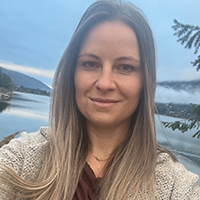
Shalane Wesnoski – Acclaimed
She, her, hers
Biography
I have been an RN for 14 years and am currently in my second term as the RCM for the WK Region.
My primary goal in my next term is to ensure I have successfully mentored others on the team so they are able to step into the RCM role. I am actively involved in a number of projects through the MESRR committee related to stewards and members, and I would like to see these through to completion. Ultimately, I want to continue working toward ensuring members identify more strongly with the union and that we remain responsive to their changing needs through a range of initiatives. I am focused on building a sense of community both locally and provincially, and on not being afraid to change, adapt, and learn through mistakes along the way.
Role based questions
- What do you see as the primary role of a regional council member in a member-driven union?
The primary role is strategic oversight of the BC Nurses Union as a board member you have a fiduciary obligation to the organization. This is closely balanced with the obligation to engage and represent members in your region and support the effective functioning of the union at a local level not only encouraging engagement but modelling and fostering activism within the Region and Province. - What is the single most important value a regional council member must have, and why?
Integrity. As Regional Council Members you are elected by the members in the region not only to represent them but also to make decisions on behalf of nurses across the province. This can include making changes to and implementing policies that directly impact members. Acting with integrity helps build trust with the members and ultimately strengthen our union and ensures that there is accountability for decisions made. - How can technology be used to strengthen member engagement, democratic participation, and accountability in the union - and what safeguards are necessary to ensure equity, privacy, and trust?
Technology could be utilized in two ways both to gather information and input from our membership quickly and ensuring a broad reach so that members voices are being heard and considered in decisions. It can also be utilized to allow broader access to information through things like townhalls, virtual information sessions, etc. - Describe your approach to listening to members who may feel unheard, marginalized, or frustrated with BCNU?
My approach is generally to listen first to really understand what is the underlying issue and ensure the member has had a chance to share everything they need to. Helping people to see where they may have some agency and ability to advocate is often my next step, when folks are frustrated with the union this can be a pathway to activism and empowering them to get involved and understand. - How do, or would, you approach conflict (i.e., between members within regional teams and/or Council, or between BCNU and the employer) while maintaining professionalism and fairness?
I see conflict as a normal and useful part of working together. I try to approach it with openness and respect, focusing on honest, direct conversations. I value setting clear expectations as a team so we have something to come back to when challenges come up. I try to ensure people feel heard and have what they need to move forward, and if we can't resolve something directly, I'm comfortable bringing in support to help us work through it. - How do you balance representing the will of members with responses to uphold bylaws, policy, collective agreements, and human rights obligations?
This may be one of the most challenging parts of this role. We represent so many members with different needs, beliefs and perspectives. My practice is to listen to understand and then ensure that folks have access to the information they need to get involved and influence the change they may wish to see. But also communicate where I am able to advocate and what things I am obligated to follow. - What past experience best prepares you for this role as regional council member, and what lessons from that experience will guide your work?
I think my experience working as an RN prepared me well to be a RCM. You learn so much about advocacy, balancing competing priorities, professional responsibility, systems and how to influence change. It also prepared me well for the long hours and sometime complex and changing needs and priorities in this job. - How do you communicate complex or controversial decisions to members in a way that builds trust, even when members disagree?
By sharing that the decision was openly and thoroughly debated, that many different points and perspectives were considered and ultimately this was the decision that was made. While members are not always happy with that ensuring they are aware that it was thoroughly considered and if appropriate some of the points that were considered can be helpful. - How do you ensure your decisions are informed by evidence, member input, and long-term considerations, rather than urgency or pressure?
I think this really depends on the decision that needs to be made. But my general practice is to ask really good questions and ensure i have the information i need to make a decision. Where there is urgency still slowing down to get the answers and where we have time not being afraid to take it, be thoughtful, consult with members or other parties I have really embraced a continuous improvement model of decision making and change course if needed based on results or new information provided. - Describe a concrete example where you used technology to improve communication, decision-making, or organizing. What worked, what didn’t, and what would you do differently as a union leader?
I have utilized electronic surveys to different groups to inform decision making specifically related to recommendations put forward from the MESRR committee (Member Engagement Steward Recruitment and Retention). This has allowed us to ensure that various groups feedback is incorporated as we make decisions and reevaluate them. I think one of the biggest things i would change is making sure there is enough time for consultation and utilizing technology to support change management. - How do you guarantee culturally sensitive interactions with your members?
I approach culturally sensitive interactions with humility, openness, and a commitment to ongoing learning. I listen actively, avoid assumptions, and adjust my approach based on individual needs. In our region, I'm mindful of Indigenous, Doukhobor, and internment camp histories. I incorporate Indigenous ways of being and knowing where appropriate and remain open to feedback, correcting myself to ensure interactions feel respectful and safe. - How has your understanding of the principles of diversity and/or equity and/or inclusion evolved?
Over the past five years, my understanding of DEI has really grown. I've moved from learning about the principles to seeking out opportunities to apply them. I have taken an active role in learning and unlearning, and I now pay closer attention to blind spots and systemic barriers that may disadvantage others, working to address them. I value open communication, creating space for learning, and staying open to feedback to continue improving.
Technical Questions
- What is your experience with Microsoft Word, Excel, and Outlook and what is your ability and willingness to learn new computer platforms and applications (e.g. BoardEffects, Expensify, Formstack, Ceridian Dayforce, ZOOM, Box, etc.)?
I feel I have a moderate level of proficiency with most technology platforms. I am always open to learning and utilizing new programs and systems. - Where and how have you developed your historical and technical base of understanding in all areas of the union’s work including bargaining and BCNU policies and procedures?
I would say my technical expertise has come as a result of active participation and on the job exposure. Prior to being an RCM I did not have the level of knowledge around how the union works. I have actively sought out opportunities to understand our structure and how the organization functions as well as look for opportunities to work closely with staff and others to move that work forward. - How would you describe your understanding of budgets and financial statements and the general structure and function of BCNU’s financial systems as well as the broad economic picture of BCNU?
I have a moderate level of understanding around our budgets and systems. I do not have technical expertise around some of the programs as these fall within the treasurer's role. But I actively participate in the budgeting process each year including putting forward proposals. I have a good understanding of our financial situation and the impacts of the not for profit accounting principles.
Communications Secretary
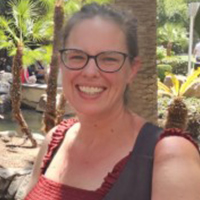
Laura Lockhurst – Acclaimed
She, her, hers
Biography
My name is Laura Lockhurst, and I am a Registered Nurse at Kootenay Boundary Regional Hospital. Born and raised in the West Kootenays, I am proud to continue building my life in this region with my husband and our three children. I am putting my name forward as a candidate for the BCNU Communications Secretary position for the West Kootenay Regional Executive.
Over the past three years, I have had the privilege of supporting our region through initiatives such as organizing mini regional dinners, the Nurses' Week roadshow, and education sessions, as well as promoting member engagement and advocating for members through upholding our collective agreement.
I am committed to supporting, advocating for, and representing the members of my region.
Role based questions
- How would you ensure regional communications are timely, accurate, and accessible to members with diverse needs and communication preferences?
I would utilize members' identified communication preferences through the use of a variety of platforms such as Cvent, Campaigner, WhatsApp, and social media.
Second, I would maintain regular and proactive communication with the Regional Council Members, BCNU head office, and the regional executive.
I would prioritize clarity and accessibility by tailoring messaging to meet diverse needs, ensuring content is concise, easy to understand, and inclusive across different communication preferences. - What tools or platforms have you used for newsletters, social media, or websites, and how would you use them to strengthen member engagement?
I have experience using a range of communication tools and platforms, including Cvent, Campaigner, email, social media, WhatsApp, and a variety of written materials, to support effective outreach and member engagement.
To strengthen member engagement, I would take a strategic, multi-channel approach by tailoring content to the strengths of each platform and the preferences of members. This includes delivering clear, relevant, and timely information. - How would you communicate difficult or controversial decisions while maintaining transparency and member trust?
I would communicate difficult or controversial decisions with a focus on clarity, transparency, and respect for members. I would provide clear, concise, and member-focused information that explains not only the decision itself, but also the rationale behind it.
I would ensure all communications are fact-based, accurate, and sourced directly from credible sources, avoiding personal opinion or speculation. - If misinformation begins circulating among members, how would you respond quickly and responsibly?
I would then communicate the correct information using members' identified communication preferences and established communication platforms, ensuring it is easy to access and understand. Where appropriate, I would also clarify the misinformation directly, while maintaining a respectful and professional tone.
In addition, I would use this as an opportunity to provide broader education through available resources, including digital platforms and in-person or verbal interactions. - How would you work with other regionally elected leaders, Council, and BCNU staff to ensure consistent messaging across the region?
I would work collaboratively with regionally elected leaders, Council, and BCNU staff to ensure messaging is aligned, accurate, and consistent across the region. This includes maintaining regular communication to confirm key messages, clarify expectations, and stay informed of any updates or changes.
I would prioritize verifying information with appropriate sources before sharing it, ensuring that all communications reflect a unified and accurate message. - How do union values such as integrity and solidarity inform how information is shared?
Union values such as integrity and solidarity guide how I share information. Integrity means ensuring all communication is honest, accurate, transparent, and free from bias, so members can trust the information they receive. It also includes clear explanations, timely updates, and acknowledging uncertainty when present. Solidarity ensures communication is inclusive, accessible, and respectful of diverse perspectives, while promoting unity, collaboration, and mutual support across the region. - Why do you want to serve in the role of Communications Secretary, and how will you ensure communications reflect member priorities and BCNU's Strategic Directions, rather than personal opinions?
I am motivated to continue serving as Communications Secretary to support my region through advocacy, education, and effective information sharing. I value keeping members informed, engaged, and connected while contributing to a strong, unified voice within BCNU. To ensure communications reflect member priorities and BCNU's Strategic Directions I would take an objective approach by actively seeking member feedback, aligning messaging with organizational goals, and relying on verified information. - How has your understanding of the principles of diversity and/or equity and/or inclusion evolved?
My understanding of diversity, equity, and inclusion has grown through my work with BCNU members. I recognize the importance of ensuring communications are accessible, inclusive, and reflective of diverse perspectives. I strive to identify and reduce barriers, listen to member feedback, and support equitable access to information, aligning with BCNU's commitment to fairness, respect, and inclusion. - How do you ensure your decisions are informed by evidence, member input, and long-term effects rather than urgency or pressure?
I ensure decisions are guided by evidence, member input, and long-term impact by first gathering accurate information from credible sources and relevant data. I actively seek and consider member feedback to understand priorities and concerns. I avoid reacting solely to urgency or external pressure by taking time to assess implications, align with organizational goals, and evaluate long-term outcomes before making informed, balanced decisions.
Lobby Coordinator
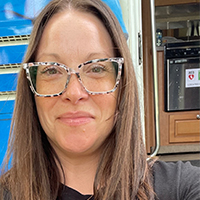
Tamara Roscoe – Acclaimed
She, her, hers
Biography
I have proudly served as the Lobby Coordinator for the West Kootenays for the past three years. In this role, I have built and maintained strong relationships with local and provincial government representatives, community leaders, and members of the public, ensuring our region's voice is consistently represented.I have strengthened member engagement across the West Kootenays by creating opportunities for connection, dialogue, and participation in local events, helping members feel informed, supported, and connected. Over this time, I have worked to elevate our regional presence, increase awareness of key issues, and support campaigns aligned with member priorities. I am hopeful to continue serving as your WK Lobby Coordinator this term.
Role based questions
- What is the role of a Lobby Coordinator, and how does it support members’ interests?
Over the past three years as Lobby Coordinator, I have advocated for members by building strong relationships with local and provincial governments to ensure their voices shape decisions affecting working conditions, patient care, and the sustainability of the healthcare system. I have also prioritized community engagement to keep the BC Nurses' Union visible, relevant, and connected-strengthening public trust and support for our members. - How would you identify and prioritize political or legislative issues that matter most to members?
I would work closely with the provincial lobby coordinator group to ensure alignment between strategic priorities and regional initiatives. In addition, I would remain well-informed on local issues and serve as a strong advocate for members' interests. - How would you communicate BCNU positions effectively to elected officials or decision-makers?
I would focus on building ongoing relationships-not just one-time interactions-by scheduling regular meetings, and following up with actionable recommendations. I also align my engagement with BCNU's campaigns to ensure consistent, strategic messaging that has local, regional and provincial impact. - How would you ensure your advocacy reflects BNCU's Strategic Directions rather than personal political views?
I would remain non-partisan while being politically engaged, ensuring my advocacy stays aligned with BCNU's strategic direction and focused on advancing member outcomes. By focusing on the frontline nursing experience and by presenting solutions that are actionable to officials maintains credibility across the political spectrum while consistently advancing the priorities of nurses in the healthcare system. - How would you work with members, regional elected leaders, coalitions, and community partners to advance BCNU goals?
I would ensure I am present in the community, engaged with members, and aware of local pressing issues. By building relationships with stakeholders and maintaining a visible presence, I would strengthen trust and collaboration. This supports BCNU's goals by ensuring advocacy is grounded in real community needs and contributes to positive outcomes for members and the broader healthcare system. - How would you navigate political pressure while maintaining information and union integrity?
I would collaborate closely with the Provincial Lobby Coordinators, maintain regular communication with my regional council member, and make effective use of union resources, including the Communications and Campaigns Officer. - Why do you want to serve in the role of Lobby Coordinator, and how will BCNU values guide your political advocacy?
I wish to continue in the Lobby Coordinator role to further advocate for our members at the regional and provincial levels across political, community, and social spheres. I am aligned with BCNU's values in promoting safe work environments, strengthening the public healthcare system, and supporting the delivery of high-quality, professional, and compassionate care - How has your understanding of the principles of diversity and/or equity and/or inclusion evolved?
I have immersed myself in learning opportunities related to diversity, equity, and inclusion, and my understanding has continued to evolve. I have also supported our regional caucus groups and networks, helping to foster and maintain inclusive environments where members feel heard, respected, and represented. - How do you ensure your decisions are informed by evidence, member input, and long-term effects rather than urgency or pressure?
I ensure my decisions are grounded in a balanced approach that incorporates facts, member input, and consideration of BCNU's integrity and long-term impacts. I actively listen to member feedback and perspectives to ensure decisions reflect lived experience and frontline realities.
Mental Health Representative
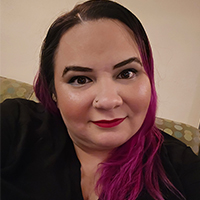
Samantha LeDrew - 113 votes
She, her, hers
Biography
Hello. My name is Sam. I am Cree and have worked in health authorities since 2011, becoming an LPN in June 2021. I have had a passion for mental health since 2014 and strive to take a wholistic perspective in my practice. I currently work as an LPN on a medical unit and have been a BCNU Steward since Sept 2024. I have experience in both acute and community health settings. I teach violence prevention and have completed the UBC Indigenous Health Administration and Leadership (Feb 2025-Feb 2026). My practice is grounded in psychological safety, DEI, and culturally safe care. I aim to advance mental health advocacy by reducing stigma, strengthening supports, and ensuring members' voices guide action on burnout, trauma, and workplace stressors.
Role based questions
- What do you see as the key responsibilities of a Mental Health Representative within the union?
To me, the Mental Health Representative ensures mental health stays visible and supported - not just in crisis, but consistently. I would work with OHS Stewards on campaigns and initiatives, act as a liaison for the Long-Term Disability Caucus, and promote education to reduce stigma. Raising awareness of psychological safety standards and respectful workplace policies is key. Most importantly, I would be approachable and committed to reducing barriers so members feel safe seeking support. - How would you balance support for members’ mental health and BCNU's Strategic Directions?
Mental health isn't theoretical - it's short staffing, moral distress, and emotional exhaustion. Supporting it is foundational to BCNU's Strategic Directions. As Mental Health Representative, I would prioritize psychological safety, clear access to supports, and honest conversations about workload and burnout. Advocating for safe staffing and respectful workplaces addresses systemic drivers of harm. Healthy nurses strengthen our union and our profession. - How would you promote mental health awareness and reduce stigma among members?
Stigma decreases when mental health is discussed openly and without judgment. I would normalize conversations about burnout, moral distress, and trauma so members feel less alone. Through education, outreach, and collaboration with OHS Stewards, I'd reinforce that psychological safety is a workplace issue, not a weakness. By being approachable and fostering honest dialogue, we create support, reduce stigma, and build resilience. - How would you respond when members are in distress or facing systemic mental health challenges at work?
My first priority is creating a safe, approachable space and meeting members where they're at. I welcome emotion and listen without judgment. If solutions are needed, I help explore options and connect members to OHS, Professional Responsibility, or other supports. I ensure awareness of the Mental Health Benefit Trust and counselling resources. Compassion comes first, while also addressing the systemic causes of distress. - How would you work with stewards, health and safety reps, regionally elected leaders, and BCNU staff mental health issues?
I would be truly honoured if a leader trusted me with their mental health. Stewards and elected reps carry significant responsibility and can experience burnout, trauma, and personal stress. I would respond with compassion, strict confidentiality, and non-judgment, taking time to understand what support they need. If systemic concerns are identified, I would explore thoughtful next steps while protecting privacy. Supporting those who support others strengthens our union. - How do diversity, equity, and inclusion inform your approach to mental health advocacy?
Diversity, equity, and inclusion are foundational to mental health advocacy because mental health isn't experienced equally. Culture, identity, racism, and intergenerational trauma shape well-being and access to support. As an Indigenous person raised in a trauma-affected family, I understand these impacts deeply. Equity means culturally safe spaces, anti-racism advocacy, inclusive resources, and ensuring every member feels seen, respected, and valued. - Why do you want to serve in the role of Mental Health Rep, and how will you ensure members’ lived experiences shape your work?
I want to serve as Mental Health Representative because this work is personal. After recognizing my own PTSD, I gained insight into how complex and invisible mental health struggles can be. Working in the DTES strengthened my belief in compassion and honest conversation. I'm willing to address burnout, trauma, and stigma directly. By listening first and carrying members' voices into advocacy, I aim to ensure no one feels alone and support reflects real needs. - How has your understanding of the principles of diversity and/or equity and/or inclusion evolved?
My understanding of DEI has grown from values to daily responsibility. As an Indigenous nurse and through leadership training in Indigenous health, I've learned equity isn't treating everyone the same - it's addressing systemic barriers and historical harms. Inclusion requires intentional action and culturally safe leadership. DEI is ongoing work grounded in listening, reflection, accountability, and creating spaces where people feel truly safe, heard, and valued. - How do you ensure your decisions are informed by evidence, member input, and long-term effects rather than urgency or pressure?
In nursing, urgency doesn't always mean clarity. In leadership, I pause to assess evidence, impact, and long-term consequences. I prioritize listening to member input, especially those directly affected, and consider different perspectives. I ground decisions in policies, standards, and best practices rather than emotion alone. I also reflect on sustainability, ensuring actions don't create future harm. This balance leads to fair, informed, and thoughtful decisions.
Heidi Mcnair - Elected - 157 votes
She, her, hers
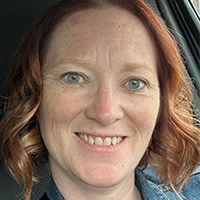
Biography
Heidi McNair-Mental Health Rep- 20 years in healthcare and 16 years as a nurse currently working toward Registered Psychiatric Nursing Diploma. Knowledge gained as Regional Mental Health Rep and my own experiences has provided me with the ability and passion to help support Mental Health initiatives in our area. I have enjoyed meeting so many nurses through check ins and have witnessed your struggles while working alongside our Regional O H & S Rep to help advocate for change for our members to support Mental Health and Safety. I recognize the struggles we are facing in our career, communities and life. I am committed to fighting the change that needs to happen to support Mental Health. I see and support you.
Role based questions
- What do you see as the key responsibilities of a Mental Health Representative within the union?
Responsibilities of the Mental Health rep are to obtain and provide needed support information delivered by the provincial team to the rest of the members within the region they are responsible for . The Mental Health rep will work closely with the Occupational Health and Safety rep to ensure that members feel they are supported by their union when mental health and psychological concerns are not being supported by their collective agreement and members do not feel supported. - How would you balance support for members’ mental health and BCNU's Strategic Directions?
Working together with our regional team I will support member's mental health with check ins to sites or meetings to listen to the concerns of members at their worksites. I will work within the rest of my regional team to collaborate and form a plan so that members get the information they need to ensure that they know that their mental health matters. Our regional team shares responsibilities to support members at different events to hear concerns and ensure support. - How would you promote mental health awareness and reduce stigma among members?
Education is the key to reducing stigma. Ensuring that members feel safe from harm and discrimination and normalizing the use of mental health supports for everyone at meetings and events. Promoting the use of the Mental Health benefit and other funding supports that are provided to help those that have been impacted by mental health related injuries will keep information current and available to improve member engagement at meetings and events. - How would you respond when members are in distress or facing systemic mental health challenges at work?
Responding to members distress and allowing their voice to be heard around their mental health challenges and bringing them forward through the right channels to enable change to happen when needed will ensure members are feeling supported and acknowledge. I will ensure they get the help needed to ensure they can continue to feel safe and protected from the challenges they are facing. - How would you work with stewards, health and safety reps, regionally elected leaders, and BCNU staff mental health issues?
Working within a team approach to support our region with any mental health initiatives and in collaboration is key to continuing to support our members throughout the province to ensure everyone that can be impacted by mental health will be provided with the proper resources to ensure continued psychological health and safety. Working within different levels to ensure proper information channels are connected for the delivery of appropriate information will be an important team approach. - How do diversity, equity, and inclusion inform your approach to mental health advocacy?
I feel that diversity, equity and inclusivity being supported as an equal and opportunistic educational initiative helps to promote de-stigmatization of mental health and promote supported advocacy through listening to the stories and experiences of those that have been impacted. The lived experience of individuals that have been negatively impacted in the past are learning experiences for those of the future. - Why do you want to serve in the role of Mental Health Rep, and how will you ensure members’ lived experiences shape your work?
I have personally been impacted by stigmatizations in my life and know the mental health impacts it has had on myself, family and friends that have also suffered their own stigmatizations. The impacts that I have experienced have shaped the person I currently am today and knowing that I was able to overcome each hurdle that my life has thrown at me will provide me the knowledge and passion to support and advocate for my fellow colleagues and friends. - How has your understanding of the principles of diversity and/or equity and/or inclusion evolved?
I have always been a huge supporter of diversity, equity and inclusion from the time I was a child. My life experiences have brought me the ability to see people for who they are on the inside and know that they too have struggled at some point in their life. It has helped me to support my patients in the past and given me the passion and drive to continued advocacy so that others will also become advocates of these three principles. - How do you ensure your decisions are informed by evidence, member input, and long-term effects rather than urgency or pressure?
I listen to what the members have to say and validate their concerns. I collect member input to ensure that information being delivered is appropriate and accurate to support their needs. In listening to members in attendance at meetings and reports of repetitive issues gives insurance that their concerns deserve validation and investigation for improvements.
Candidate Attestations
- I have disclosed any other current union, board, employment, or governance roles that may intersect with my duties and responsibilities as a BCNU executive officer if elected.
I am not part of any of the above other that currently in the role of Regional Mental Health Rep.
Melinda Otoroh - 128 votes
She, her, hers
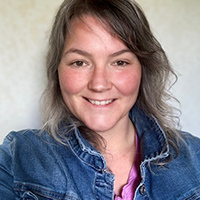
Biography
I am a Licensed Practical Nurse with experience in several fields of nursing where I've developed strong understanding of clinical, emotional and systemic pressures nurses face everyday. Several years of working as a nurse has shown me how workload, shift work, staffing challenges and complex care needs directly impact both patient care and mental health of nurses.
Through my involvement with the BCNU, and hearing of the stresses nurses have, my interest in mental health advocacy and support has developed. I am a approachable, strong listener, and have a commitment to creating a psychologically safe workplace and a space and where members feel comfortable speaking openly about stress, burnout, and workplace challenges.
Role based questions
- What do you see as the key responsibilities of a Mental Health Representative within the union?
The key responsibilities as a Mental Health Representative with BCNU is to advocate and support nurses psychological well-being and create an work atmosphere that is feels safe and welcoming. Also, education, awareness and collaboration with other members are key roles. - How would you balance support for members’ mental health and BCNU's Strategic Directions?
Offering information and connecting members with resources aligns with membership access to information. It will also strengthen our Union by empower members with knowledge. As a Mental Health representative I will be holding employers accountable to collective agreement obligations Article 32.06 psychological health and safety and the 13 psychosocial factors. - How would you promote mental health awareness and reduce stigma among members?
I would utilize union specific tools to assist members and initiate conversations about mental health. It is also important to normalize it; To relate to nurses by relating psychological health impacts as burnout, moral distress, compassion fatigue, or shift work exhaustion. Challenge that this is just, "part of the job"! - How would you respond when members are in distress or facing systemic mental health challenges at work?
I would listen, address any urgent aspects and safety concerns and validate their feelings. I would offer choices of how I can assist, by just listening, documenting or making referrals etc. I would also offer a follow-up in a specific time frame. - How would you work with stewards, health and safety reps, regionally elected leaders, and BCNU staff mental health issues?
I feel I would collaborate well with representatives and leaders. I feel with stewards I can discuss addressing mental health in the workplace at JUMMs and have managements support. With OH&S discussing psychological injuries related to compassion fatigue and shift work exhaustion . With Leadership I would flag concerns or discuss resolution ideas. - How do diversity, equity, and inclusion inform your approach to mental health advocacy?
As the Member of Disabilities caucus representative I would continue to support members of the DEI . I would combine the roles to promote: validating without requiring justification, and ensuring their voice is included in decisions. I want to advocate for members and help them navigate steps. - Why do you want to serve in the role of Mental Health Rep, and how will you ensure members’ lived experiences shape your work?
I have struggled with psychological health in my career as a nurse and want to be the person I needed when I struggle. - How has your understanding of the principles of diversity and/or equity and/or inclusion evolved?
My understanding of the principles have grown significantly since becoming a steward in 2024. I have gone from feeling everyone should be treated the same and respected to realizing not everyone starts from the same place and recognizing barriers tied to culture, disabilities, workload and other circumstances. Now I want to do my part and support others, guide them through processes and procedures, identify barriers and create opportunities. - How do you ensure your decisions are informed by evidence, member input, and long-term effects rather than urgency or pressure?
When an issue are brought forward I would start with collecting all the details before giving input. My aim would be to stabilize the situation and follow up once clear concerns and resolves are available. I would collaborate with other Union representatives as seen fit. I would utilize resources for collecting information or supporting documents from the BCNU site, the collective agreement and/or IH such as EFAP, policies procedure outlines.
Candidate Attestations
- I have disclosed any other current union, board, employment, or governance roles that may intersect with my duties and responsibilities as a BCNU executive officer if elected.
Melinda Otoroh
Occupational Health and Safety Representative
Brigette Henning – Acclaimed
She, her, hers
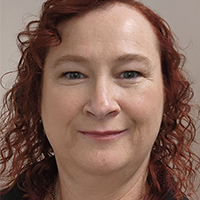
Biography
I bring over 30 years of experience working in health care in a variety of roles, giving me broad exposure to clinical environments, workplace dynamics, and the critical importance of safety in all aspects of care delivery.
Over the course of my career, I have developed a strong understanding of the challenges faced by nurses and the systems that support safe and effective practice. I have consistently demonstrated a commitment to maintaining safe work environments and have taken a keen interest in OH&S throughout my professional life.
My experience has strengthened my ability to respond and has reinforced my belief that nurses safety is essential to quality patient care.
Role based questions
- What experience do you have with workplace health and safety, and how would you advocate effectively for safer workplaces?
I have over three years of experience serving as the Regional OHS Representative in the West Kootenays, in addition to my role as the site OHS rep for Arrow Lakes Hospital. In these positions, I have developed a strong, practical understanding of safety regulations, hazard identification, and incident prevention within healthcare environments. A key aspect of my work has been building and sustaining active, engaged OHS committees across all regional sites. - How do you stay informed about occupational health and safety legislation and best practices?
Through ongoing education, consistent committee engagement, and a proactive approach, I am committed to continuously strengthening workplace safety standards. My experience has demonstrated that effective advocacy is grounded in consistency, collaboration, and a genuine commitment to safeguarding the health and well-being of all staff. - How would you identify and prioritize health and safety risks affecting members in diverse workplaces?
To identify risks, I take a comprehensive and inclusive approach by reviewing incident reports, near-miss data, and workplace inspection findings, as well as consulting directly with workers, supervisors, and JOHS committees. Engaging with individuals across a variety of roles, departments, and sites is essential to capturing a broad range of perspectives and ensuring that less visible or emerging hazards are identified & addressed proactively. - How would you handle disagreements with employers on safety issues?
Ultimately, my priority is to advocate effectively for nurses while fostering a collaborative environment in which safety concerns are addressed promptly and responsibly. I ensure a thorough understanding of each issue and its potential impact on nurses' health and safety before acting. I utilize JOHS committees to facilitate constructive dialogue and ensure clear, agreed-upon documentation. When necessary, I escalate concerns by engaging a WBC Prevention Officer, to ensure compliance. - How would you explain safety rights or hazards to members and stewards in a clear and practical way?
I would explain using clear, practical, and relatable ways by focusing on what they mean in day-to-day work. I break down key concepts-such as the right to know, the right to participate, and the right to refuse unsafe work-using straightforward language and real workplace examples so nurses can easily understand how these rights apply to their roles. When discussing hazards, I focus on what to look for, why it matters, and what actions to take. - How would you work with stewards, regionally elected leaders, Council, and BCNU staff to advance BCNU's Strategic Directions?
BCNU's strategic direction focuses on improving outcomes for both members and patients. I am committed to strengthening member participation, activism, and education to support collective action and a strong unified voice. I will also continue to advocate for safe staffing levels, improved working conditions, and the delivery of high-quality patient care. - Why do you want to serve in the role of Occupational Health and Safety Rep, and how will you ensure members’ safety concerns drive your work?
I was drawn to this role after experiencing firsthand what it feels like for health and safety concerns to go unheard. Since then, I have remained committed to ensuring that nurses' safety is consistently prioritized and kept at the forefront of all discussions and decision-making processes. - How has your understanding of the principles of diversity and/or equity and/or inclusion evolved?
Initially, I viewed OHS primarily through the lens of compliance and hazard control. Over time, I have come to understand that equity plays a critical role in how risks are identified, communicated, and addressed. Different groups of workers may face different levels of exposure to hazards, barriers to reporting concerns, or challenges in accessing safety information. - How do you ensure your decisions are informed by evidence, member input, and long-term effects rather than urgency or pressure?
I rely on available evidence, including incident reports and workplace inspection findings, to inform my decision-making. I also consider the long-term impact of each decision, evaluating whether it will sustainably reduce risk, enhance compliance, and contribute to a positive safety culture over time. When faced with pressure, I remain grounded in established processes, ensuring that even time-sensitive decisions are supported by the best available evidence whenever possible.
Professional Responsibility Advocate
Samantha McKinley – Acclaimed
She, her, hers
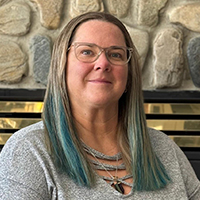
Biography
I want to continue serving as the PR Advocate because I am committed to supporting safe, ethical, and high-quality care while ensuring members feel heard, respected and fairly represented. This roll allows me to contribute to both patient safety and a strong, supportive workplace culture.
I am particularly motivated by the chance to bridge understanding between professional standards and collective agreement language, helping members apply both in a way that supports safe practice. I also want to help resolve concerns early, through education, guidance, and collaboration, rather than allowing issues to escalate unnecessarily.
Re-elect Samantha McKinley for Professional Responsibility Advocate- because your voice matters!
Role based questions
- What does professional standards mean in a union context, and why is it important for members and the public?
Professional standards is referring to the expectations and guidelines that define how members are required to perform their duties. These standards include competence, ethical behavior, accountability and adherence to workplace policies, as well as regulations set by BCCNM. This helps protect both our careers and reputations. Union members are better equipped to practice safely and confidently in our roles. For public, ensures safe, quality and trust. Public rely on trained professionals. - How would you balance accountability, fairness, and compassion when professional concerns arise?
One needs to respond in a way that protects the public while treating the individual with respect and dignity. Balancing these elements means not rushing to judgment. If an error occurs, accountability ensures it is addressed, fairness ensures a thorough and unbiased review, and compassion ensures the member is supported in learning from the situation. This creates a process that addresses concerns responsibly, supports professional growth and maintains trust with the public. - Describe how you would approach sensitive or contentious professional standards issues.
I would gather facts objectively and maintain confidentiality. Review policies and standards set by BCCNM. Ensure clear, respectful communication in private, allowing them to respond and I to listen without judgment. Allow fairness and due process along with compassion by considering context such as workload, stress or system challenges. If the issue is contentious, I would focus on staying calm and involving appropriate supports if needed. Documentation and follow-up help ensure accountability. - How would you explain complex or emotionally charged standards issues to members?
I would focus on clarity, respect and calm communication. I would use simple, factual language to explain the concern and relevant standards, including BCCNM. Ensure transparency about next steps, timelines and rights such as union representation, while allowing members to ask questions and share their perspective. Using empathy and a neutral tone to help reduce tension and keep the conversation professional. I would also offer support where appropriate and confirm understanding before ending. - How would you work with regionally elected leaders and BCNU staff in managing sensitive professional issues at diverse worksites?
I would use clear communication, coordination and respect for everyone's role. I would ensure timely sharing of factual information so everyone understands the issue and share information only to those directly involved. I would consider local context while maintaining consistency, ensuring responses are fair but adaptable to different worksites. I would follow up and communicate to keep track of the progress and resolve issues effectively. - How would you ensure members understand professional standards in comparison to collective agreement language?
I would explain to members that professional standards and the collective agreement are related but serve different purposes. Professional standards, set by bodies like the BCCNM define safe, ethical and competent practice How work must be done to protect the public. The collective agreement outlines working conditions such as staffing, scheduling and pay. This is what the employer and union have agreed to provide. Standards guide practice, while the collective agreement governs conditions. - Why do you want to serve in the role of Professional Practice Advocate, and how will BCNU values guide your decisions?
I am motivated by the opportunity to help members navigate difficult professional issues early, through guidance , education, and collaboration, rather than allowing concerns to escalate into formal discipline. I also value the chance to contribute to safer patient care by helping nurses understand and apply professional standards consistently in their practice. My approach would be guided by the core values of the BCNU, including advocacy, fairness, integrity, respect and accountability. - How has your understanding of the principles of diversity and/or equity and/or inclusion evolved?
I have evolved from simply treating everyone the same to recognizing that fairness often requires different supports based on individual needs and barriers. In professional practice, I've come to see DEI as essential to safe, effective care and decision-making, not just a value or principle. It improves communication, strengthens trust, and helps reduce bias in how we support members and address concerns. An active, ongoing practice that supports fairness, safety, and better outcomes for all. - How do you ensure your decisions are informed by evidence, member input, and long-term effects rather than urgency or pressure?
I'd start by reviewing facts, policies and professional standards, including guidance from BCNM to keep decisions evidence based. I would then ensure I hear and consider member input, including their perspective, context and representation where applicable. Finally, I would assess the long-term impact, focusing on patient safety, fairness, consistency and workplace culture rather than just immediate outcomes. Consider long-term effects to ensure fair and balanced decisions.
Steward Liaison
Derrilyn Sbitney – Acclaimed
She, her, hers
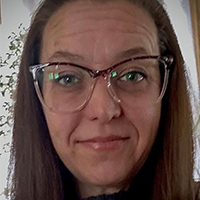
Biography
I am a dedicated union member with strong commitment to consistent communication to strengthen our collective knowledge and voice. Through my recent experience as an Interim Steward Liaison, I have gained a solid understanding of the challenges both stewards and members face as well as the importance for the continuity of a transparent, strong and knowledgeable Regional Team. Through my years of experience in many roles as a bedside nurse, I have firsthand understanding of the labour issues and hope to improve areas such as workplace safety and nursing ratios while upholding Collective Agreement language to stand strong and consistent to ensure all workers' rights. I am a proven passionate and consistent Steward Liaison.
Role based questions
- What do you see as the primary responsibilities of a Steward Liaison, and why are stewards critical to a strong union?
Primary responsibility of the Steward liaison is supporting and guiding Regional Stewards in through effective communication and education needs to ensure support for all members. Furthermore, creating opportunity for networking and relationship building to recruit and retain stewards to create results. Exhibiting strong leadership and communication skills to guide Stewards in staying up to date with Union information and connections to ensure a cohesive and strong Steward knowledge. - How would you support stewards with varying levels of experience and confidence?
Supporting stewards with varying levels of experience and confidence requires constant communication and addressing knowledge needs and understanding that different people learn in different ways. Reviewing and adapting educational needs to best reflect the team. - How would you ensure information flows effectively between stewards, members, and regional elected leadership?
I would ensure information flows effectively by providing multiple ways to engage and present up to date knowledge such as mini regionals; face to face conversations at multiple sites; consistent communication with all team members addressing needs and supporting growth. - Describe how you would assist stewards when workplace issues escalate or become complex.
I would support Stewards in complex issues by drawing on multiple areas of information; including but not limited to the regional SAL; LRO; contract language; appropriate areas such as EDMP/JOHSC/LEAP/PRF/DEI portfolios to ensure most expertise knowledge was highlighted. - How would you collaborate with regional elected leaders, Council, and BCNU staff to strengthen steward effectiveness in furtherance of the BCNU's Strategic Directions?
Bring the Strategic Directions to the forefront of all rationale for plans for sites and consistently highlight how the Strategic Directions provide the foundation for a strong and cohesive Union message. - How do solidarity and equity guide your approach to supporting stewards and members?
Solidarity and equity guide my approach to supporting stewards and members with consistent and transparent communications and a practical guide for how I would lead the team, make decisions and build trust. Treating all members the same and advocating for marginalized members by recognizing different needs and barriers and adjusting my support to ensure the best outcome for all members. - Why do you want to serve in the role of Regional Steward Liaison, and how will you remain accountable to stewards and the broader membership?
As regional Steward Liaison I would be transparent, follow through and invite feedback. I would work diligently to remain consistent in my active recruitment, retainment and education of all members while highlighting the Strategic Directions as a rationale for our ways of being. - How has your understanding of the principles of diversity and/or equity and/or inclusion evolved?
They have evolved as my continued growth through education and application in Union membership and guiding principles becomes better defined. Strong leadership skills such as accountability; awareness and action guide these principles and this is an area i look to gain strength and knowledge in. - How do you ensure your decisions are informed by evidence, member input, and long-term effects rather than urgency or pressure?
I ensure my decisions are informed with constant review and engagement of knowledge with a variety of sources. I continually engage with regional executives and their areas of knowledge, the collective agreement and most recent communications from the provincial teams in various portfolios.
Treasurer
Peter Herd - Elected - 224 votes
He, him, his

Biography
I am seeking your support for the Treasurer position. I have proudly served as a Steward since joining BCNU in 2012 and have always valued the opportunity to connect with and support members. I truly enjoy the heightened involvement of being on Executive. My previous 2 terms as treasurer have been rewarding.
I am approachable, open and easy to talk to. At the same time, I am able to be clear, direct and effective when advocating with management. I am passionate about engaging members across all stages of their careers, from students to retirees.
With a background in teaching and mentorship that began in my teens, I bring strong communication skills and a commitment to supporting others. I look forward to continuing in this role.
Role based questions
- What experience do you have with budgeting, financial oversight, or reporting, and how will you ensure members’ dues are managed responsibly and transparently?
I have experience in preparing the Regional budgets as a past and current Treasurer. I have completed 2 terms. I will ensure members dues are managed responsibly by following policy and by answering questions from members, while providing education as well. - What financial tools or systems have you used, and how would you use technology to improve accuracy, reporting, or accessibility of regional financial information?
I have experience using Formstack, Netsuite and the member dashboard. i use the member portal to check policy if unsure of where to code something to and email or text with resource people as needed. - How would you explain a difficult or controversial financial decision to members in a clear, accessible, and respectful way?
I use a higher level summary to convey the information, trying not to give more information than needed and causing confusion. - Describe a time you had to question a financial decision or raise concerns about governance or spending. What guided your approach?
I have used email to clarify if unable to talk to individual directly. If talking to an individual or group, I try to remain factual with information and inquisitive to other opinions. - When there are disagreements about spending priorities, how would you manage conflict while upholding union values and maintaining trust?
If it is with my Executive group, we discuss the options and then vote. The decision made by majority, is the presented to the membership as a unified group. - How do you see the Treasurer working with other regionally elected leaders, Council and BCNU staff to support effective regional governance?
By being inquisitive to differing opinions, allowing all to share what they wish and then using a majority decision. - Why do you want to serve in the role of Regional Treasurer, and how will you ensure your decisions consistently reflect the needs, equity considerations, and voices of members all while supporting BCNU's Strategic Directions?
I want to serve as the Treasurer because being on the Executive brings more information and opportunities for involvement. I will make sure my decisions reflect he needs, equity considerations and voices of members by engaging members and hearing their thoughts and opinions and then find appropriate venues to bring them forward. - How has your understanding of the principles of diversity and/or equity and/or inclusion evolved?
They have evolved by being open to different or new opportunities and being inquisitive and asking questions to educate myself in matter I am not familiar with. - How do you ensure your decisions are informed by evidence, member input, and long-term effects rather than urgency or pressure?
I do research, check Policy and engage members. If there is urgency or pressure, I gather when possible or consider what I feel the majority of members would want.
Victoria Nevakshonoff - 175 votes
Biography
I have previously had the privilege of serving as a steward, young nurses network rep, steward liaison, and rural ratio rep. During that time, I've had the opportunity to meet many members across the region and feel I am ready to take on a new challenge in running for treasurer. I hope to be able to spend the next term collaborating with the regional executive team to bring the membership education, outreach and events where they feel their union dues are not spent wisely while also fulfilling the unions strategic directions effectively.
Role based questions
- What experience do you have with budgeting, financial oversight, or reporting, and how will you ensure members’ dues are managed responsibly and transparently?
Prior to becoming a nurse, I worked in office environments where I was required to manage finances. I will ensure dues are managed responsibly by collaborating with the regional executive to review member feedback and determine the most effective allocation of funds for our region. - What financial tools or systems have you used, and how would you use technology to improve accuracy, reporting, or accessibility of regional financial information?
I am well versed in Boomi, and would use the knowledge of past treasurers and co treasurers to troubleshoot new programs as needed. My goal would be to use tech to create simple ways for membership to understand the financials, an example being creating graphs to represent past and current spending. - How would you explain a difficult or controversial financial decision to members in a clear, accessible, and respectful way?
I would review with the regional executive and consult the provincial treasurer as needed to ensure my understanding is correct prior to distributing information. Then I would draft bullet points to make the information consistent and easy to understand. - Describe a time you had to question a financial decision or raise concerns about governance or spending. What guided your approach?
I always approach these questions with curiosity. I understand that although I may not agree with a decision, they are made with the benevolence of the entirety of the union in mind. I question to understand, not to disagree and start an argument, as I feel unnecessary conflict takes away from the important work of the union. - When there are disagreements about spending priorities, how would you manage conflict while upholding union values and maintaining trust?
I would encourage members to file complaints where appropriate, and consult and review the bylaws to ensure we all understand our priorities and strategic goals of the union. - How do you see the Treasurer working with other regionally elected leaders, Council and BCNU staff to support effective regional governance?
I believe the treasurer plays a vital role in effective governance. I would consult the entire regional team to make the best fiscal decisions for our region, understanding that WK is unique in its needs and resources available. - Why do you want to serve in the role of Regional Treasurer, and how will you ensure your decisions consistently reflect the needs, equity considerations, and voices of members all while supporting BCNU's Strategic Directions?
I look forward to a new challenge in the treasurer role. I will constantly collaborate with executive and members alike, with the goal of gathering feedback from all to ensure we are meeting our strategic directions efficiently. - How has your understanding of the principles of diversity and/or equity and/or inclusion evolved?
Having been injured at work, I feel I have a better understanding of the challenges injured workers face. I do not identify with any equity seeking caucuses at this time, but have had the privilege of collaborating with reps during my time as YNN rep. I feel I've created and maintained relationships through that experience that would be beneficial in the treasurer role. - How do you ensure your decisions are informed by evidence, member input, and long-term effects rather than urgency or pressure?
Having had the privilege of being a steward and steward liaison previously, I feel I've been able to get a good understanding of the foundational needs of the region. Should those change, I am open to feedback.
BCNU Election Candidate Attestations
All regional candidates have affirmed yes to attestations (1-9) below:
- I am a member in good standing of BCNU, with no outstanding disciplinary proceedings, and meet all BCNU Constitutional and Bylaw eligibility criteria for the position I am seeking.
- I commit to upholding BCNU’s Constitution and Bylaws and the Policies and Procedures, and will engage in ethical, respectful, and inclusive conduct during the election and throughout any term in office.
- I have reviewed and understand the fiduciary duties and responsibilities as described in Policy 2.0.1 and in the job description, including the duties of care, loyalty, compliance, confidentiality, and accountability to BCNU’s vision, mission, values, and members.
- I affirm that I will protect and safeguard any member information, BCNU internal documents, or confidential records that may be made available to me during the course of this election or while in office.
- I will disclose any real, perceived, or potential conflicts of interest prior to or during my candidacy and, if elected, will comply with all conflict-of-interest policies and governance requirements.
- I have reviewed and understand the election code of conduct as stipulated in Policy 2.0.7, including the guiding principles for BCNU elections, candidate and BCNU member roles and responsibilities, and the rules pertaining to campaign materials.
- I will not engage in any campaigning, communications, or actions that may be reasonably understood to involve misinformation, personal attacks, or harassment, and I understand that such behaviour may result in immediate removal from the election process.
- I hold current registration in good standing with the British Columbia College of Nurses and Midwives (BCCNM) and confirm there are no current findings of professional misconduct, suspension, or conditions on my nursing license.
- I understand that all attestation statements are subject to verification by the BCNU Nominations Committee, and false declarations may result in immediate disqualification from candidacy or immediate removal from elected office.