

 Appetite for Change
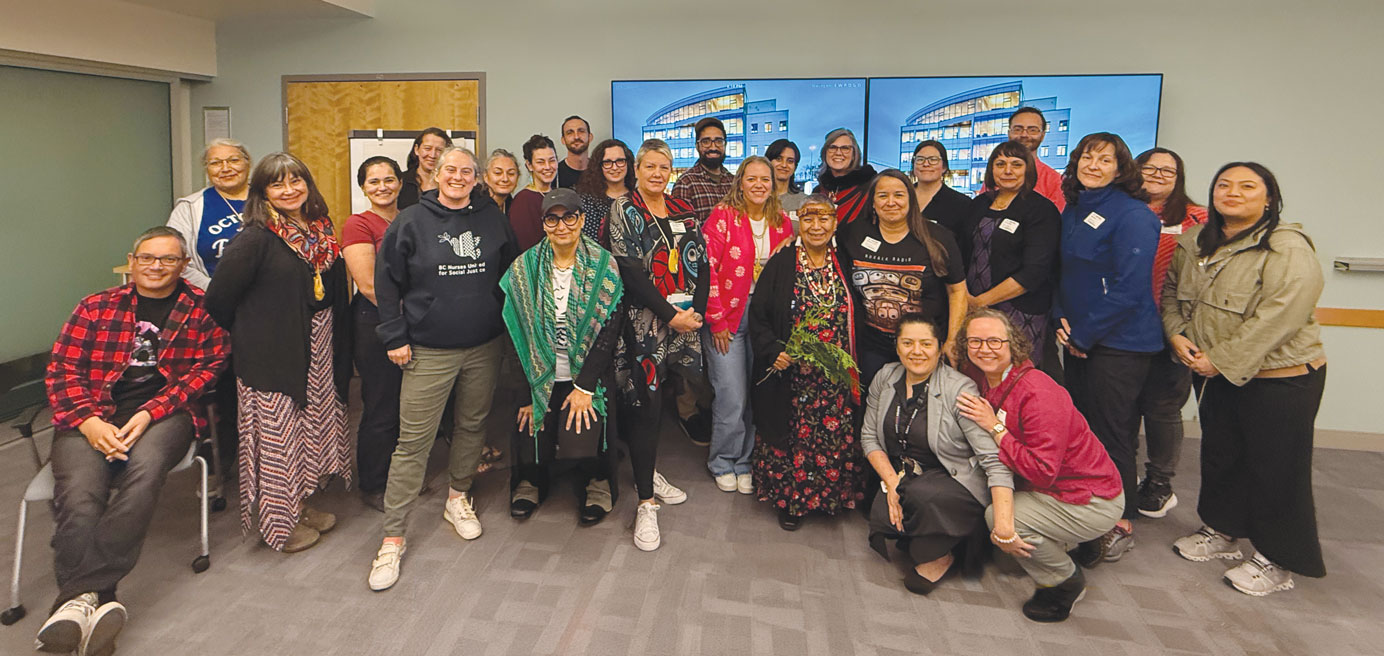
ACTION IN HEALTH CARE Members, special guests and BCNU staff attend a dinner in honour of the National Day for Truth and Reconciliation at the BCNU offices on Oct. 7.
Across British Columbia, nurses are pushing for a more just and inclusive health-care system. In 2024, BCNU’s Diversity, Equity Inclusion (DEI) 101 dinner series created space members to hold face dialogue about the challenges they encounter in their workplaces how union can better support its diverse membership. Rooted union’s commitment advancing human rights, dinners brought together share lived experiences, identify systemic barriers work discuss solutions that advance rights equity workplace, our communities across the health-care system.
From internationally educated (IEN) building new lives careers BC, Indigenous calling attention enduring impacts of colonialism racism, frontline advocates confronting toxic drug crisis, each gathering told different story. Together, revealed shared appetite change – ways foster safer, healthier workplaces.
Building Belonging: IENs Share Their Stories
September, committee invited recently licensed welcome at office Burnaby. The event’s goal was twofold: hear directly from first two years practise understand recent provincial initiatives such as streamlined credential recognition is playing out on ground.
“We’re spreading the word so more people will feel safe enough to reach out and ask for help.”
- Hedy Wolff
Sheron Kaur is a neuroscience nurse at Lions Gate Hospital. She graduated as a registered nurse in Chandigarh, India in 2019 and worked in trauma surgery before moving to BC. She recalls navigating the registration process quickly and receiving her BC nursing licence in three weeks. Other IENs, she says, have not been as lucky.
“Many IENs face really long delays,” she said. “Some end up working odd jobs while enduring a licensing process that’s lengthy and complex.”
These delays reflect a national pattern. Amid a country-wide nursing shortage, nursing unions across Canada have been urging governments to create smoother pathways for IENs to practise. Like Kaur, many IENs arrive with years of clinical experience – skills urgently needed to address shortages across the health-care system.
The Canadian Federation of Nurses Unions (CFNU) echoed this fact in its February 2025 report, Bolstering Pathways to Practice: Empowering Internationally Educated Nurses in Canada. The report argues that credential recognition is only one part of a successful integration. Its nine recommendations – including paid mentorships, hospital-specific orientations and standardized registration across provinces – aim to support IENs transitioning safely and confidently into the workforce.
Kaur’s story brings those recommendations into focus. Beyond licensing delays, she sees gaps in orientation and training and says that health employers could start by integrating the IEN introductory skills program into their formal orientations.
“The IEN introductory skills program is optional and only available once you start working,” she explained. “That often conflicts with shift schedules. A more thorough orientation would help address differences in terminology, documentation and equipment.”
Access to specialty training is another barrier, especially for IENs without permanent residency. Temporary residents are often excluded from programs that would help them grow professionally and fill key shortages in high-demand areas like emergency rooms and critical care. “The immigration process is part of settling in Canada,” Kaur said. “Yet its rules can limit our education and ability to specialize.”
BCNU continues to advocate for stronger, fairer pathways to practise for IENs, while also offering direct support. One example is Communicating: Essential Skills, a three-day, in-person course designed to help members learn to communicate confidently with managers, co-workers, patients and patients’ families. Through small group activities, role play and video, participants learn key communication skills and practise them by acting out common workplace scenarios.
Kaur pointed to another opportunity for BCNU to strengthen its support for IENs. “It takes a few months after registration to gain access to the BCNU Member Portal,” she noted. “IENs have many questions, but limited access to resources and support. Having quicker access to the portal early on could help them to find guidance.”
For Kaur, these changes aren’t just about improving the IEN experience – they’re about ensuring BC fully benefits from the skills IENs bring to the health-care system.
Visit bcnu.org to learn more about how BCNU supports internationally educated nurses.
Truth and Reconciliation in Practice
On Oct. 7, BCNU hosted the fourth event in its DEI 101 dinner series in recognition of the Sept. 30 National Day for Truth and Reconciliation. The evening focused on the seven health-related Calls to Action from the Truth and Reconciliation Commission (TRC), which urge governments and institutions to close the gaps in health outcomes between Indigenous and non-Indigenous communities, recognize the value of Indigenous healing practices and increase Indigenous representation in health care.
“Part of harm reduction is helping people believe they are worthy, loved and good people who have a purpose on this planet.”
- Charlene Copley
Elder Dr. Roberta Price opened the gathering with a blessing and shared teachings and reflections throughout the event. Guest speaker Jessica Key, a clinical nurse specialist, Indigenous cultural safety expert and UBC PhD student, presented her work On the Learning Journey: Calls to Action in Practice, a roadmap for embedding cultural safety in health care.
A citizen of the Musgamagw Dzawada’enuxw Nation, Key spoke candidly about the limited progress made since the TRC issued its recommendations more than a decade ago. Her presentation sparked discussion about the systemic barriers that persist in health care, and the roles nurses and unions must play in advancing reconciliation.
Those themes were echoed in a powerful personal reflection from Charlene Copley, an Ojibwe registered nurse from Mississagi River #8 in Blind River, Ontario, who serves as the Pacific Rim region representative of the Indigenous Leadership Circle.
“Something weird happens when people look down on you for many years, for generations,” Copley told the room. “A person can start to internalize hatred, to feel unworthy. That can lead to abuse of drugs and alcohol, and to violence.”
Reframing her understanding of trauma changed how she sees people struggling in her community. “When I look around, I see people abusing themselves because they’ve been hurt.”
Her reflections underscored the enduring impact of Indigenous-specific racism and discrimination, especially in health care.
Copley calls on nurses to deepen their understanding and compassion for the effects that intergenerational trauma can have on patients’ health outcomes.
“Part of harm reduction,” Copley added, “is helping people believe they are worthy, loved and good people who have a purpose on this planet.”
BCNU remains committed to advancing the 94 TRC Calls to Action, with focus on addressing inequities in health care, ensuring cultural safety and increasing Indigenous representation in the health-care workforce. This includes advocating for Indigenous-specific language in collective agreements, fostering ongoing dialogue on the legacy of residential schools and collaborating with the Canadian Federation of Nurses Unions on reconciliation-focused initiatives.
Visit bcnu.org for more on BCNU’s efforts in advancing truth and reconciliation with Indigenous Peoples.
Confronting the Toxic Drug Crisis
A decade after British Columbia declared the opioid crisis a public health emergency, the death toll continues to mount. Over 17,800 lives have been lost to unregulated drugs – each one a reminder of the urgency for action on harm reduction.
On Dec. 10 – International Human Rights Day – BCNU brought members together to discuss the toxic drug crisis through the lens of harm reduction, cultural safety and relational practice, and reflect on the ongoing challenges nurses and other community advocates face in confronting this public health emergency.
Participants listened to award-winning Vancouver-based multi-disciplinary artist, Jackie Dives, whose work documents the human cost of the toxic drug crisis through auto-ethnography and collaborative storytelling. She spoke candidly about her father’s 2017 death following an accidental drug overdose, and the weaving of her grieving process into her artwork.
Dives, whose work has been published in The New York Times, The Wall Street Journal and The Guardian, has documented grassroots efforts to bring the severity of the toxic drug crisis to light while highlighting the failures of drug prohibition. She pointed to the Drug User Liberation Front’s model for preventing overdoses through distributing safer, tested drugs. Despite recommendations from the BC Coroner, Dives noted that the provincial government has been slow to embrace evidence-based approaches.
“It’s stigma – against drug use, against being poor – that prevents science-based solutions from moving forward.”
- Jackie Dives
“This should be a non-partisan issue,” Dives said. “But it’s stigma – against drug use, against being poor – that prevents science-based solutions from moving forward.”
Forum participants also heard from Joe Gallagher, vice president of Indigenous health and cultural safety at Provincial Health Services Authority and a member of the Tla’amin First Nation. Gallagher was the founding chief executive officer of the First Nations Health Authority, the first and only health authority of its kind in Canada, and spoke about his work supporting BC health regulatory colleges and other institutions as they work to address Indigenous-specific racism and improve cultural safety and humility in health-care settings. This objective, he said, is even more urgent given the impact of the toxic drug crisis on First Nations people and the dehumanizing narratives surrounding drug use.
The presenters all spoke about humanizing the crisis and giving voice to the survivors of prohibition. At the same time, raising the public’s awareness and understanding of harm reduction principles can help spur further action from governments and policy makers.
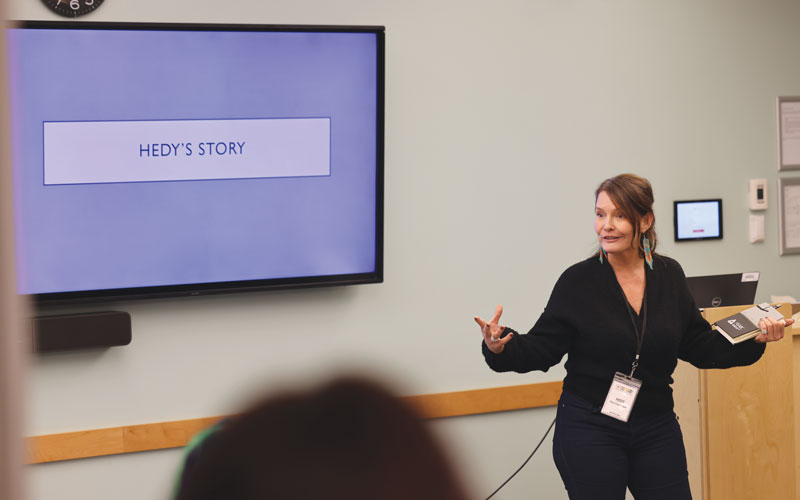
One of those voices is Hedy Wolff. A peer coordinator for the Burnaby Community Action Team, Wolff shared an intimate account of her own journey of substance use and recovery.
“We’re spreading the word about the stigma of substance use disorders so more people will feel safe enough to reach out and ask for help,” she said.
In small-group discussions, participants reflected on the future of harm reduction efforts following the province’s retreat from decriminalization policies launched in 2023. All agreed that nurses’ voices, and their ongoing advocacy, remain critical for preventing further deaths and pushing governments toward compassionate, evidence-based policy that will support people who use drugs. •
-
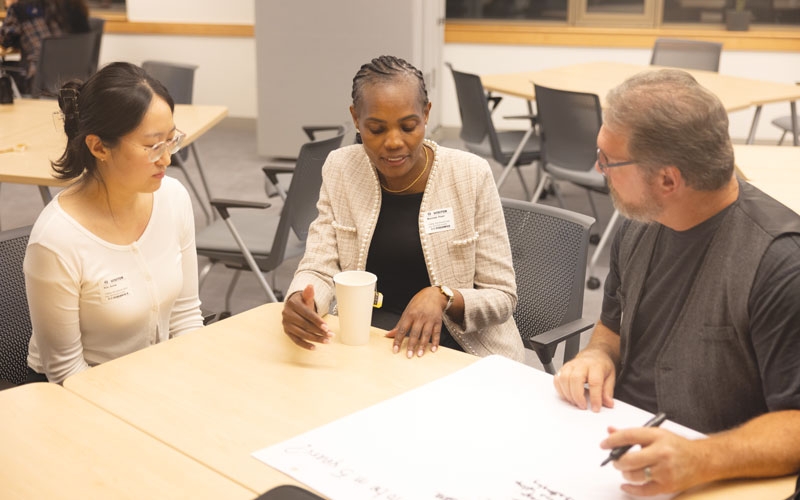 SHARED EXPERIENCES Internationally educated nurses from across the lower mainland gathered at BCNU’s Burnaby office in September to discuss their experiences and help BCNU learn how to better support them. BCNU Central Vancouver region member Sohee Kim, Richmond Vancouver region member Risper Murunga and BCNU labour relations coordinator Dan Desmarais.
 -
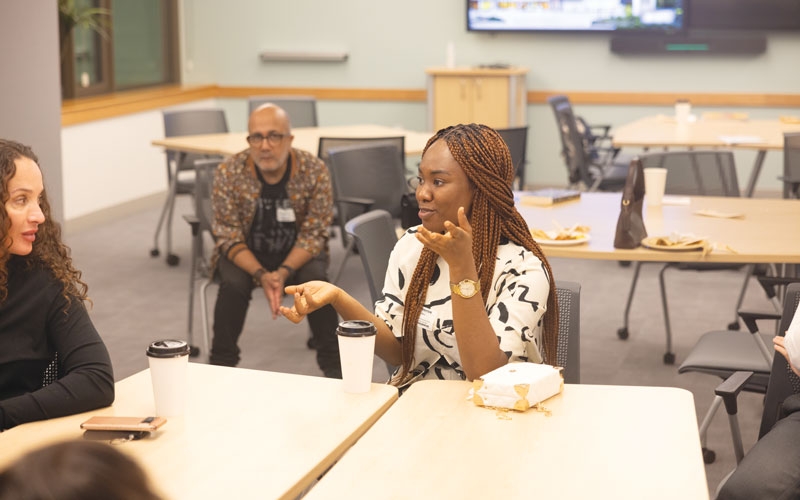 SHARED EXPERIENCES BCNU Central Vancouver region member Stacy Aduful (right) and BCNU director of diversity, equity and inclusion hanif karim.
 -
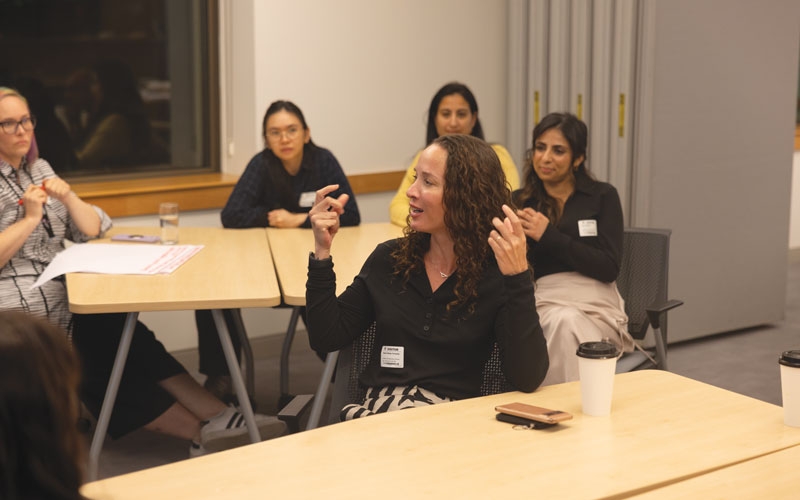 SHARED EXPERIENCES BCNU Central Vancouver region member Fernanda Soares Feitosa in a group discussion.
 -
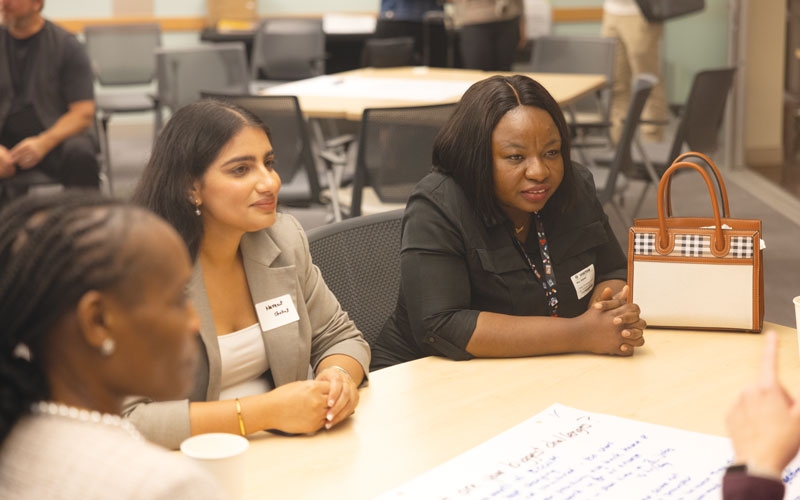 SHARED EXPERIENCES BCNU Richmond Vancouver region member Ibiyemi Abu (right) with Coastal Mountain region member Navneet Chahal.
 -
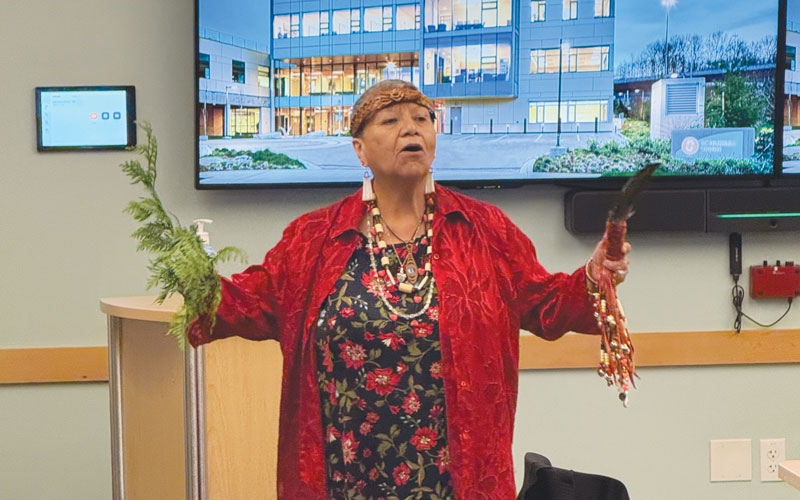 TRUTH AND RECONCILIATION BCNU members and Indigenous Leadership Circle (ILC) representatives discuss barriers to implementing the Truth and Reconciliation Commission of Canada’s Calls to Action. Elder Dr. Roberta Price opens with a traditional welcome.
 -
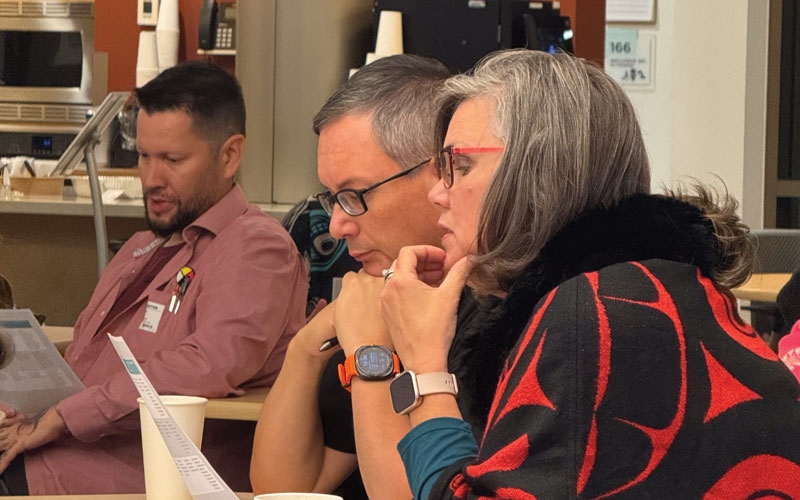 TRUTH AND RECONCILIATION BCNU Pacific Rim region Indigenous Leadership Circle representative Charlene Copley, Okanagan Similkameen region ILC alternate Topher Hansen and BCNU Fraser Valley region member Jarek Blak.
 -
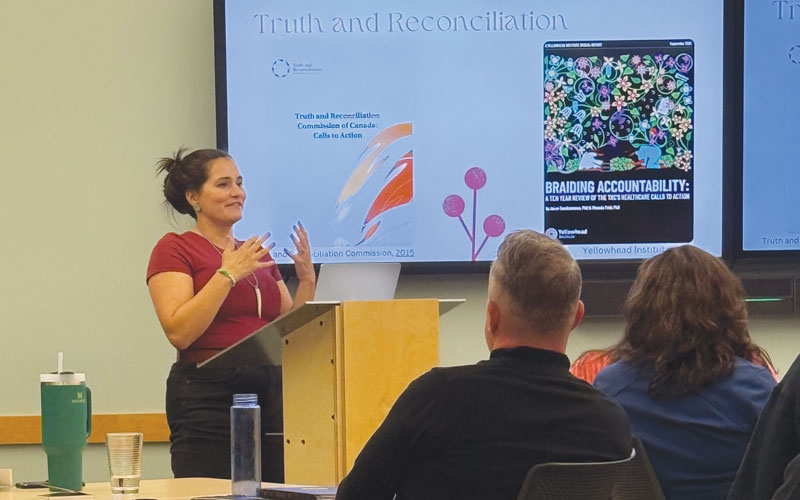 TRUTH AND RECONCILIATION Indigenous health advocate and educator Jessica Key.
 -
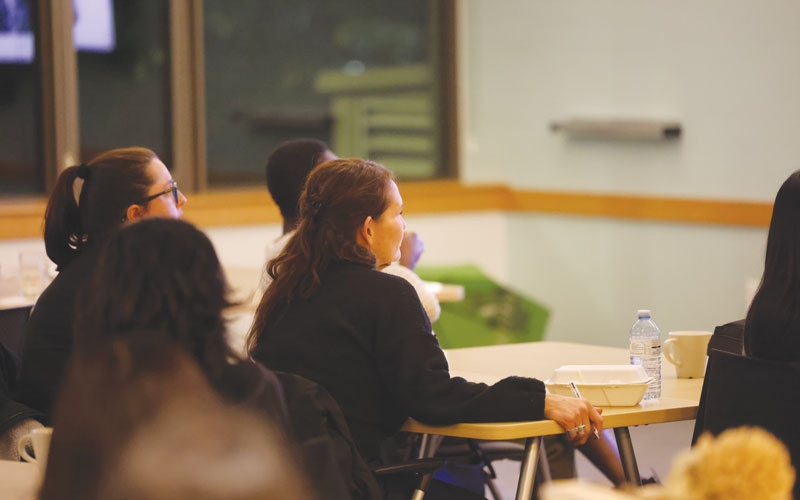 VOICES OF COMPASSION Grassroots advocates and BCNU members push for change to government policies harming people who use drugs. Participants listen to Provincial Health Services Authority’s Joe Gallagher about the challenges he and other Indigenous leaders have faced when promoting Indigenous-specific racism and cultural safety and humility in health-care settings.
 -
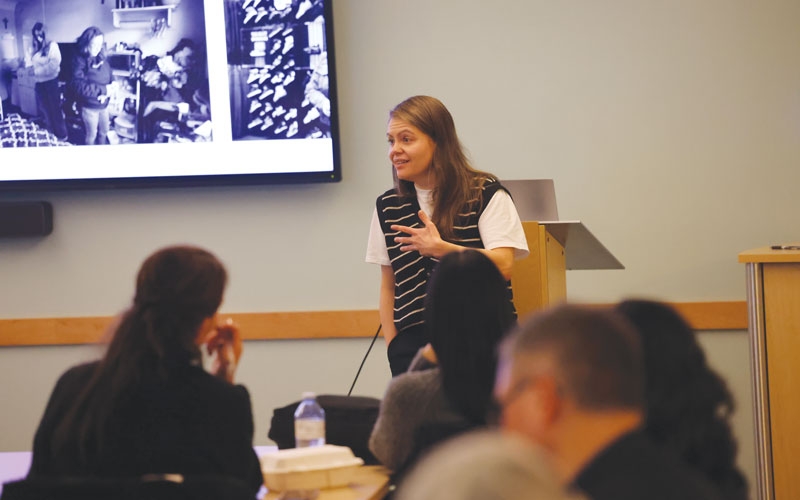 VOICES OF COMPASSION Multi-disciplinary artist Jackie Dives shares her award-winning documentary work on the lives of people who use substances and their fight to challenge deadly drug prohibition policies.
UPDATE (Spring 2026)